


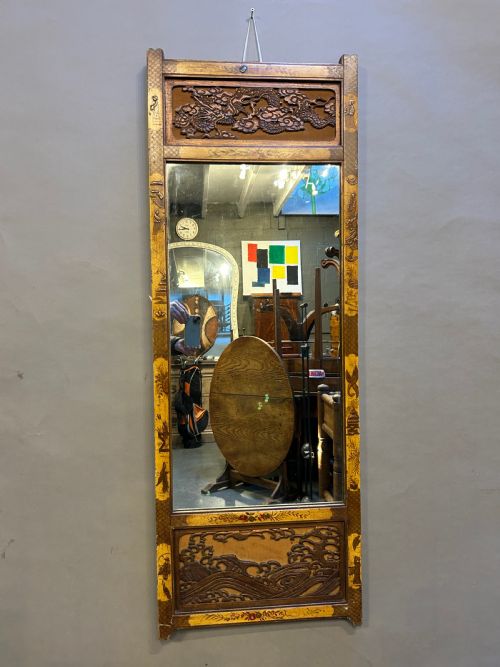


Carved Timber Gold Mirror
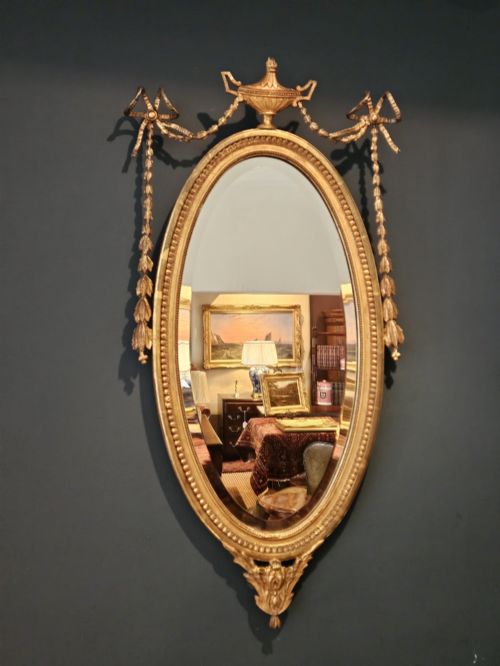
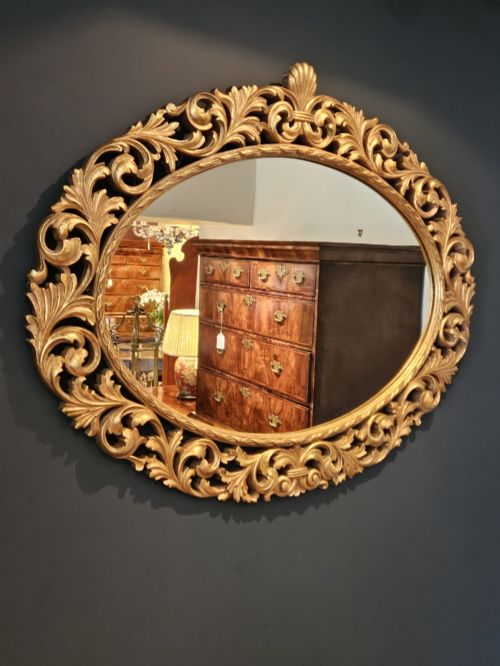
A carved timber gold mirror brings warmth and reflection into a room, drawing the eye with rich gilt surfaces and intricate wooden forms.
Carved Timber Gold Mirror
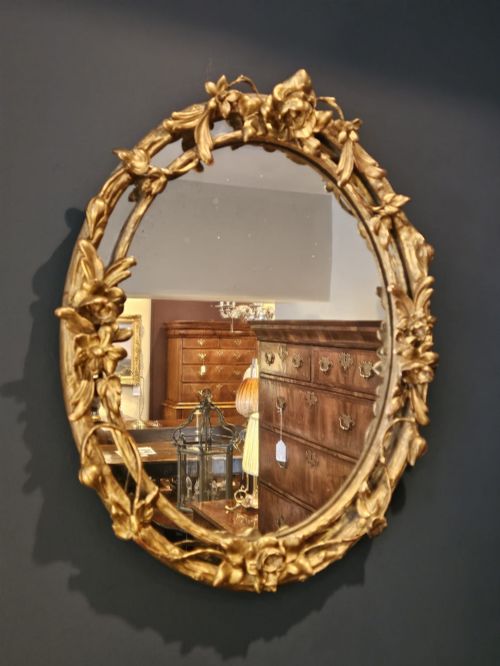
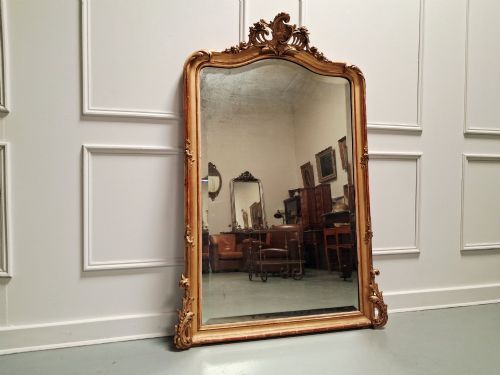
The versions you are most likely to meet on this page include Victorian and late Victorian oval and wall mirrors, alongside French Rococo and Baroque revival pieces. These items serve as functional looking glasses and striking decorative focal points for interiors.
How they were made
Artisans carved timber by hand, shaping intricate motifs such as rose vines, foliage and classical flourishes directly into the wood. Timber substrates provided a sturdy foundation for subsequent decorative layers.
Surfaces were coated in gesso to smooth the wood before applying gold leaf, gilt or gold paint to create a luminous metallic finish. This traditional gilding technique gave each piece its characteristic reflective glow.
Object forms on this page range from grand Italian wall mirrors to delicate Victorian rose vine frames and fairground boards.
What varies in quality
The depth and crispness of the hand carving separate simpler frames from masterworks, with finer examples displaying deeply undercut foliage and balanced proportions. Heavy, imposing Italian and French pieces often show more elaborate sculptural detail than standard domestic mirrors.
The quality of the gilding and the preservation of the original gesso layer dictate the visual richness of the surface. Finer preparation under the gold leaf yields a warmer, more nuanced sheen that endures across the decades.
The Carved Timber Gold Mirror Glossary
- Giltwood
- Timber that has been covered with gold leaf or gilt. This material forms the primary shimmering surface of traditional decorative mirrors.
- Gesso
- A plaster-like mixture applied to timber to create a smooth base for gilding. It allows carvers to achieve sharp, detailed relief work.
- Rococo
- An ornate design style characterised by asymmetrical scrolls, curves and naturalistic plant motifs. It heavily influences many nineteenth-century French and revival frames.
- Chinoiserie
- European decorative art inspired by Chinese artistic traditions. It appears in specific wall mirror designs featuring orientalising motifs.
Carved Timber Gold Mirror: Frequently Asked Questions
Where should I hang one?
These mirrors suit principal reception rooms, hallways or above mantelpieces where their gilt surfaces can catch and reflect natural light. Their decorative frames act as focal points that anchor surrounding furniture.
Ensure the wall structure supports the weight of timber and glass, particularly with larger Italian or Victorian examples.
How do I clean the frame?
Dust the carved wooden surface gently with a soft, dry brush to prevent dirt accumulation in the recesses. Avoid using liquid cleaners or abrasive cloths on giltwood.
Moisture and harsh chemicals can damage fragile gold leaf and historical gesso layers over time.
How do I spot a revival piece?
Revival pieces often combine nineteenth-century manufacturing techniques with stylistic cues from earlier Baroque or Rococo periods. Examining the timber age, backboards and joinery helps determine the exact era of creation.
Stylistic labels like Rococo Revival indicate a later nineteenth-century interpretation of an older aesthetic.