


Matching Pair Gilt Mirrors
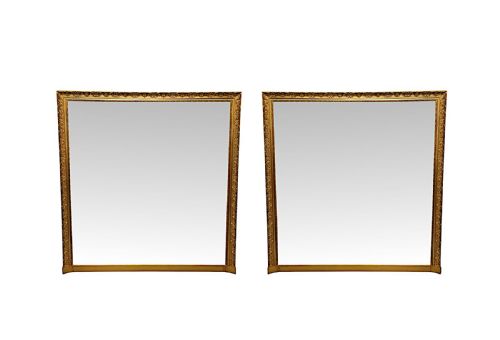
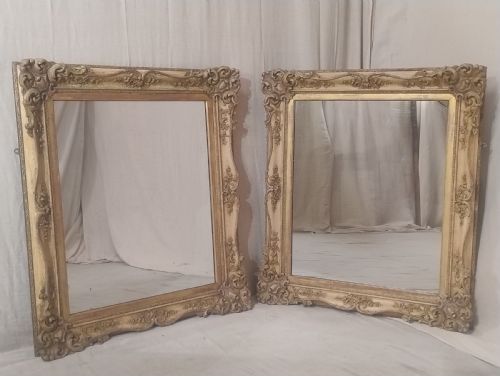
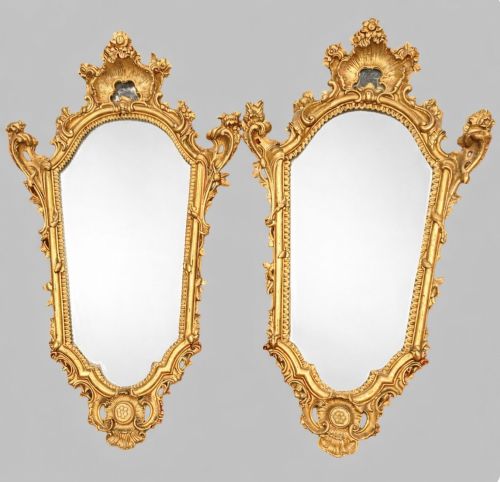
These matching pair gilt mirrors bring instant balance and reflection to a room, offering the decorative power of two coordinated surfaces.
Identifying matching pair gilt mirrors
A matching pair gilt mirrors search uncovers coordinated wall hanging glass pieces designed to balance a room, frequently deployed above mantelpieces or console tables. These pieces emerge primarily from the Victorian era and the nineteenth century, including specific Italian and French Louis XV styles.
The inventory ranges from simple timber frames to grand cartouche wall mirrors and oval formats. Buyers encounter both pure giltwood constructions and parcel gilt variations, often paired with matching console tables or antique plaster forms.
Construction and materials
Frames rely on timber cores built from materials such as walnut, finished with gesso and composition layers to build up intricate decorative mouldings. Artisans then apply fine gold leaf or gilt finishes over these prepared surfaces to achieve a luminous golden sheen.
Reflecting plates utilise traditional mirror glass set securely within the decorated frames. Italian and French examples demonstrate regional craftsmanship in carving and cartouche shaping, while Victorian makers focus on robust timber foundations.
Judging quality in gilt mirrors
Quality separates through the crispness of the gesso and composition modelling, where sharper relief and finer hand-tooling distinguish superior workshops from coarser production. The depth and integrity of the original gilding dictate the visual warmth of the piece.
Substantial timber construction and well-preserved mirror glass indicate higher tier manufacture. The harmony of the matching pair remains paramount, ensuring both frames share identical scale, weathering, and decorative detail.
The Matching Pair Gilt Mirrors Glossary
- Giltwood
- Timber carved and covered with gold leaf. This material forms the primary structure of finer antique mirror frames.
- Composition
- A moulded mixture of whiting, resin, and glue used to create ornament on frames. Artisans apply this material over timber before gilding.
- Cartouche
- An ornamental frame resembling a scroll or shield with elaborate scrolls. Italian wall mirrors frequently utilise this expressive format.
- Parcel Gilt
- Partially gilded woodwork where gold leaf highlights specific carved details against a painted or exposed wood base. This technique creates subtle contrast.
Frequently Asked Questions
Where should I hang a matching pair?
These mirrors work best when hung symmetrically on either side of a fireplace, window, or large piece of furniture. Their balanced presence helps anchor a room and bounce natural light around the space.
Ensure both mirrors are hung at identical eye levels to maintain the architectural symmetry they were designed to create.
How do I date these mirrors?
Dating relies on examining the construction of the timber frame, the composition of the gesso, and the manufacturing traits of the glass. Victorian and nineteenth-century pieces often display hand-beveled plates and specific regional framing styles.
Comparing the backboards, fixings, and wear patterns against known period examples provides further confirmation of age.
Are giltwood and composition the same?
Giltwood strictly refers to carved solid wood covered in gold leaf, whereas composition involves moulded ornaments pressed onto a timber base. Many nineteenth-century mirrors combine both techniques.
Frames utilising genuine carved giltwood generally represent higher workshop standards than those relying heavily on pressed composition.