

Vintage Ornate Wall Mirror
When you search for a vintage ornate wall mirror, you are looking at decorative looking glasses designed to reflect light and anchor a room.
Vintage Ornate Wall Mirror
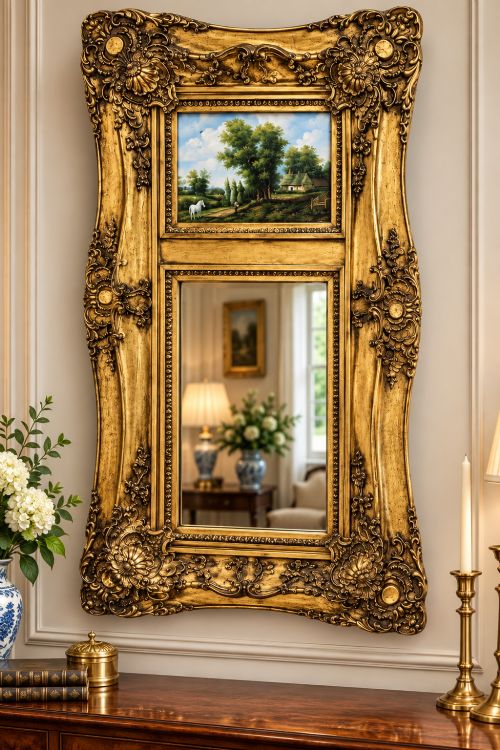
A vintage ornate wall mirror brings sculptural presence and reflected light into an interior, drawing on historical forms and decorative traditions. When searching for a vintage ornate wall mirror, buyers encounter a wide variety of domestic looking glasses spanning the nineteenth and early twentieth centuries.
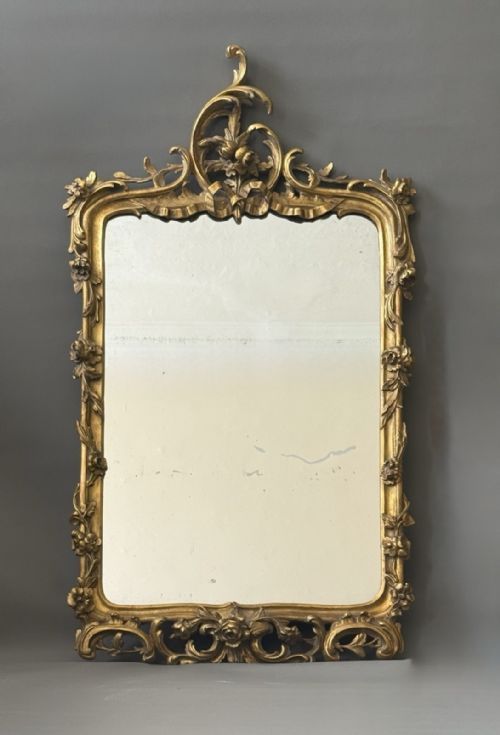
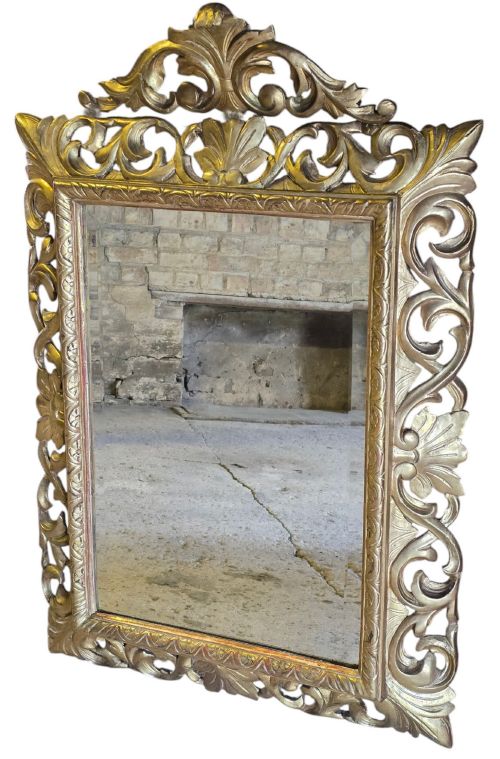
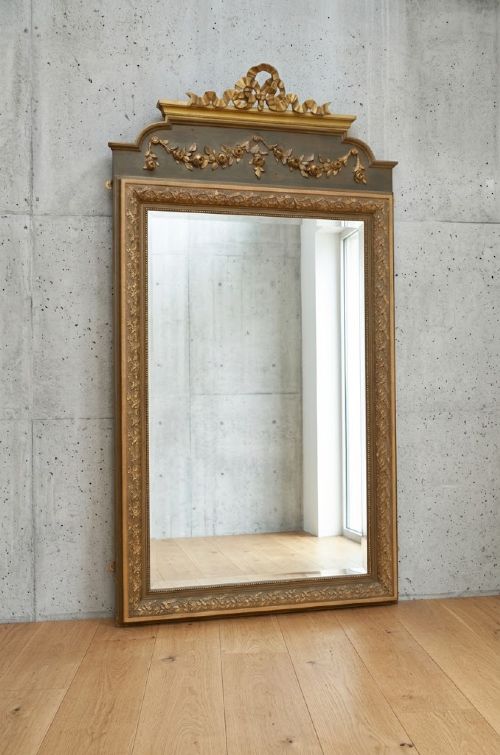
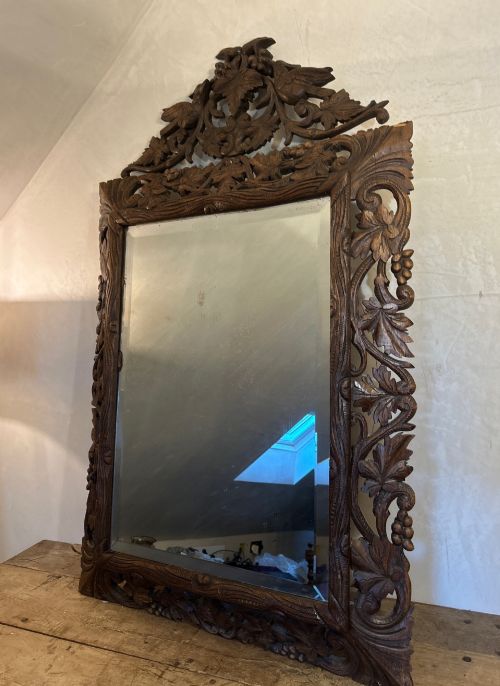
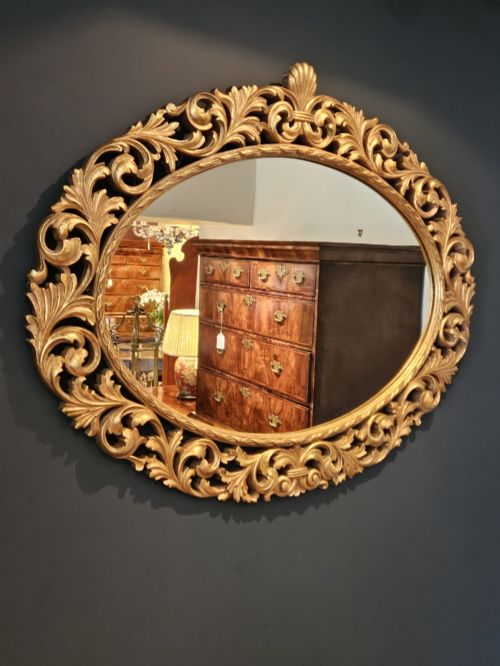
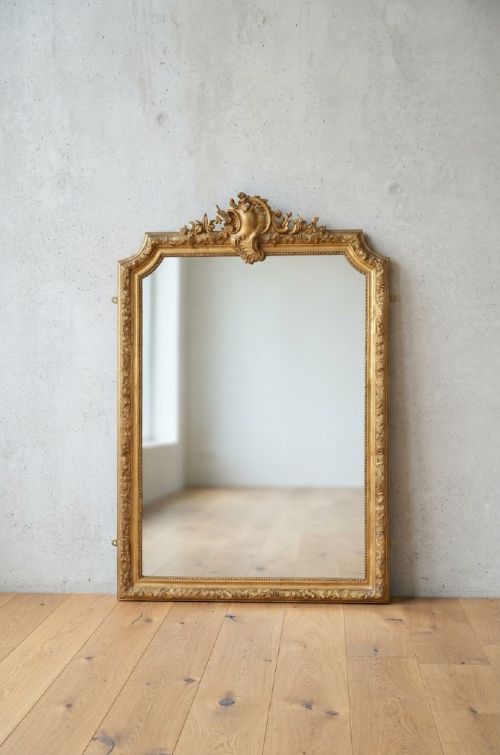
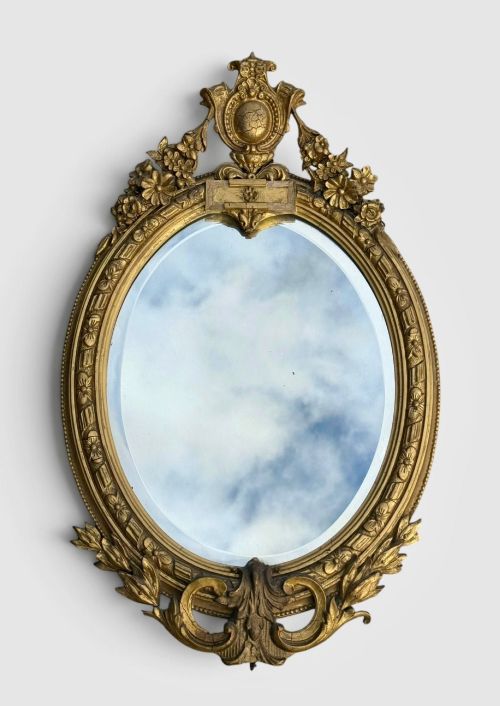
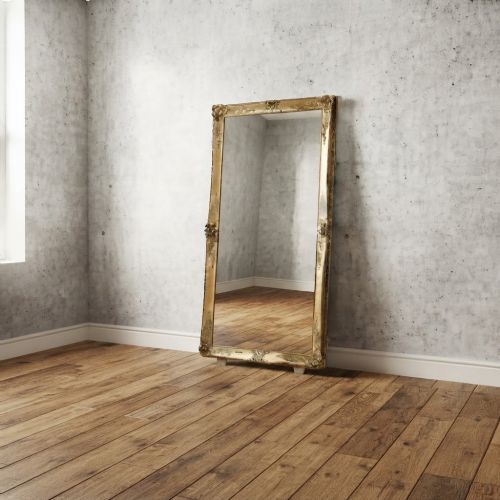
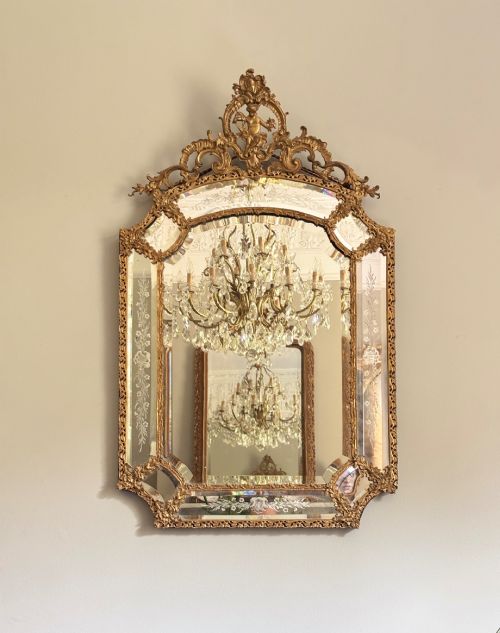
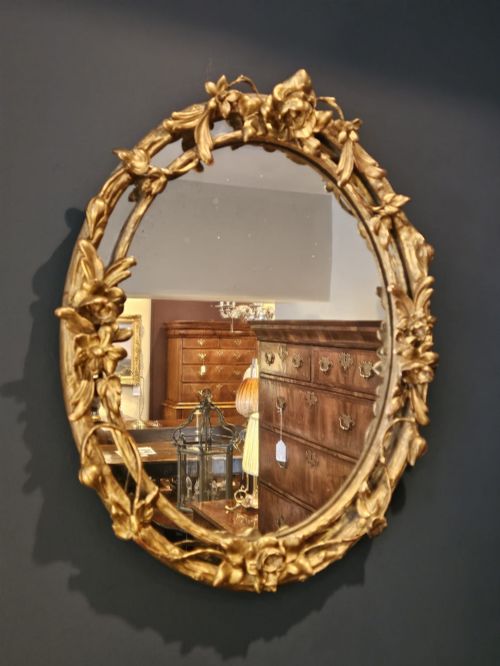
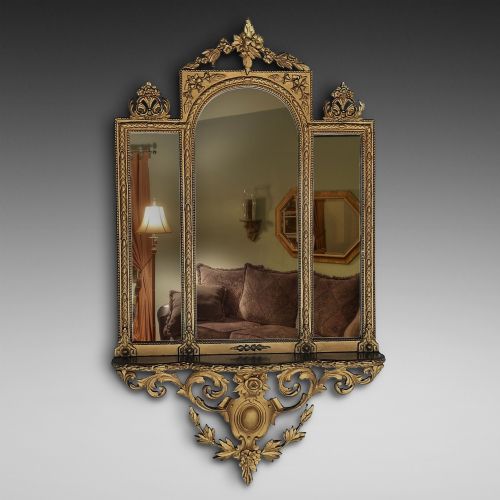
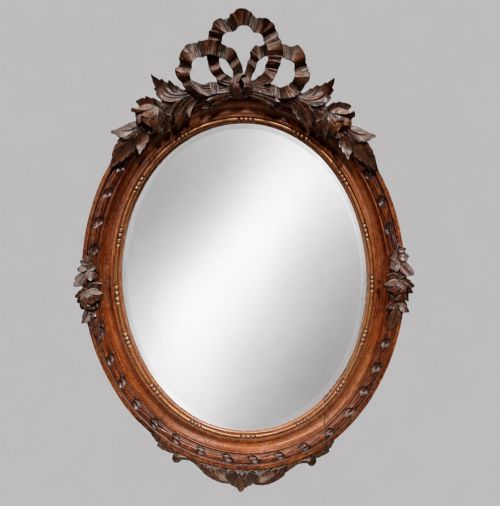
The pieces available here lean heavily towards nineteenth-century European design, particularly French Rococo revival styles and Italian giltwood productions. Overmantel mirrors and large rectangular wall-hanging formats dominate the selection, alongside oval frames and full-length leaner mirror variations.
Originating from domestic parlours, chateaux, and grand reception rooms, these objects combine utility with elaborate ornamentation. The forms range from heavy gilded timber and gesso frames to smaller carved wooden wall mirrors intended for boudoirs and hallways.
Materials and construction
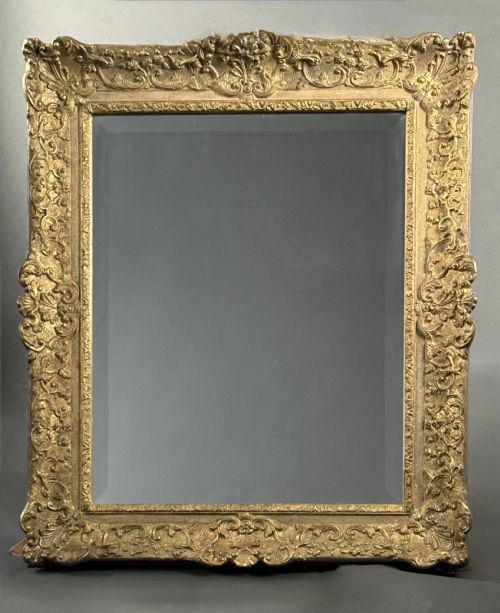
Carved timber, gesso, and applied gold leaf form the physical foundation of the most prevalent frames in this category. Artisans carved intricate floral motifs, scrolls, and crests into wood before applying layers of gesso to build up sculptural relief detail prior to gilding.
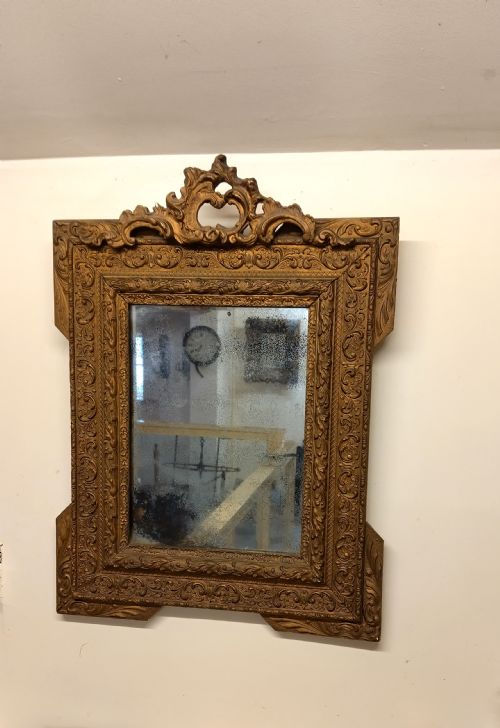
Reflective surfaces in this inventory comprise traditional mercury plates, antique glass with natural foxing, and bevelled mirror plates set securely into rebated wooden frames. Structural integrity relies on joined timber corners, often reinforced with pegged mortise and tenon joints hidden beneath the decorative surface layers.
Several mirrors include hidden olive green paint beneath layers of gold leaf, revealing past decorative updates by former owners.
Assessing quality and craftsmanship
Depth and crispness of hand-carved relief distinguish superior frames from mass-produced or purely cast compositions. Superior examples exhibit undercut foliage and sharp scrollwork where the artisan's hand shaped the wood directly, whereas lesser pieces rely on uniform moulded gesso that lacks definition.
The preservation of the original mercury plate or early mirrored glass contributes significantly to the character and desirability of the object. High-tier pieces maintain harmonious proportions between the heavy decorative frame and the glass plate without structural sagging or separation at the mitred corners.
The Vintage Ornate Wall Mirror Glossary
- Giltwood
- Wood that has been coated with gold leaf or gold powder. This surface finish creates a warm, reflective metallic sheen that ages with a characteristic patina.
- Gesso
- A plaster-like mixture applied to wood frames to create a smooth surface for gilding. Artisans mould or carve this material to produce elaborate relief decoration.
- Overmantel mirror
- A large horizontal looking glass designed specifically to hang above a fireplace mantelpiece. These pieces frequently anchor the decorative scheme of a nineteenth-century room.
- Mercury plate
- An early type of mirror glass produced by applying a tin and mercury amalgam to the back of the glass sheet. This process yields a characteristic mottled reflection known as foxing.
- Rococo Revival
- A nineteenth-century design movement resurrecting the asymmetric scrolls, C-curves, and naturalistic shell motifs of the eighteenth century. This style dictates the ornate, flowing lines of many frames.
Vintage Ornate Wall Mirror: Frequently Asked Questions
How do I hang a heavy overmantel mirror safely?
Heavy overmantel mirrors require robust wall fixing into masonry or direct attachment to timber wall studs using heavy-duty brackets. The substantial weight of gesso and timber frames demands weight-bearing hardware matched to the specific wall construction.
Professional installation is recommended for large formats to ensure the hanging wire or integrated mirror fixings distribute the load securely without straining the antique wooden joints.
What is foxing on antique mirror glass?
Foxing refers to the small dark spots, blemishes, and silvery cloudiness that develop naturally within antique mirror plates over decades of exposure to air and moisture. This oxidation process alters the reflective surface and serves as an indicator of age.
Many collectors prize original foxed glass for the authentic historic character it brings to an antique interior, distinguishing old plates from modern replacements.
How do I clean a gilded wood frame?
Gilded wood frames require gentle dusting with a soft, dry brush to remove particulate matter without disturbing the delicate gold leaf or gesso surface. Moisture, chemical cleaning agents, and abrasive cloths must be avoided entirely to prevent stripping the historic finish.
For stubborn grime, professional conservation advice should be sought rather than attempting liquid cleaning on fragile nineteenth-century gilding.
Can these mirrors be placed in bathrooms?
Placing antique mirrors in high-moisture environments like bathrooms accelerates the deterioration of the wooden backing, gesso ground, and silvered glass backing. Steam and humidity cause the gesso to swell and promote rapid oxidation of the mirror plate.
Dry living rooms, hallways, and bedrooms provide a stable environment that preserves the structural and decorative integrity of the piece.