




Foliate Carved Gilt Mirror
These foliate carved gilt mirror pieces bring together intricate leaf carving and reflective glass to anchor a room.
Foliate Carved Gilt Mirror
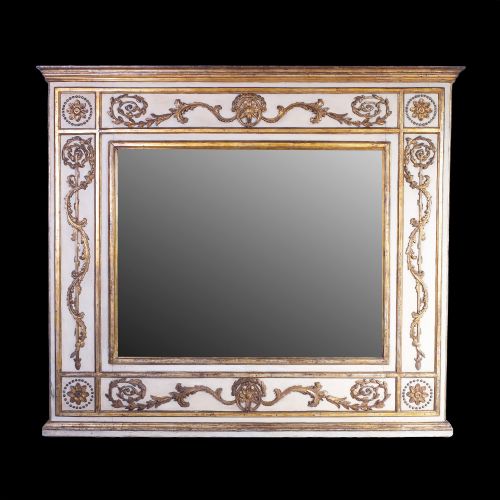
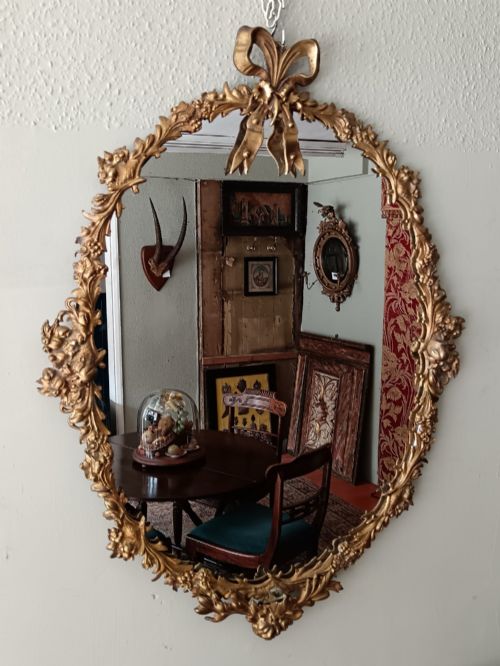
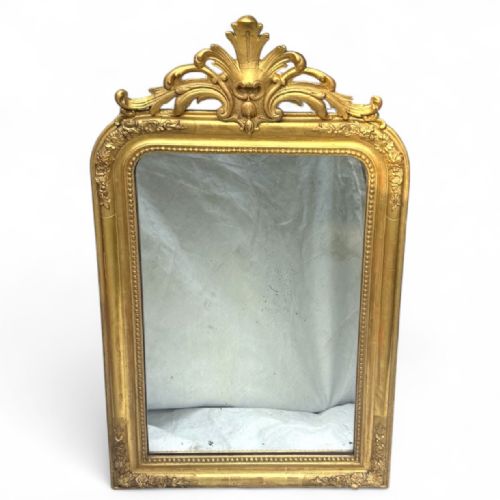
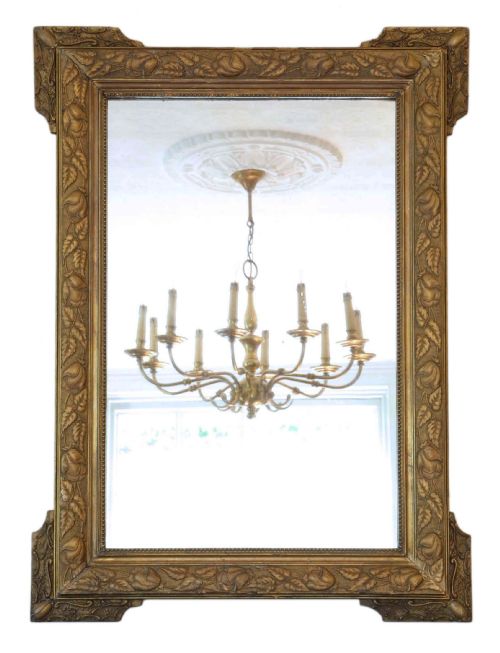
A foliate carved gilt mirror is a reflective wall piece defined by decorative leaf and floral motifs carved into the frame before being gilded. When you search for a foliate carved gilt mirror, you encounter pieces spanning from the seventeenth century through to the twentieth century, taking the form of wall mirrors, overmantel mirrors, and picture frames.
The most common examples you meet on this page date from the nineteenth century, including Victorian interpretations alongside revived continental styles. These pieces range from grand arched overmantels to smaller oval wall mirrors, displaying the enduring appeal of gilt surfaces and organic carving.
Makers drew on various aesthetic traditions, producing works that reflect Rococo, Regency, Louis XVI Revival, French Neoclassical, and George I styles. Each period brings its own proportion and leaf work to the frame, distinguishing an eighteenth-century cresting from a later Victorian interpretation.
Materials and construction
Makers built these frames using timber, walnut, and gesso as a base before applying gold leaf or paint to achieve the characteristic gilt finish. Giltwood and gilt bronze also appear across the selection, providing durable foundations for detailed carving.
Glass is set within the frames as mirror glass, frequently historic and paired with timber backing boards. Painted wood surfaces likewise appear, sometimes combined with gilded elements to highlight the foliate motifs.
One seventeenth-century entry hides modestly as a simple picture frame, proving that not every carved gilt border started life as a mirror.
Assessing quality
Quality in these mirrors rests primarily on the depth and crispness of the carving itself. Finer pieces display undercut foliage with sharp definition, whereas simpler examples show softer, shallower relief work.
The application of the gilt surface also separates tiers of craftsmanship. Smooth, even burnishing on gesso over wood indicates careful workshop practice, while the integration of inset hand-painted panels adds another layer of distinction.
The Foliate Carved Gilt Mirror Glossary
- Foliate
- Decorated with leaves, flowers, or plant motifs. This style of carving frames the glass with naturalistic forms.
- Giltwood
- Timber that has been coated with gold leaf or gold paint. It forms the primary luminous surface of these mirrors.
- Gesso
- A plaster-like mixture applied to wood frames to create a smooth surface for gilding. Carvers cut directly into this layer to form fine details.
- Overmantel
- A large mirror designed to hang specifically above a fireplace mantel. These pieces often feature wide horizontal proportions and arched tops.
- Rococo
- An ornate design style characterised by asymmetry, curves, and shell-work often blended with foliate carving. It heavily influenced nineteenth-century revivals.
Foliate Carved Gilt Mirror: Frequently Asked Questions
Where should I hang a foliate carved gilt mirror?
These mirrors suit spaces where they can reflect light and anchor the room, such as above a fireplace as an overmantel or on a prominent living room wall. Their reflective glass and decorative frames draw the eye naturally.
Consider the scale of the wall relative to the mirror frame. Larger overmantel mirrors require substantial wall space, while smaller oval wall mirrors fit comfortably in hallways or boudoirs.
How do I identify the period of a gilt mirror?
Dating relies on observing the underlying timber, the style of the gesso, and the character of the carving. Eighteenth-century pieces often feature distinct cresting, while nineteenth-century works frequently adopt revival styles.
Examining the glass itself can also offer clues, though replacement glass is common. Match the frame's stylistic cues, such as Rococo curves or George I walnut construction, to historical periods.
What is the difference between giltwood and painted wood?
Giltwood involves the application of actual gold leaf or metal leaf over a prepared base, creating a metallic reflective sheen. Painted wood uses pigment to achieve colour without the metallic finish.
Some pieces combine both techniques, featuring painted panels alongside gilded foliate carving to create contrast across the frame.
How do I care for antique gilt surfaces?
Antique gilt surfaces require gentle dusting with a soft, dry brush to avoid disturbing the delicate gold leaf or gesso. Moisture and chemical cleaners can strip the finish entirely.
Keep these mirrors away from direct sunlight and damp environments to preserve the timber and the integrity of the gilded frame over time.