
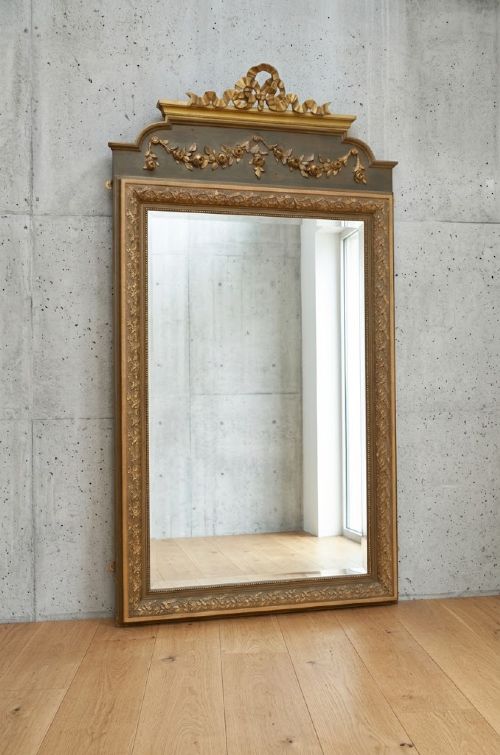
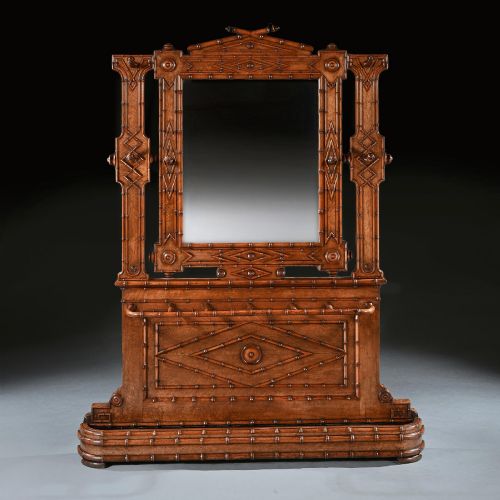
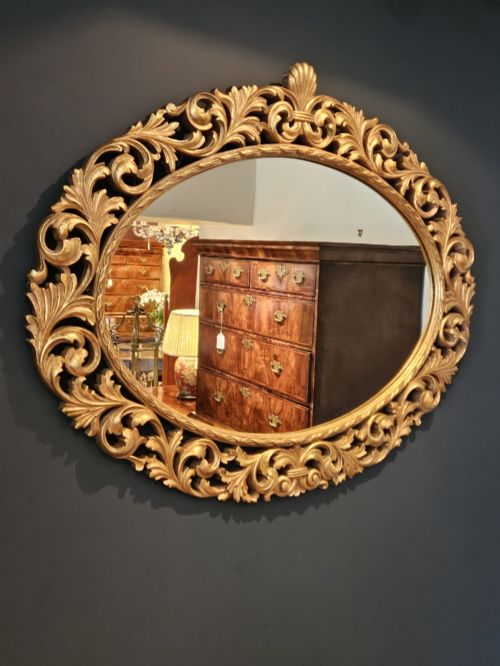
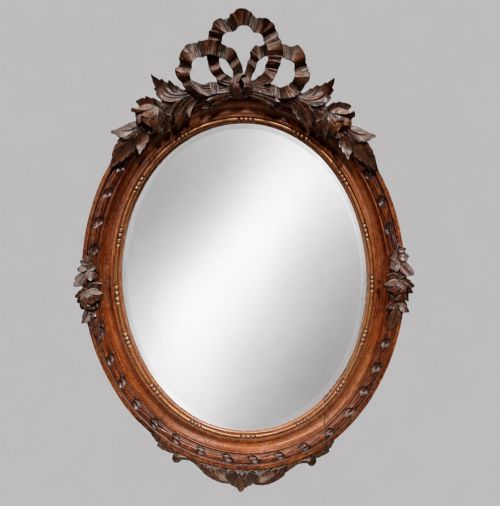

Antique French Hall Mirror
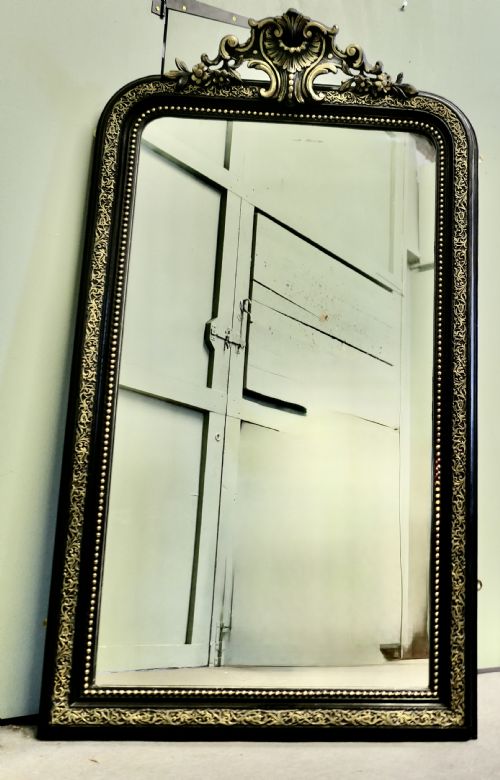
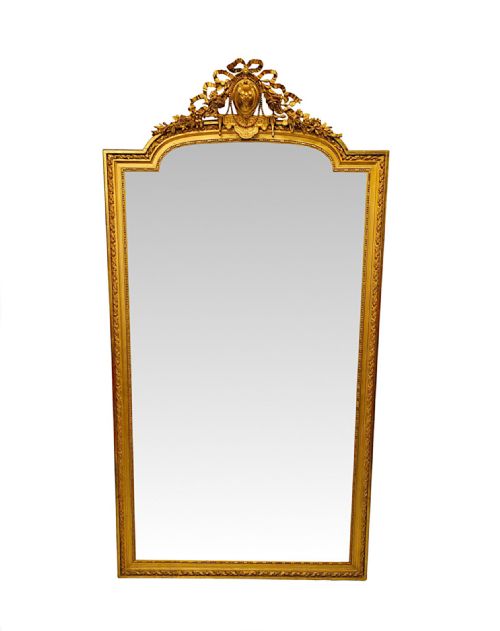
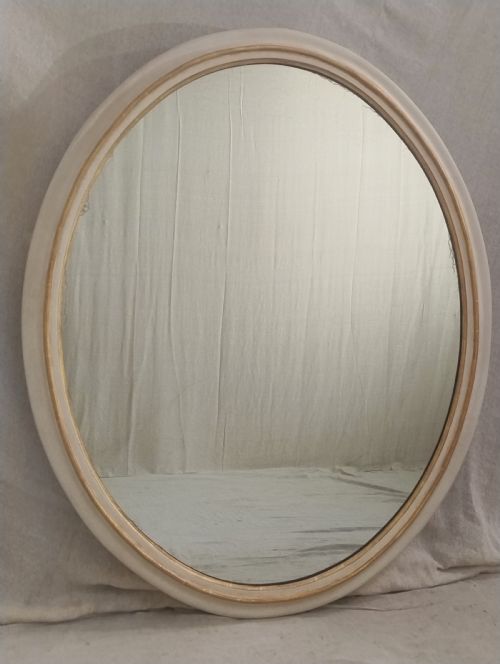
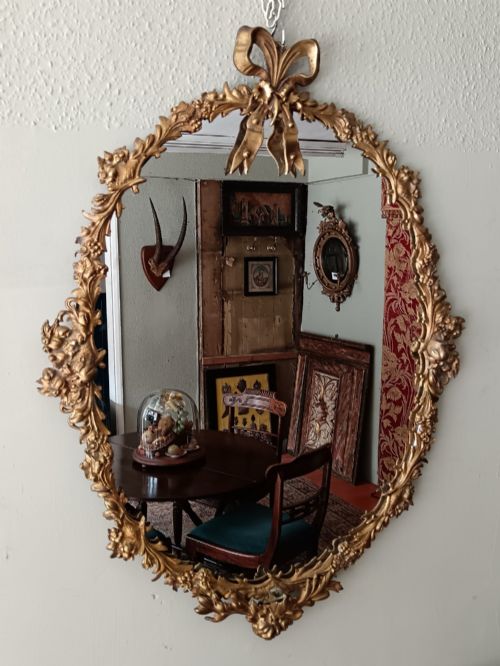
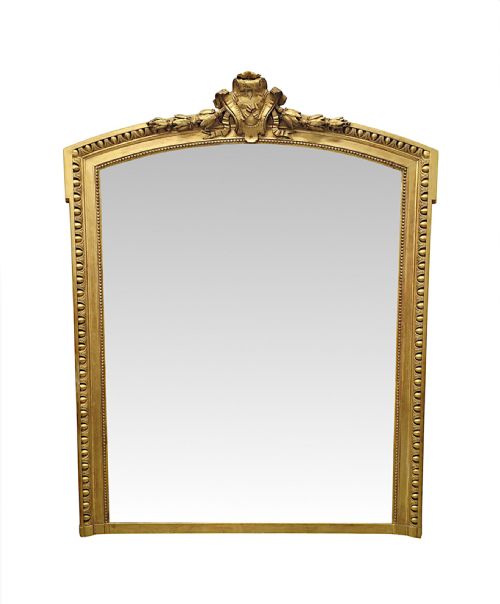
When you search for an antique french hall mirror, you are looking at tall pier glasses, carved oval frames, and gilded wall hung designs that anchor an entranceway.
Antique French Hall Mirror
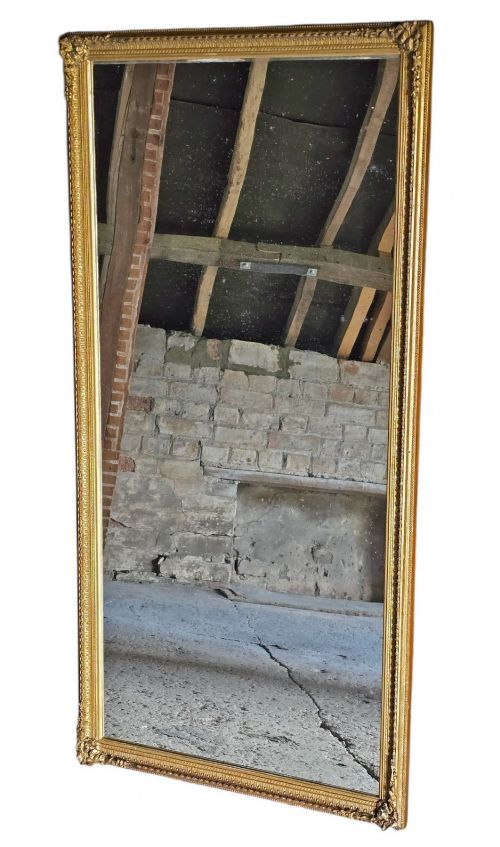
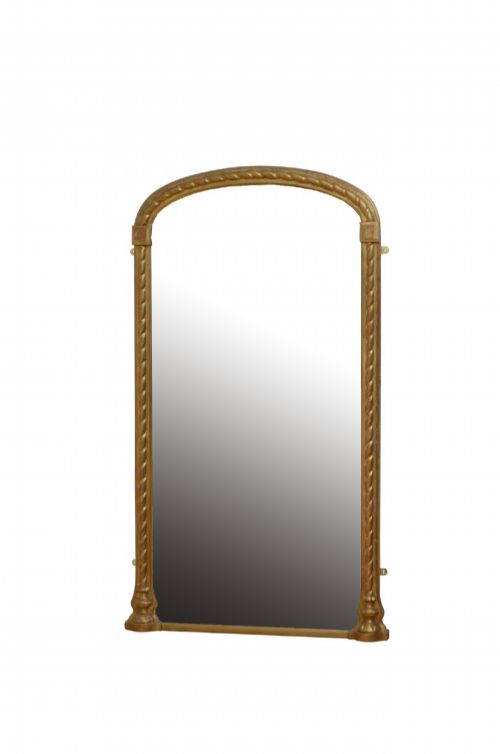
The pieces grouped under the search phrase antique french hall mirror span the nineteenth century into the early twentieth century, taking forms such as tall pier mirrors, overmantels, and console table combinations designed for narrow spaces. Styles range from restrained Louis Philippe frames to ornate Rococo Revival and Neoclassical designs adorned with classical motifs or ribbon crests.
Materials and construction
Carved timber forms the structural core for the majority of these pieces, overlaid with gesso and finished in gold leaf, parcel gilt, or paint. The application of gesso allows for sharp, intricate relief work, creating the floral swags, cartouches, and rope carvings seen across the frames.
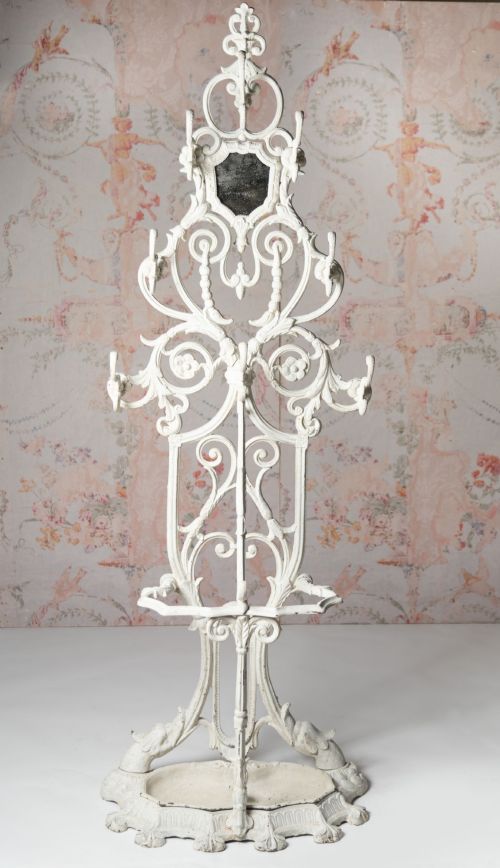
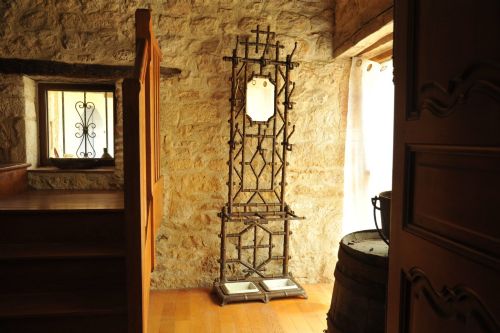
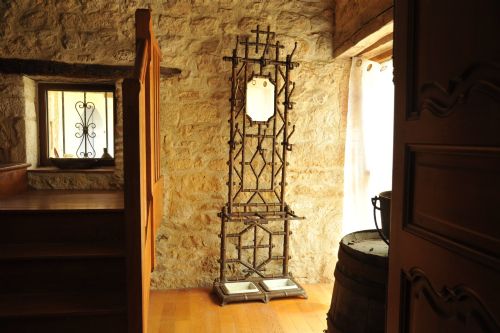
Alternative materials recorded in the evidence include cast iron shaped into faux bamboo for hall stands, alongside marble tops paired with mahogany or oak on console tables. Mirror glass is frequently bevelled, fitted into heavy frames designed to lean against a wall or secure firmly to a hallway pier.
Materials recorded in current inventory span giltwood, gesso, carrara marble, cast iron, and figured mahogany.
Distinguishing quality in frames and glass
Depth and crispness in the wood and gesso carving separate standard frames from finer works. Hand-chiselled detail on floral motifs and classical scrollwork retains sharp edges, whereas inferior pieces rely on softer, moulded compositions.
The integrity of the original mercury or silvered mirror glass also dictates quality, alongside the retention of original gilding rather than heavy overpainting. Structural stability in the underlying timber frame ensures the mirror supports its substantial weight safely.
The Antique French Hall Mirror Glossary
- Pier Mirror
- A tall mirror designed to hang on the wall between two windows, or stand on a pier table in a hallway. These tall formats make narrow spaces feel larger and bounce light into dark entryways.
- Gesso
- A plaster-like mixture applied to wood frames and carved before gilding or painting. It provides a smooth base for intricate relief ornamentation.
- Giltwood
- Wood that has been coated with gold leaf or metallic paint. This finish catches natural light and defines ornate nineteenth-century mouldings.
- Cartouche
- An ornamental frame resembling a rolled-up piece of paper or scroll, often placed centrally at the top or bottom of a mirror frame.
- Faux Bamboo
- A decorative style where wood or cast iron is carved and painted to imitate natural bamboo stalks. It gained popularity during the Aesthetic Movement and late nineteenth century.
Antique French Hall Mirror: Frequently Asked Questions
How do I hang a heavy hall mirror safely?
Large nineteenth-century frames carry substantial weight from timber, gesso, and thick glass. They require heavy-duty wall fixings anchored directly into masonry or secure wall studs.
Many tall pier mirrors are designed as leaner glasses, resting on the floor with upper brackets securing the frame to the wall to prevent tipping.
What is the difference between an overmantel and a hall mirror?
Overmantel mirrors were originally manufactured to hang specifically above a fireplace mantelpiece. Their proportions are typically wide rather than tall.
Hall mirrors and pier mirrors are usually taller and narrower, built to fit the restricted wall space between doorways or above a narrow console table in an entrance.
How do I care for antique giltwood?
Giltwood frames demand gentle maintenance because moisture and modern cleaning chemicals can strip fragile gold leaf and crack the underlying gesso. Dusting with a dry, soft ostrich feather brush prevents particle buildup without harming the surface.
Avoid placing these pieces in direct sunlight or areas with high humidity to protect the wood from warping.
Are console tables usually sold with the mirror?
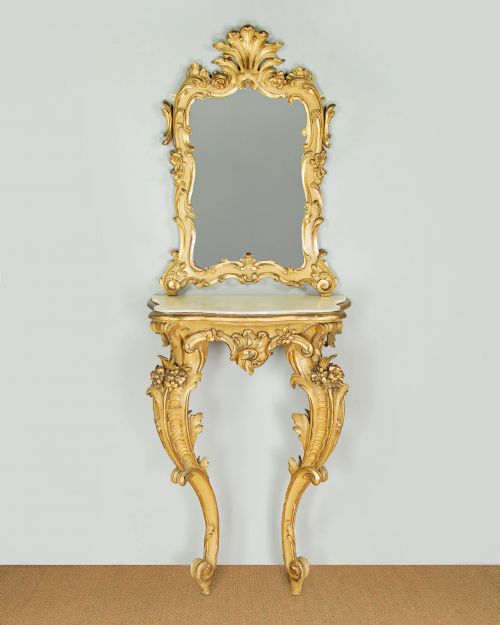
Some listings present matched console tables and mirrors as a unified set, particularly those from the Rococo Revival and Neoclassical periods. These paired items share identical carving styles, wood finishes, and proportions designed for grand entryways.
Many mirrors and console tables also survive independently, functioning as standalone pieces in domestic interiors.