
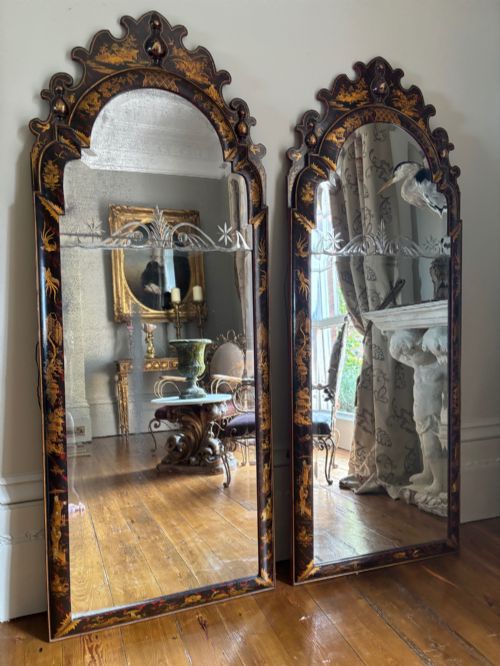
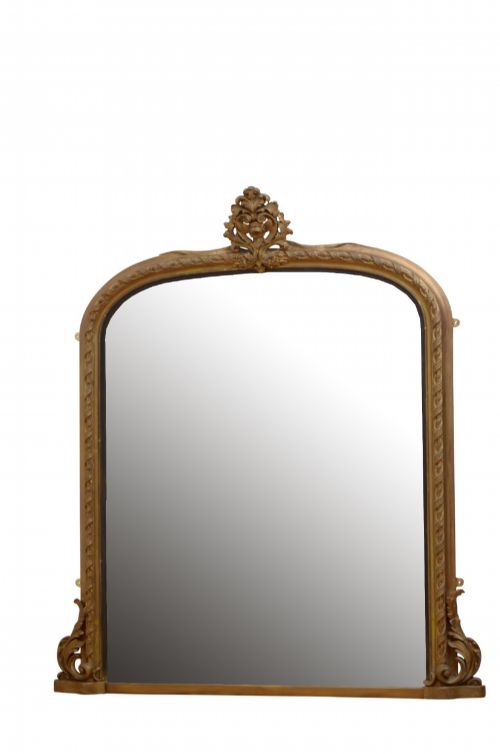
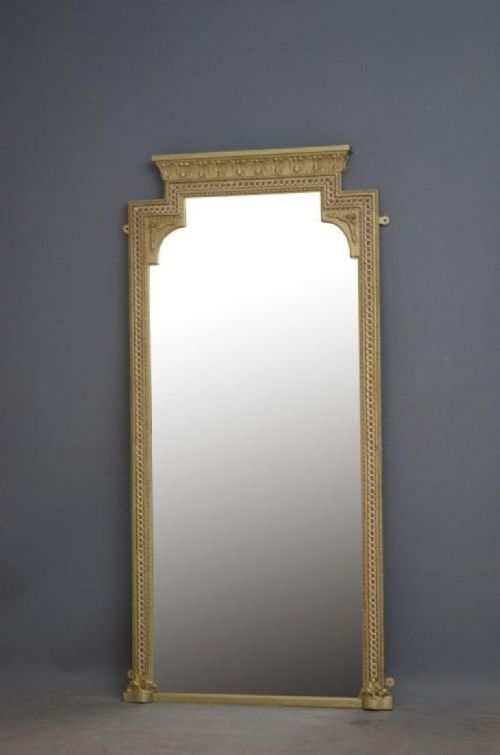

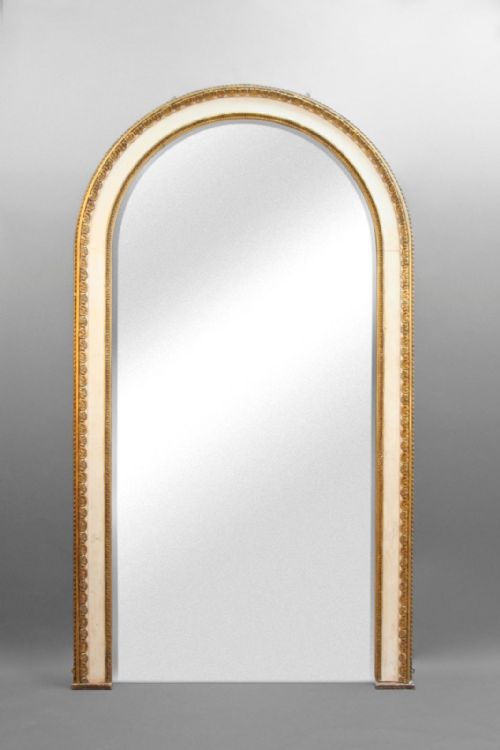


Victorian Gilt Tall Mirror
A victorian gilt tall mirror brings vertical scale and golden warmth to a room, reflecting light with distinct nineteenth-century presence.
Victorian Gilt Tall Mirror
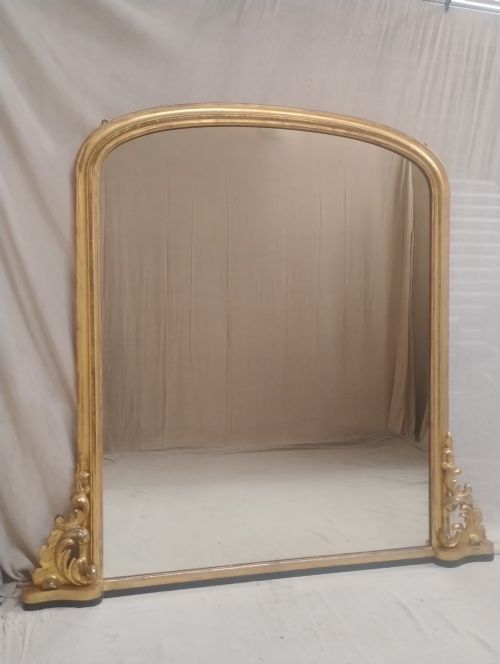
When you search for a victorian gilt tall mirror, you look at grand vertical glass plates designed to elongate interior spaces. These pieces span wall-hanging formats, overmantels, and narrow pier mirrors suited for placement between windows or above fireplaces.
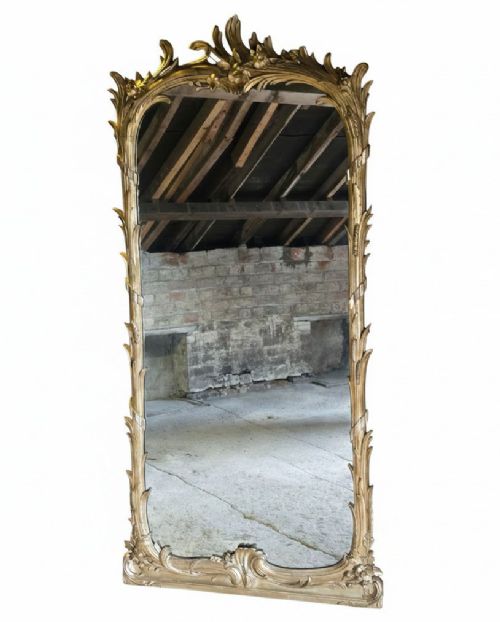
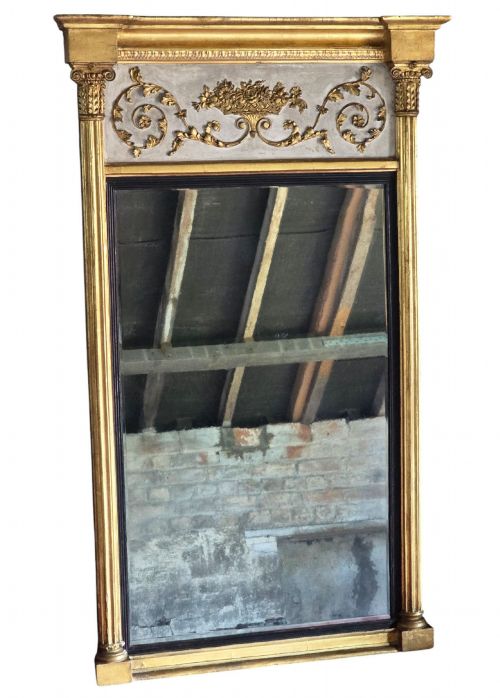
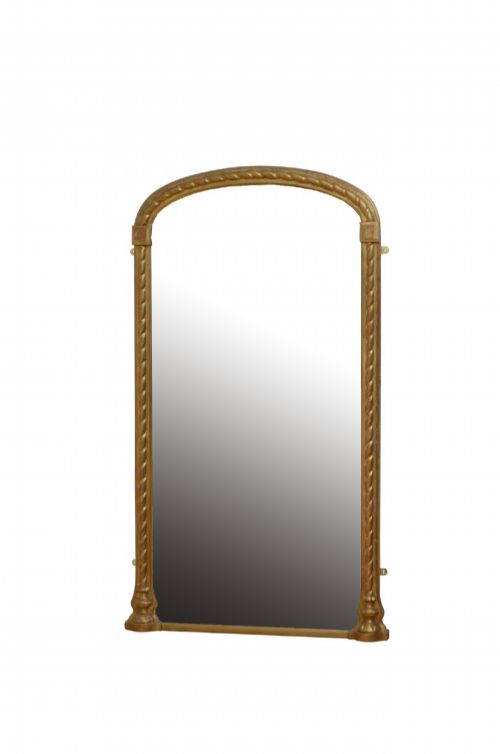
The examples gathered here draw predominantly from nineteenth-century production, incorporating Victorian aesthetics alongside French Rococo Revival, Louis Philippe, and Neoclassical design influences. Formats range from arched leaner plates to rectangular hall and dressing mirrors.
Makers and workshops of the period utilised substantial timber carcasses to support imposing dimensions, creating vertical sightlines that anchor high-ceilinged rooms. The overarching character relies on generous height combined with gilded surfaces.
Assessing Quality and Execution
The distinction between standard production and exceptional work rests on the crispness of the carved ornamentation and the depth of the gilding. Highly decorative examples display finely rendered motifs, such as rope carving or naturalistic ferns, executed with precision in the gesso and wood.
Proportion and structural integrity dictate the standing of a piece, particularly given the immense weight of tall nineteenth-century glass plates. Superior examples maintain balanced frames where the scale of the moulding complements the expansive mirror plate without distortion.
Materials recorded across the selection include giltwood, gesso, gold leaf, eglomise panels, walnut, and marble.
The Victorian Gilt Tall Mirror Glossary
- Giltwood
- Wood that has been coated with gold leaf or gold paint. This material forms the primary golden framework for nineteenth-century decorative mirrors.
- Gesso
- A plaster-like mixture applied to wooden frames and carved to form raised ornamental details before gilding. It allows for intricate relief work on the mirror border.
- Pier Mirror
- A tall, narrow mirror designed to hang on the wall space between two windows. These pieces often coordinate with console tables placed underneath.
- Overmantel Mirror
- A wide or tall mirror specifically designed to sit on the wall directly above a fireplace mantel. They frequently anchor the decorative scheme of a Victorian reception room.
- Eglomise
- A technique involving cold painting and gilding on the reverse side of glass to produce a decorative panel. It appears in specific nineteenth-century mirror frames for added visual texture.
Victorian Gilt Tall Mirror: Frequently Asked Questions
Where should I hang a tall mirror?
These vertical pieces suit high-ceilinged spaces, narrow hallways, or blank wall sections between architectural openings. Placing them opposite a window maximises the natural light distributed across the room.
Ensure the wall structure securely bears the considerable weight of nineteenth-century timber and glass frames. Secure wall fixings appropriate for heavy hanging objects are essential.
What styles influence nineteenth-century gilt mirrors?
Designs draw upon French Rococo Revival, Louis Philippe, Neoclassical, and Empire styles alongside domestic Victorian interpretations. These stylistic markers dictate the complexity of the cresting and the frame mouldings.
French influences often introduce softer, flowing curves and shell motifs, whereas Neoclassical examples favour restrained symmetry and classical detailing.
How do I care for antique gilt surfaces?
Dust the carved and gilded frame gently with a dry, soft brush to protect the delicate gold leaf or gesso layers. Avoid commercial chemical cleaners that can strip or damage the historic finish.
Keep the glass clean using standard glass cleaner applied to a cloth rather than sprayed directly, preventing moisture from seeping behind the silvering plate.