




Vintage Gold Full Mirror
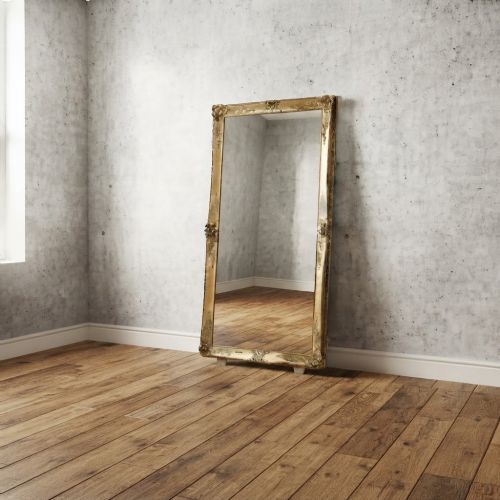
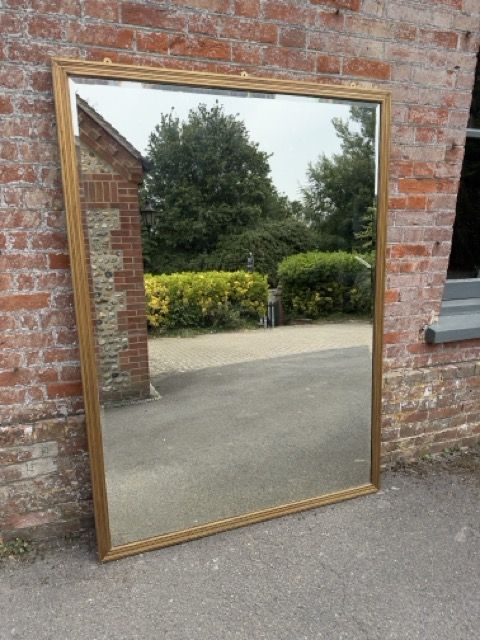
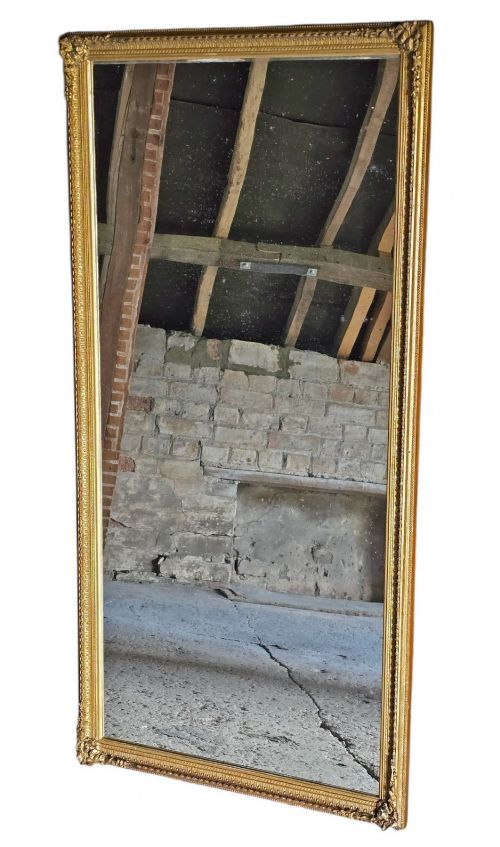
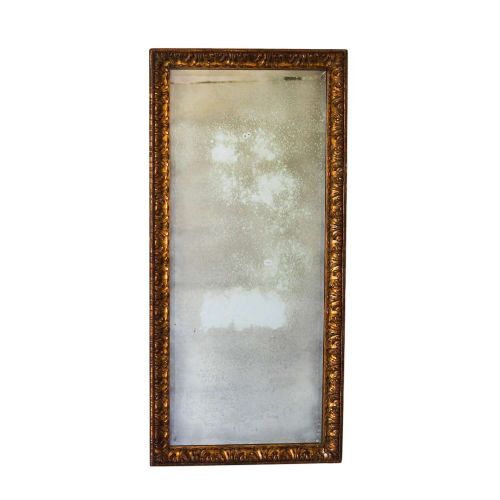
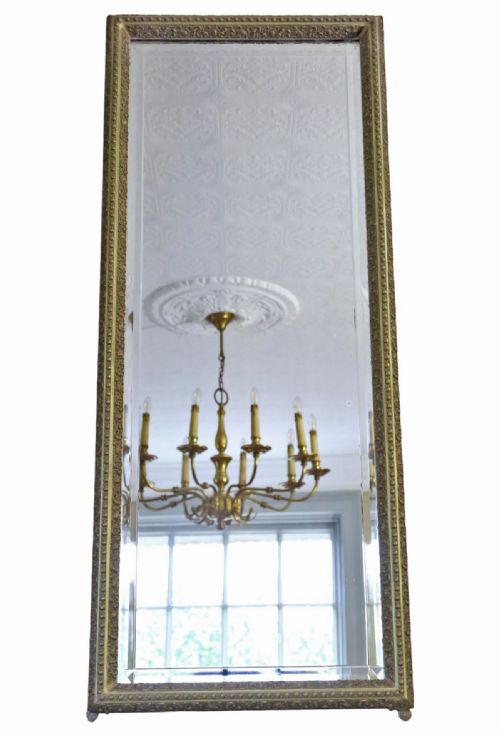
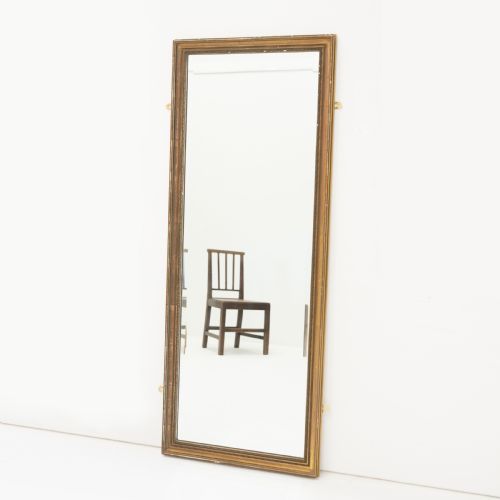
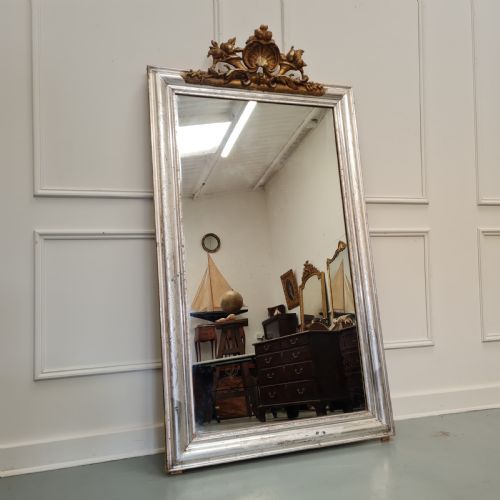
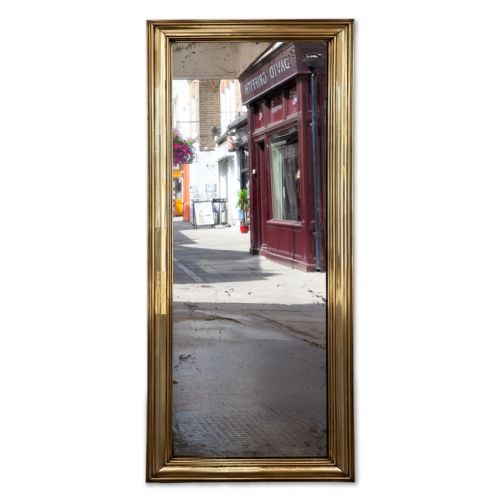
These vintage gold full mirror examples bring grand proportions and reflective light into a room, offering both full-length utility and period presence.
Vintage Gold Full Mirror
A vintage gold full mirror represents large-scale reflective glass housed in ornate or structured frames, frequently encountered as tall leaner mirrors, cheval mirrors, and wall-hanging dressing glasses. The pieces available span from the mid-nineteenth century through the Edwardian era, capturing French Chateau, Victorian, Louis Philippe, and Louis XVI styles.
French origins dominate the selection, alongside English and Italian pieces, typically rendered in substantial formats suited for full-height placement on floors or walls. These mirrors serve a dual function of expanding spatial perception while delivering period decorative impact through gilded surfaces.
Materials and construction
Construction relies upon carved wood and moulded gesso forming the structural framework, finished with applied giltwood, gold leaf, or silver leaf to achieve the characteristic metallic sheen. Mirrored glass plates are set within these frames, sometimes featuring distressed or wavy edge plates characteristic of nineteenth-century production.
Makers utilised traditional joinery for the heavy timber frames, supporting large glass panels with robust backboards and secure framing techniques designed to withstand the considerable weight of full-length formats.
Listings feature periods spanning from 1850 to 1920, with materials including giltwood, gesso, silver leaf, and mirrored glass.
Assessing quality and craftsmanship
Quality separates along the depth and crispness of the carved wood and gesso ornamentation, where superior examples exhibit sharp, hand-finished detailing rather than soft or repetitive moulded relief. The preservation of the original gilt or silver-gilt surface dictates much of the visual integrity.
The integrity of the mirror plate itself influences value, with original silvered glass retaining authentic age characteristics. Substantial scale combined with robust original framing further distinguishes finer production.
Charles Nosotti
The Vintage Gold Full Mirror Glossary
- Giltwood
- Wood that has been coated with gold leaf or a gold-coloured finish. This material forms the primary decorative surface for many nineteenth-century frames.
- Gesso
- A plaster-like mixture applied to wood frames to create a smooth surface for carving and gilding. It allows for intricate relief ornamentation.
- Cheval Mirror
- A freestanding mirror mounted on a swivel frame supported by four feet. This design allows the glass to tilt to various angles.
- Louis Philippe
- A mid-nineteenth-century French style characterised by understated elegance, often featuring rounded top corners and simple moulded frames. It offers a restrained alternative to heavier rococo ornamentation.
- Pier Mirror
- A tall mirror designed to hang on the wall between two windows or above a pier table. These pieces maximise light in period interiors.
Vintage Gold Full Mirror: Frequently Asked Questions
Where should I place a full-length mirror?
These mirrors suit hallways, bedrooms, and reception rooms where their height can maximise natural light and create an illusion of greater room depth.
Positioning them against a primary wall allows the carved frame and gilded surface to function as a focal point in the interior.
How do I distinguish nineteenth-century French frames?
French nineteenth-century frames often incorporate carved wood and gesso with specific regional motifs such as arched tops, ribbon crestings, or Louis Philippe rounded corners.
Examining the construction of the timber backing and the patination of the gilt surface helps confirm the period of origin.
Are these mirrors heavy to hang?
Due to the combination of dense timber frames, gesso, and large glass plates, these pieces possess substantial weight.
Wall-mounted versions require secure fixing into structural masonry or studwork, while leaner models benefit from additional wall tethering for stability.
What is a leaner mirror?
A leaner mirror is built with sufficient height and structural stability to rest directly against a wall without requiring wall hanging brackets.
This format allows for full-length reflection and is frequently utilised in bedrooms and dressing spaces.