


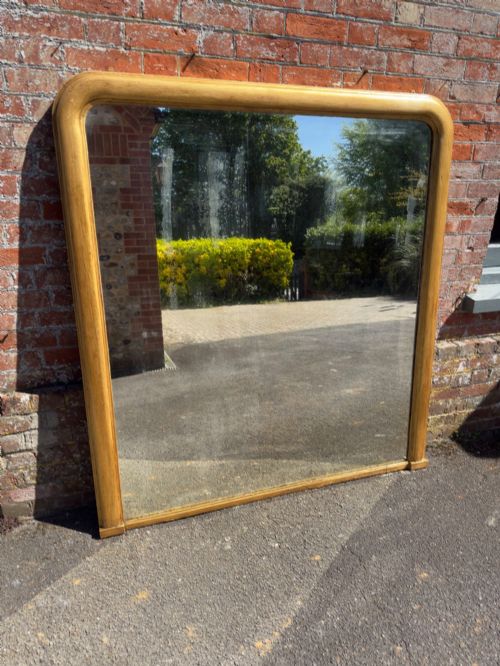


Gold Leaf Chimney Mirror
A gold leaf chimney mirror brings brilliant reflected light and grand architectural presence directly to a living space.
Gold Leaf Chimney Mirror
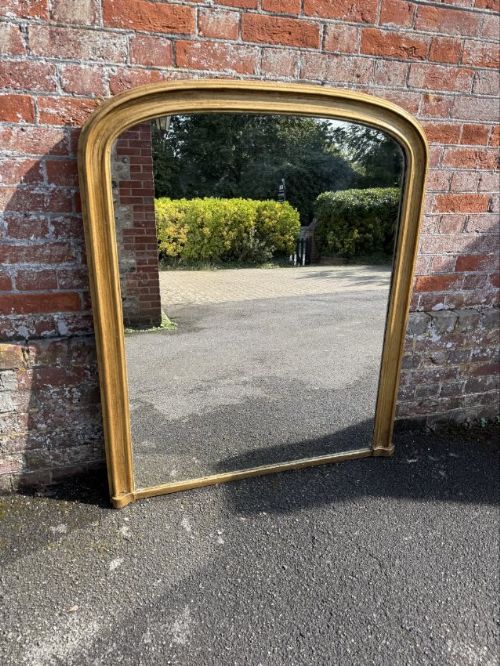
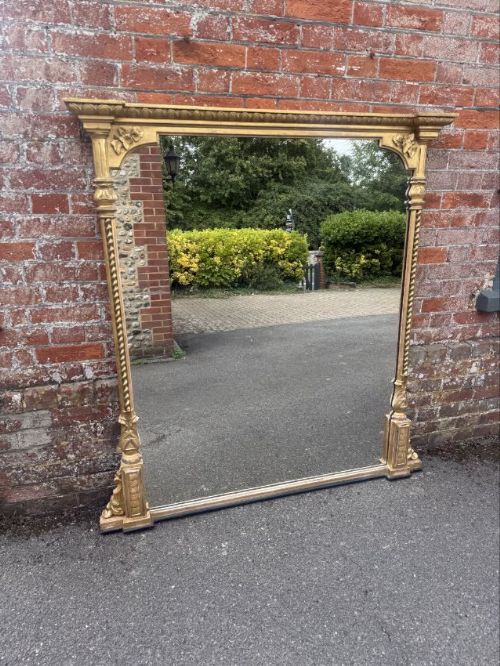
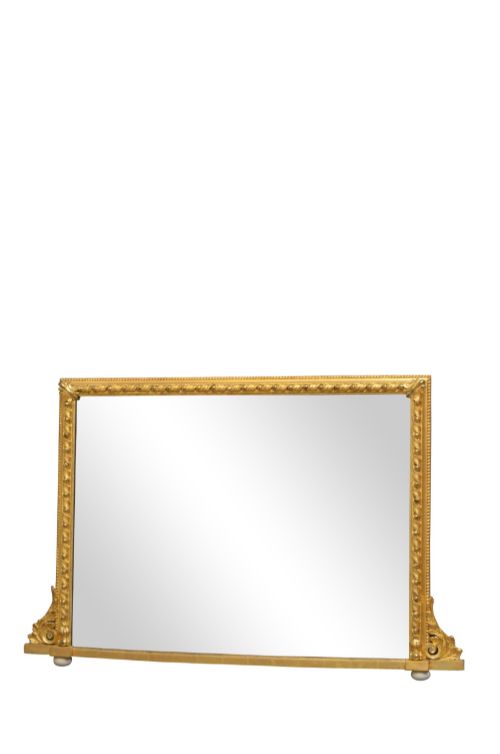
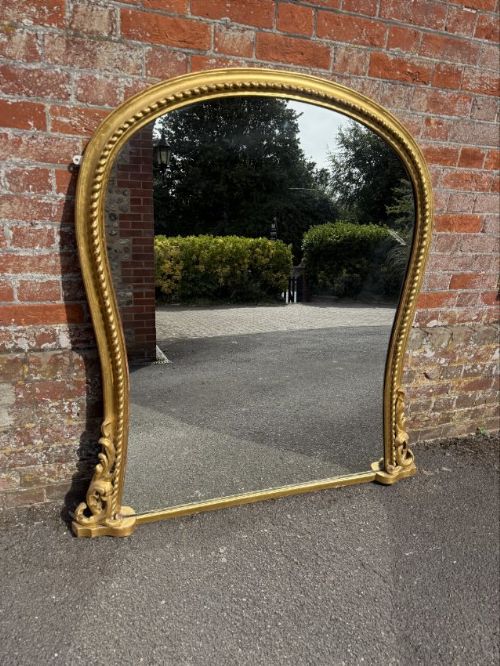
A gold leaf chimney mirror is a substantial looking-glass designed specifically to hang above a fireplace mantelpiece, dominating the chimney breast. The pieces found here are predominantly large overmantel mirrors spanning the Regency and Victorian periods, alongside earlier examples from the eighteenth century.
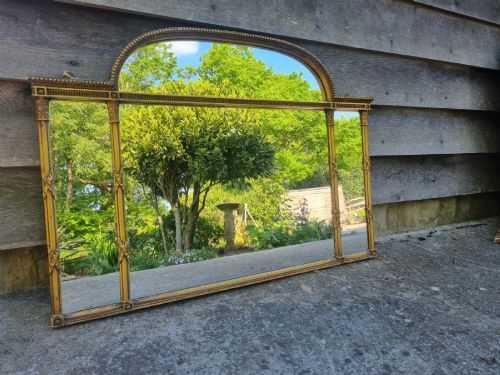
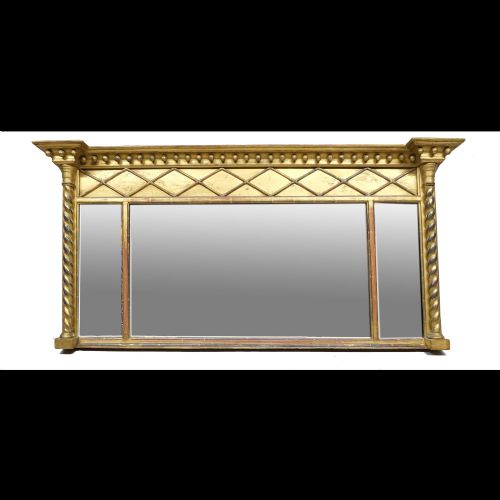
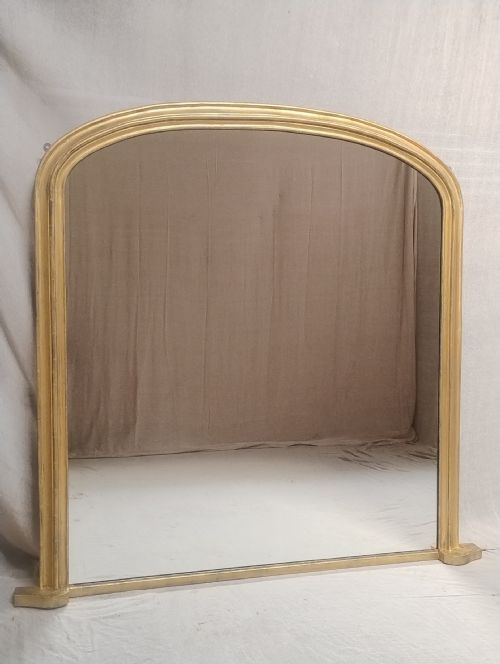
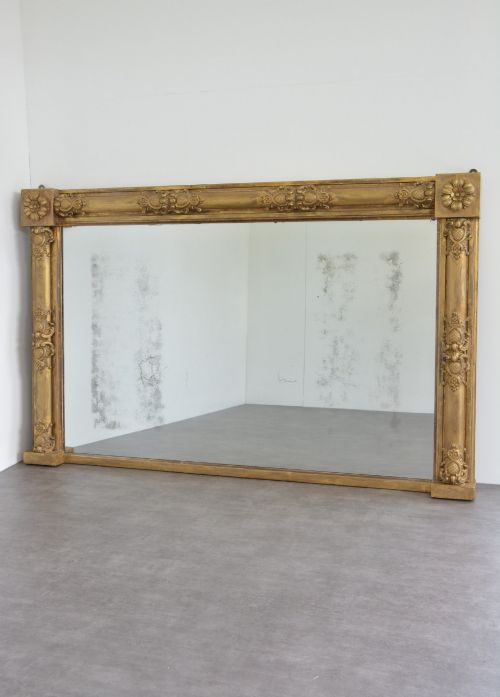
These grand looking-glasses frequently take the form of arched top frames, compartmental triptychs, or rectangular wall-hanging formats. Styles range from classical Regency giltwood designs to ornate Irish Rococo and Neoclassical Adam interpretations.
The most common formats met on this page are nineteenth-century English and French overmantel mirrors shaped with carved wood and gesso. They serve both to bounce ambient daylight around a room and to anchor the decorative scheme of a period interior.
Materials and Construction
The foundation of these frames typically relies on carved wood, gesso, and composition applied over a sturdy timber substrate. Artisans built up intricate decorative relief details using moulded composition and plaster before applying thin sheets of gold leaf.
Mirror plates were traditionally silvered by hand, resulting in characteristic visual ageing such as foxing and light clouding over decades. Giltwood and ebonised wood finishes were then polished or burnished to catch the light from hearth fires and tall windows.
Current listings feature materials including gesso, ebonised wood, and composition alongside traditional giltwood.
Distinctions in Craftsmanship
The distinction between ordinary and exceptional mirrors lies in the crispness of the carved wood and gesso details, such as rope twists, acanthus leaves, and figural motifs like Ho Ho birds. Finer examples retain deep, sharp relief moulding and original gilded surfaces without heavy modern restoration.
Structural integrity of the heavy wooden frames and the presence of original foxed mirror glass command higher regard among collectors. The complexity of compartmental or triptych plates also indicates superior workshop production.
The Gold Leaf Chimney Mirror Glossary
- Gesso
- A plaster-based mixture painted or spread onto wood frames to create a smooth surface for gilding. It allows craftsmen to carve intricate relief decorations.
- Overmantel mirror
- A large looking-glass specifically manufactured to be hung on the wall directly above a fireplace mantel. These pieces frequently span the width of the hearth below.
- Foxed glass
- Mirror glass displaying dark spots and silvery degradation caused by age and oxidation behind the glass plate. Collectors prize original foxing for its authentic period character.
- Triptych
- A mirror plate divided horizontally or vertically into three distinct panels. This layout is particularly characteristic of Regency period chimney mirrors.
- Giltwood
- Timber that has been decorated with a thin layer of gold leaf applied over a prepared ground. It provides a warm, reflective metallic sheen.
Gold Leaf Chimney Mirror: Frequently Asked Questions
Where should a chimney mirror hang?
These large looking-glasses are traditionally mounted centrally on the wall directly above a fireplace mantelpiece, where they naturally anchor the room.
Because of their considerable weight and grand proportions, they must be securely fixed into solid wall studs or masonry rather than standard plasterboard.
How do I care for gold leaf frames?
Dust the gilded wood and gesso gently with a dry, soft ostrich feather duster to prevent abrasive particles from scratching the delicate metallic surface.
Avoid using chemical polishes, damp cloths, or modern cleaning sprays, as moisture and solvents will strip the historic gold leaf and underlying gesso.
What is an overmantel mirror?
An overmantel mirror is a large-format looking-glass specifically proportioned to sit above a fireplace opening. They were built to reflect the light of fires and candles into the room while filling empty vertical wall space.
Unlike standard wall mirrors, their horizontal or arched proportions match the linear scale of a chimney breast.
Are original mirror plates important?
Original glass plates contribute significantly to the historical integrity and visual charm of an antique looking-glass. Signs of age such as light foxing show that the glass has remained undisturbed within its frame for generations.
While replacement glass offers a clearer reflection, original plates preserve the authentic aesthetic expected by period collectors.