
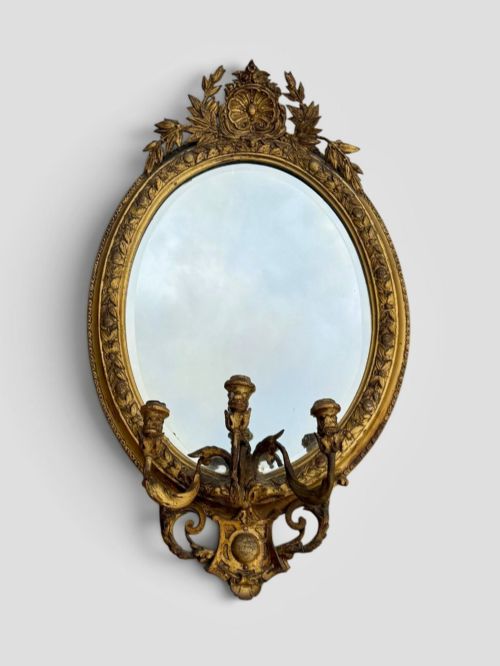
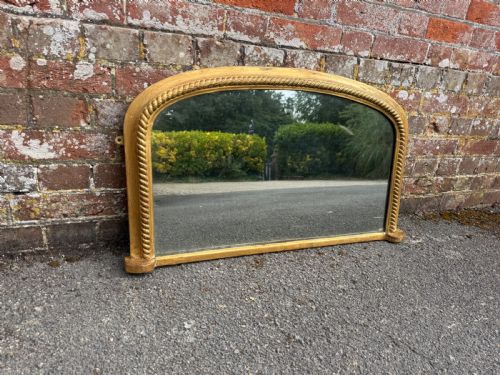
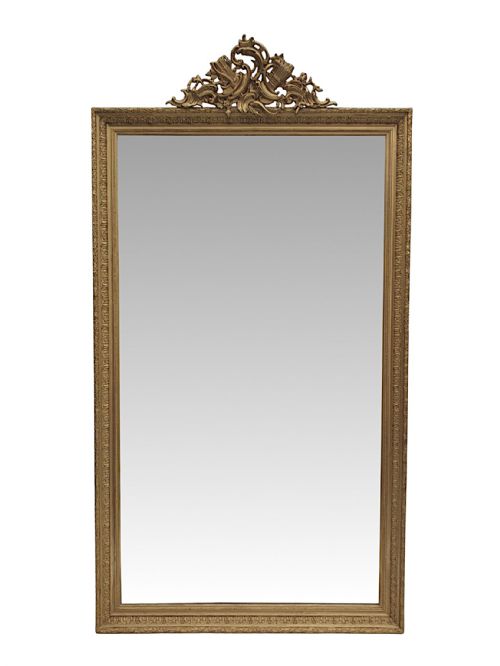
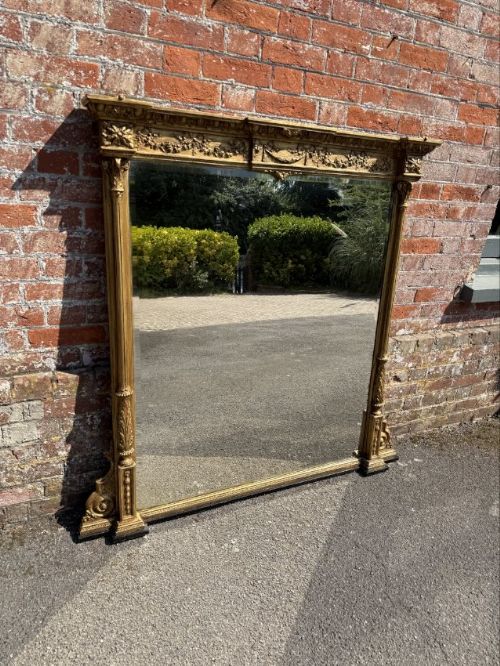

Victorian Gesso Frame Mirror
A victorian gesso frame mirror brings nineteenth-century architectural scale and gilt reflection into a room.
Victorian Gesso Frame Mirror
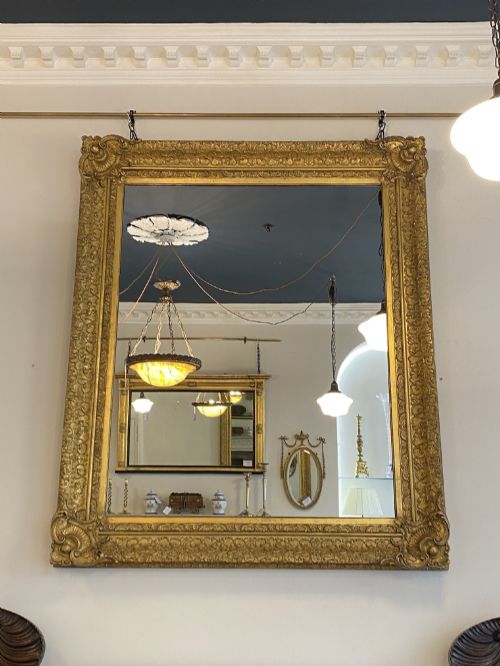
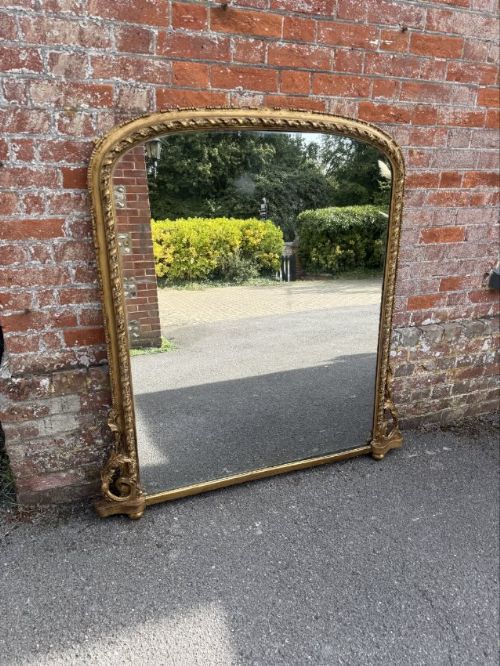
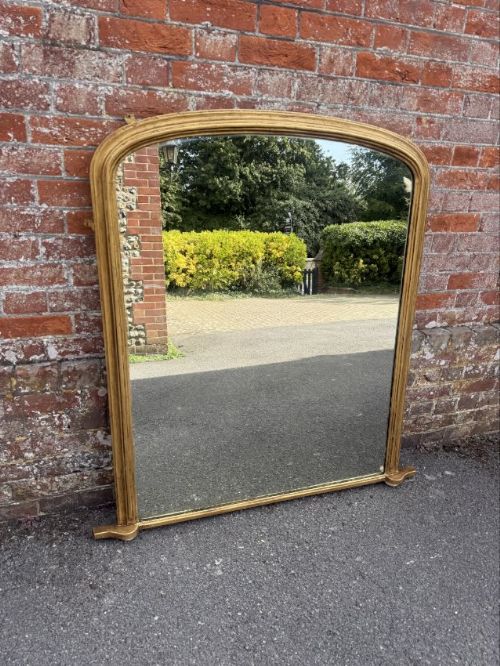
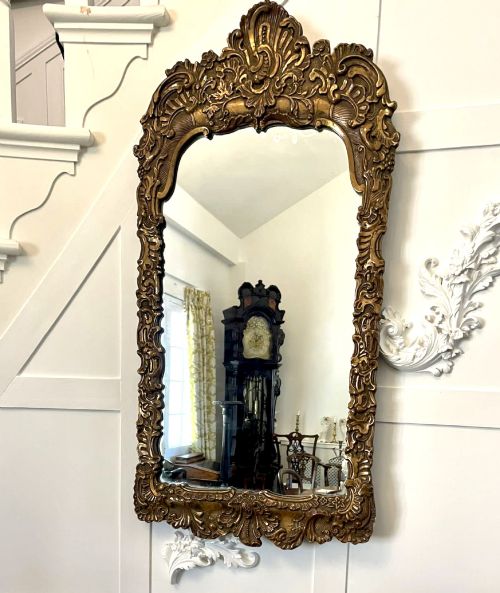
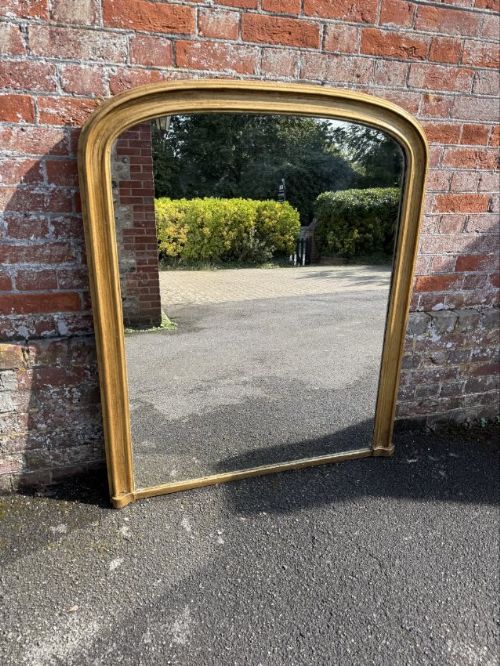
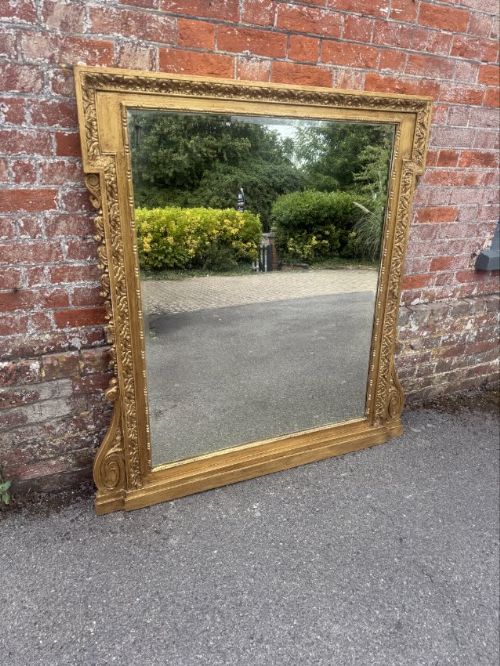
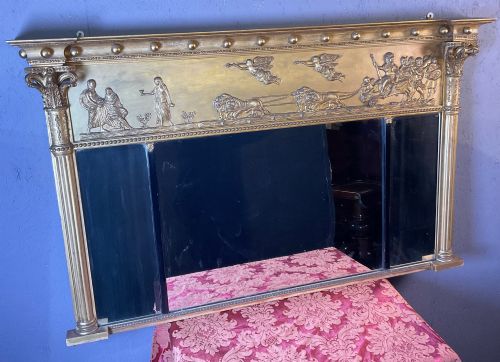
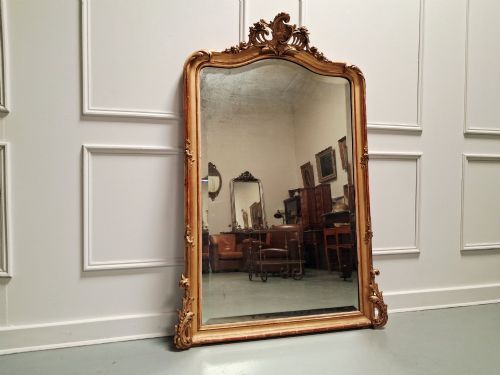
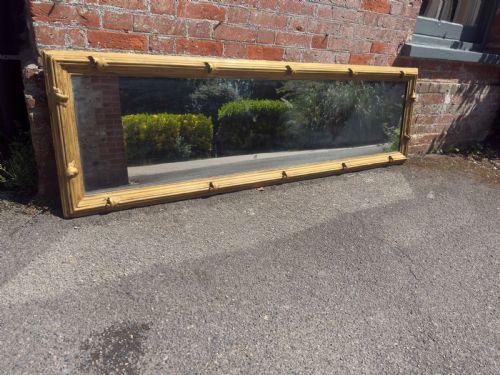
A victorian gesso frame mirror comprises large overmantel mirrors, wall mirrors, and dressing mirrors originating from the nineteenth century. These objects frequently display arched tops, shaped frames, and ornamental borders designed to command attention above a fireplace or along a principal wall.
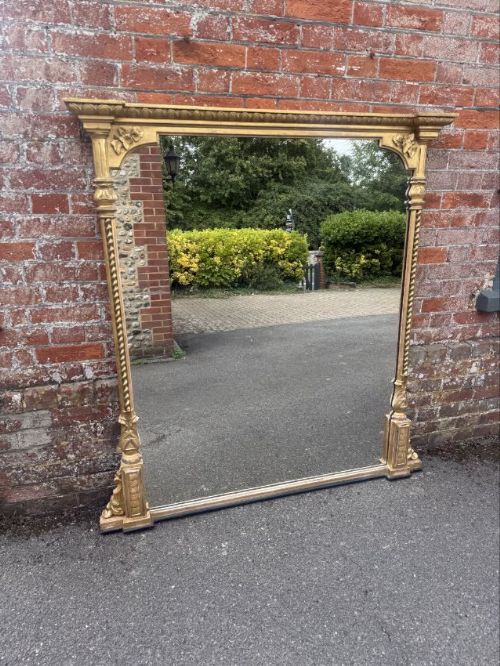
The selection centres heavily on English and French examples dating from the mid to late nineteenth century, spanning decades such as the eighteen-fifties, sixties, and eighties. Overmantel mirrors dominate the forms present, often built to substantial proportions for domestic reception rooms.
Makers and craftsmen applied ornate stylistic revivals to these frames, incorporating rococo flourishes, classical motifs, and architectural columns. Buyers encounter variations ranging from restrained rectangular profiles to heavily decorated arched compositions.
How they were made
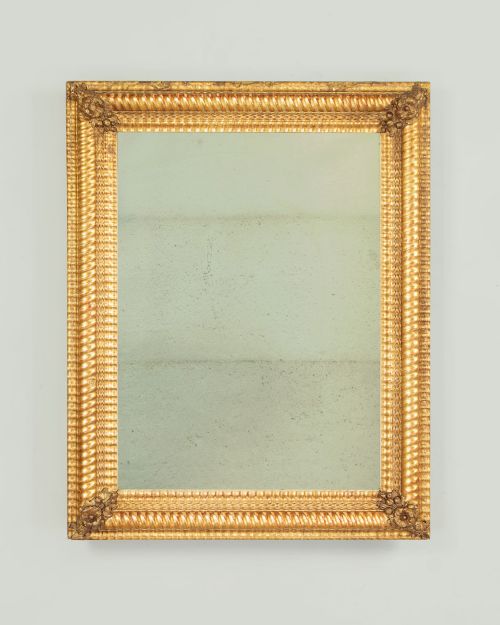
Artisans constructed the underlying foundation from carved wood, utilising timber frames to support the heavy weight of the glass and applied ornamentation. Over this wooden base, workers built up layers of gesso, a plaster-like mixture that allowed for deep, intricate moulding of surface details such as rope twists, laurel leaves, and flower rosettes.
The finished gesso and wood surfaces received applications of gold leaf, giltwood, or paint to achieve a brilliant metallic sheen. Mirror glass was then fitted securely into the rebate, completing the reflective assembly typical of the period.
Certain frames incorporate tiny patera flower rosettes that reward close inspection with miniature botanical precision.
What varies in quality
The depth and crispness of the carved gesso ornamentation separate standard examples from exceptional pieces, as skilled modellers achieved sharper relief in motifs like acanthus leaves and rope twists. The integrity of the underlying carved wood structure dictates the durability and overall weight distribution of the larger overmantel formats.
The application of gold leaf versus painted finishes alters the tactile and visual richness of the surface over time. Original mirror glass retains distinct optical characteristics compared to replacement plates, influencing the historic character of the piece.
The Victorian Gesso Frame Mirror Glossary
- Gesso
- A plaster mixture applied to a wooden substrate to create a smooth surface for carving and gilding. This material allows for intricate low-relief ornamentation.
- Giltwood
- Timber that has been coated with gold leaf or a gold-coloured metallic finish. It provides the characteristic bright reflectivity seen on period frames.
- Overmantel Mirror
- A large mirror specifically proportioned to hang on the wall directly above a fireplace mantelpiece. These pieces often feature wide arched tops.
- Girandole
- A decorative wall mirror fitted with attached candle sconces or arms. They combine reflective glass with functional lighting provisions.
- Rope Twist
- A carved rope-like moulding pattern running along the border of the frame. It adds texture and movement to the perimeter of the glass.
Victorian Gesso Frame Mirror: Frequently Asked Questions
Where should an overmantel mirror be hung?
These large mirrors traditionally sit directly above a fireplace mantelpiece, anchored securely to the wall to support their substantial weight.
They also function effectively along principal living room walls to amplify natural light and increase perceived room scale.
How do I identify a gesso frame?
Gesso appears as a thick, smooth layer over a carved wooden base, forming detailed three-dimensional ornamentation like leaves and scrolls.
Running your fingers along the decorative mouldings reveals the distinct plaster composition beneath the gold leaf or paint finish.
What is the difference between a pier mirror and an overmantel mirror?
Pier mirrors were originally built to hang on the narrow wall space between two windows, often matching narrow architectural proportions.
Overmantel mirrors are wider and heavier, specifically scaled to span the horizontal width of a fireplace surround.
How should I clean a gilt gesso mirror?
Dust the carved frame gently with a soft dry brush to protect the delicate gesso and gold leaf surface from abrasion.
Clean the mirror glass using a minimal amount of glass cleaner applied to a cloth rather than sprayed directly onto the frame.