
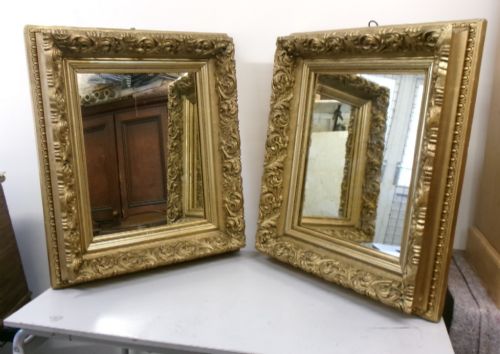
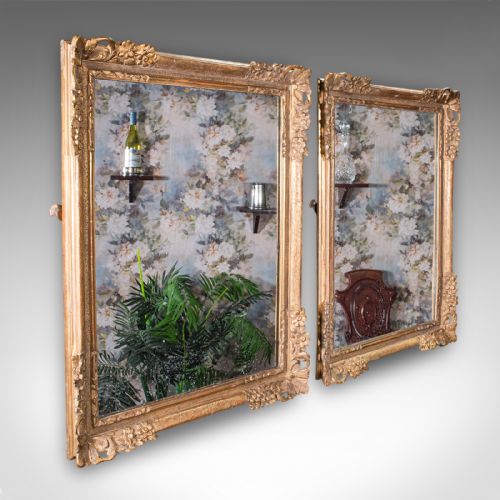
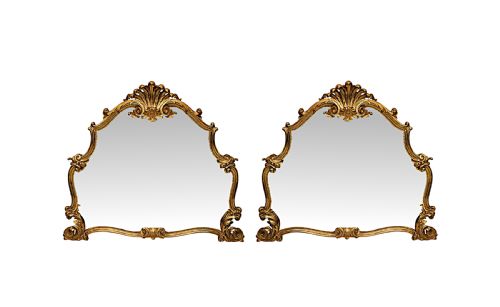
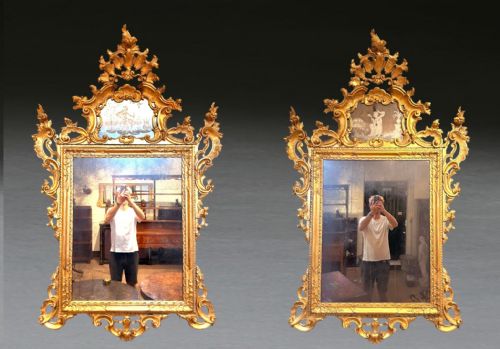
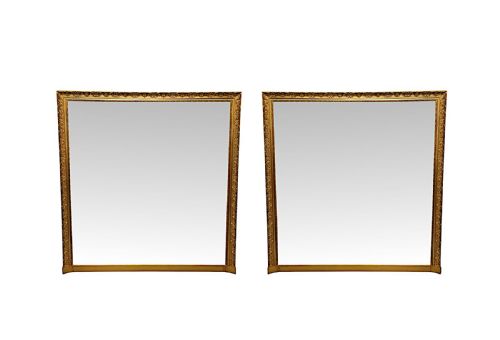
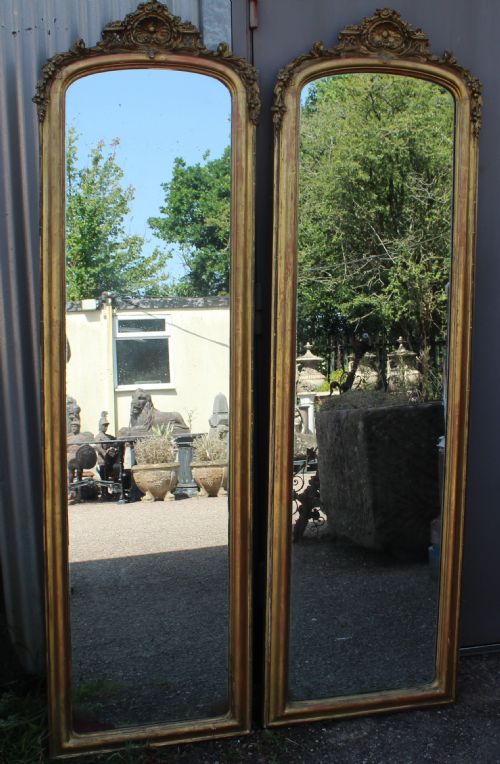
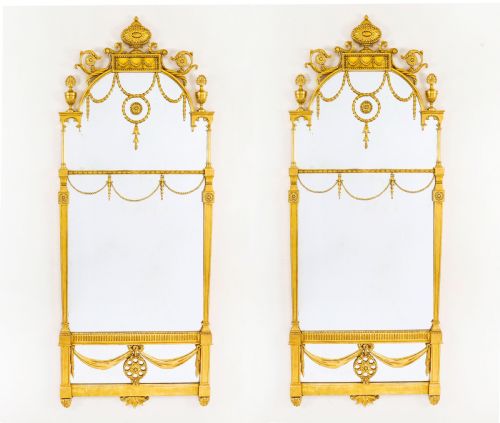
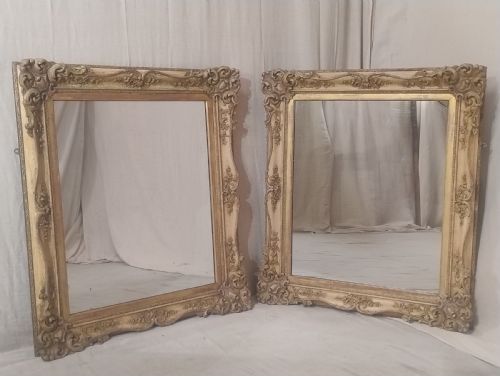
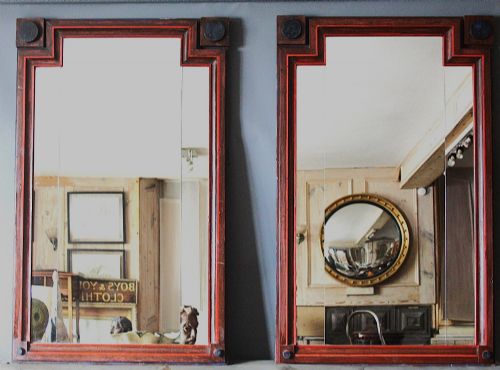
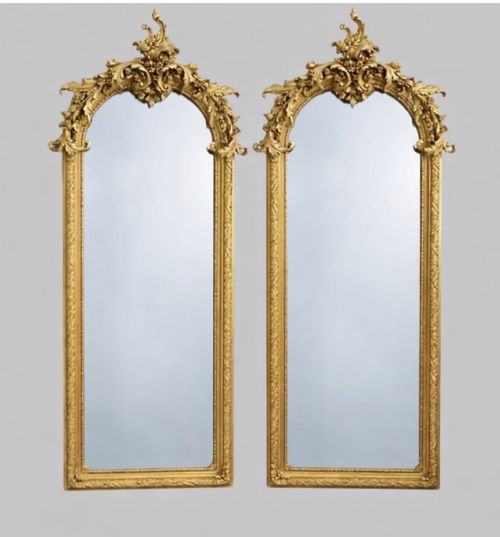

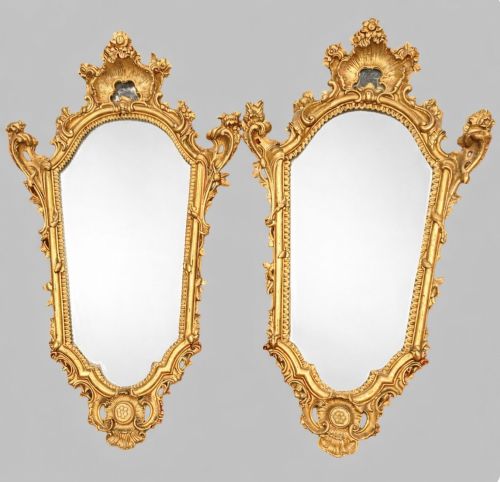


Pair of Overmantel Mirrors
A pair of overmantel mirrors offers symmetrical brilliance above a fireplace, anchoring a room with dual reflections and historic grandeur.
Pair of Overmantel Mirrors
A pair of overmantel mirrors consists of matching reflective wall pieces designed to sit above fireplace mantelpieces or serve as grand pier glasses between windows. These twin decorative items deliver balanced elegance across nineteenth-century and early twentieth-century interior schemes.
The selections encountered on this page encompass various historical periods including Regency, Victorian, and Edwardian eras. Pieces often arrive in substantial dimensions, featuring ornate architectural detailing suited to principal reception rooms.
Materials and construction methods
Frames rely principally upon carved wood, gesso, and composition applied over a sturdy wooden substrate to create high-relief ornamentation. Artisans then finished these surfaces using gold leaf or parcel gilt techniques to achieve a brilliant metallic sheen.
Reflective surfaces utilise traditional mirror glass, occasionally divided into triple plate configurations or paired with heavy wooden frames. Plaster and glass elements combine to produce durable yet ornate architectural furnishings.
Listings feature items spanning the nineteenth century, Regency period, Victorian era, and early twentieth century, constructed from giltwood, glass, and gesso.
Factors determining quality
The distinction between standard examples and superior pieces rests upon the crispness of the carved details and the purity of the gilding. Deeper relief work in the wood and gesso indicates a higher standard of artisan craftsmanship.
Originality of the glass and structural integrity of the heavy wooden frames dictate the overall integrity of the piece. Well-preserved surfaces retain their original gold leaf without excessive restoration.
The Pair of Overmantel Mirrors Glossary
- Pier glass
- A tall mirror intended to be hung on the pier of wall space situated between two windows. They often share dimensions and decorative schemes with overmantel counterparts.
- Giltwood
- Timber that has been coated with a thin layer of gold leaf or gold paint. This finish creates a luminous decorative surface characteristic of formal period furnishings.
- Gesso
- A plaster-like mixture applied to wood frames as a base for moulding and gilding. Artisans carved intricate decorative motifs directly into this dried substance.
- Composition
- A moulded mixture of whiting, resin, and oil pressed into ornamental shapes for frames. It provided a faster alternative to hand-carving while maintaining intricate detail.
Pair of Overmantel Mirrors: Frequently Asked Questions
Where should I hang these mirrors?
These pieces traditionally occupy the wall space directly above a fireplace mantelpiece to reflect light and expand the visual proportions of a room. Alternatively, placing them between tall windows creates a balanced architectural effect.
Ensuring secure wall fixings is essential given the substantial weight of these heavy wooden and glass frames. Professional installation guarantees safe placement at the correct viewing height.
How do I clean giltwood frames?
Dusting gently with a soft, dry ostrich feather duster prevents the accumulation of dirt without disturbing fragile surface gilding. Avoid using liquid cleaners, moisture, or chemical sprays, which can permanently damage gold leaf and composition mouldings.
Professional restoration specialists should handle significant cleaning or repair work to preserve the historical integrity of the piece. Regular gentle maintenance remains the safest approach for antique surfaces.
Are original mirror plates expected?
Antique mirrors frequently display minor foxing, dark spots, or gentle clouding within the glass plate resulting from age and oxidation. These natural signs of antiquity confirm the authenticity of the vintage materials.
Completely pristine glass on a nineteenth-century frame often indicates a later replacement rather than original manufacture. Many collectors appreciate genuine age imperfections as proof of historical continuity.
How do I identify the style?
Stylistic indicators such as Rococo curves, Adam Revival symmetry, or Empire proportions help determine the design era of the frame. Examining the specific motifs carved into the gesso or wood reveals the prevailing aesthetic of the period.
Comparing construction techniques and frame joinery against known historical periods assists in verifying the manufacturing date. Cataloguing references provide further clarity on regional design variations.