
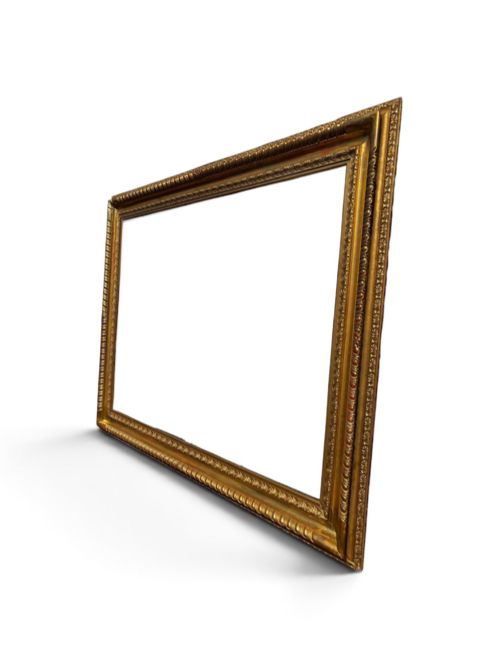
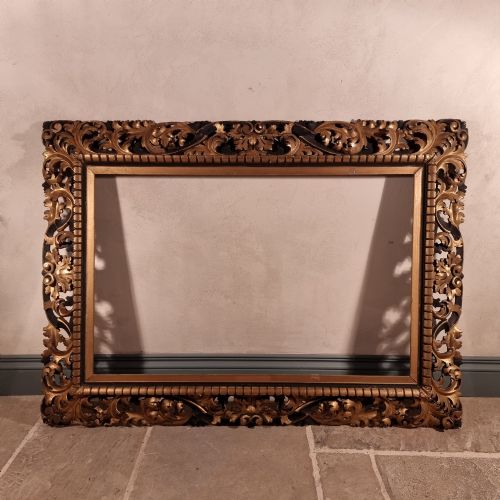
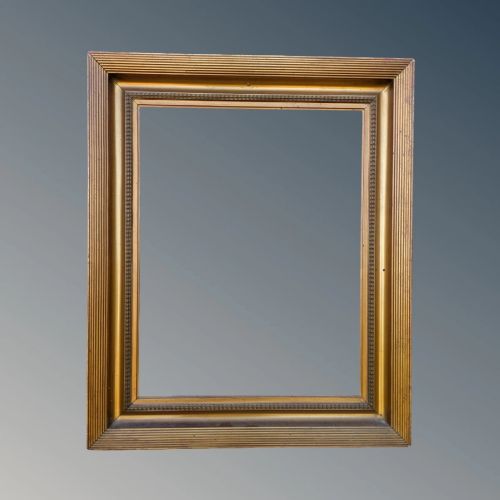

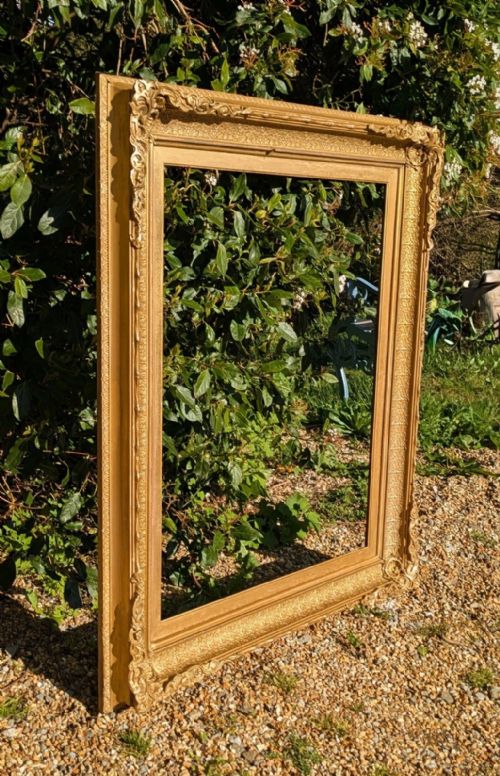

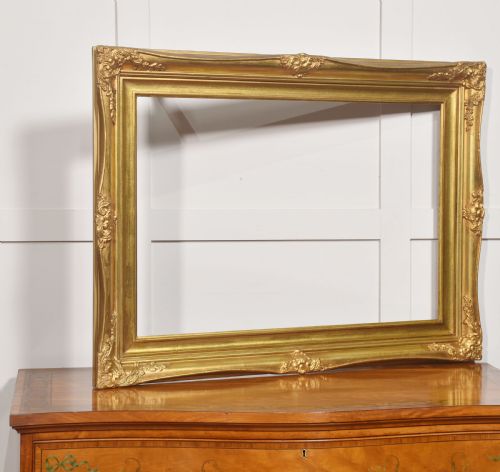
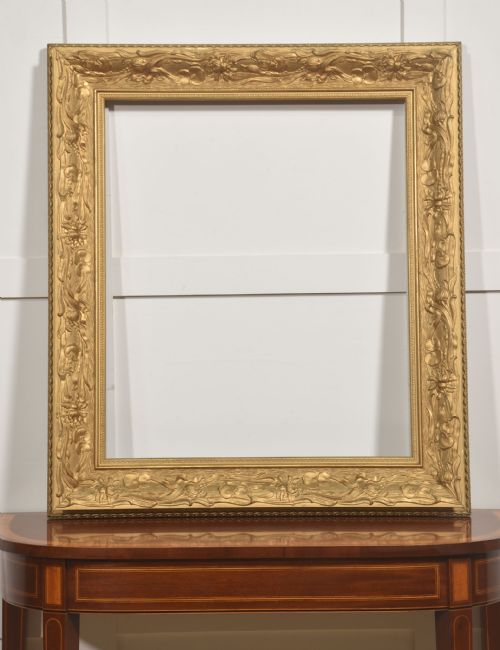


Large Gilded Picture Mirror
These large gilded picture mirror pieces bring striking scale and reflective depth to a room, drawing the eye straight to intricate period frames.
Large Gilded Picture Mirror
A large gilded picture mirror combines expansive reflective glass with ornate framing derived from picture frames, wall mirrors, and dedicated picture mirror forms. When searching for a large gilded picture mirror, buyers encounter numerous nineteenth-century examples alongside eighteenth-century Italian Renaissance cassetta pieces and later twentieth-century interpretations.
The aesthetic vocabulary spans Victorian, Rococo, Florentine, Art Nouveau, and Neoclassical styles, with many items originating as antique paintings or picture frames later adapted with new glass. These objects function primarily as wall mirrors and decorative overmantle centerpieces, offering substantial presence within domestic interiors.
Materials and construction
Construction relies on timber foundations, carved wood, and applied composition ornament, which provide the structural framework for complex ornamentation. Artisans then applied gesso layers to smooth surfaces before finishing them with gold leaf or giltwood coatings.
Mouldings frequently incorporate floral motifs, lions' heads, and elaborate scrollwork characteristic of Rococo and Florentine tastes. Glass components range from original antique panes to replacement mirror glass fitted inside the historic frames.
Several frames watch over the room with watchful carved lions' heads peering out from the gesso corners.
Distinctions in quality
Quality separates through the crispness of the hand-carved wooden details and the depth of the applied gesso and gold leaf finishes, which contrast against simpler composition mouldings. Superior examples demonstrate refined proportions in styles such as the Cassetta or Rococo taste, maintaining structural integrity across substantial dimensions.
The preservation of the original gilded surface and the subtlety of decorative elements like floral carvings or lions' heads distinguish finer pieces. Lesser versions rely on heavier, uniform cast ornamentation with flat gilding that lacks the nuanced reflection of light seen on genuine period items.
The Large Gilded Picture Mirror Glossary
- Giltwood
- Wood that has been coated with gold leaf or gold paint. This technique creates a luminous surface that catches ambient light in a room.
- Gesso
- A plaster-like mixture applied to wooden frames as a base for gilding. It allows artisans to carve intricate relief decorations before applying gold leaf.
- Composition
- A moulded mixture of whiting, resin, and oil pressed into shape. Makers utilised this material to produce repeating decorative ornaments on frames more quickly than hand carving.
Large Gilded Picture Mirror: Frequently Asked Questions
How do I hang a heavy mirror?
Large mirrors require secure wall fixings distributed across the timber frame to support the substantial combined weight of the wood, gesso, and glass. Professional installation into masonry or reinforced studwork ensures the piece remains safely positioned.
Positioning the mirror at eye level above a mantelpiece or console table balances the visual weight within the room. Ensure the wall brackets engage directly with the structural supports of the frame rather than decorative surface mouldings.
Are these original mirrors or converted frames?
Many listings combine historic nineteenth-century or eighteenth-century picture frames with new glass to function as mirrors. This conversion practice has a long history, as empty frames or antique paintings frequently found new life as wall mirrors.
Examining the rebate behind the glass reveals whether the piece was originally built as a mirror or adapted from a picture frame. Both origins hold established place within the antiques market, provided the framing retains its period character.
How do I clean gilded surfaces?
Dust gilded wood gently with a soft, dry brush to prevent accumulation in the recesses of the gesso carvings. Avoid applying water or chemical cleaning solutions, which can lift the delicate gold leaf or composition ornament.
Glass panels require standard glass cleaner applied to a cloth rather than sprayed directly onto the frame. Keeping moisture away from the historic gilt surface preserves the integrity of the finish.
What styles are available?
The selection includes Victorian, Rococo, Florentine, Art Nouveau, and Italian Renaissance styles. Each style brings distinct decorative elements, from floral swags and lions' heads to clean Renaissance profiles.
Choosing a style depends on the interior context and the desired level of ornamentation. Victorian and Rococo examples offer dramatic scrollwork, while Cassetta frames provide a more restrained architectural presence.