
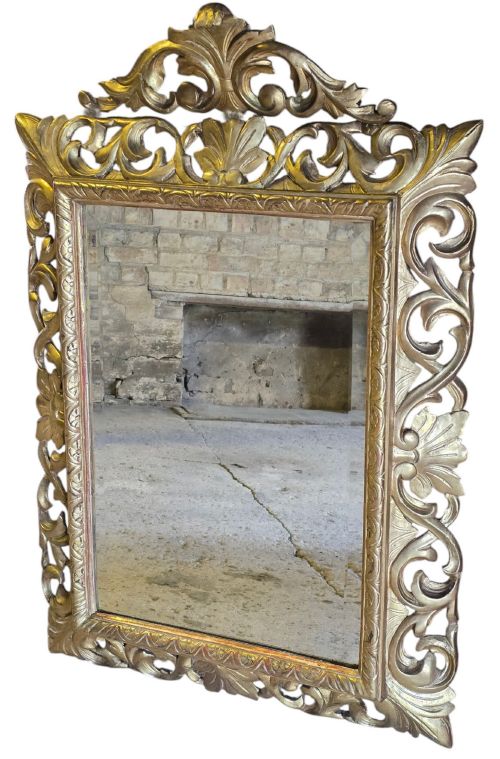
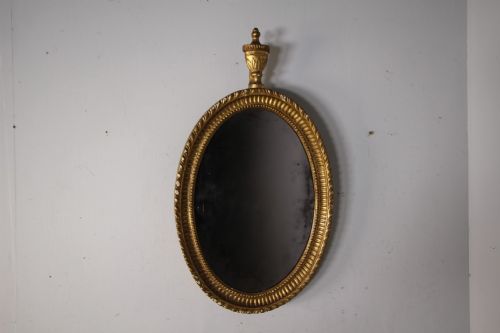
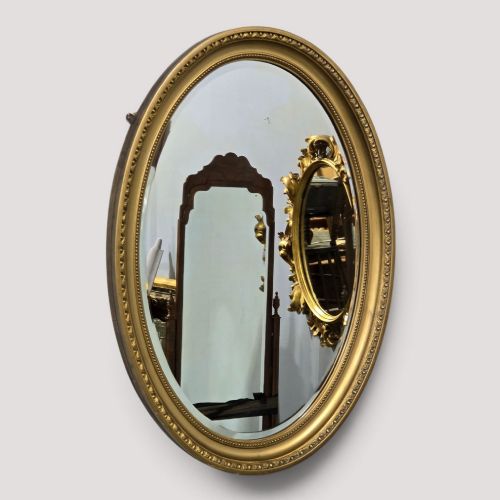
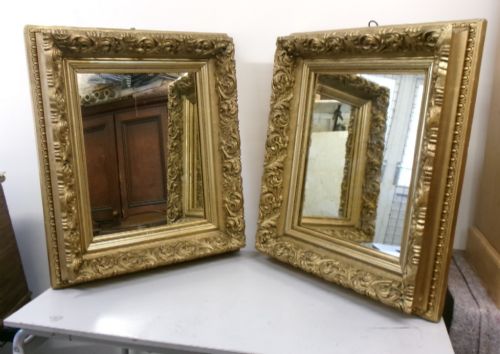

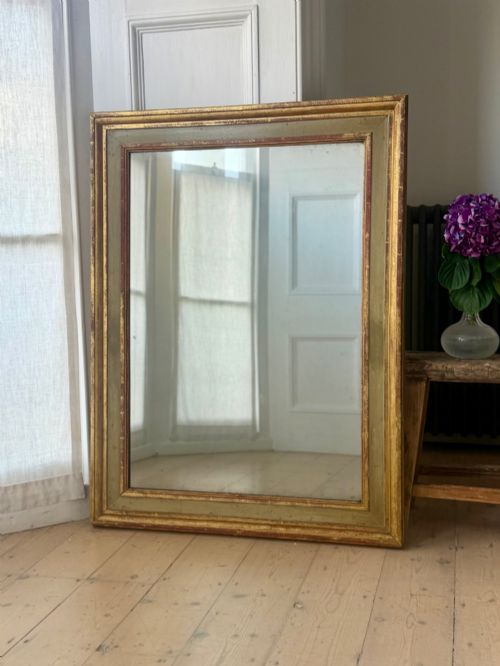
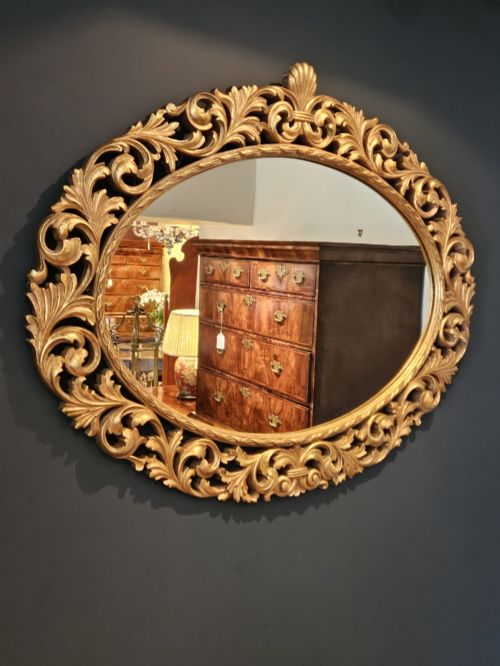
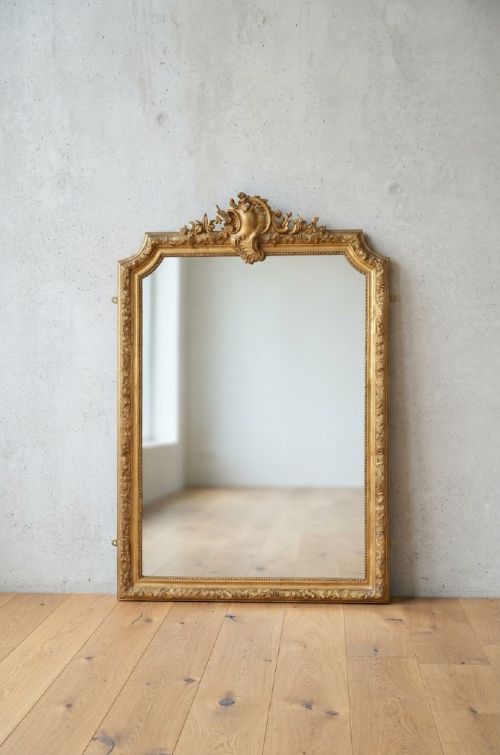
Giltwood Mirror Frame
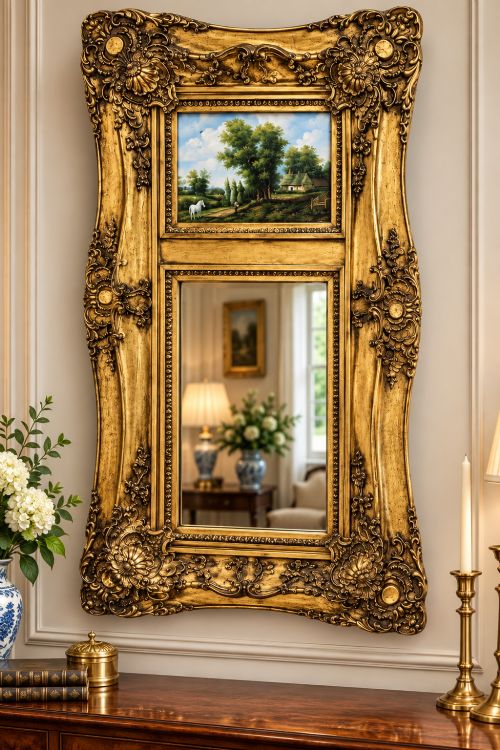
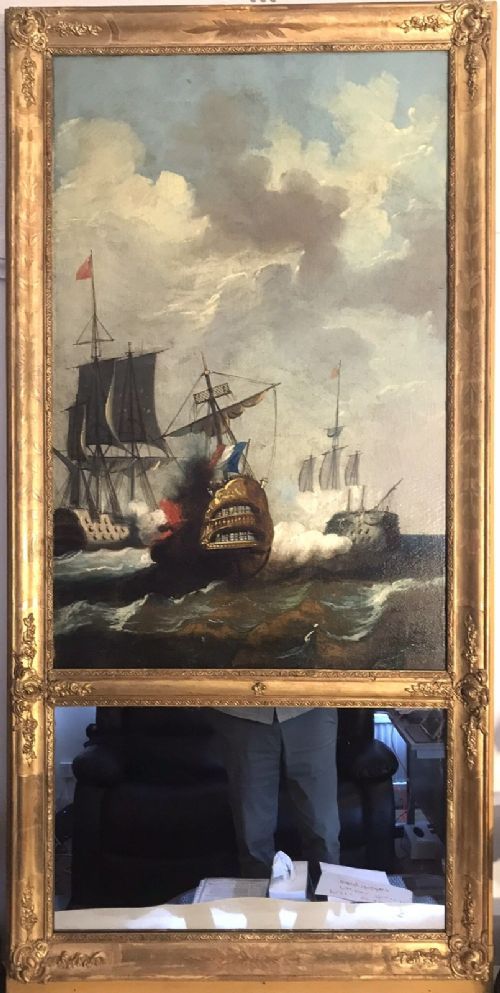
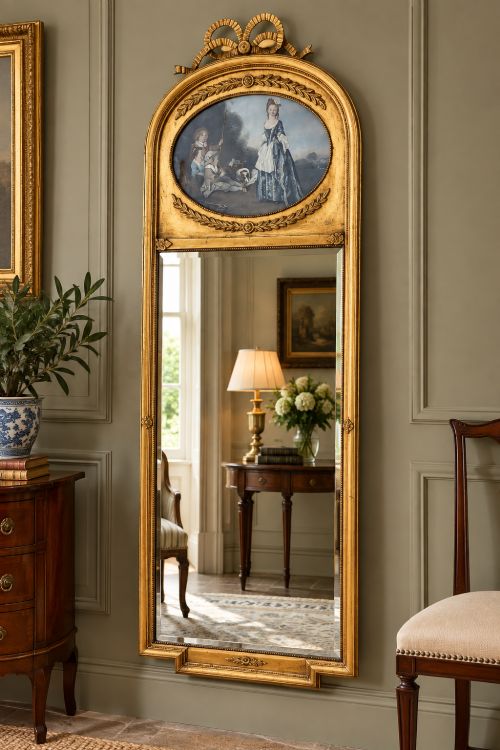
When sourcing a giltwood mirror frame, you look for the carved depth, surface gilding and period proportions that separate standard domestic glass from statement wall decor.
Giltwood Mirror Frame
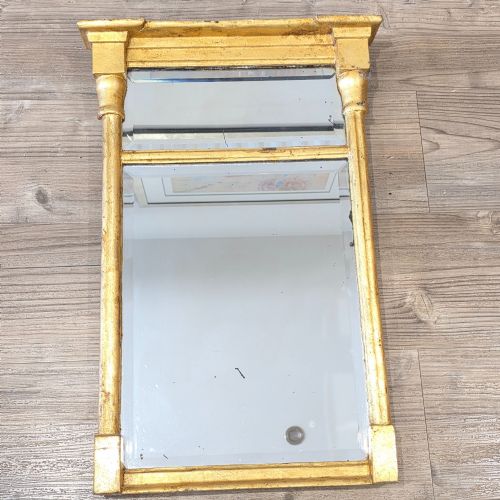
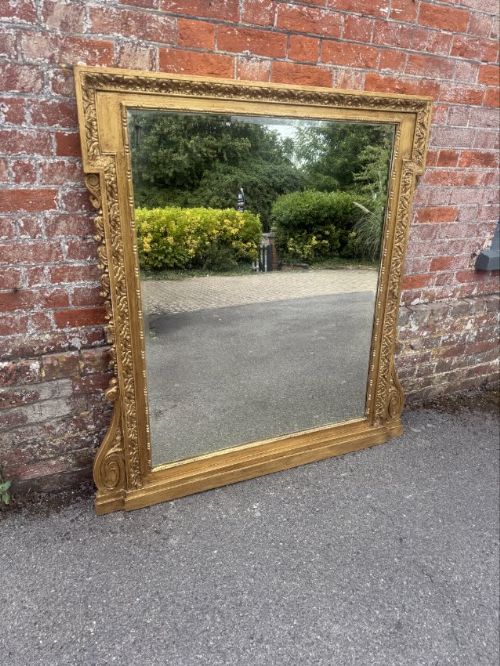
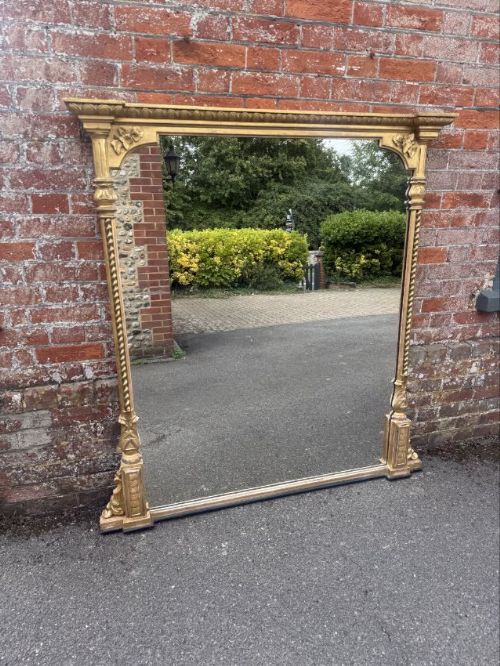
A giltwood mirror frame is a decorative wooden housing for a mirror plate, finished with gold leaf, paint or metallic composition over a prepared surface. These pieces range from compact wall and pier mirrors to large overmantel and leaner formats designed to anchor a principal room.
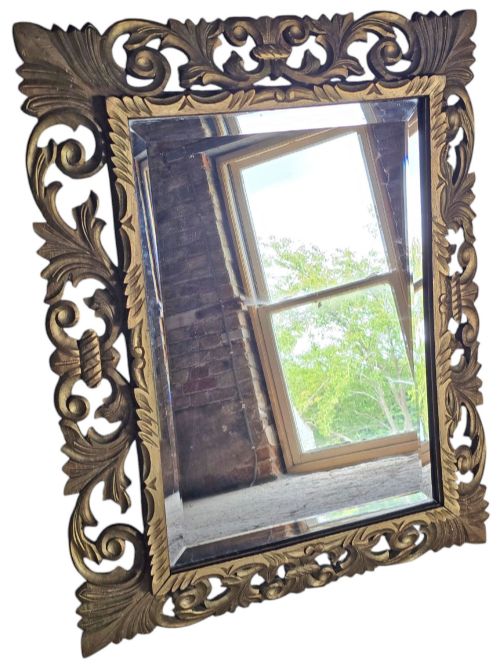
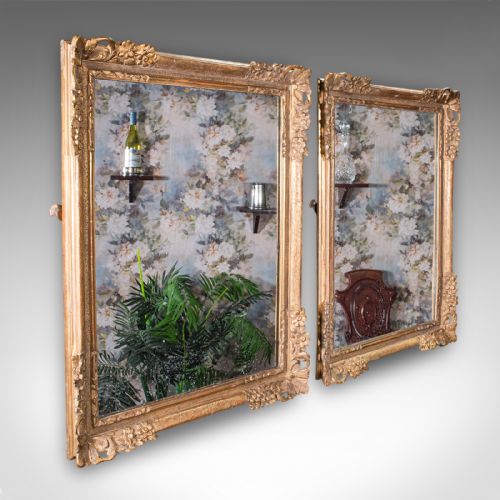
The selections available span eighteenth-century carved English and French designs, nineteenth-century Victorian and Regency productions, and later twentieth-century Florentine interpretations. Overmantel mirrors and wall mirrors dominate the forms, frequently appearing with ornate acanthus leaf decoration, rope twist mouldings, or classical architectural motifs.
Origin and period dictate the structural character, with English and French workshops producing distinct carving styles alongside Italian Florentine girandoles and pier mirrors. Buyers encounter rectangular landscape formats, grand vertical proportions, and oval or circular frames housing original or mercury glass plates.
How They Were Made
Craftsmen built the structural carcase from timber such as pine, oak or walnut, often carving complex ornamentation directly into the wood. Relief details like floral garlands and acanthus scrolls were frequently modelled in gesso or plaster applied over the wooden substrate to hold sharp, crisp lines.
Finishing relied on the application of gold leaf or silver-gilt laid over a coloured bole, or through the use of composition ornament applied to the wooden frame before gilding. Early examples often incorporate mercury glass plates, while nineteenth-century and later pieces utilise standard bevelled mirror glass secured within the rebate.
The inventory records regional styles spanning English, French, and Italian Florentine workshops.
What Varies In Quality
Depth and clarity of the hand-carving distinguish superior examples from mass-produced Victorian or later castings. Frames where the botanical or mythological motifs are undercut and sharply defined show a higher standard of craftsmanship than those reliant on thick gesso build-up.
The integrity of the surface finish defines visual success, where original gold leaf weathering naturally over centuries differs markedly from flat modern metallic paints. Retention of original mirror plates, particularly foxed mercury glass or blue glass borders, preserves the authenticity and historical integrity of the piece.
The Giltwood Mirror Frame Glossary
- Giltwood
- Timber that has been coated with gold leaf or gold powder. This surface treatment provides the characteristic warm metallic sheen found on antique frames.
- Gesso
- A plaster-like mixture applied to wood frames to create a smooth surface for carving or gilding. It allows intricate relief details to be moulded before finishing.
- Mercury glass
- A double-walled glass blown piece with a silvering mixture poured inside through a pontil hole. Early mirrors often utilise this material, producing a characteristic mottled foxing over time.
- Pier mirror
- A tall, narrow mirror designed to hang on the wall space between windows. These pieces often feature candle sconces or girandole arms.
- Overmantel mirror
- A wide horizontal mirror built to sit directly above a fireplace mantelpiece. They serve as architectural focal points within period reception rooms.
Giltwood Mirror Frame: Frequently Asked Questions
How do I hang a heavy antique overmantel mirror safely?
Large overmantel mirrors carry substantial weight from their timber frames and thick glass plates. Professional wall fixings secured directly into masonry or heavy timber studs are essential for safe support.
Distributing the weight across multiple secure hanging points prevents strain on the original wooden joints and vintage hanging hardware.
Are original mercury glass plates fragile?
Mercury glass plates are robust when left undisturbed within their frames, though the silvering behind the glass degrades naturally with age. This chemical breakdown creates the desirable mottled dark spots known as foxing.
Cleaning these delicate surfaces requires mild, non-abrasive solutions applied to a cloth rather than sprayed directly onto the glass, protecting the historic backing.
How do I distinguish Regency frames from Victorian ones?
Regency frames lean towards classical restraint, often incorporating ebonised details, convex circular plates, and architectural column supports. Victorian examples tend towards heavier, highly ornate ornamentation featuring deep acanthus leaves and elaborate gesso mouldings.
Examining the underlying construction methods and joinery behind the gilt surface helps clarify the period of manufacture.
Can I place a giltwood mirror in a bathroom?
Fluctuating humidity and moisture in bathrooms pose significant risks to historic gesso and water-gilded wooden surfaces. Damp environments cause the underlying plaster to soften and the gold leaf to lift from the wood.
Dry interior spaces with stable ambient temperatures remain the best environment for preserving antique giltwood frames.