

Gilt Decorative Mirror
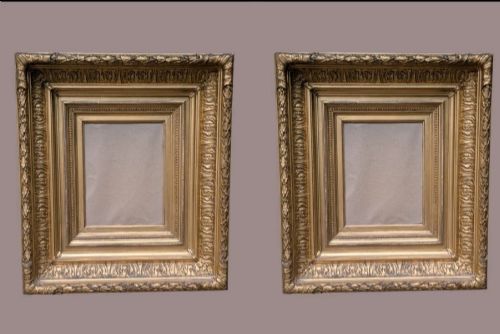
These gilt decorative mirror examples bring warmth and reflection to a room, sourced from the nineteenth century onward in various regional styles.
What a gilt decorative mirror is
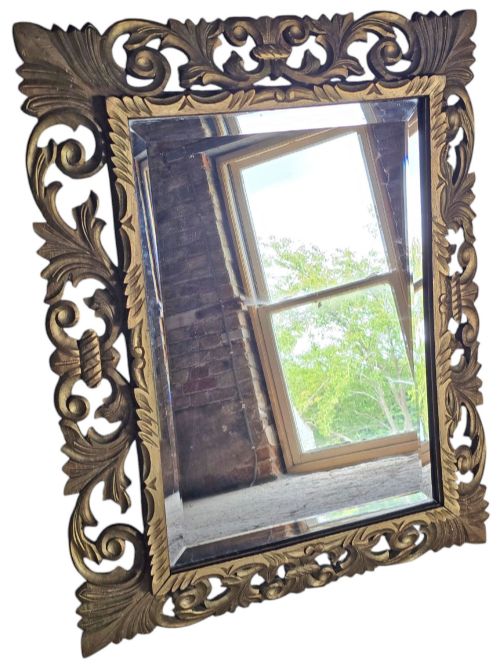
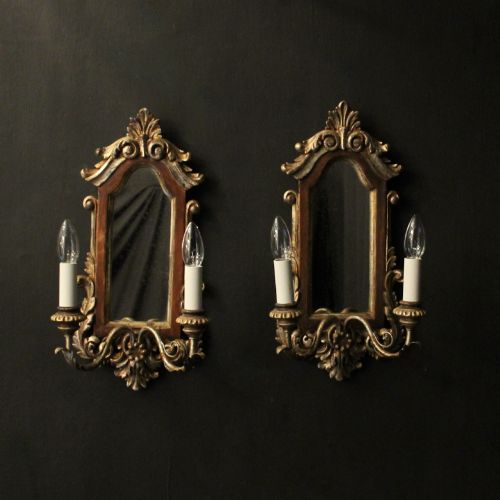
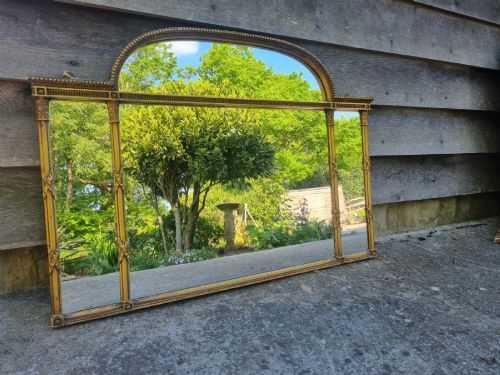
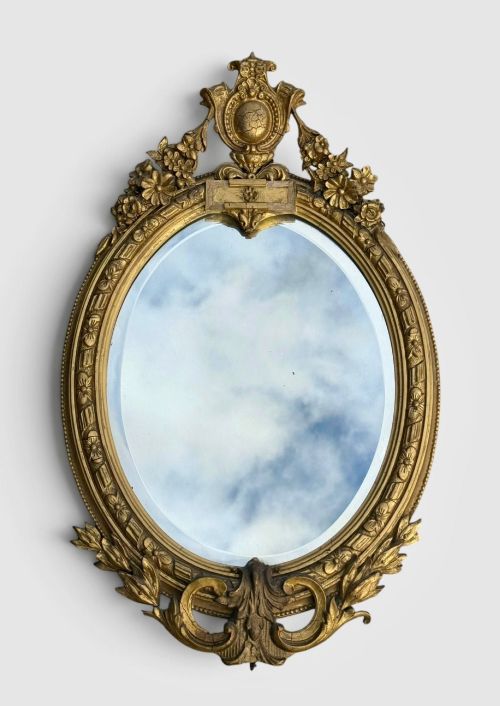
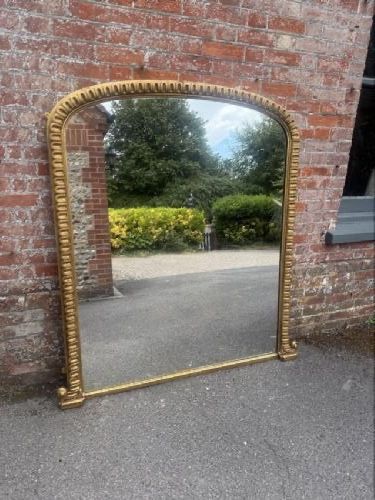
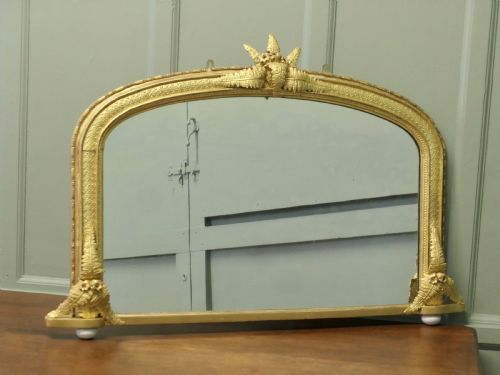
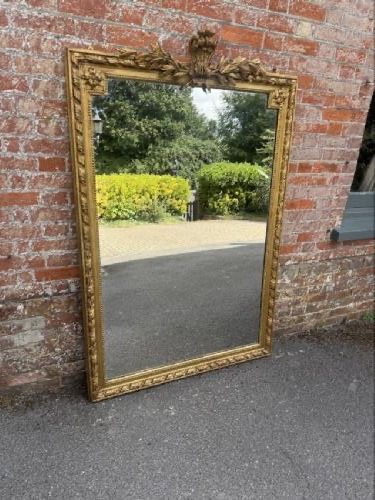
A gilt decorative mirror serves both a practical reflective purpose and a strong visual role within a room. When exploring this selection, buyers frequently encounter large nineteenth century overmantel mirrors alongside smaller wall mounted and pier formats.
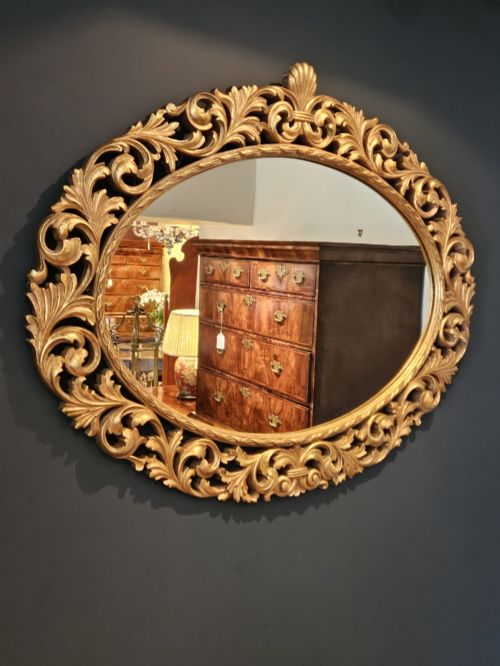
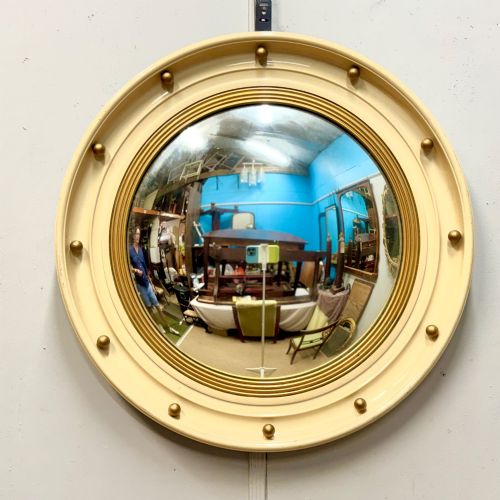
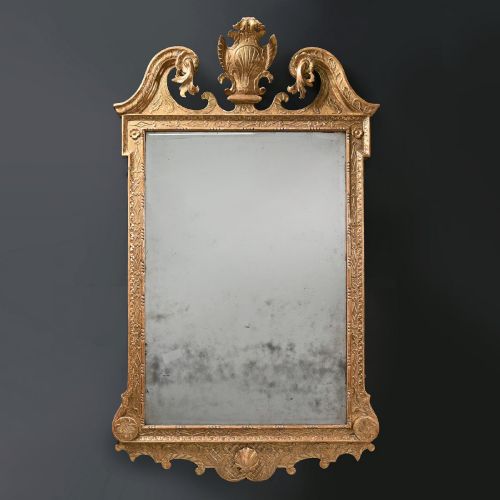
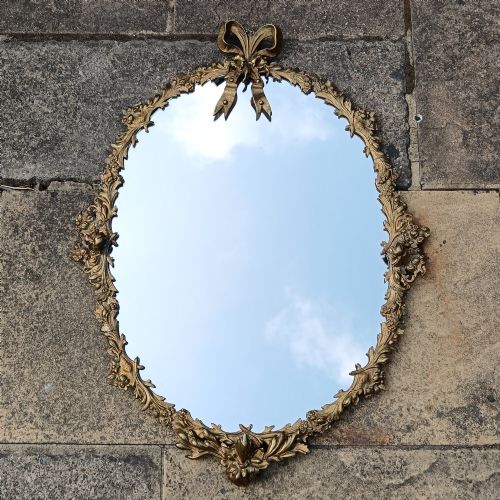
The objects span several distinct design movements, including Regency, Victorian, and early twentieth century interpretations. Common configurations range from substantial rectangular overmantles to circular convex glasses and oval frames.
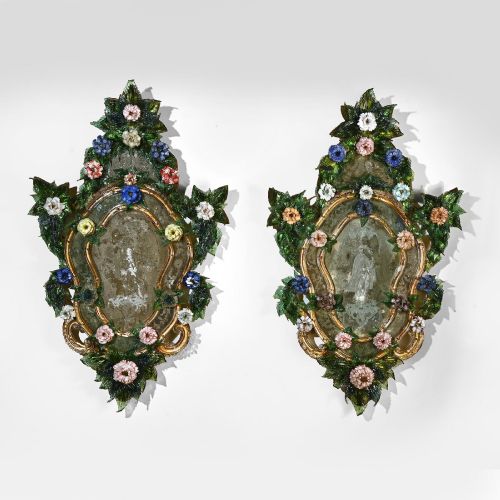
Origin points vary across English, French, and Italian workshops, each bringing distinct regional proportions and ornamentation to the finished frame. Pieces frequently incorporate architectural details such as column frames, ebonised sections, or carved crests.
How they were made
Frames rely on timber foundations such as wood, mahogany, or walnut, which are then shaped and assembled to hold the heavy glass plates. Many surfaces receive an application of gesso, a plaster-like material that allows craftsmen to carve intricate details, floral rosettes, and gadrooned edging.
The golden finish is achieved through gilding techniques, applying thin layers of metal leaf over the prepared substrate. Some examples combine this traditional metallic finish with painted elements, contrasting ebonised wood, or coloured glass borders.
Retail Price Guide 2026
Typical UK retail prices for gilt decorative mirror, calculated from the Sellingantiques database of over a million retail prices indexed since 2003. This retail price guide relies exclusively on Sellingantiques data; no external sources or auction records are used, so the figures do not describe the wider market.
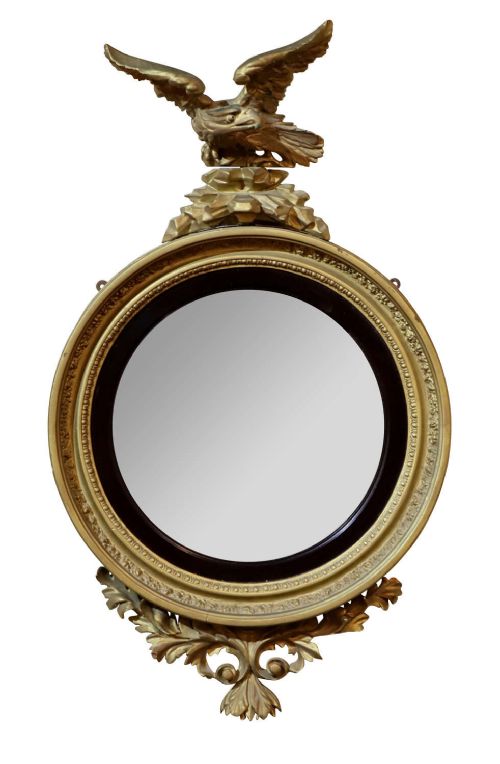
Several mirrors include watchful love birds or perched eagles keeping guard above the glass.
What varies in quality
The depth and crispness of the carved ornamentation separate standard production from finer craftsmanship. Superior examples display sharply defined gesso work on motifs such as eagle mounts, sunbursts, or classical patera without softening of the underlying detail.
The integrity of the original gilt surface and the character of the mirror glass itself heavily influence the overall standard. High quality pieces retain their original surface patination and deep reflective layers, showing consistent application across complex mouldings and recessed areas.
The Gilt Decorative Mirror Glossary
- Giltwood
- Timber that has been decorated with gold leaf or gold paint on its surface. This finish gives the frame its characteristic metallic gleam and warm tone.
- Gesso
- A mixture of binder and chalk used as a preparation layer on wooden frames before gilding. It provides a smooth surface that can be deeply carved with decorative details.
- Overmantel
- A large mirror specifically designed to hang above a fireplace mantelpiece. These pieces often feature wide rectangular or architectural formats.
- Convex mirror
- A circular glass curved outward to provide a wide-angle reflection of the interior space. They frequently feature elaborate frames with eagle crests or ball accents.
- Pier mirror
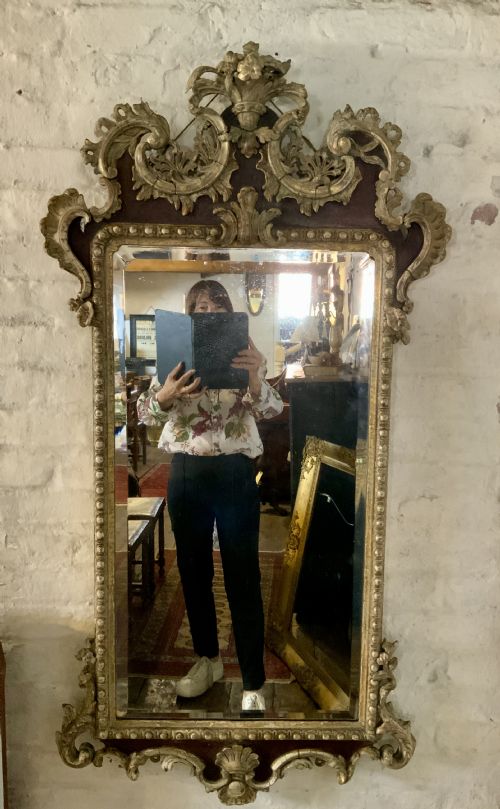
- A tall, narrow mirror traditionally hung on the pier or wall space between windows. They make efficient use of limited wall areas in period rooms.
- Ebonised
- Wood treated to imitate ebony, usually through dark staining or painting. This technique creates a strong contrast against gilt elements.
Frequently Asked Questions
Are convex mirrors meant to be functional?
Convex mirrors provide a wide-angle view of an entire room rather than a detailed personal reflection. Historical interiors utilised them to bounce ambient light into darker corners and monitor activity across the space.
Placed opposite a window, a convex mirror captures and distributes natural daylight effectively. They function primarily as optical focal points within an interior design scheme.
What is a pier mirror used for?
Pier mirrors were originally designed to hang on the narrow wall space between two windows in formal reception rooms. Their tall and slender proportions maximised reflected light in high-ceilinged spaces.
In modern homes, they work well in narrow hallways, entryways, or between pieces of furniture where a wide mirror would not fit. They add vertical height and light to compact areas.
How can I tell a Regency mirror from a Victorian one?
Regency mirrors often display classical motifs inspired by ancient Rome and Greece, such as convex forms with eagle crests and bold architectural lines. The proportions tend to emphasise restraint alongside dramatic focal points like balls or urns.
Victorian pieces frequently introduce heavier ornamentation, gothic influences, or more elaborate floral and leaf carvings in the gesso. Examining the joinery, backboards, and mounting hardware helps confirm the specific nineteenth century period.