

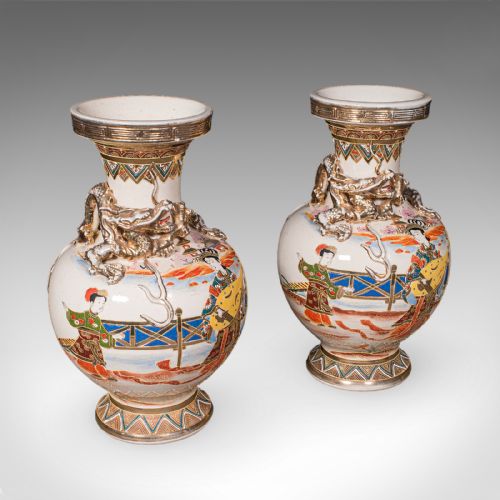


Gilt Decorated Ceramic Vase
A gilt decorated ceramic vase brings rich metallic shine and hand-painted detail into a room, drawing the eye instantly.
Gilt Decorated Ceramic Vase
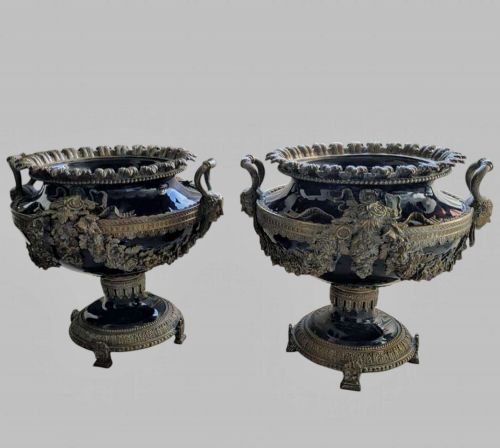
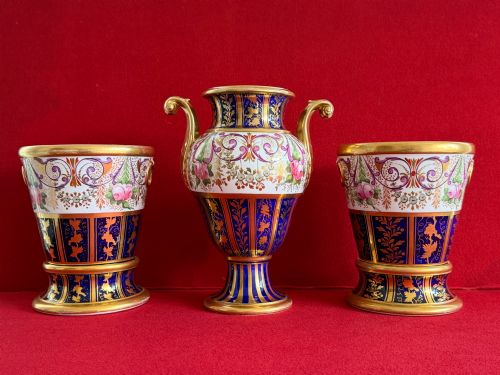
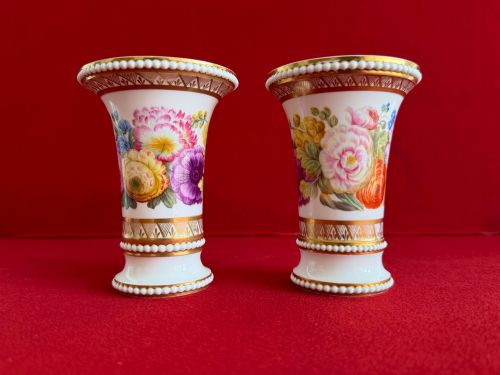
When you search for a gilt decorated ceramic vase, you encounter ornate vessels spanning the Victorian, Edwardian, and Art Deco periods, alongside Japanese Meiji output. These pieces include baluster vases, ewers, urns, and garnitures created for display.
The English factories and continental houses represented here use bone china, earthenware, and porcelain as foundations for elaborate painting and gilding. Japanese Satsuma ceramics form a major part of this group, featuring intricate moriage work and figural scenes.
You are most likely to meet nineteenth-century English porcelain from makers like Royal Worcester, alongside Japanese earthenware from the Meiji era. These domestic and imported forms show how widely gilt decoration was applied across international ceramic traditions.
How they were made
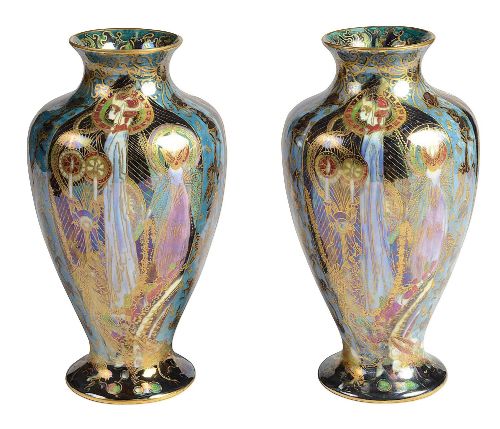
Potters shaped these vessels using bone china, earthenware, and porcelain, applying cobalt grounds, enamel colours, and lustre glazes before firing. Artisans then added gold leaf, gilding, and raised moriage decoration to accentuate the contours of the ceramic body.
Specialised painters executed hand-painted scenes of birds, cattle, sheep, and figures directly onto the glazed surface. Subsequent low-temperature firings fixed the metallic leaf and enamel pigments permanently to the ceramic body.
Gilt Decorated Ceramic Vase Retail Price Guide 2026
Typical asking prices for gilt decorated ceramic vase among the pieces listed under this phrase on Sellingantiques today, from the lower quarter to the upper quarter. They describe what is for sale here now, not the wider market.
Materials recorded across these items include porcelain, bone china, earthenware, enamel, gold leaf, and lustre glaze.
What varies in quality
Quality rests on the precision of the hand-painted brushwork and the thickness of the applied gilding. Pieces featuring named artists and detailed animal or figural scenes stand apart from standard floral production.
The crispness of moulded details and the complexity of the ceramic body, such as bamboo-handle forms or intricate pierced handles, define the upper tier of these objects.
Wedgwood·Minton·Kinkozan·Doulton·Ernst Wahliss·Samson of Paris·Royal Crown Derby·Mason’s Ironstone·Royal Worcester
The Gilt Decorated Ceramic Vase Glossary
- Moriage
- A Japanese ceramic technique using slip to create raised, textured decorative details. This method builds up dots and lines beneath enamel and gilding.
- Baluster
- A vase form with a rounded body that tapers toward a narrow neck and flares at the rim. This shape provides a broad surface for painted panels and gilt borders.
- Garniture
- A set of three or more matching vases designed to be displayed together on a mantelpiece. These matched sets often comprise urns or lidded vases.
- Ewer
- A large jug with a wide spout and looped handle, originally intended for pouring water. Ceramic versions served decorative functions in nineteenth-century interiors.
- Lustre Glaze
- A metallic glaze that creates an iridescent sheen on the surface of the ceramic. This finish reflects light differently depending on the viewing angle.
Gilt Decorated Ceramic Vase: Frequently Asked Questions
How do I clean a gilt decorated ceramic vase?
Dust the surface gently with a soft, dry brush to protect the delicate gold leaf and enamel painting. Avoid liquid cleaners and abrasive cloths, as moisture and friction can wear away the historic gilding.
Keep these vessels out of direct sunlight to prevent the enamel colours from fading over time. Handle them only by the body rather than delicate handles or rims.
What is Satsuma ware?
Satsuma ware is a type of Japanese earthenware originating from Satsuma Province, traditionally featuring a crackled ivory glaze. Artisans decorated these pieces with elaborate hand-painted designs and raised gold motifs.
During the Meiji period, Japanese workshops produced these distinctive vases specifically for Western export markets. They remain recognisable by their dense figural scenes and intricate geometric borders.
How do I date a nineteenth-century vase?
Examine the base for maker marks, registration numbers, or handwritten decorator signatures that indicate the production period. Factory culls and impressed ciphers often provide precise manufacturing years.
Compare the artistic style, such as Aesthetic Movement motifs or Art Nouveau curves, with documented timelines for the pottery. Material composition and glaze types also help narrow down the decade.
Where should I display these vases?
Place them on stable surfaces away from high-traffic areas where they might be accidentally knocked or displaced. Mantelpieces, sideboards, and glass-fronted cabinets offer secure environments for display.
Ensure the spot receives balanced ambient light to highlight the metallic sheen of the gilding without exposing the ceramic to thermal extremes.