
Gilt Bronze Urn Pair
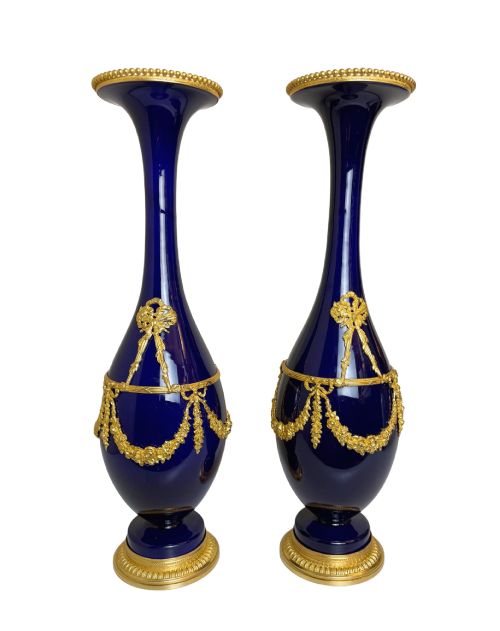
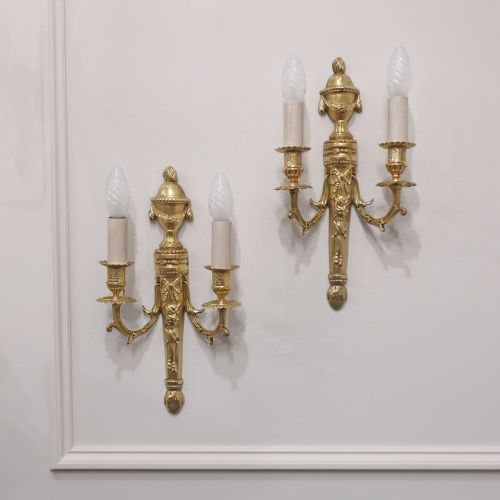
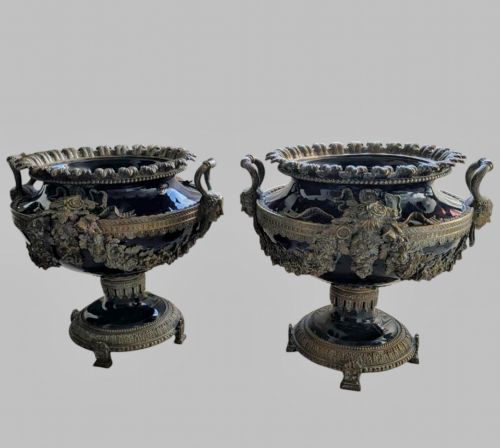
When a search brings up a gilt bronze urn pair, you are looking at dual ornamental metal vessels designed to bring symmetry to a mantelpiece or console table.
Gilt Bronze Urn Pair
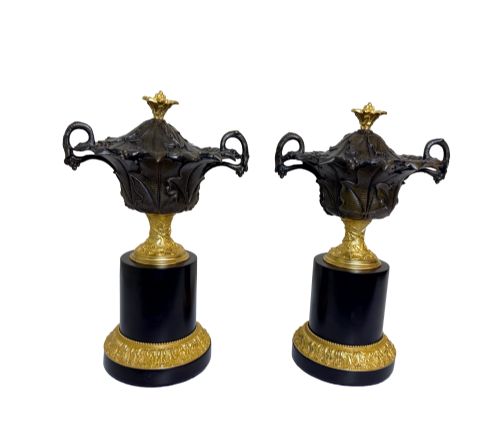
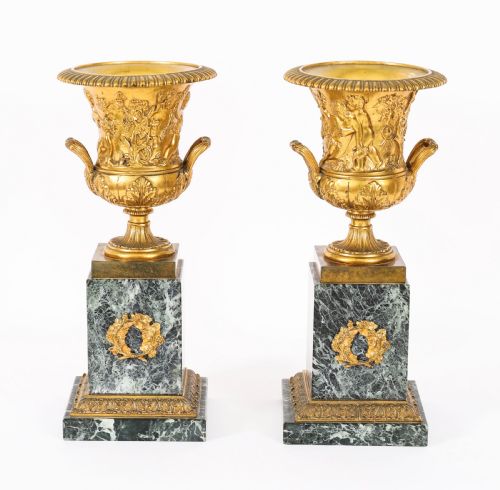
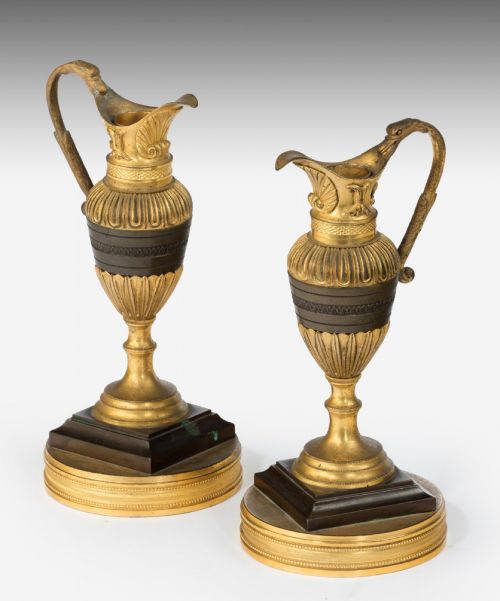
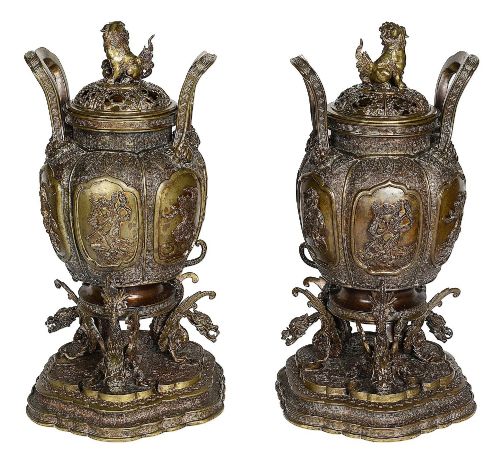
A gilt bronze urn pair search typically reveals decorative matching vessels produced in the nineteenth century, often reflecting French Neoclassical or Louis XVI revival styles. These objects frequently combine cast bronze with contrasting materials such as marble, porcelain, or onyx.
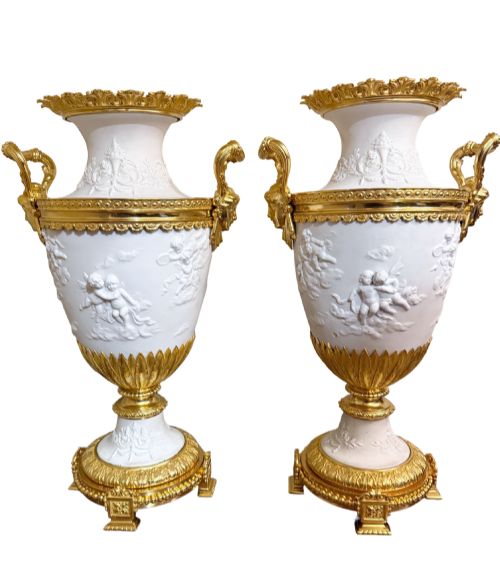
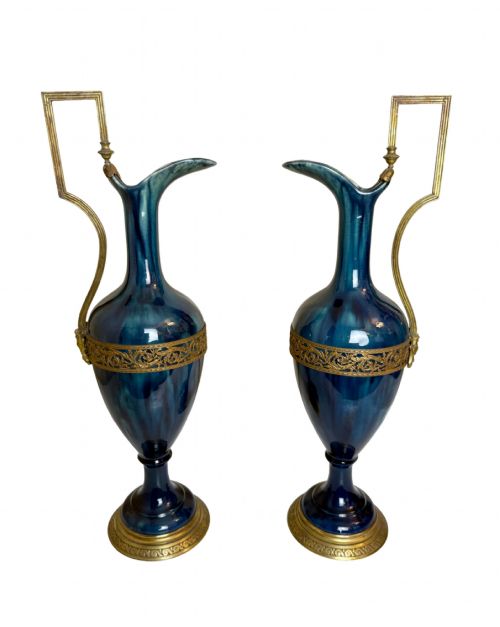
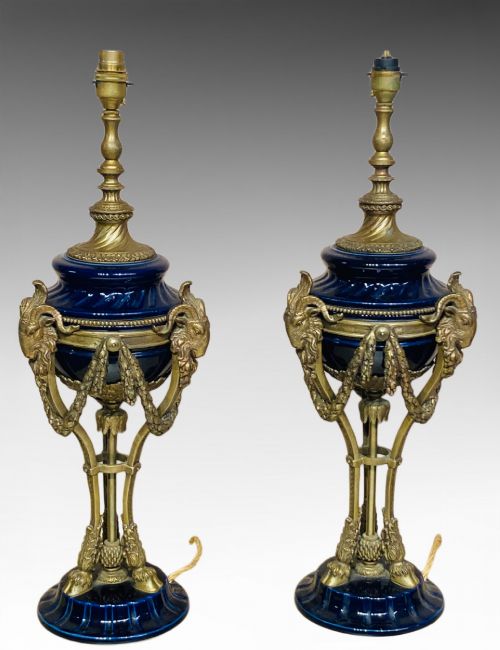
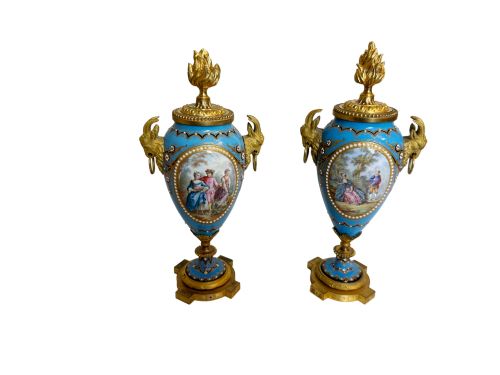
Many examples originate from the Grand Tour tradition, referencing classical antiquity through campana shapes, putti reliefs, and mythological motifs. Other variations incorporate porcelain bodies, including blue or white ceramic sections mounted with gilt bronze trims.
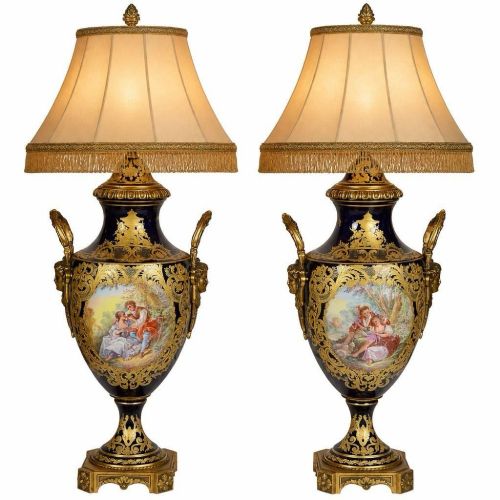
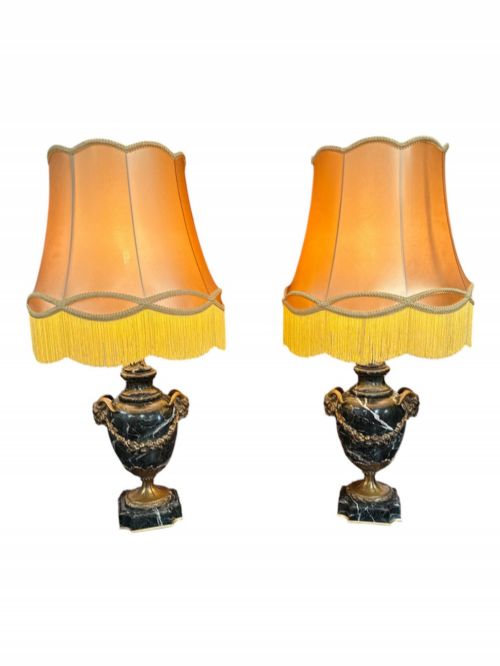
While primarily designed as decorative centrepieces, some examples function as cassolettes with reversible lids, or have been adapted later into table lamps.
Materials and Construction
The fabrication relies heavily on bronze casting combined with mercury gilding or modern electroplating to achieve the distinctive golden surface. This metallic work is frequently paired with turned and polished elements of white or rouge marble, onyx, or glazed porcelain.
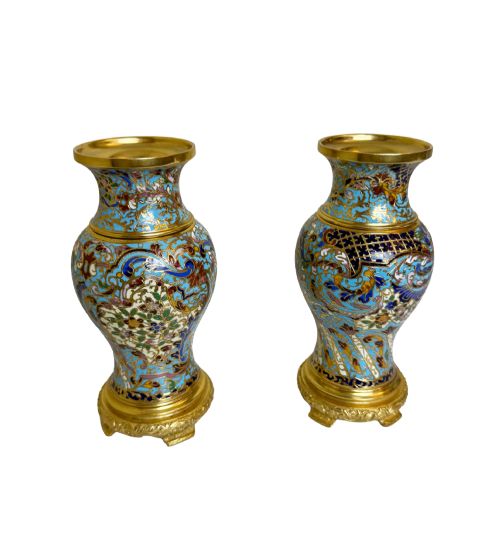
Details such as handles, ram heads, and foliate mounts were cast separately and fastened to the main body with pins or screws. Champlevé enamel work and applied patination provide further textural contrast across the metal surfaces.
Watch for ram head masks and cheerful putti perched on lids, reminding us that nineteenth-century designers took their classical revivals with a dose of theatre.
Assessing the Craftsmanship
Quality rests in the crispness of the chasing and the depth of the metal finishing, where finer pieces retain sharp chisel work on hair, drapery, and acanthus leaves. Heavy gauge bronze and substantial stone bases indicate superior manufacturing standards compared to lighter, hollow castings.
The integration of the mounts reveals the maker's skill, with high-end examples showing seamless alignment between the metal borders and the ceramic or marble bodies beneath them.
Casier·Thomas Hope
The Gilt Bronze Urn Pair Glossary
- Ormolu
- A gold-coloured alloy of copper, zinc, and sometimes tin applied to bronze objects through mercury amalgamation or electrogilding. It provides a bright, durable metallic finish characteristic of decorative metalwork.
- Cassolette
- A dual-purpose vessel featuring a reversible lid that functions either as a closed urn or as a candleholder. These pieces often incorporate decorative handles and stone bodies.
- Campana urn
- A classical vase form shaped like an inverted bell with an everted rim and a pedestal foot. The design originates from ancient Roman marble garden vessels.
- Grand Tour
- A period of European travel undertaken by the wealthy during the eighteenth and nineteenth centuries to collect classical art and architectural souvenirs. Such objects often inspired later domestic copies.
- Champlevé
- An enamelling technique where troughs are dug into a metal surface and filled with vitreous paste before firing. This creates colourful decorative patterns flush with the surrounding metal.
Gilt Bronze Urn Pair: Frequently Asked Questions
What is the difference between ormolu and gilt bronze?
Ormolu and gilt bronze refer essentially to the same decorative technique of applying gold to a bronze base. Historically, ormolu specifically denoted mercury-gilt metal work originating in France.
Modern terminology often uses gilt bronze as a broader description for any gold-finished bronze object regardless of the exact period or chemical process.
How were urn pairs displayed historically?
Pairs of decorative urns were typically placed symmetrically on either side of a clock on a mantelpiece. They also stood at opposite ends of sideboards, commodes, or architectural console tables.
This symmetrical arrangement created balanced focal points within formal nineteenth-century interior spaces.
Are these urns original to the nineteenth century?
The vast majority of decorative urns on the market date from the mid-to-late nineteenth century, driven by a strong revival of interest in Louis XVI and classical styles. Makers frequently drew direct inspiration from eighteenth-century prototypes.
Examination of the bronze casting techniques, assembly screws, and internal patination helps distinguish these period revival pieces from later reproductions.
Can converted lamp urns be restored?
Many nineteenth-century urns were drilled or fitted with electrical wiring during the twentieth century to serve as table lamps. Restoring them depends on whether the original interior components remain intact.
Buyers often choose to keep the electrical fittings for practical home use or seek specialist help to revert them to their original decorative form.