
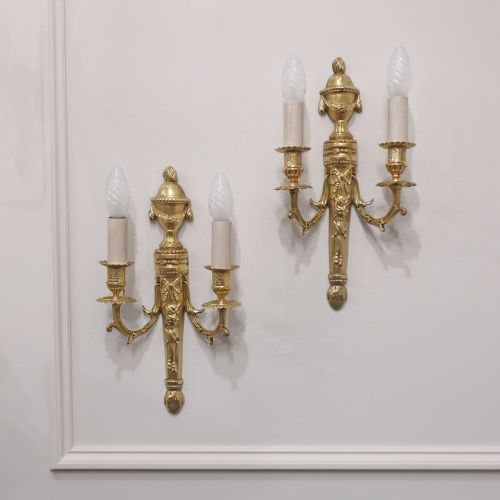
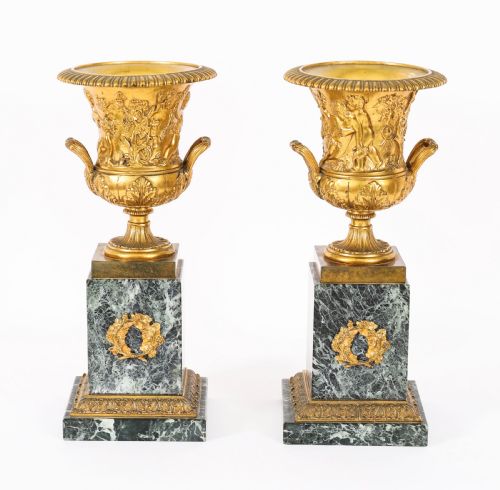
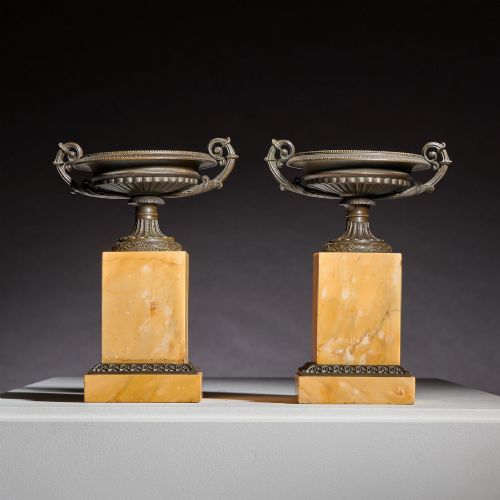
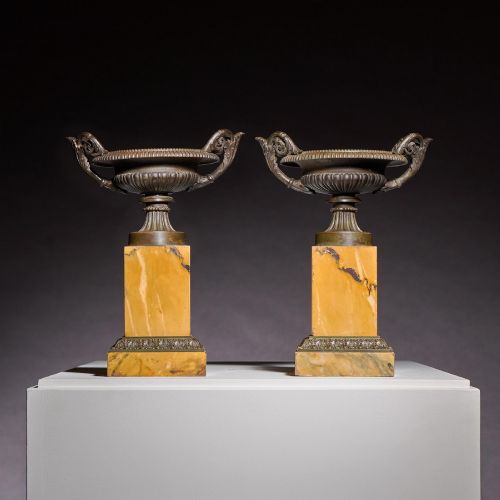
Bronze Classical Urn Pair
A bronze classical urn pair brings the solemn dignity of antiquity into a room through disciplined proportion and enduring metalwork.
Bronze Classical Urn Pair
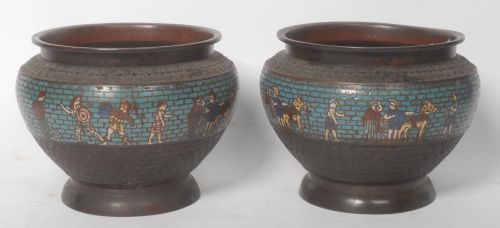
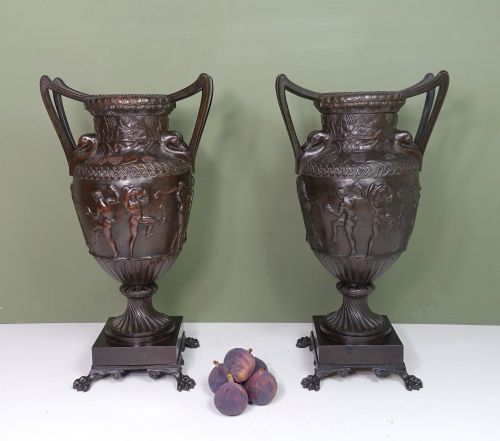
A bronze classical urn pair represents symmetrical decorative vessels modelled on antique forms, designed in matched pairs for mantelpieces, sideboards and architectural display. These pieces draw heavily on the Neoclassical taste and Grand Tour traditions, translating ancient archaeological discoveries into domestic ornaments.
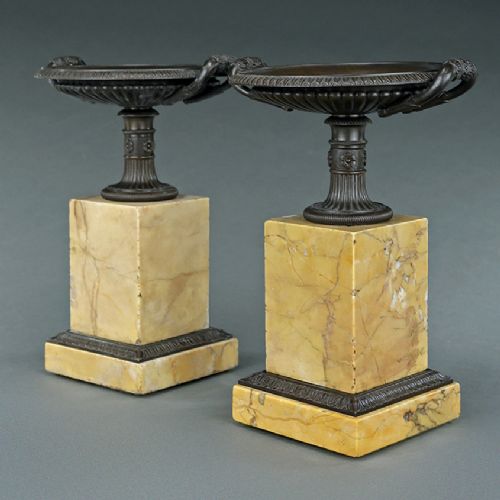
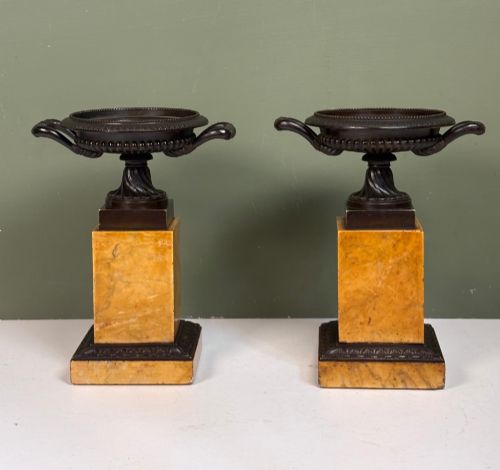
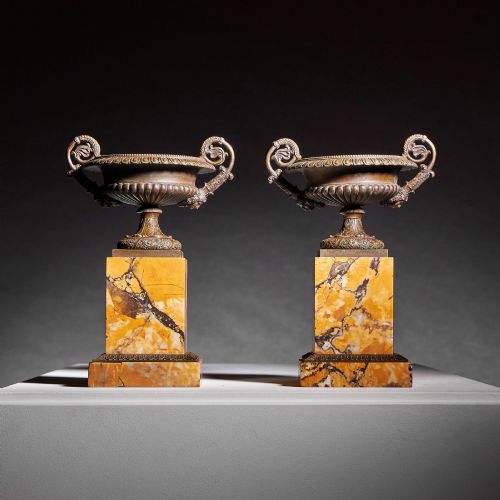
The selections encountered here predominantly span the nineteenth century, encompassing French Empire, Louis XVI style, and Regency aesthetics. Buyers frequently encounter campana shapes, tazzas, and architectural vases resting upon heavy plinths of marble or onyx.
Maker execution often aligns with French workshops and Italian foundries catering to nineteenth-century collectors. The resulting objects function both as decorative focal points and as historical nods to classical antiquity.
Materials and construction methods
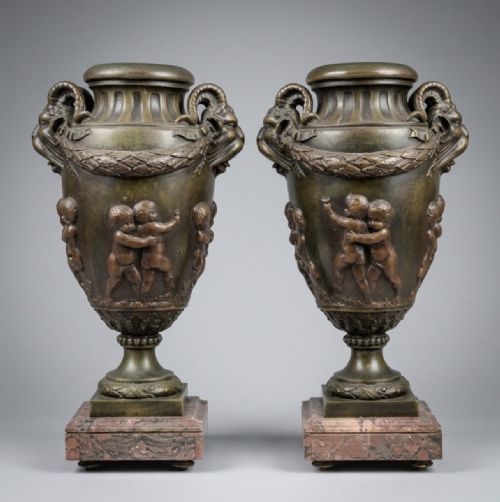
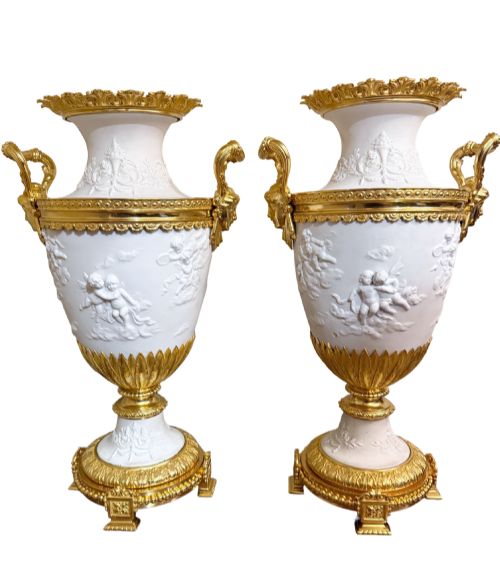
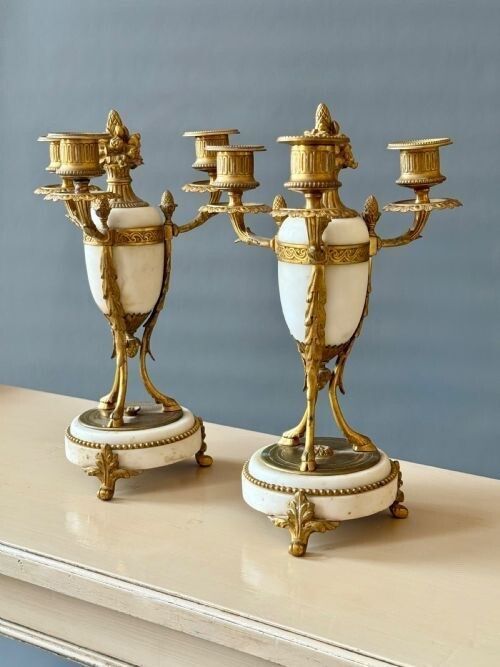
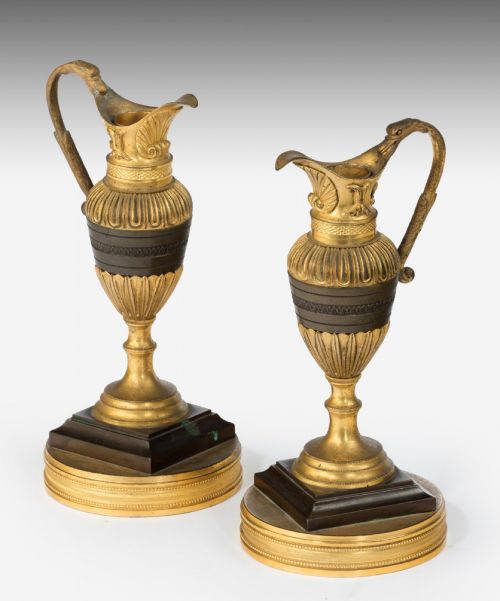
Foundries utilised cast bronze, patinated metal, and gilded bronze or ormolu to achieve contrasting textures and warm metallic sheens. Artisans applied chemical patination to deepen the bronze surfaces into dark brown or black tones, highlighting the crispness of chased details.
Many examples incorporate natural stone elements, mounting the metal bodies upon turned bases of white marble, Siena marble, or rouge marble. Secondary mounts in brass and gilded bronze provide structural support and decorative accents around handles, rims, and plinths.
Distinctions in craftsmanship and design
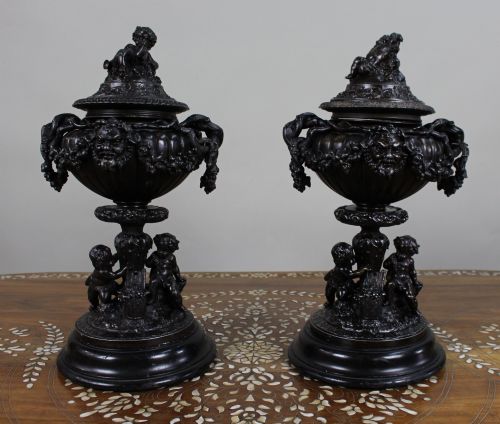
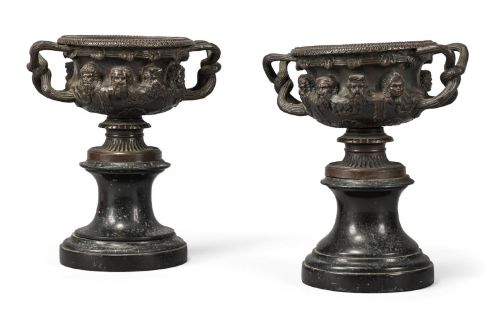
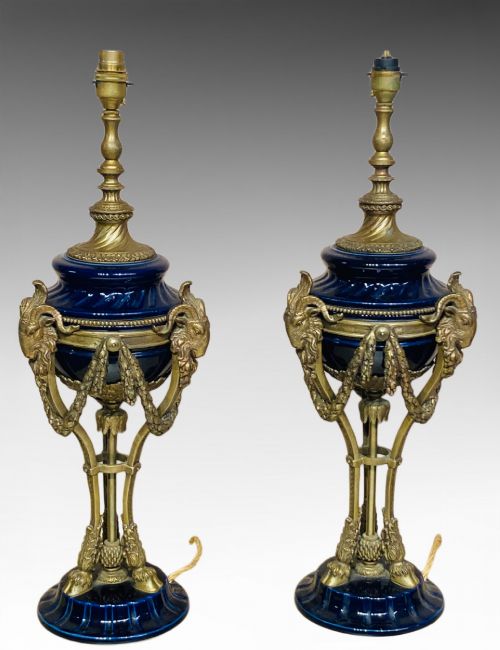
Superior examples display exceptionally crisp chasing on the bronze surfaces, where fine details like Bacchic masks, ram heads, and foliate swags retain sharp relief and depth. Lesser pieces rely on softer cast definition and minimal hand-finishing after removal from the mould.
The choice of supporting base significantly influences the overall character, with dense, beautifully figured natural marbles marking the upper tier of production. Heavier, more substantial metal casting and intricate ormolu mounts separate ambitious foundry work from standard decorative production.
Casier·Thomas Hope
The Bronze Classical Urn Pair Glossary
- Campana urn
- A bell-shaped vessel with a flaring rim and a pedestal foot, widely associated with ancient Roman pottery and metalwork. This silhouette forms the basis for many nineteenth-century decorative copies.
- Grand Tour
- A cultural journey undertaken by wealthy young Europeans through France and Italy to study classical art and architecture. Souvenirs from these travels included high-end bronze and marble ornaments.
- Ormolu
- Finely ground high-carat gold applied to a bronze base through a mercury amalgamation technique, common in French decorative arts. The resulting finish provides a bright, lasting golden lustre.
- Tazza
- A shallow saucer-like vessel mounted on a stem and foot, often utilised in classical design for display or serving. Nineteenth-century versions frequently served as decorative centrepieces.
- Spelter
- A zinc alloy used as a less expensive alternative to bronze for casting decorative objects, often given a bronze-like finish. It offers similar visual weight while differing in metallic composition.
Bronze Classical Urn Pair: Frequently Asked Questions
What periods do these urns come from?
The pieces listed predominantly originate from the nineteenth century, capturing periods such as the Regency, Victorian era, and French Empire revivals. Many reflect the aesthetic ideals of earlier eighteenth-century designs reinterpreted by later makers.
Craftsmen of this era looked directly to archaeological finds from Italy and Greece to inform their proportions and decorative motifs.
How were these decorative urns originally used?
In nineteenth-century interiors, these objects served primarily as formal garnitures on mantelpieces, consoles, and sideboards. They functioned as pure decoration or as pastille burners for diffusing scented fragrances in reception rooms.
Some later examples or adapted pieces were subsequently converted into table lamps or fitted with wiring during the twentieth century.
How do I identify Grand Tour pieces?
Grand Tour pieces typically exhibit fine-grade bronze casting paired with distinct geological marbles like Siena or rosso antico. They often replicate specific celebrated antiquities seen by travellers in Italian collections and museums.
The presence of meticulous hand-chasing and scholarly adherence to classical forms usually indicates a high-status souvenir from this tradition.
How should I care for bronze and marble?
Dust bronze surfaces gently with a soft, dry cloth to prevent the accumulation of grit within recessed chasing. Avoid liquid polishes, which can strip historic patination from the metal.
Keep marble bases clean by wiping them with a damp cloth, ensuring no moisture lingers on porous stone or gilded bronze mounts.