
Bronze Table Urns
These bronze table urns bring classical form and heavy metalwork to a surface, offering weight and structure to a room.
Bronze Table Urns
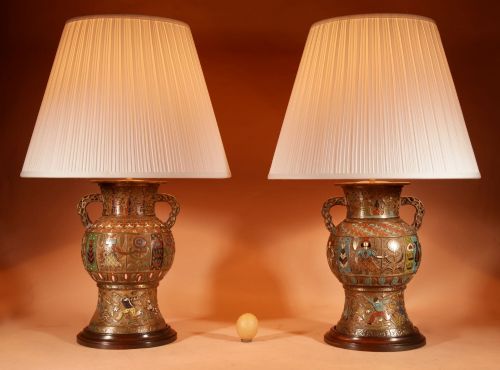
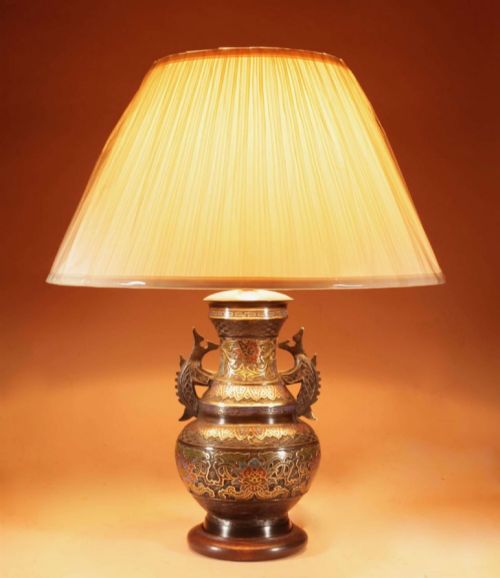
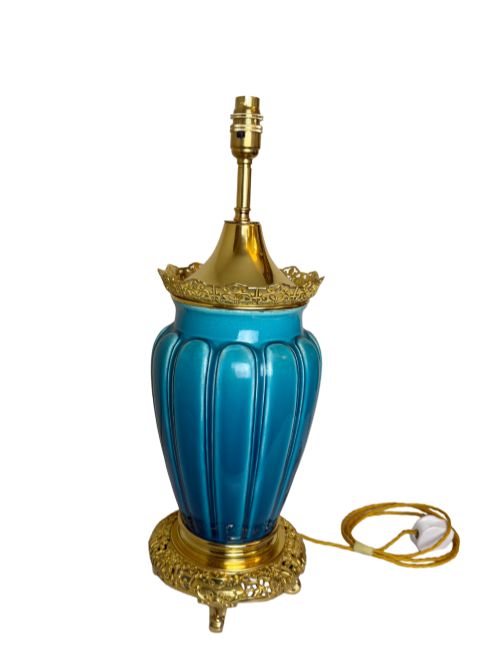
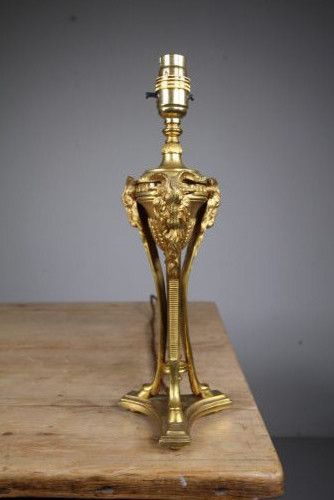
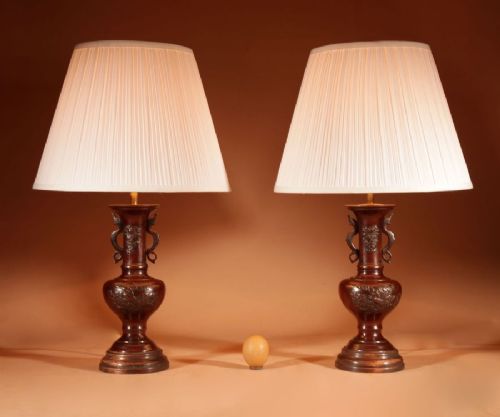
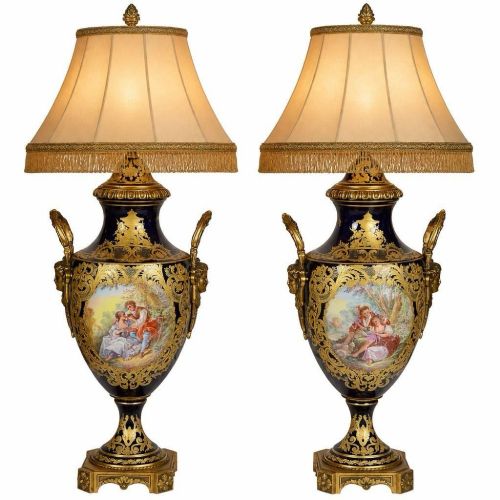
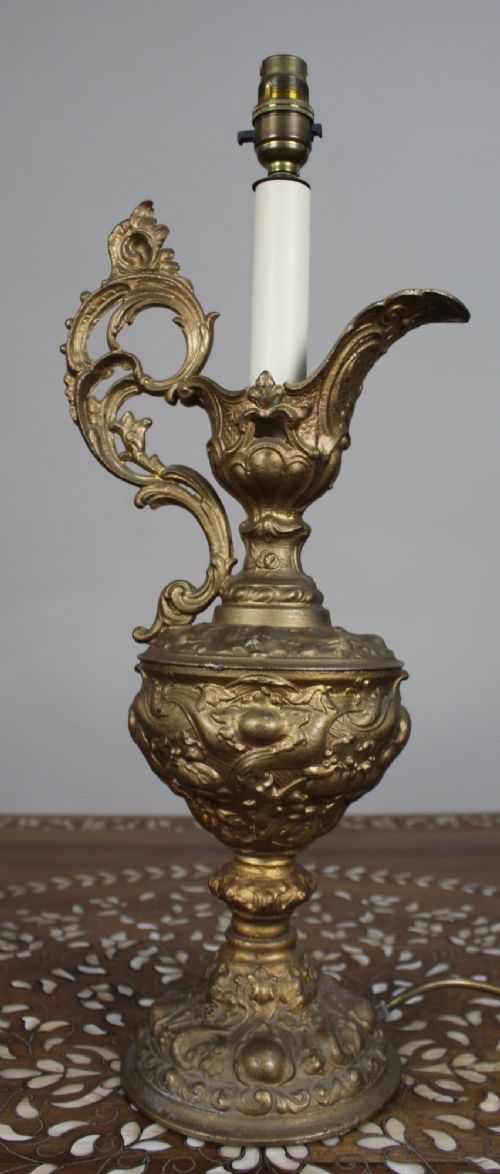
When you search for bronze table urns, you encounter pieces that often originate as traditional vessels, ewers or cassolettes, frequently adapted into lamps or wired for modern use. The examples appearing on this page span the nineteenth century and draw heavily upon Neoclassical, Louis XVI and Empire aesthetic traditions.
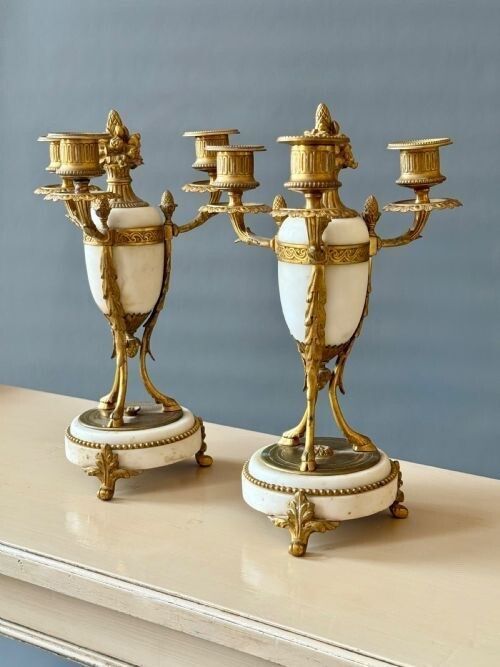
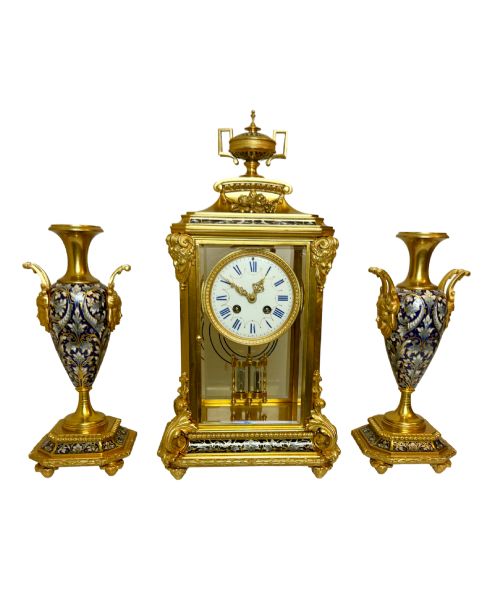
Many items combine cast metal bodies with contrasting materials such as marble, porcelain or champlevé enamel. Pairs often emerge alongside single statement pieces, reflecting domestic decorative trends from Victorian and continental workshops.
Materials and construction methods
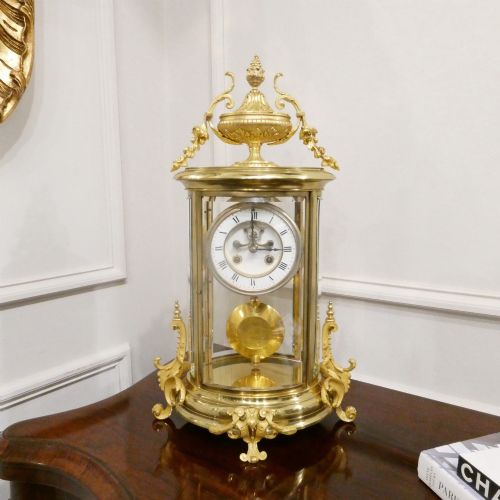
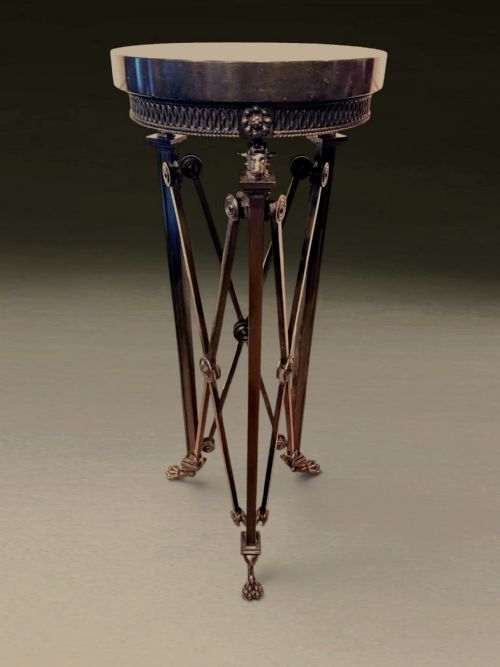
Casting forms the foundation of these objects, utilising bronze, brass and gilded metals alongside fire-gilded ormolu. Artisans then chased the metal surfaces by hand to sharpen details like acanthus leaves, rams' heads and classical drapery.
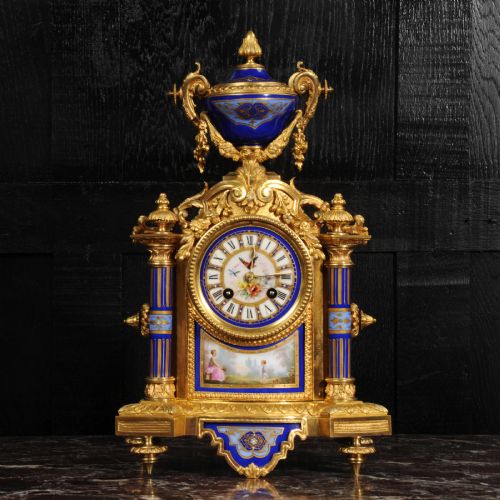
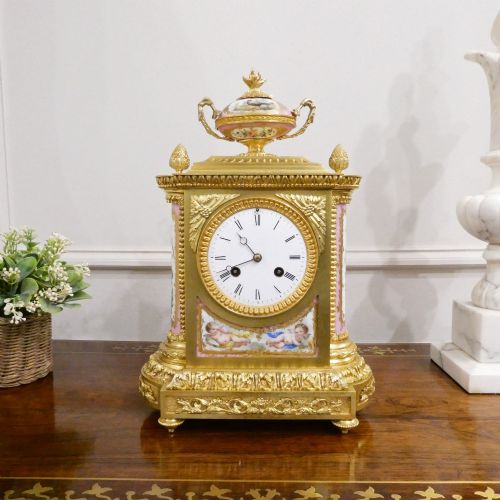
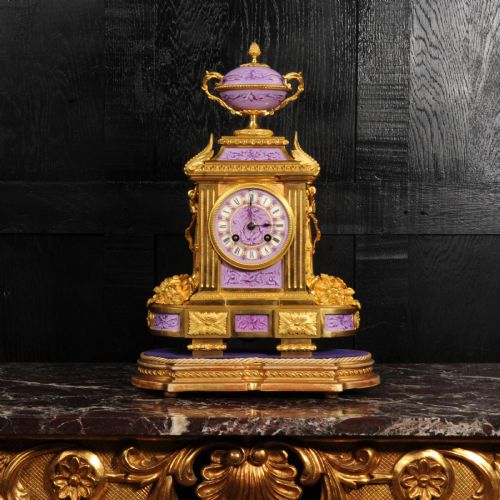
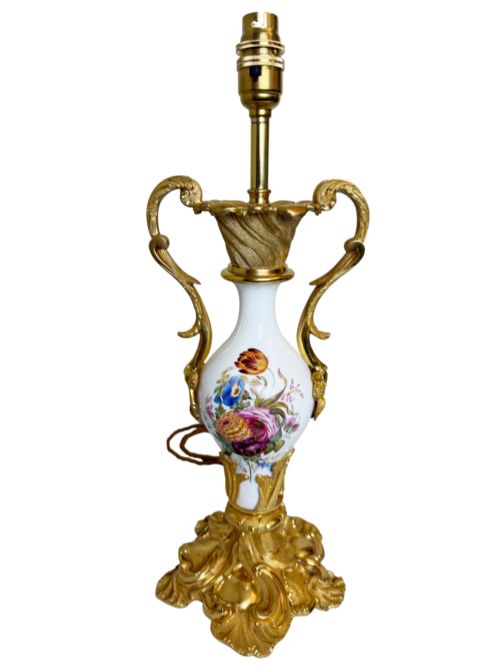
In many cases, makers incorporated ceramic elements, pairing bronze mounts with Sèvres-style porcelain, Chinese vases or white and rouge marble. Enamel work and pate sur pate decoration frequently add colour and intricate pattern to the metal framework.
Materials span gilt bronze, ormolu, porcelain, champleve enamel and rouge marble.
Distinguishing quality in craftsmanship
The standard of chasing determines much of the visual merit, where crisp, deep chisel work on the bronze separates superior casting from softer, flatter production. Heavier gauge metal and precise mechanical fitting of mounts indicate careful studio output.
Harmonious integration of mixed media also dictates worth, as well-balanced porcelain bodies and unblemished marble bases demonstrate disciplined design. Original gilding surfaces that retain their intended tone carry greater integrity than later repainting.
Japy Freres·Jean-Baptiste Delettrez·Achille Brocot·Samuel Marti·Louis Goret
The Bronze Table Urns Glossary
- Ormolu
- A technique of applying finely ground high-carat gold to a bronze base using a mercury amalgam, creating a rich golden surface. It appears frequently on French decorative items from the eighteenth and nineteenth centuries.
- Cassolette
- A decorative vessel shaped like an urn, often featuring a reversible lid that converts the piece from a closed vase into a burner or candleholder. These objects are frequently mounted on marble bases.
- Champlevé
- An enamelling process where troughs or cells are hollowed out of the metal surface and filled with vitreous paste before firing. This technique produces colourful geometric or floral patterns across the bronze.
- Garniture
- A set of three or more matching decorative objects, typically comprising a central clock or urn flanked by matching candelabras or vases. They were designed to sit together on a mantelpiece or sideboard.
- Patination
- The natural or artificial ageing of a metal surface through oxidation and handling over time. It creates subtle shifts in the tone of the bronze.
Bronze Table Urns: Frequently Asked Questions
What is a bronze table urn?
A bronze table urn is a decorative vessel cast in metal, often drawing on classical antiquity for its shape and ornamentation. Many examples feature handles, foliate mounts and stone bases.
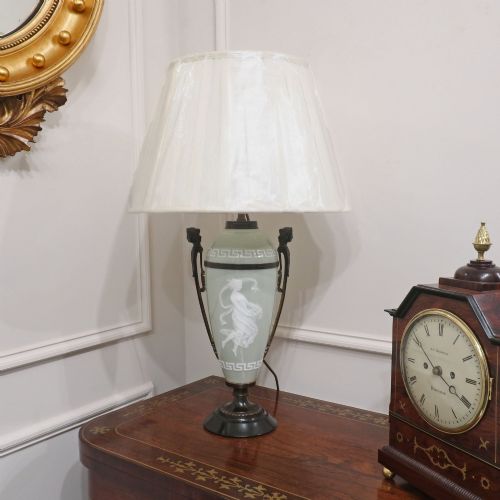
Over time, numerous urns were converted into table lamps or fitted with electrical wiring for modern interiors. They serve as sculptural table lighting or mantel decorations.
How do I identify a nineteenth-century piece?
Nineteenth-century pieces often display stylistic revivals such as Louis XVI, Empire or Neoclassical motifs including rams' heads, swags and classical urn profiles. Examine the weight of the metal and the joining techniques used on the mounts.
Signatures or movement stamps from makers like Samuel Marti or Japy Freres provide concrete dating clues. Hand-chased detailing usually suggests a nineteenth-century origin rather than later mass production.
Were these urns originally lamps?
Most antique urns were made as decorative objects, mantel garnitures, ewers or cassolettes rather than lighting fixtures. They were subsequently adapted for electricity during the twentieth century.
Converted pieces retain their original classical bodies while incorporating wiring and lamp hardware through the centre or base. This adaptation preserved the decorative value of the metalwork.
How should I clean bronze and ormolu?
Dust bronze and ormolu surfaces gently with a soft, dry microfibre cloth to prevent the accumulation of grit. Avoid harsh chemical cleaners or abrasive polishes that can strip away the original gilding or historical patina.
If the metal requires deeper cleaning, use mild soapy water on a damp cloth, drying the piece immediately. Professional conservation is recommended for fragile fire-gilded surfaces.