




Gilded Wood Wall Art
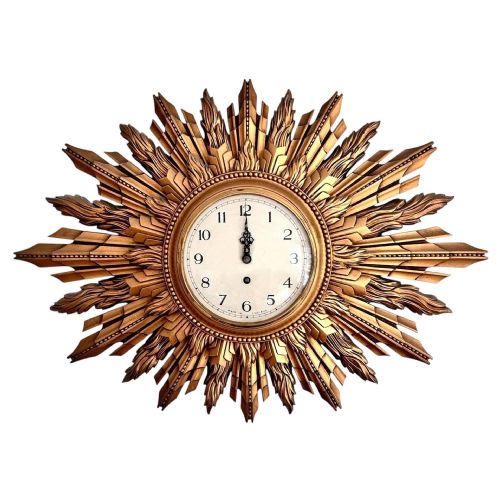
These pieces of gilded wood wall art combine carved timber and reflective metallic leaf to bring warmth and texture into an interior space.
Gilded Wood Wall Art
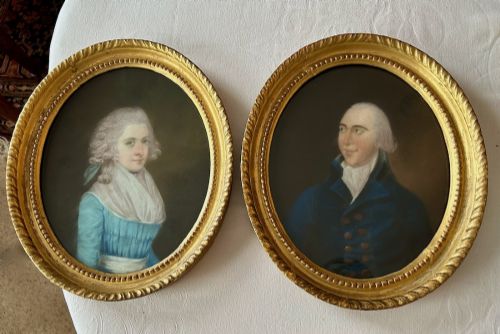
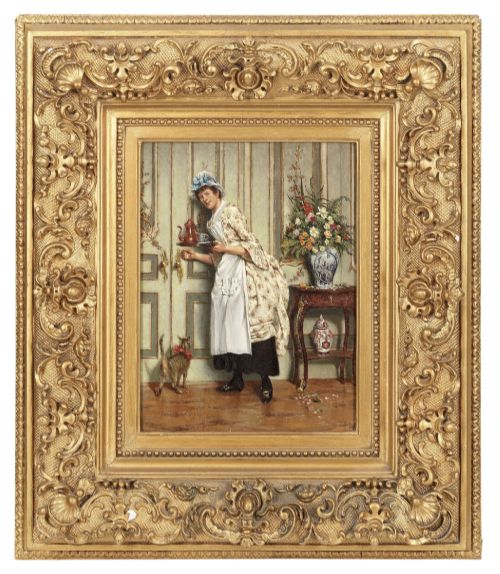
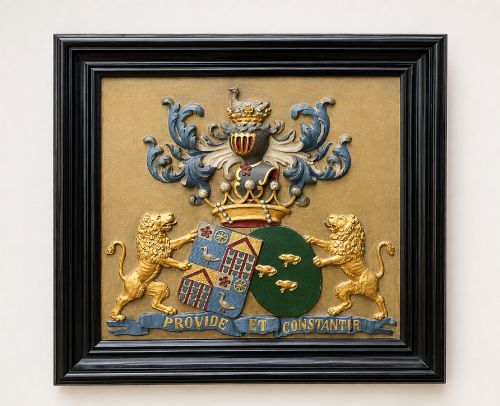
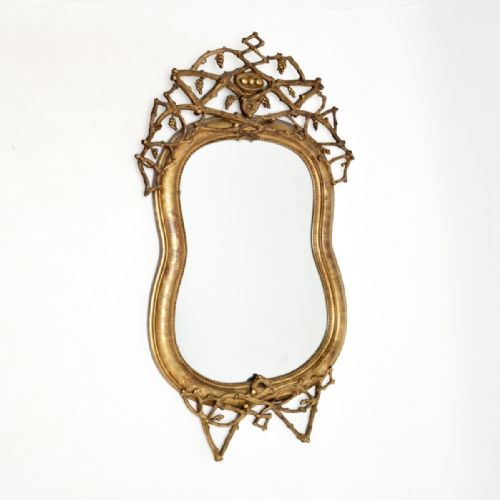
Gilded wood wall art spans several centuries of craftsmanship, appearing most frequently on this page as antique mirrors, carved temple panels, architectural salvage, and picture frames. These items originated across Britain, Europe, and Asia, reflecting distinct regional aesthetics from the seventeenth century through to the Edwardian era.
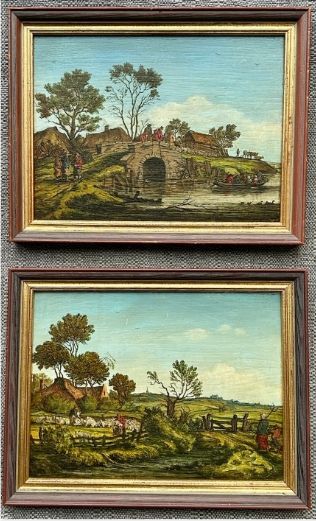
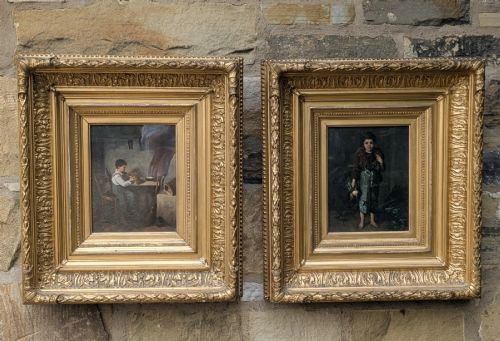
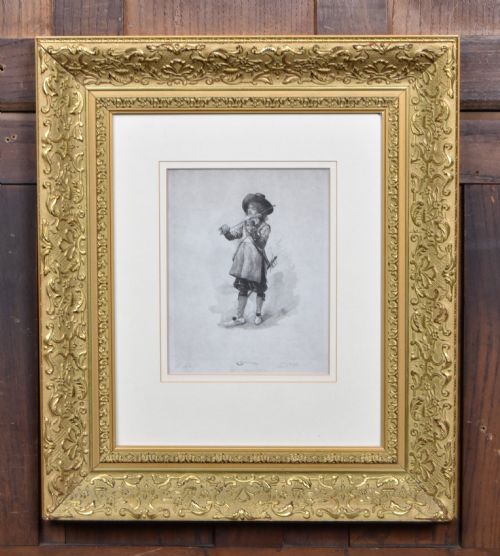
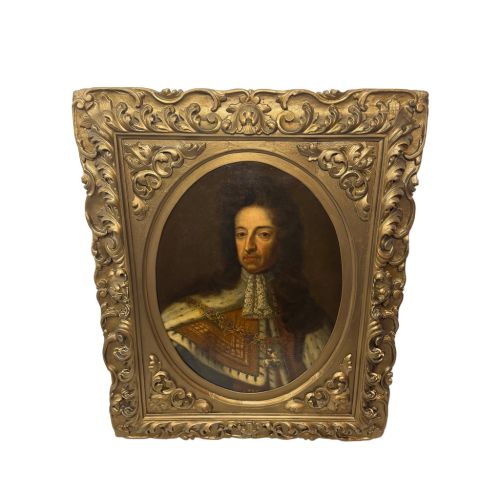
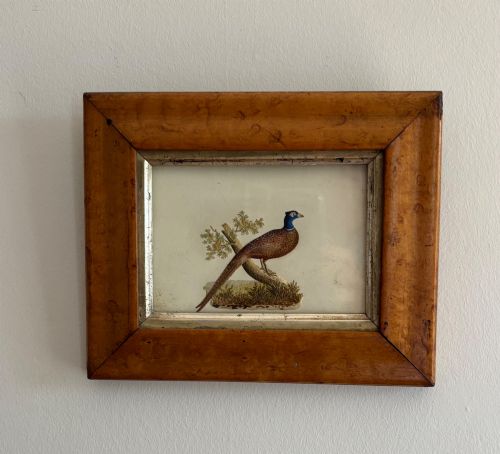
The materials recorded in these listings rely heavily on solid wood, gesso, and gold leaf, often housing oil paintings, engravings, or canvas works within their borders. Buyers encounter pieces shaped by Baroque, Victorian, and Georgian styles, demonstrating how historic makers integrated metallic finish with carved timber.
Framed works and architectural fragments dominate the selection, functioning simultaneously as structural wall decoration and historical artefacts. Each piece carries the physical marks of its period, whether through the deep relief of a carved overdoor or the weathered surface of a giltwood frame.
Materials and Techniques
Craftsmen shaped these items from timber bases, applying a thin layer of gesso to create a smooth, prepared foundation for subsequent gilding. Artisans then laid gold leaf over the surface, burnishing the metal to achieve a luminous finish that caught the ambient light of period interiors.
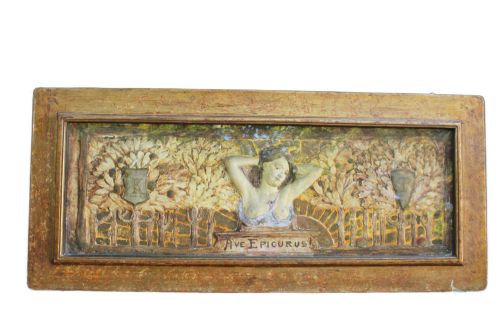
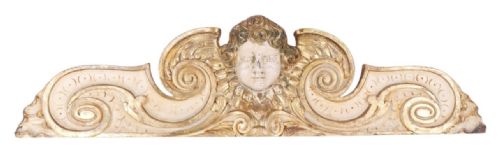
Carving required precise hand tool work on woods such as oak or pine, generating high-relief details like cherubs, floral motifs, or architectural scrollwork. The integration of oil paintings on canvas or wood panels completed the construction, securing the artwork firmly within its gilded housing.
Surviving examples incorporate diverse object types, ranging from oil paintings and framed prints to architectural salvage and carved panels.
Distinctions in Execution
The sharpness of the hand-carved relief dictates much of the visual distinction between examples, with deeper, more articulated timber work separating superior pieces from simpler productions. Artisans who invested time in undercutting and refining botanical or figural details achieved a greater sense of three-dimensional depth.
The application and preservation of the gold leaf layer further define the upper tier of objects. Original gilding that retains its warm, undisturbed burnish and natural patination indicates careful historic maintenance, whereas heavy over-painting obscures the crispness of the underlying gesso and wood.
Samuel Dixon·Icilio Federico Joni·Emily Eyres·Stephen Samuel Lewin
The Gilded Wood Wall Art Glossary
- Gesso
- A plaster-like mixture applied to a wood base to prepare the surface for gilding. This compound allowed artisans to carve fine details before laying gold leaf.
- Giltwood
- Timber that has been coated with a thin layer of gold leaf or powder. It forms the primary visual characteristic of these decorative frames and panels.
- Architectural salvage
- Building elements removed from historic structures and repurposed as wall art. Items such as carved overdoors and temple panels fall into this category.
- Oil on canvas
- Pigment bound in oil medium applied to a woven fabric support. Many pieces pair this painting technique directly with ornate gilt frames.
- Chiaroscuro
- An artistic effect using strong contrast between light and dark. This technique appears frequently in the painted works housed within these decorative frames.
Gilded Wood Wall Art: Frequently Asked Questions
How do I hang heavy gilded wood pieces?
These substantial timber objects require secure wall anchors rated for their specific weight, usually driven directly into structural studs.
Professional picture hangers or mirror plates distribute the load evenly across the frame to prevent strain on the historical joints.
Can these frames be cleaned safely?
Dusting the carved wooden surfaces with a soft, dry brush prevents particle buildup without disturbing the delicate metallic leaf.
Water and chemical solvents should be avoided entirely, as moisture strips historic gesso and damages exposed gold leaf layers.
Where were these gilded panels placed originally?
Many of these items functioned as architectural elements above doorways, within domestic reception rooms, or inside religious sanctuaries.
Their ornate decoration was designed to catch candlelight and natural illumination in formal interior spaces.
How do I identify the period of a frame?
Stylistic cues such as Georgian symmetry or Baroque ornamentation offer the primary indication of a piece's manufacturing era.
Closer inspection of the underlying wood, gesso thickness, and fastening nails provides further confirmation of age.