
Gilded Urn Vase
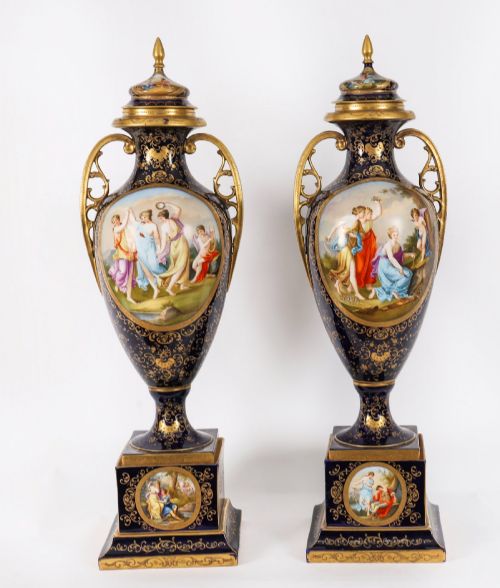
A gilded urn vase brings neoclassical grandeur and intricate hand-painted detail to a room, combining classic vessel forms with rich metallic highlights.
Gilded Urn Vase
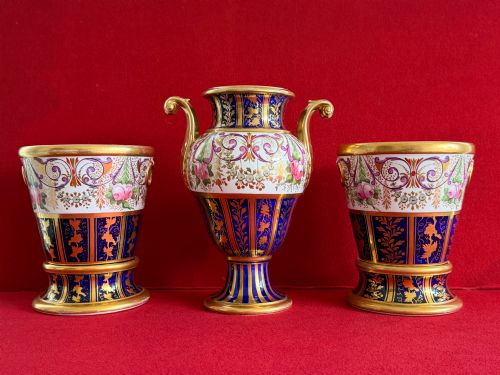
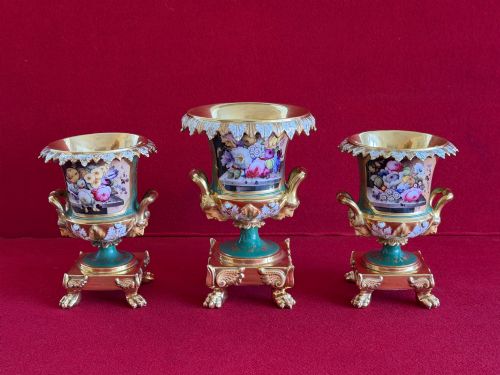
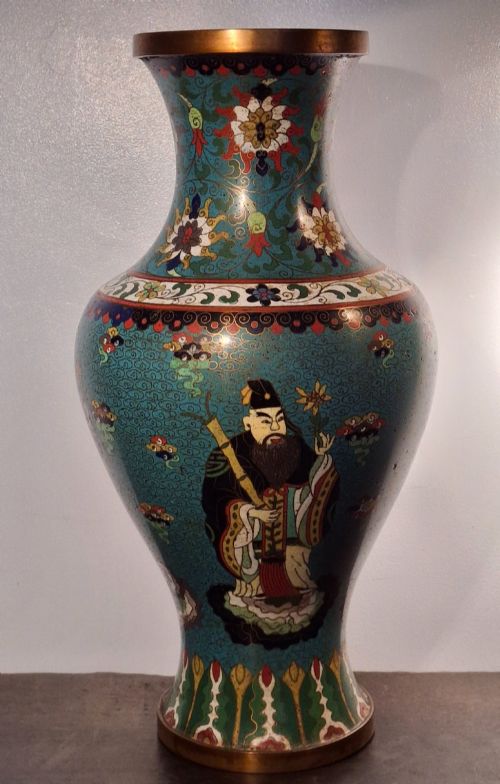
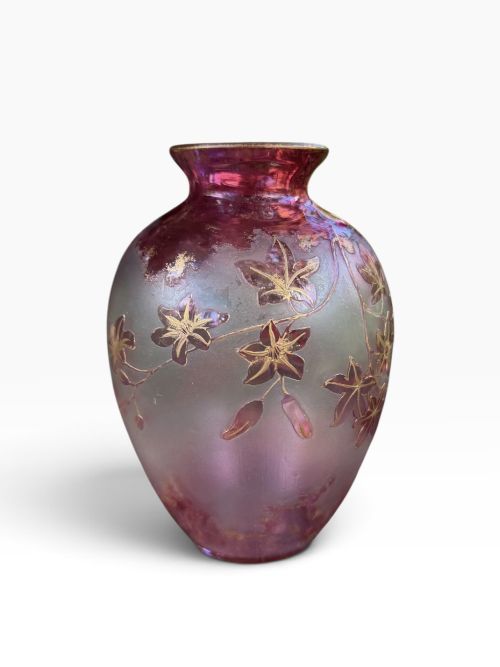
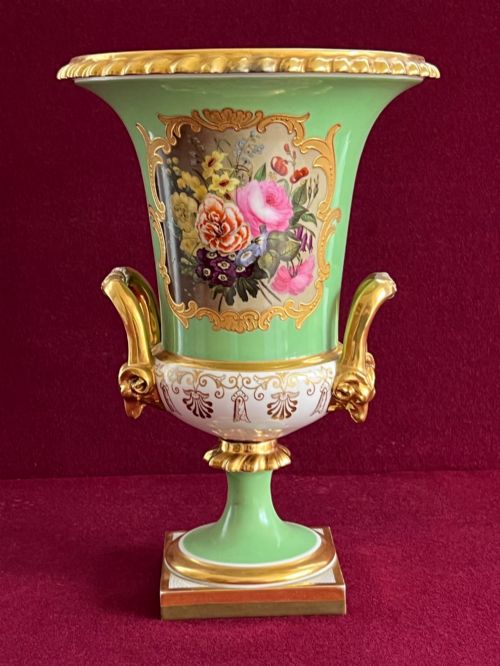
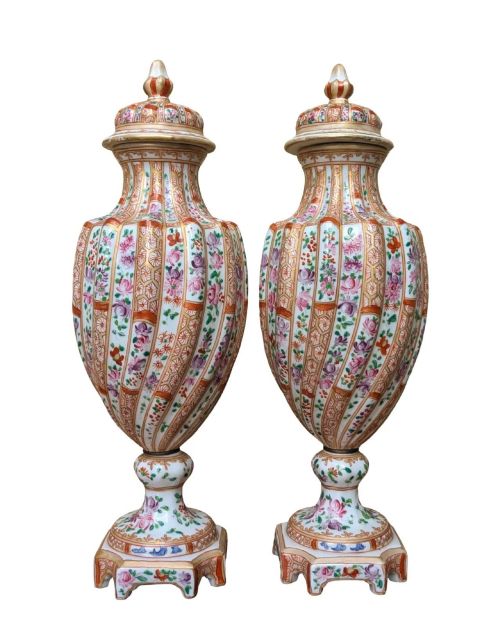
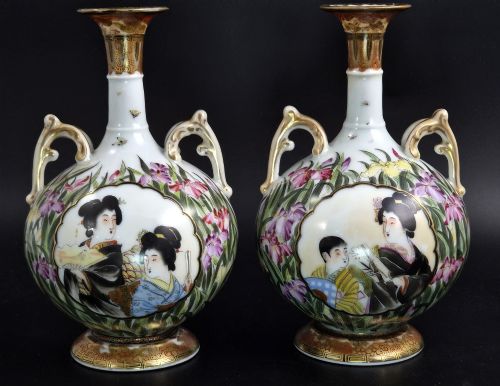
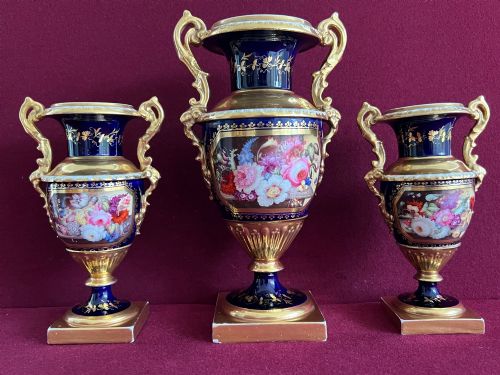
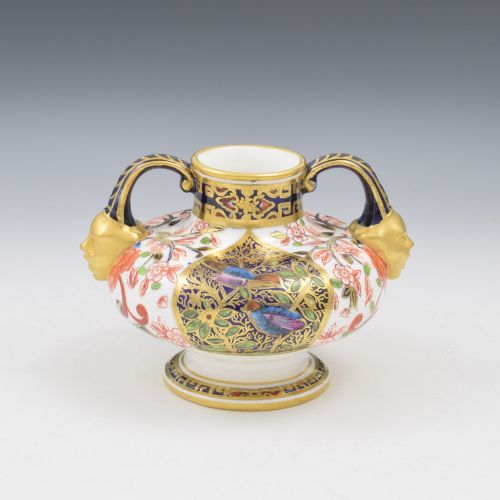
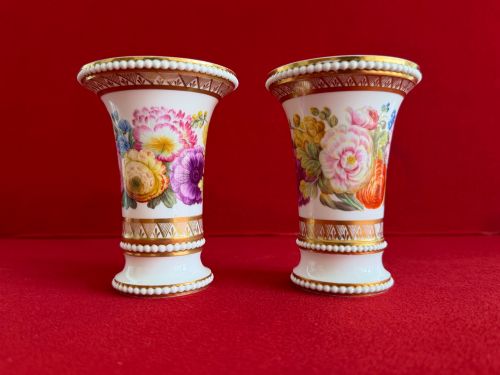
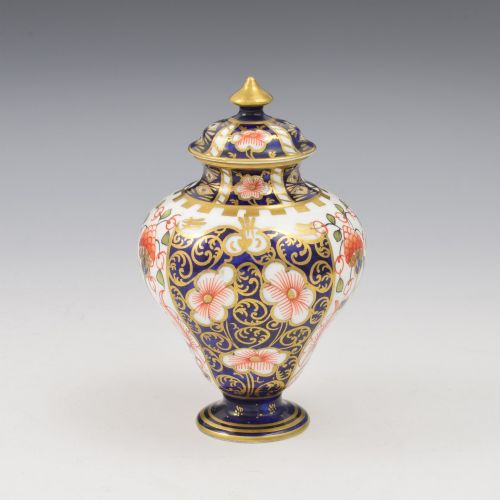
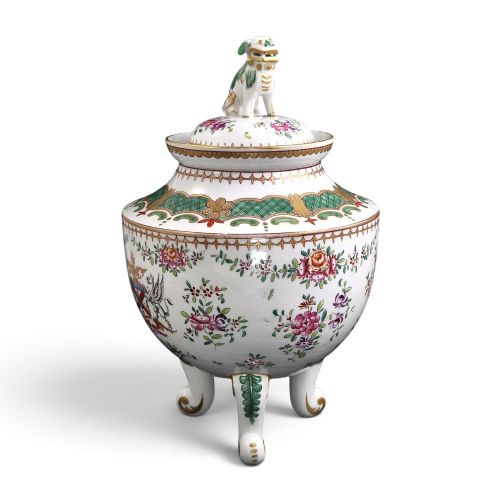
When searching for a gilded urn vase, collectors encounter diverse vessel forms including covered potpourri jars, twin-handled amphorae, floor-standing pieces, and table lamps. These decorative objects emerge from 19th-century traditions spanning Georgian, Victorian, Regency, and Edwardian periods.
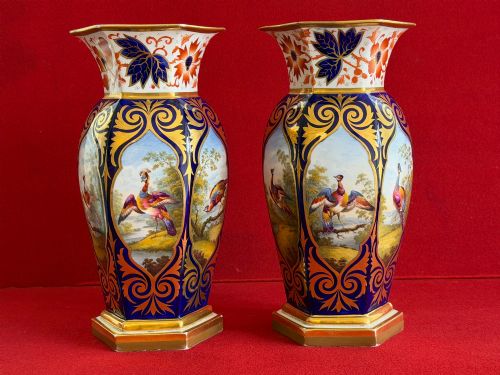
Makers across England, France, Austria, and Japan produced these pieces in porcelain, earthenware, and ironstone, often adopting styles such as Rococo Revival, Sèvres taste, and Japanese Imari. The pieces frequently feature hand-painted florals, armorial motifs, or figural scenes framed by applied gold leaf and gilding.
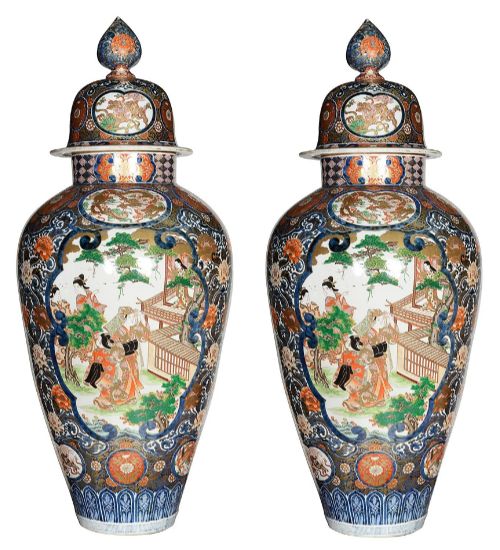
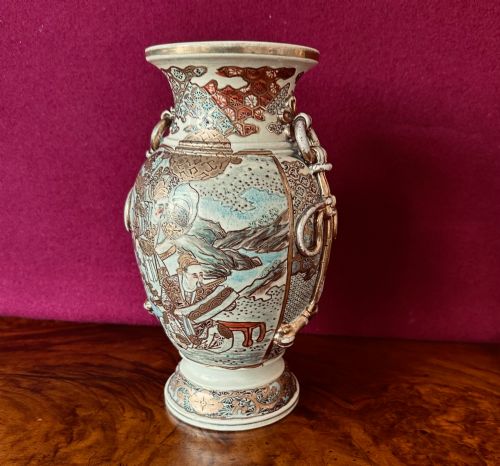
Among the variations on this page, English porcelain manufactories and Japanese Satsuma workshops appear most frequently. Buyers regularly meet pairs of lidded urns and decorative vases designed for prominent display on mantelpieces or pedestals.
How They Were Made
Potters shaped these vessels using fine porcelain, earthenware, and ironstone, often building symmetrical urn forms with twin handles and fitted covers. Artisans applied coloured glazes, enamel, and underglaze painting before firing the ceramic bodies in kilns.
Craftsmen enriched the surfaces by applying gold leaf and hand-painted gilding to accentuate handles, rims, and panel borders. Some workshops incorporated gilt bronze mounts or structural elements of wood to support the ceramic bodies.
Listings feature porcelain vessels decorated with enamel and gold leaf across the Georgian, Victorian, and Edwardian eras.
What Varies in Quality
The sophistication of the hand-painted decoration separates standard production from exceptional examples, with master artists executing delicate polychrome florals, figural scenes, and intricate gilding by hand. The crispness of the moulded ceramic form and the preservation of the original gold leaf influence the overall standing of an urn.
Renowned factories such as Royal Worcester, Sèvres, and Flight, Barr & Barr achieved superior ceramic bodies and refined glazes that elevate their pieces above anonymous or mass-produced wares. The presence of matching pairs and complete covers adds considerable integrity to a piece.
Royal Crown Derby·Flight Barr And Barr·Samson Paris·Staffordshire·Flight And Barr·Shozan Satsuma·Jacob Petit·Royal Worcester·Sevres·Baston·Sitzendorf·Spode·Mason·Vienna Porcelain·Helena Wolfsohn·Booths·Royal Doulton
The Gilded Urn Vase Glossary
- Gilding
- The application of gold leaf or gold dust to the surface of a ceramic vessel. This technique highlights raised mouldings and rims.
- Urn
- A vase of rounded or amphora form, typically standing on a pedestal or footed base. These vessels often feature twin handles and removable covers.
- Imari
- A traditional Japanese style of ceramic decoration employing rich cobalt blue, iron red, and gold. This aesthetic heavily influenced European porcelain factories.
- Potpourri
- A jar or vase with a pierced cover designed to hold dried scented plant material. These lidded vessels were common in Georgian and Victorian interiors.
- Jardiniera
- An ornamental pot or stand intended to hold plants or flowers. These large receptacles frequently match the decorative schemes of contemporary urn vases.
Gilded Urn Vase: Frequently Asked Questions
How were urn vases used?
These vessels served primarily as decorative ornaments on mantelpieces, sideboards, and pedestals within formal rooms.
Certain covered variants functioned as potpourri containers to release pleasant scents into domestic interiors.
How do I identify a Regency period vase?
Regency pieces often display classical neoclassical shapes, refined porcelain bodies, and restrained yet rich gilt ornamentation.
Maker marks and stylistic motifs reflecting early 19th-century design help confirm this dating.
Where were Satsuma vases made?
Satsuma ceramics originated in Japan, particularly around the Satsuma province, during the late 19th and early 20th centuries.
These earthenware pieces typically feature finely crackled glaze decorated with detailed figures and heavy gilding.
How should I clean a gilded vase?
Gilded ceramic surfaces require gentle dusting with a soft, dry cloth to prevent abrasion of the delicate gold leaf.
Harsh cleaning chemicals and water immersion must be avoided to protect hand-painted enamel details.