
Vintage Porcelain Urn Vase
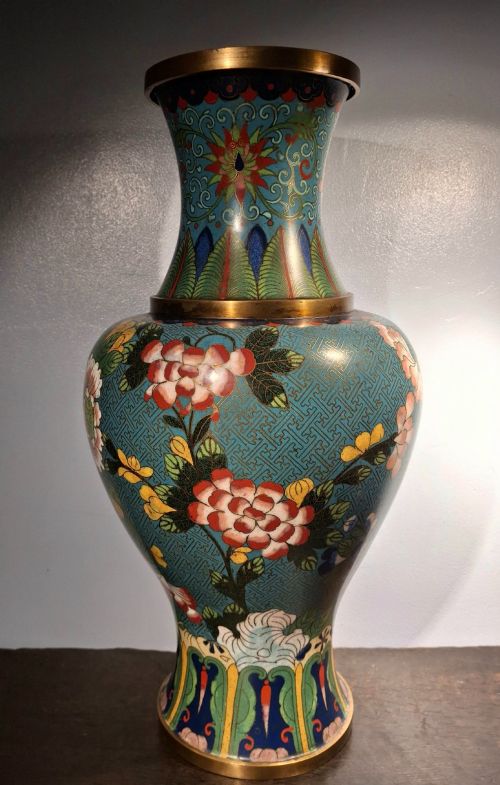
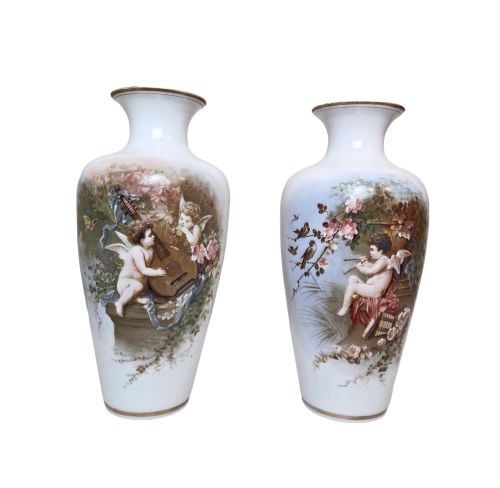
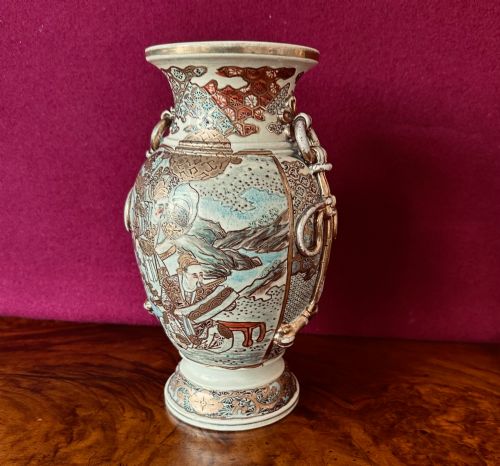
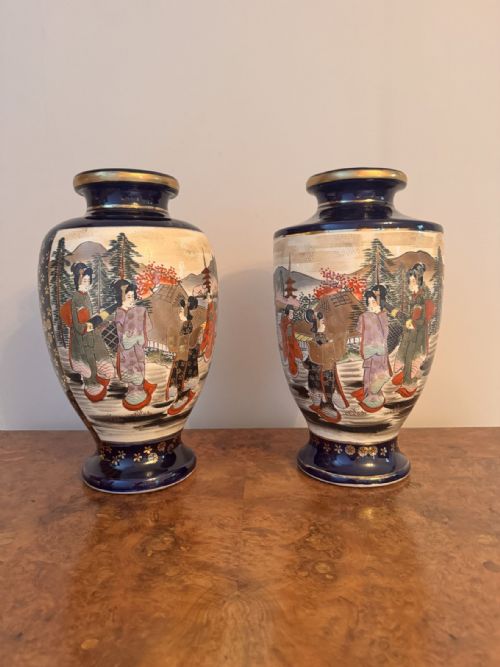
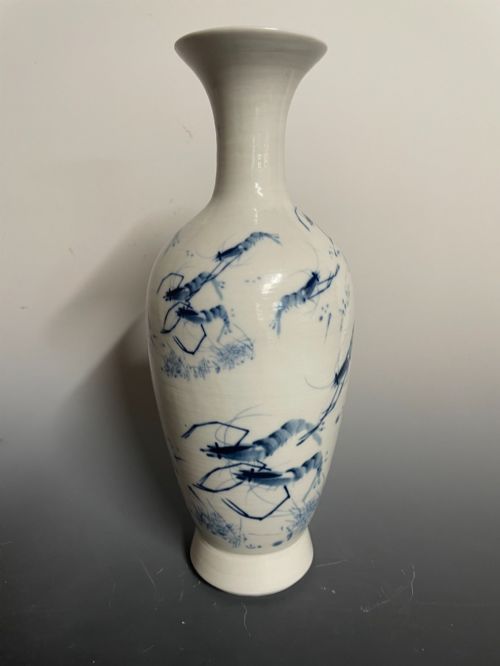
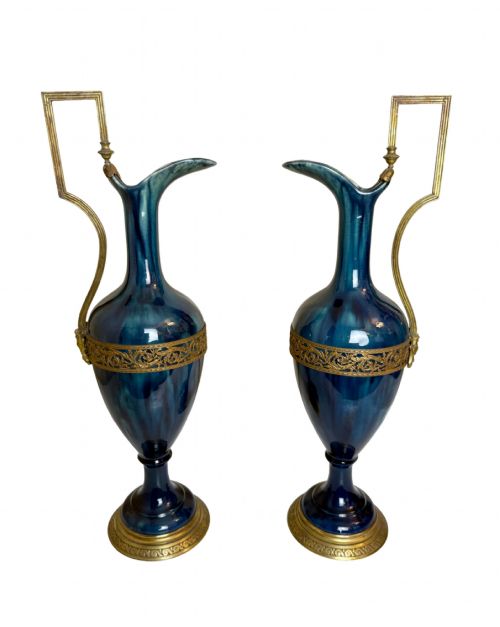
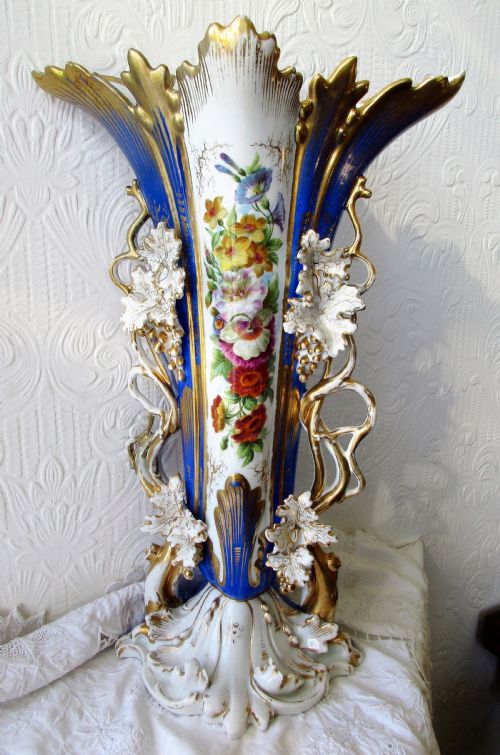
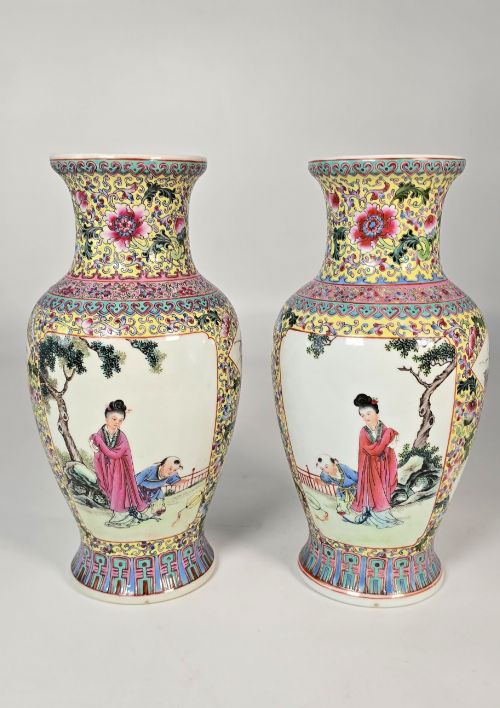
These vintage porcelain urn vase examples combine classical forms with intricate painted decoration spanning multiple centuries.
Vintage Porcelain Urn Vase
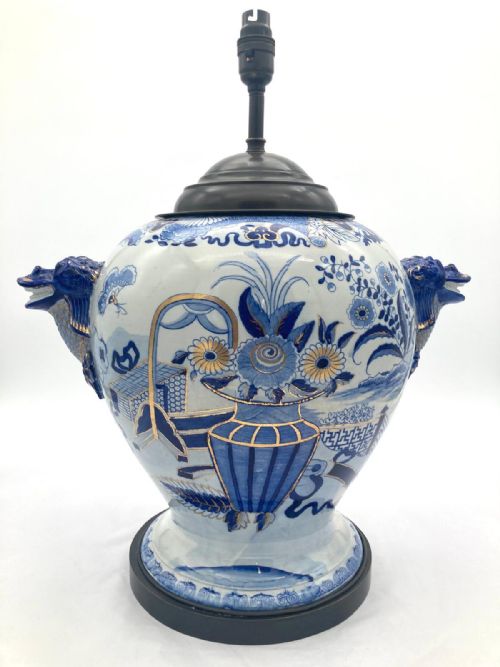
A vintage porcelain urn vase search reveals a diverse group of ceramic vessels produced primarily across the nineteenth and twentieth centuries. Buyers encounter English manufactories, continental European houses, and East Asian workshops taking the form of covered jars, handled urns, and decorative table lamps.
The objects stem from periods including the Victorian era, Edwardian years, and early twentieth-century decades like the 1920s and 1930s. Many surviving examples originate from Japanese Meiji period production alongside traditional English porcelain centres.
Forms range from miniature cabinet pieces to large garniture sets and converted lamps. Handles, covers, and pedestal bases frequently accompany the main body, aligning with classical urn proportions.
Assessing standard and execution
Quality rests upon the precision of the hand-painted decoration and the crispness of the modelled ceramic form. Finer pieces display detailed brushwork, carefully registered enamels, and delicate gilding applied by skilled hands.
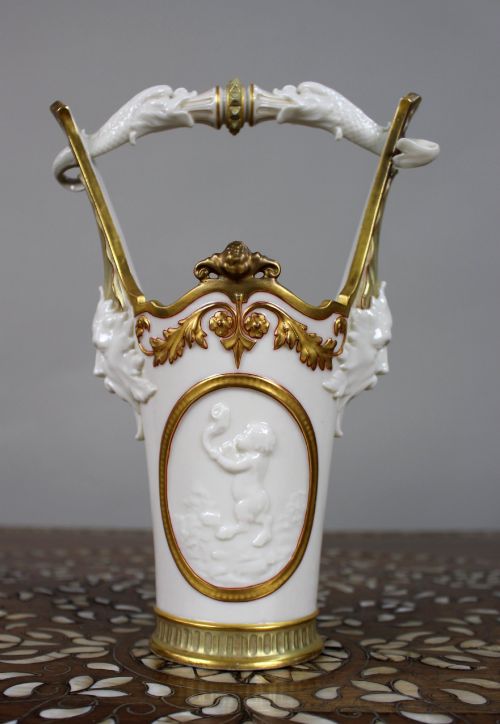
The sophistication of the glaze and the integration of metal mounts, such as gilt bronze trim or fitted covers, separate standard production from superior examples. Maker attribution and specific pattern execution also elevate the standing of an individual piece.
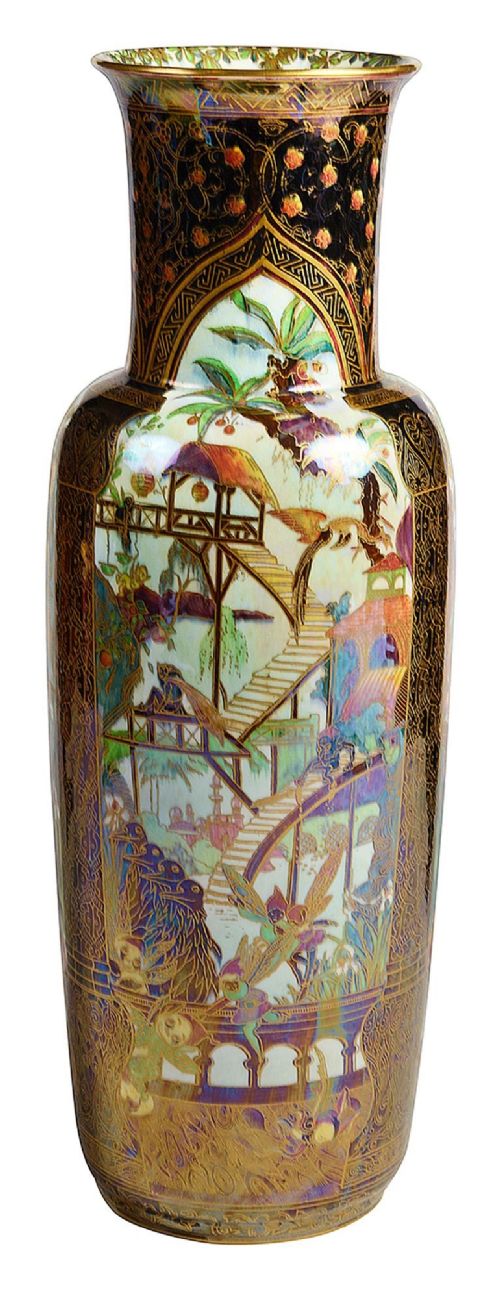
Parrots, exotic birds, and delicate storks frequently survey ceramic landscapes from the sides of these decorated vessels.
Royal Crown Derby·Royal Worcester·Wedgwood·Meissen·Royal Doulton
The Vintage Porcelain Urn Vase Glossary
- Urn
- A vase of rounded or classical form, typically having a pedestal base and frequently featuring handles. These vessels often serve decorative purposes rather than holding cut flowers.
- Imari
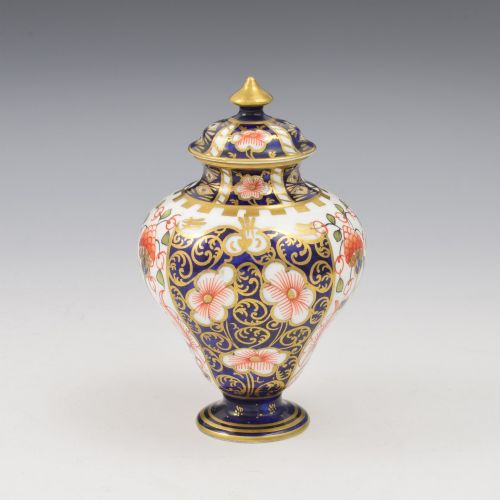
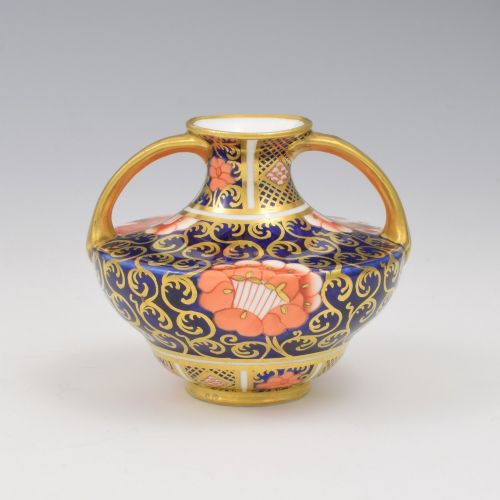
- A style of Japanese porcelain featuring distinctive palettes of underglaze blue, iron red, and gold. Artisans produced these wares largely for export during the Meiji period and earlier.
- Lustre
- A type of ceramic glaze that imparts a metallic sheen through the reduction of metallic oxides during firing. This technique creates iridescent surfaces found on specific decorative art pottery.
- Garniture
- A set of three or more matching vases or urns designed to be displayed together on a mantelpiece or sideboard. These matched groups often include covered jars alongside open vessels.
- Ironstone
- A heavy, durable type of earthenware patented in the nineteenth century to imitate porcelain. English factories utilised this robust body for large decorative vases and tableware.
Vintage Porcelain Urn Vase: Frequently Asked Questions
How do I date a porcelain urn vase?
Dating relies upon manufacturer backstamps, stylistic indicators such as Art Deco or Rococo Revival motifs, and the specific materials employed in construction.
Period markers like the Meiji era or Edwardian reign help narrow the timeline when combined with recorded painter signatures or pattern numbers.
Are converted lamps original?
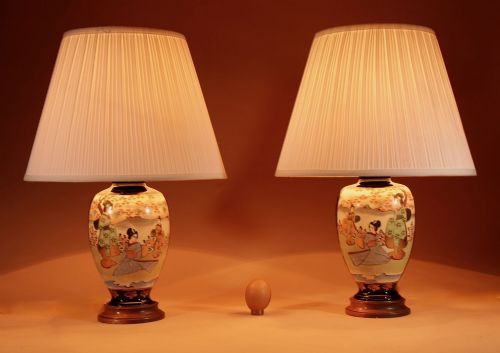
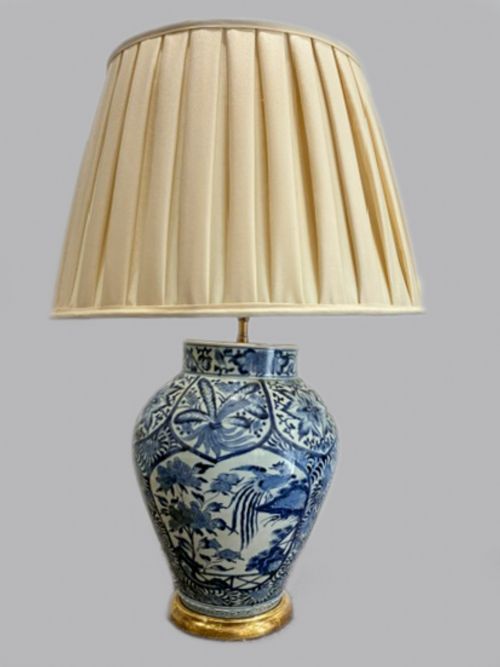
Many antique vases and urns underwent conversion into table lamps during the twentieth century to suit contemporary domestic lighting needs.
While some collectors prefer pieces in their original un-drilled state, these conversions represent a common historical practice for decorative ceramics.
What is the difference between Satsuma and Imari?
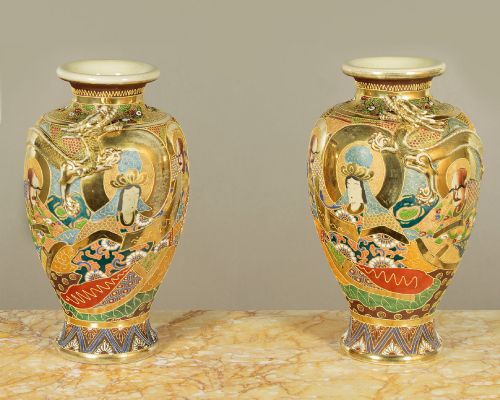
Satsuma wares feature a characteristic ivory-coloured, crackled earthenware body decorated with polychrome enamels and extensive gilding. Imari ceramics utilise hard porcelain bodies painted with deep underglaze blues, vibrant reds, and gold highlights.
How should I display a garniture set?
Garniture sets of three or more matching vases traditional occupy mantelpieces or large sideboards in a symmetrical arrangement. The central covered urn typically stands flanked by matching smaller vases or beakers.