




Gilded Porcelain Plaque
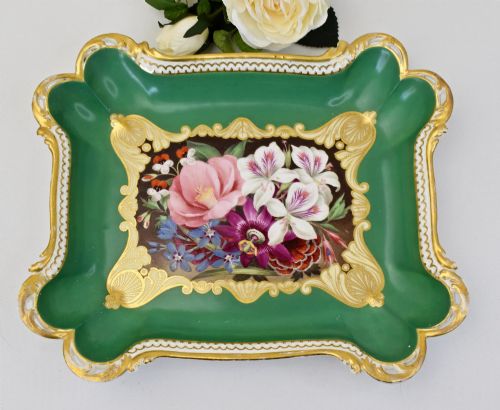
These gilded porcelain plaque selections bring hand-painted narrative scenes and rich framing into domestic spaces.
Gilded Porcelain Plaque
A gilded porcelain plaque sits at the intersection of ceramic art and fine painting, serving primarily as wall art or decorative cabinet pieces. When searching for a gilded porcelain plaque, buyers encounter items ranging from large chargers and cabinet plates to framed wall plaques dating from the eighteenth century through the early twentieth century.
The objects stem from notable European factories including Vienna, Royal Worcester, KPM, and Sèvres, alongside Japanese Imari wares. They frequently depict classical, mythological, or portrait subjects rendered in meticulous detail.
Most examples found in the selection date from the nineteenth century, manifesting in Victorian, Neoclassical, and Rococo Revival styles. They often incorporate specialised mounting such as ormolu frames, giltwood surrounds, or kingwood stands.
How they were made
Artisans formed these pieces using high-fired porcelain as a stable canvas for detailed enamel painting and pate-sur-pate work. Applied gold leaf, gilt, and heavy gilding then framed the painted surfaces, providing the luminous border characteristic of the form.
Many items required secondary mounting in ormolu, giltwood, or carved wood frames to facilitate wall hanging or table placement. Master painters signed individual plaques, recording narrative scenes with fine brushes before final kiln firings fixed the pigments.
The inventory records diverse forms including cabinet plates, chargers, jardinieres, and framed wall art.
What varies in quality
The execution and preservation of the surrounding gilding and ormolu mounts alter the overall impact of a piece. Original frames that complement the porcelain without competing for visual dominance elevate the integrity of the object.
Doe and Rogers·Copeland·Vienna·KPM·Royal Worcester·Royal Doulton·Mintons·Sevres·Limoges·Berlin
The Gilded Porcelain Plaque Glossary
- Gilt
- Application of gold leaf or powdered gold onto the surface of porcelain or wood. This finish creates the metallic sheen characteristic of the framing and highlights.
- Ormolu
- Cast bronze that has been mercury gilded to achieve a bright gold appearance. Makers utilised this material for decorative mounts and stands.
- Cabinet plate
- A decorative ceramic plate intended for display in a cabinet or on a wall rather than for dining use. These often feature elaborate hand-painted scenes.
- Pate-sur-pate
- A ceramic decorating technique where liquid clay is built up in successive layers on a coloured body to create a low relief cameo effect. Mintons famously employed this method.
- Charger
- A large decorative plate used as a base setting or hung upon a wall for display. They provide a broad canvas for narrative painting.
Gilded Porcelain Plaque: Frequently Asked Questions
Where were these plaques hung?
Makers designed these items for principal reception rooms, parlours, and private studies within nineteenth-century homes. They functioned as focal points on panelled walls or within dedicated display cabinets alongside other ceramics.
Owners frequently paired them with matching furniture, setting them into tables, jardiniere stands, or elaborate giltwood frames to display wealth and artistic discernment.
How do I date a porcelain plaque?
Dating relies on factory backstamps, stylistic clues such as Neoclassical or Rococo Revival motifs, and the nature of the framing. Nineteenth-century examples often feature handwritten titles or painter signatures on the reverse.
Materials like ormolu mounts and specific porcelain bodies associated with Vienna or Sèvres help narrow the production window alongside recorded artist periods.
What subjects appear on them?
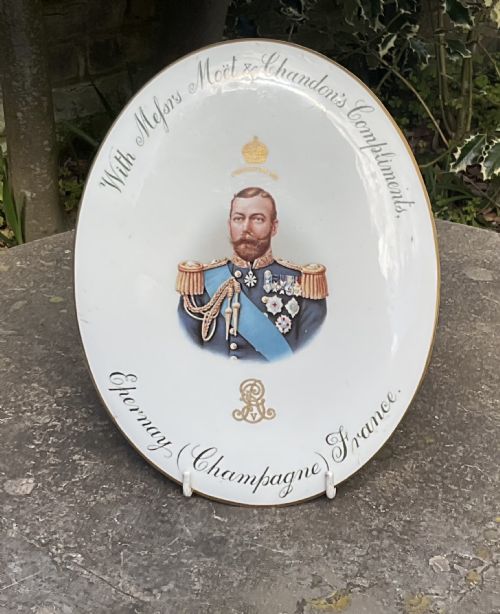
Painters drew heavily from classical mythology, historical events, and literary works such as plays by Shakespeare. Common depictions include figures like Bacchus, Venus, and historical rulers.
Other plaques feature pastoral scenes, portraits of nobility, and children or young women rendered in the romantic aesthetic of the Victorian era.
Are these plates meant for dining?
Cabinet plates and chargers serve exclusively as decorative objects rather than functional tableware. Their delicate hand-painted enamel and fragile gilt surfaces preclude everyday utility.
Displaying them vertically on walls or horizontally within secure frames protects the intricate artwork from wear.