




Gilded Porcelain Chinese Vases
These gilded porcelain chinese vases bring together nineteenth-century craftsmanship and elaborate hand-painted export styles to anchor a room.
Gilded Porcelain Chinese Vases
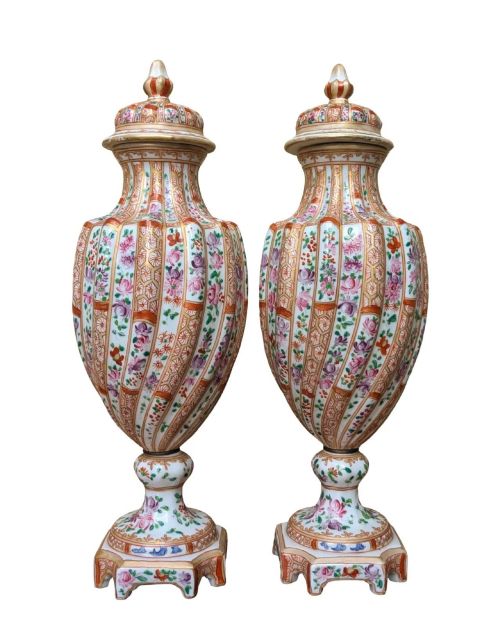
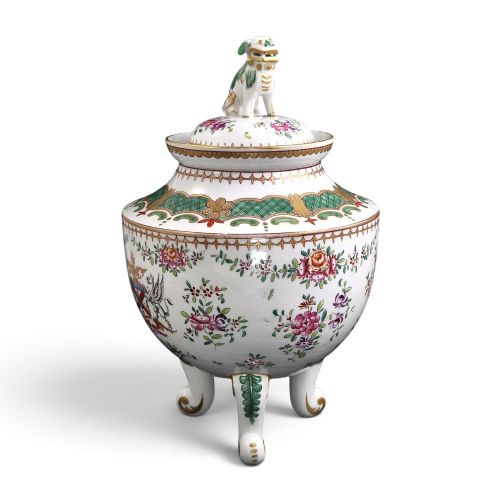
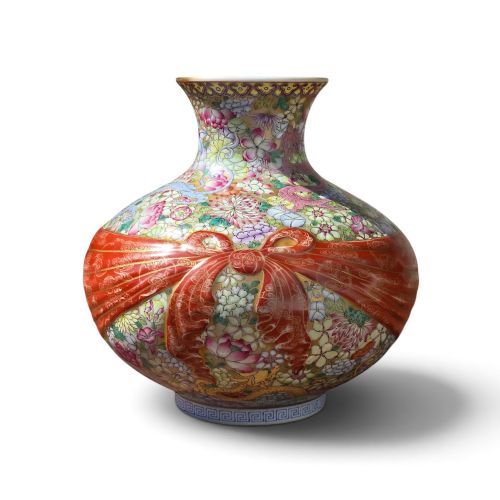
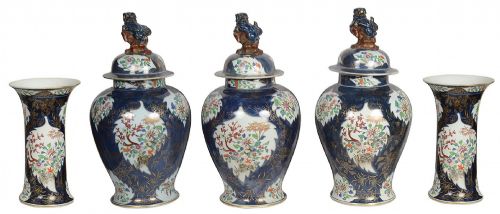
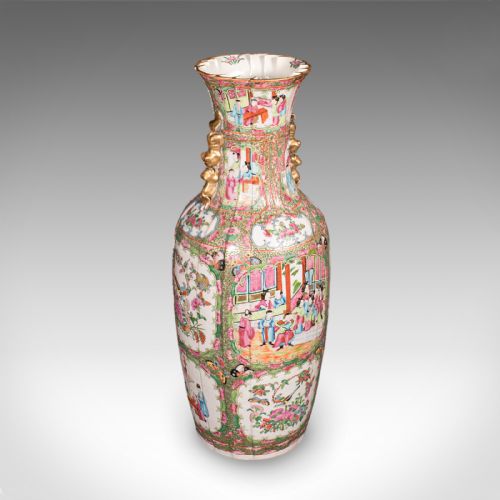
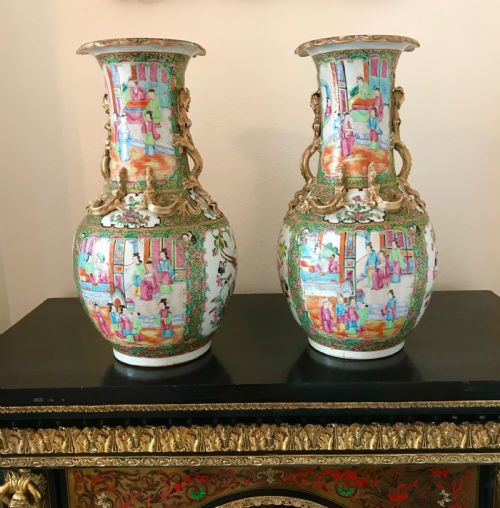
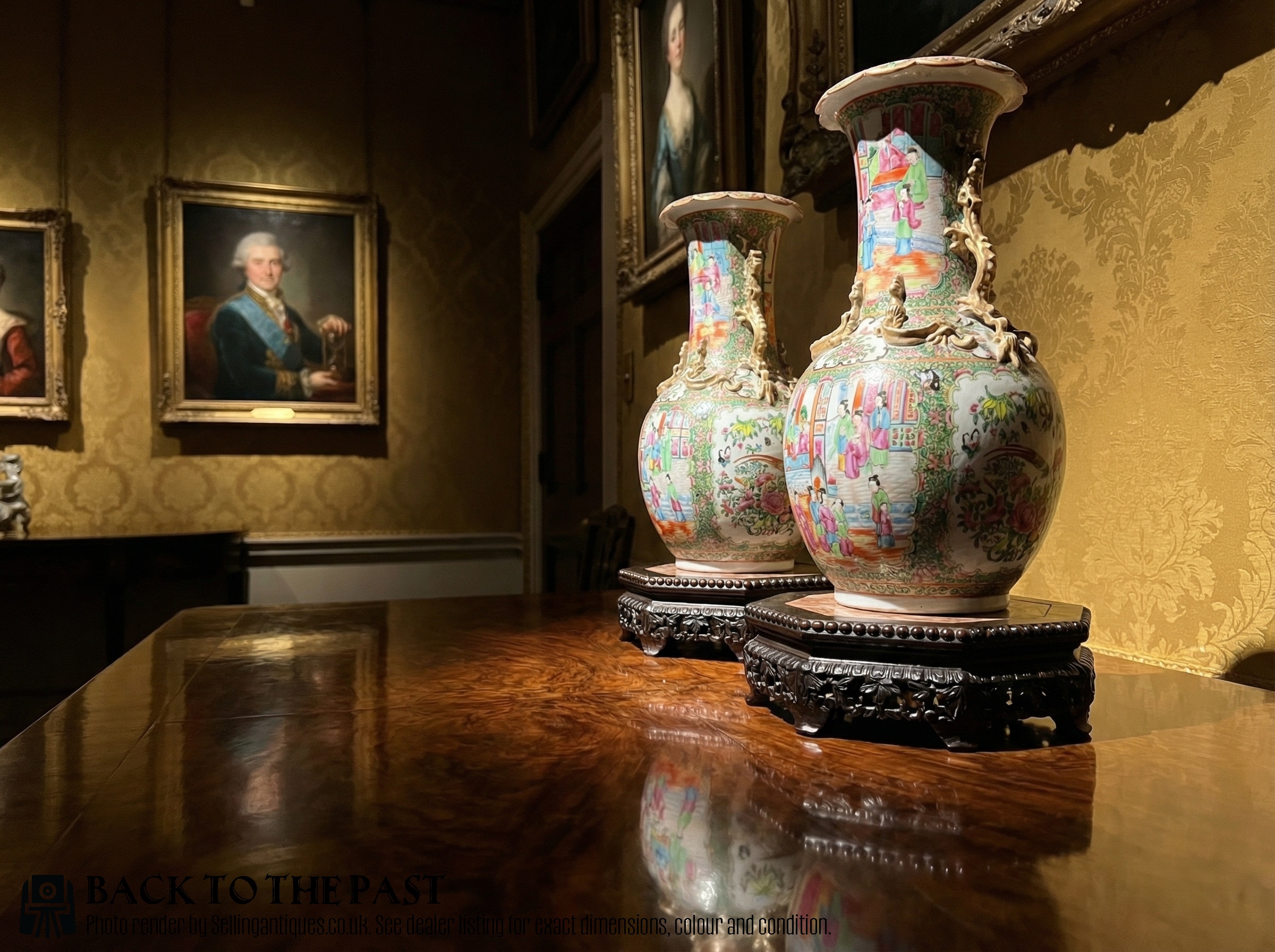
Gilded porcelain chinese vases are decorative objects primarily originating from the nineteenth century, including Victorian periods and the late Qing to early Republic eras. These pieces include Canton porcelain, Rose Medallion designs, and famille rose garnitures alongside European interpretations such as Samson Paris work.
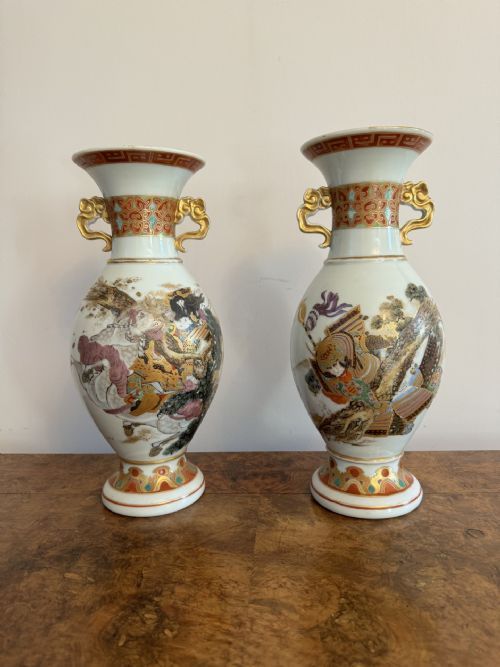
Buyers will most frequently encounter pairs of hand-painted vases from the late nineteenth century, often adapted into table lamps or mounted with ormolu. Forms range from ginger jars and centrepieces to large decorative urns created for export markets.
How They Were Made
Makers shaped these porcelain vessels by hand before applying intricate enamel palettes such as famille rose, famille verte, and powder blue backgrounds. Artisans then integrated gold leaf and gilding to highlight floral motifs, figures, and borders.
Selected pieces incorporate brass mounts, silk, and fabric shades when converted into lamps during later Victorian workshops. Craftsmanship relies on detailed hand-painted brushwork combined with traditional ceramic firing techniques.
Gilded Porcelain Chinese Vases Retail Price Guide 2026
Typical asking prices for gilded porcelain chinese vases among the pieces listed under this phrase on Sellingantiques today, from the lower quarter to the upper quarter. They describe what is for sale here now, not the wider market.
Materials recorded across the inventory include porcelain, enamel, gold leaf, brass, silk, fabric, and ormolu.
What Varies in Quality
The sophistication of the hand-painted enamel work separates standard export items from exceptional workshop examples, particularly in the precision of facial expressions and floral details. Richness in the application of gold leaf and the crispness of the porcelain body also dictate the standard.
Integrity of form and the presence of matching pairs or original covers significantly elevate a piece. Workshop provenance, such as documented Samson production, adds distinct value compared to unmarked export wares.
Samson Paris
The Gilded Porcelain Chinese Vases Glossary
- Famille Rose
- A prominent palette of opaque pink and rose enamels introduced in Chinese porcelain during the Qing dynasty. This colouring defines many nineteenth-century export pieces.
- Canton
- A major port in southern China where porcelain blanks from Jingdezhen were decorated for Western export. These wares feature dense panels of figures and botanicals.
- Rose Medallion
- A specific decorative pattern featuring distinct medallion panels filled with birds, flowers, and court figures. The design is framed by intricate gilt and green ground borders.
- Ormolu
- Gilded bronze mounts applied to ceramic bodies, frequently utilised by European workshops in the nineteenth century. It frames the porcelain to suit Western interiors.
- Ginger Jar
- A wide-shouldered ceramic vessel originally used for storing spices and later adopted as a decorative garniture form. They appear frequently paired as lamp bases.
Gilded Porcelain Chinese Vases: Frequently Asked Questions
How do I date these vases?
Dating relies on stylistic clues, palette characteristics, and manufacturing traits associated with the nineteenth century and the late Qing period.
Evidence on this page points primarily to items produced around eighteen eighty through to nineteen hundred.
Were these made in China?
Many pieces originated in Chinese kilns and decoration studios, specifically in Canton for the export market.
European factories like Samson also produced direct interpretations in France during the nineteenth century.
Can I use them as lamps?
Numerous nineteenth-century examples are found mounted with brass and fitted with silk or fabric shades for modern domestic use.
Conversions often incorporate wiring while retaining the original ceramic body and gilt details.
What is a garniture?
A garniture is a matched set of vases or jars traditionally displayed together on a mantelpiece or cabinet top.
These sets often feature coordinating famille rose or Canton painted scenes across each vessel.