





Polychrome Enamel Urns
These polychrome enamel urns bring together vibrant glazes, intricate metalwork and centuries of craftsmanship from Asian and European makers.
Polychrome Enamel Urns
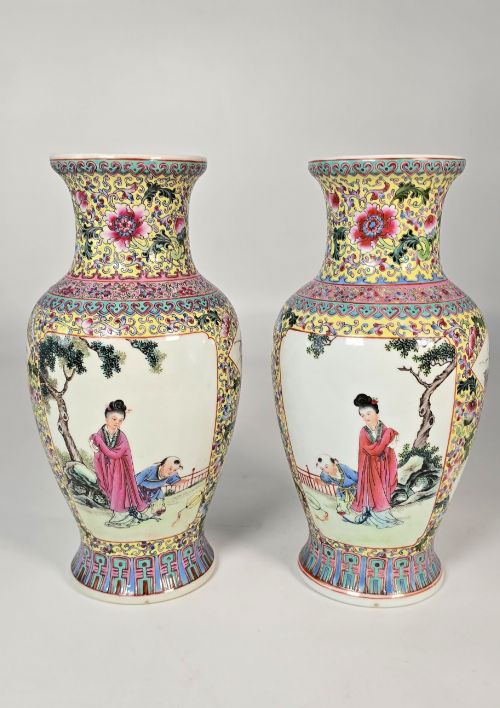
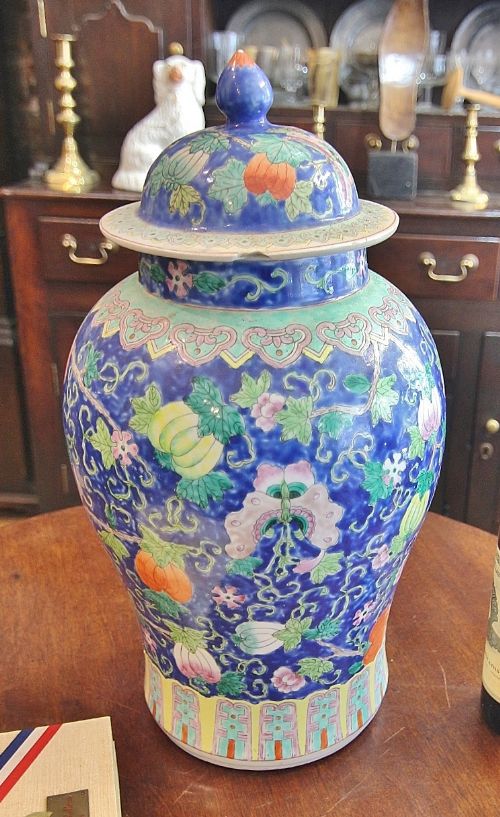
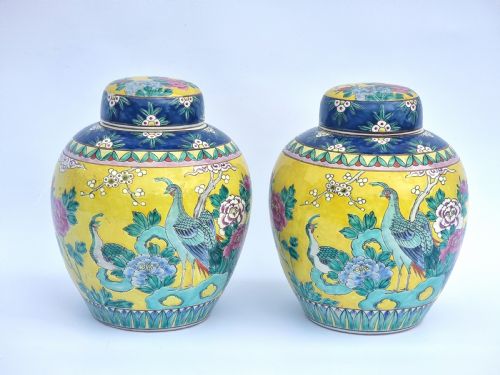
Polychrome enamel urns encompass heavily decorated vessels, ginger jars, table lamps and floor pieces spanning the nineteenth and early twentieth centuries. The selection leans heavily towards Chinese porcelain and Japanese Satsuma production alongside European faience and bronze works.
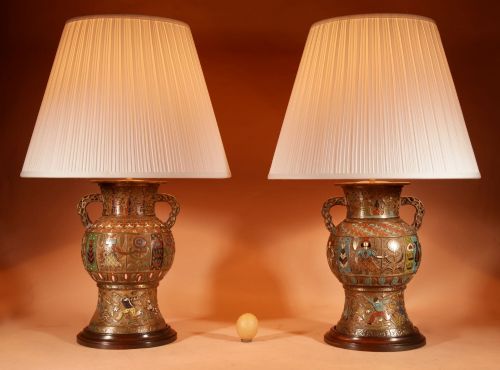
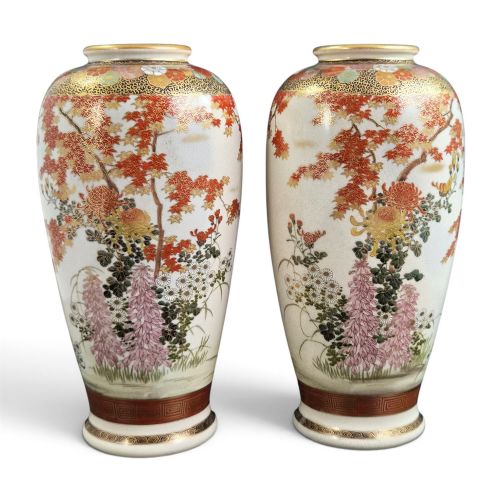
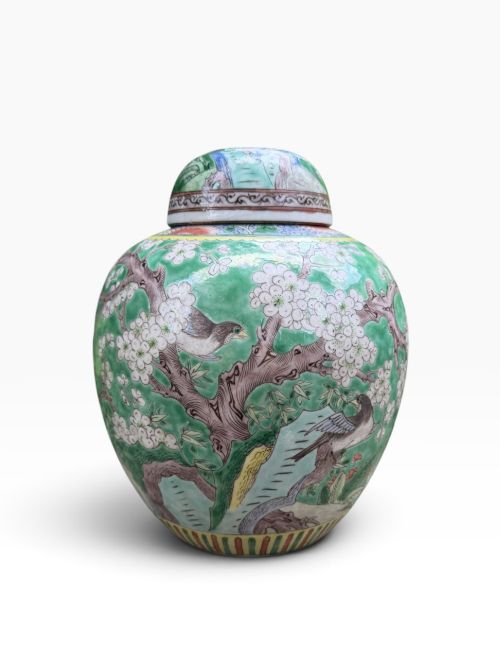
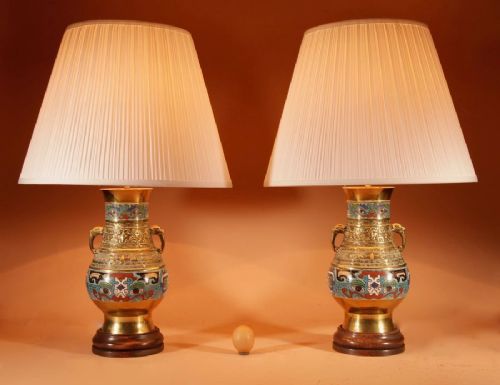
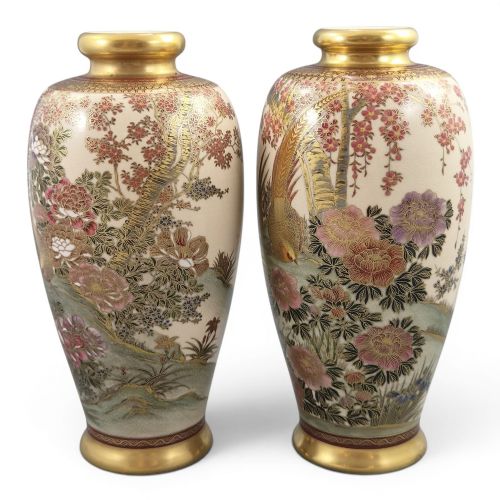
Forms range from massive palace vases and baluster shapes down to delicate lidded jars and table lamps adapted for modern utility. Buyers frequently encounter nineteenth-century Cantonese output and Meiji period Satsuma wares decorated with birds, flowers and traditional motifs.
Materials and Construction
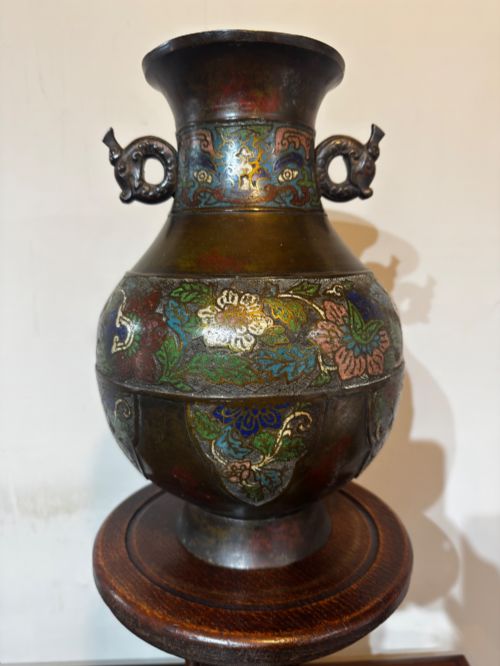
Makers utilised porcelain, earthenware and bronze as the primary structural bodies, applying detailed ground glazes and surface enamels. Champlevé and cloisonné techniques involve soldering metal wires or carving cells directly into bronze and brass before firing coloured glass pastes into the design.
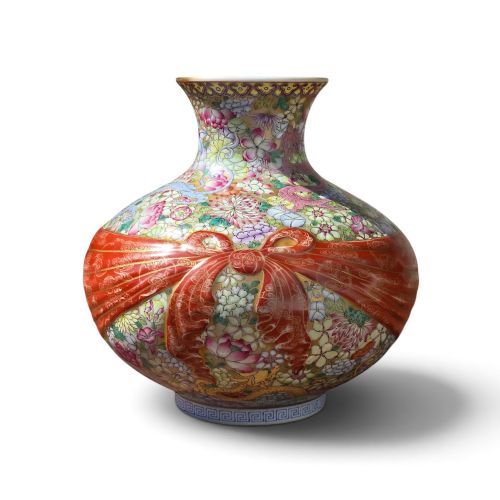
Gold leaf and iron-red pigments frequently accent the polychrome palettes, particularly on Satsuma and Chinese export pieces. Hand-painted details require precise brushwork across complex forms, followed by multiple kiln firings to fix the rich surface colours.
Listings feature items spanning the 18th century to the 1930s, incorporating porcelain, bronze, earthenware, brass and gold leaf.
Assessing Quality and Execution
The distinction between standard production and exhibition-quality work lies entirely in the precision of the enamel work and the complexity of the hand-painted motifs. Pieces signed by recognised makers or bearing specific period marks demonstrate superior brush control and finer metal wirework in champlevé elements.
The weight of the bronze or the refinement of the porcelain paste dictates the foundational quality of the vessel. Greater depth in the glaze colours and meticulous detailing of human figures, flora and fauna separate masterworks from commercial output.
Maruni Kobe·Manpei·Kinzan·Hododa·Moser·Jules Vieillard·Kinkozan
The Polychrome Enamel Urns Glossary
- Champlevé
- An enamelling technique where artists carve troughs or cells into a metal surface to hold coloured glass paste before firing. This method creates raised metallic outlines between different enamel colours.
- Cloisonné
- A decorative process using thin metal wires soldered to a metal base to form compartments that are subsequently filled with enamel. The piece is then fired and polished to a smooth finish.
- Satsuma
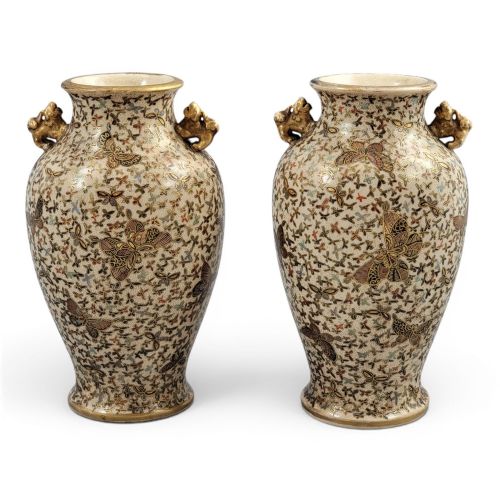
- Japanese earthenware originating from the Satsuma Domain, characterised by a crackled ivory glaze and rich polychrome and gilt decoration. These pieces often depict figurative scenes, butterflies and floral arrangements.
- Famille Rose
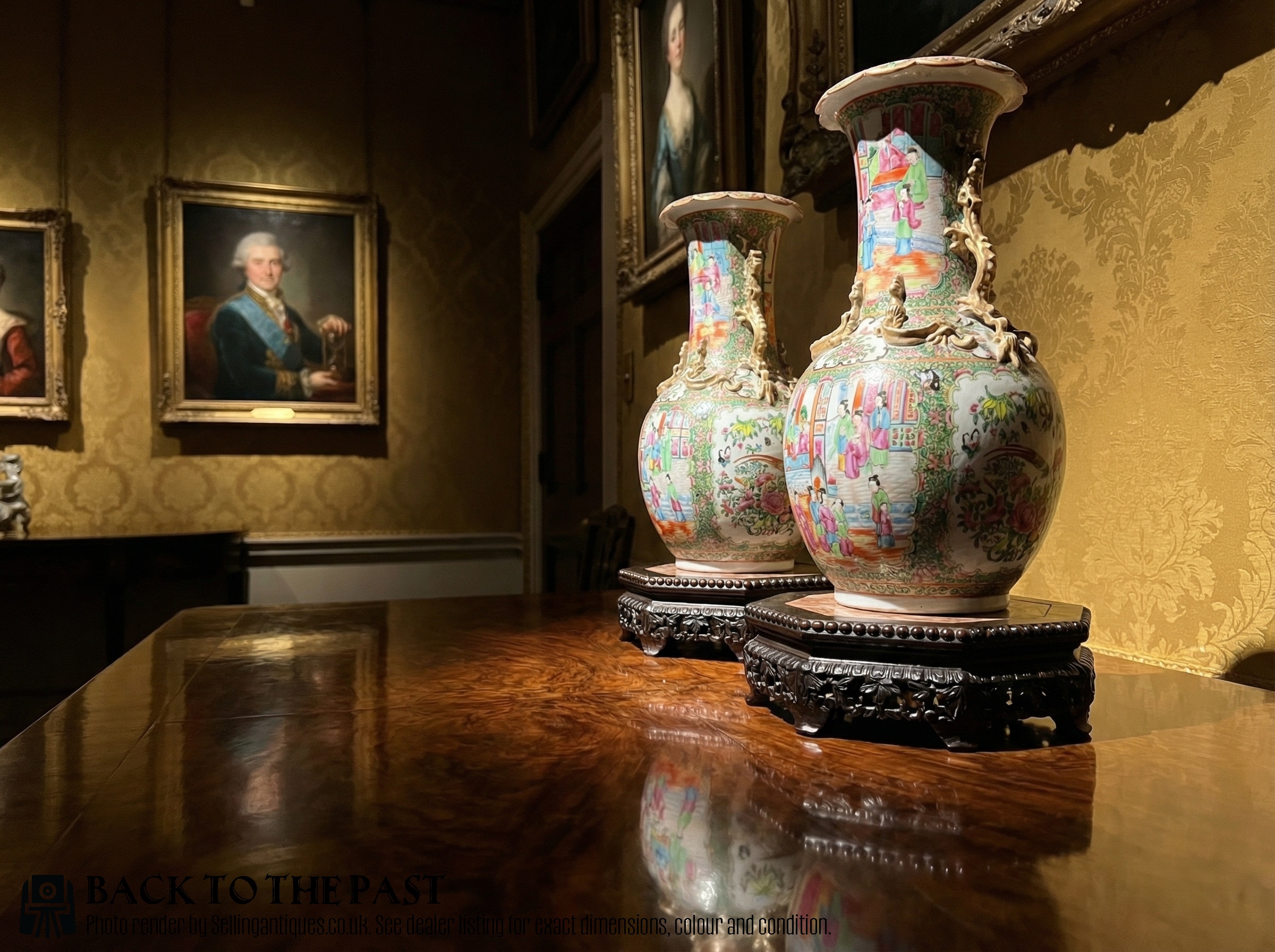
- A major palette of Chinese ceramic glazes introduced in the Qing dynasty, distinguished by opaque pink or purple enamel derived from colloidal gold. The palette allows for subtle tonal gradations in floral and figural subjects.
- Mon
- A Japanese heraldic badge or crest used to identify families, clans or prominent institutions. These emblems frequently appear on Satsuma and Kutani ceramics.
Polychrome Enamel Urns: Frequently Asked Questions
How do I care for antique enamel surfaces?
Dust these decorative pieces gently with a soft, dry cloth to protect the delicate enamel and gilt highlights from abrasion. Avoid using liquid cleaners or chemical solvents that might react with the aged glazes or exposed bronze.
Keep the vessels away from direct sunlight and damp environments to preserve the stability of the ceramic bodies and metal mounts over time.
Were these vessels used as lighting?
Many surviving examples, particularly from the late nineteenth and early twentieth centuries, were wired as table lamps either during manufacture or later in their history. The conversion process often utilised existing porcelain or bronze forms to suit contemporary interior tastes.
Buyers can find both original decorative urns and period-adapted lamps among these listings, reflecting the changing interior trends of the Edwardian era.
How do I distinguish Satsuma from Chinese porcelain?
Satsuma wares feature a distinctive crackled creamy earthenware glaze decorated with dense enamel and gold leaf, often associated with Japanese makers. Chinese porcelain employs a harder, vitrified white body with smooth underglaze or overglaze polychrome painting.
Examining the foot ring and weight of the vessel usually reveals the different material properties of Japanese earthenware versus Chinese hard-paste porcelain.
What period do most of these pieces date from?
The majority of these decorative vessels date from the nineteenth century through the early twentieth century, spanning the late Qing dynasty and the Meiji period. This era saw high volumes of intricate export wares produced for Western markets.
Later pieces extend into the Art Deco era and the Chinese Republican period, showing shifts in colour palettes and manufacturing techniques.