





Qing Dynasty Baluster Vases
Qing dynasty baluster vases bring sweeping curves and intricate hand-painted palettes into a room, spanning porcelain, bronze, and lacquer forms.
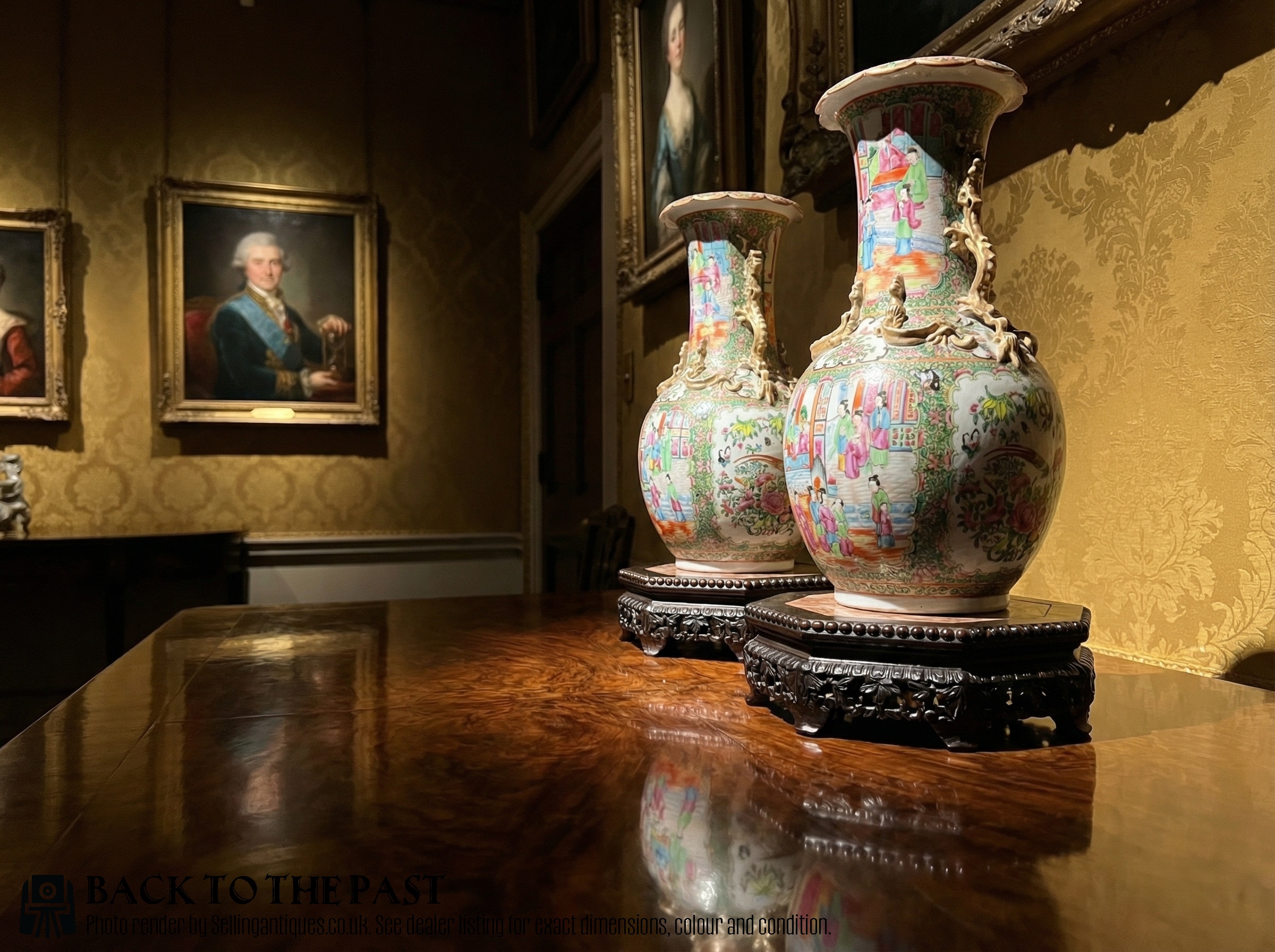
Qing Dynasty Baluster Vases
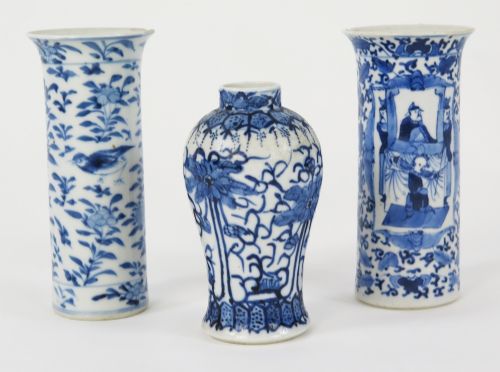
When you search for qing dynasty baluster vases, you encounter distinctive vessels featuring a curved profile that swells gracefully towards the centre before tapering near the foot. The selection relies heavily on nineteenth-century pieces alongside objects referencing earlier eighteenth-century designs.
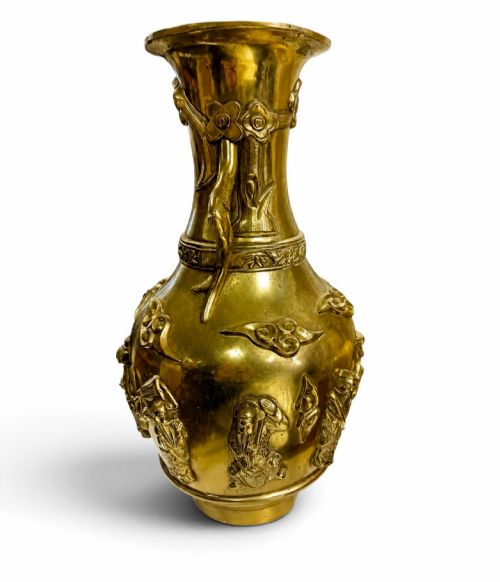
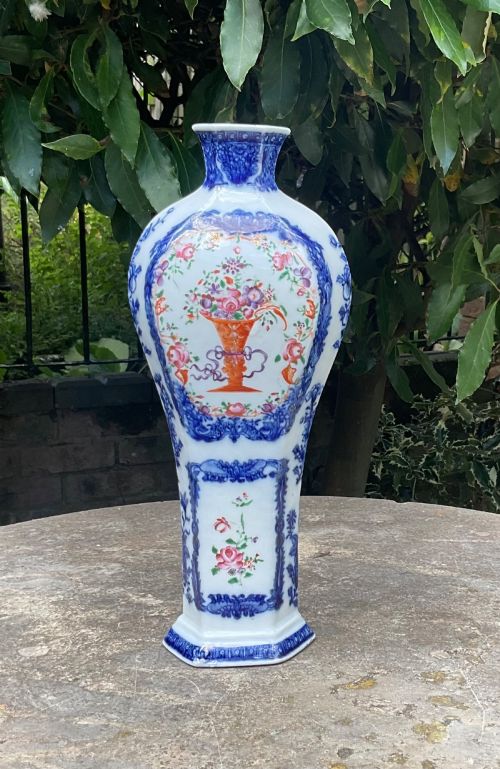
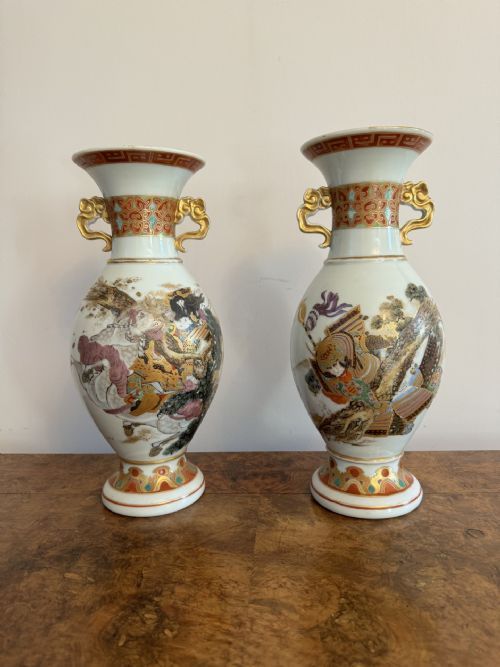
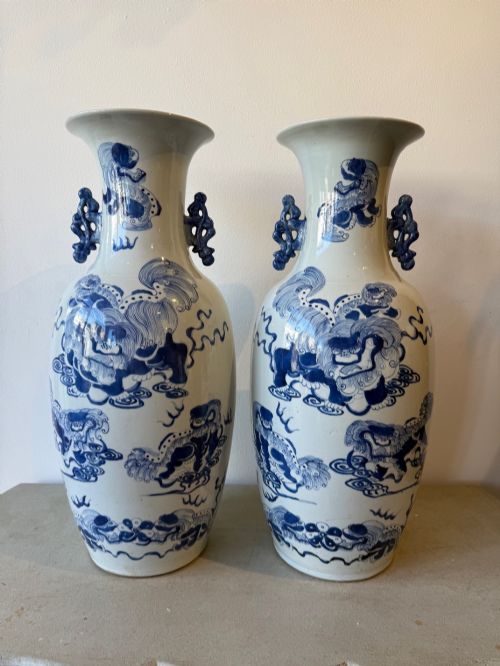
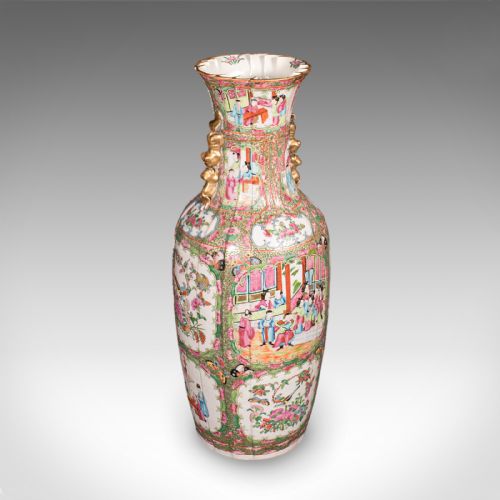
Most examples take the form of porcelain vessels decorated in blue and white, famille rose, or famille verte palettes. You also encounter bronze and copper-alloy iterations alongside cinnabar lacquer pieces, reflecting the diverse material culture of the period.
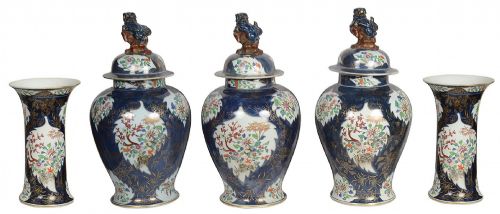
Many of these vessels function as tall centrepieces or garniture sets, while others have been adapted into table lamps with ormolu mounts. The forms range from standard cylindrical baluster shapes to square profiles and monumental floor vases.
Materials and construction
Potters shaped the ceramic bodies by throwing clay on a wheel or moulding porcelain before applying detailed hand-painted mineral pigments and enamel colours. Artisans often utilised high-relief casting techniques for bronze and copper-alloy variations, embedding intricate dragon motifs or Daoist figures into the metal.
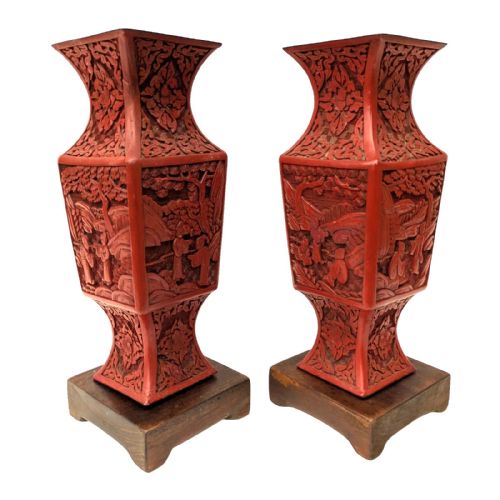
Cinnabar lacquer pieces required applying numerous layers of red lacquer over a wooden base before meticulously carving deep figurative scenes into the surface. Some porcelain vessels incorporated moulded elements like taotie rings or were subsequently paired with European ormolu mounts during later adaptations.
Listings feature porcelain, bronze, copper-alloy, and cinnabar lacquer materials spanning nineteenth-century Victorian and earlier Qing dynasty periods.
Assessing quality in the range
Quality rests upon the precision of the hand-painted brushwork and the clarity of the enamel glazes, where controlled firing temperatures yield smooth, luminous surfaces. Superior bronze and copper-alloy pieces demonstrate crisp relief casting with sharply defined facial expressions and deep detailing on dragon scales.
The weight and balance of the vessel dictate structural refinement, particularly in monumental floor vases and large baluster forms that require stable proportions. The presence of apocryphal or period base marks, such as Kangxi or Xuande references, adds historical context that influences collector interest.
The Qing Dynasty Baluster Vases Glossary
- Baluster
- A tall vessel shape characterised by a rounded body that swells in the lower half and tapers towards the neck. This profile mimics architectural balusters found on staircases.
- Famille Rose
- A ceramic palette dominated by opaque pink or rose enamel colours introduced during the eighteenth century. Artisans used this technique to render intricate floral and figurative compositions.
- Famille Verte
- A porcelain decoration style relying primarily on green enamel hues supplemented by iron red, yellow, and blue. This vibrant palette reached high popularity during the Kangxi period.
- Cinnabar Lacquer
- A decorative technique involving successive layers of red tree sap applied to a wood core and hand-carved. The resulting depth allows for intricate low-relief ornamentation.
- Garniture
- A set of matching vases designed for display together on a mantelpiece or cabinet top. These groupings typically comprise three or five coordinated vessels.
Qing Dynasty Baluster Vases: Frequently Asked Questions
How do I spot a true baluster shape?
A true baluster shape exhibits a wide, rounded lower section that gently tapers upward toward a narrow neck and flaring rim. This distinctive silhouette provides the vessel with inherent visual stability and balance.
Compare the shoulder width against the base diameter to confirm the classic curved profile seen across nineteenth-century examples.
Were these vases made as lamps originally?
Most of these vessels began life as decorative jars, urns, or centrepieces intended for display on tables and architectural ledges. Adapting them into table lamps happened later, frequently involving drilled bases and fitted ormolu mounts.
Examine the mounting hardware and base construction to determine whether electrification occurred during a subsequent interior design phase.
What does famille rose mean?
Famille rose refers to a porcelain decorating tradition defined by the prominent use of an opaque pink or carmine enamel. This palette allowed painters to achieve subtle tonal gradations in floral and human figures.
The style emerged during the Qing dynasty and remained a dominant aesthetic choice throughout the nineteenth century.
How do I tell blue and white periods apart?
Distinguishing periods relies on examining the cobalt blue pigment tone, the crispness of the underglaze painting, and the texture of the porcelain body. Nineteenth-century interpretations often reference earlier Kangxi designs through painted motifs or base marks.
Look closely at the brushwork control and glaze consistency to evaluate whether a piece dates to the Qing dynasty or a later revival.