

Chinese Blue White Porcelain
Chinese blue white porcelain brings centuries of cobalt painting and ceramic mastery into focus through plates, chargers, vases, and bowls.
Chinese Blue White Porcelain
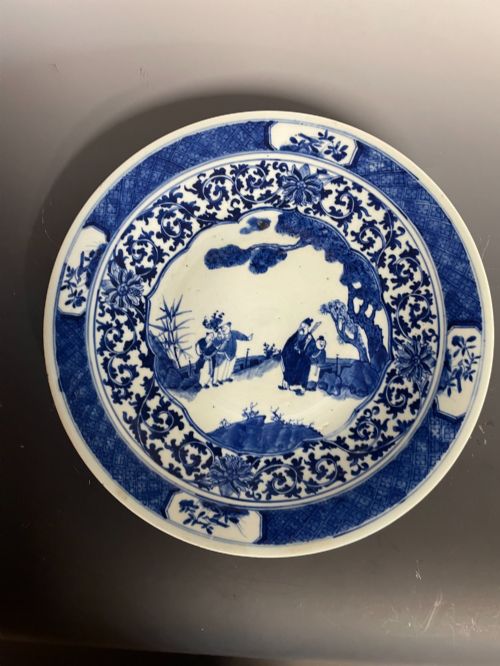
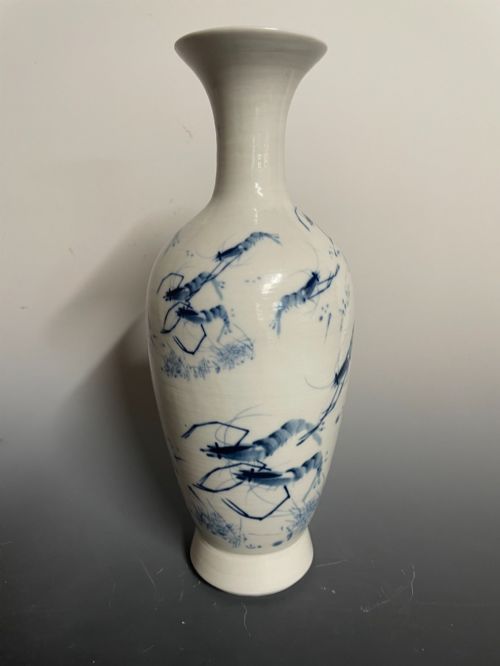
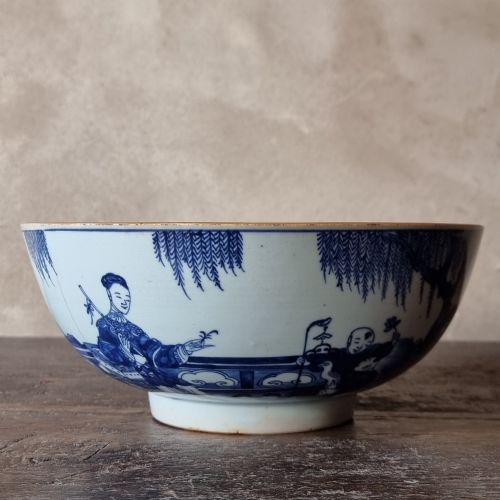
Chinese blue white porcelain spans domestic wares, export services, and scholarly objects created across the Ming and Qing dynasties down to the twentieth century. When exploring this phrase, collectors encounter forms ranging from monumental jars and chargers to delicate brush washers, stem cups, and tea caddies.
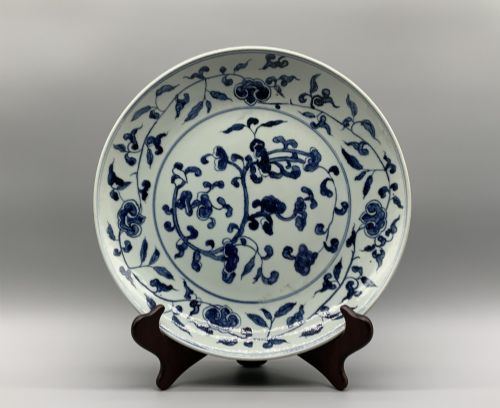
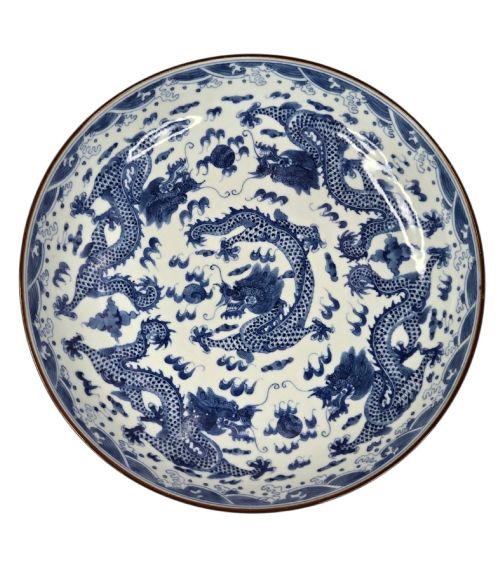
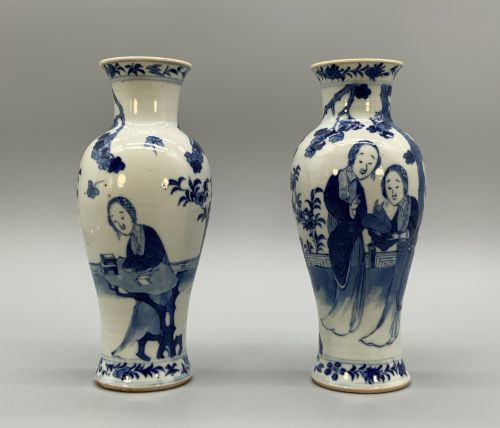
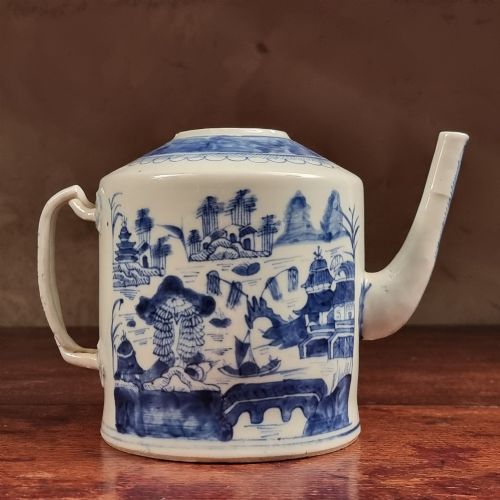
The pieces most frequently met on this page date from the seventeenth, eighteenth, and nineteenth centuries, including Kangxi and Qianlong period items alongside later Qing dynasty revivals. These vessels demonstrate durable ceramic bodies painted with cobalt beneath transparent glazes, often incorporating dragons, floral motifs, or figurative scenes.
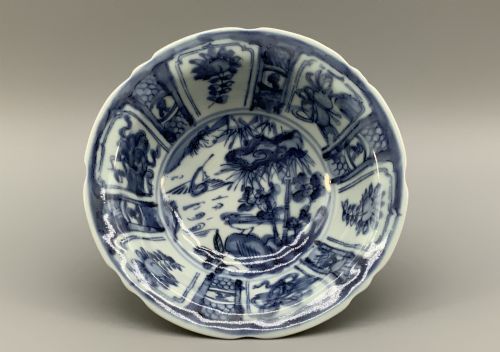
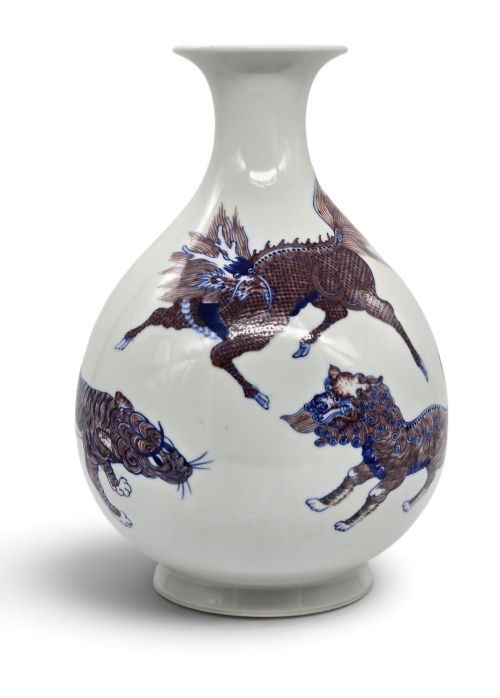
Provincial pieces and export wares share space with imperial-marked items, showing how trade and domestic demand shaped Chinese blue white porcelain over hundreds of years. Vases and decorative bowls appear alongside more specialised vessels like moon flasks, snuff bottles, and bitong brush pots.
Method and Material
These wares rely on a refined ceramic body fired at high temperatures to achieve a vitrified, resonant porcelain structure. Artisans applied cobalt pigment directly onto the unglazed surface before coating the piece in a clear glaze and firing it in a kiln.
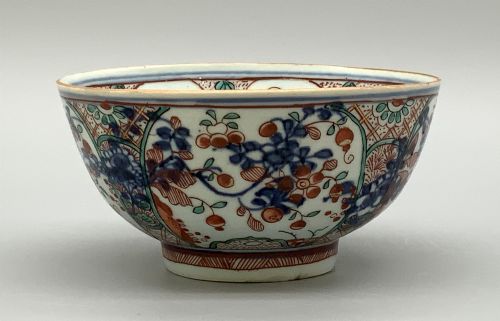
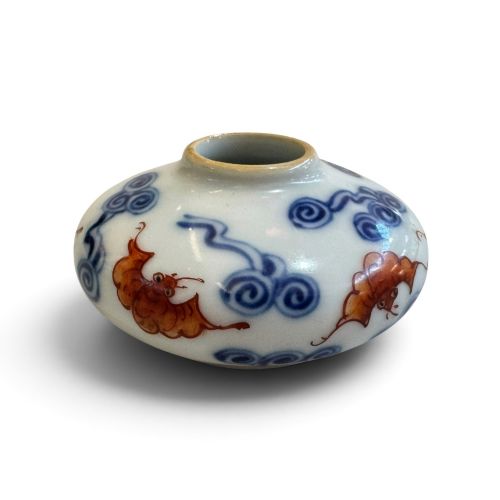
Underglaze cobalt painting required steady brushwork because the porous clay absorbed the pigment immediately, leaving no room for correction. Additional decorative effects sometimes combined cobalt underglaze with copper-red pigments, enamels, or celadon grounds.
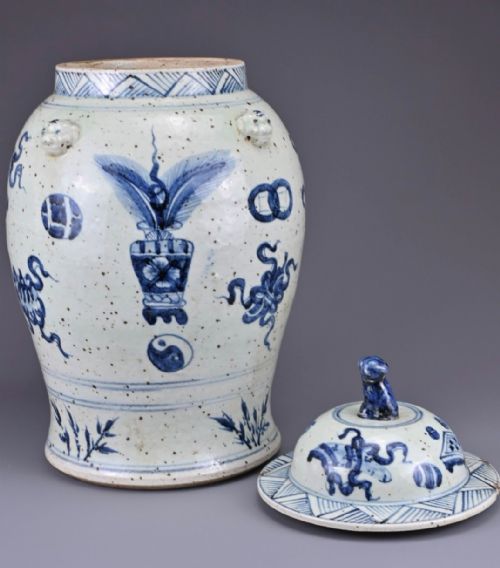
Listings feature porcelain forms spanning centuries, including jars, chargers, ginger jars, and stem cups decorated with cobalt underglaze.
Distinctions in Standard
Quality rests upon the purity of the white porcelain body, the control of the cobalt pigment, and the crispness of the brushwork. Superior examples display deep, luminous tones of cobalt with precise outlines, whereas lesser items show blurred pigment or greyish glazes.
The refinement of the potting shape and the balance of the painted composition also separate everyday export wares from exceptional scholarly or imperial productions. Superior throwing and careful kiln placement yield pots with thin, even walls and smooth, well-finished bases.
The Chinese Blue White Porcelain Glossary
- Cobalt Underglaze
- Pigment applied beneath the transparent glaze before firing. This technique protects the blue decoration from wear over centuries of handling.
- Charger
- A large circular plate or dish intended for ceremonial presentation or serving. These substantial pieces often feature elaborate dragon or floral compositions.
- Bitong
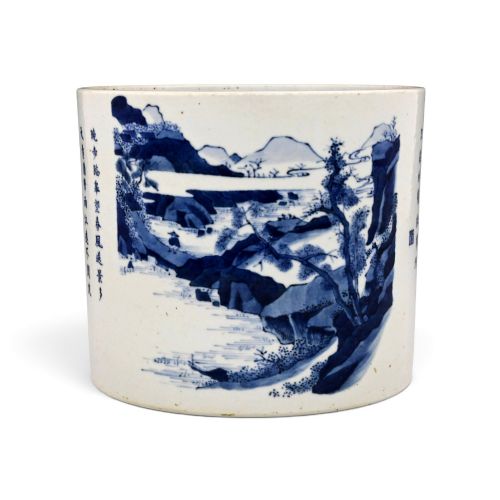
- A cylindrical brush pot used by scholars to hold writing implements. They are frequently decorated with narrative scenes or landscape motifs in cobalt.
- Kangxi Period
- A key era of ceramic achievement lasting from 1662 to 1722. Wares from this time are noted for brilliant cobalt shades and meticulous painting.
- Swatow Ware
- A category of robust, often freely painted seventeenth-century trade ceramics. These vessels were made for export across maritime Asia.
- Doucai
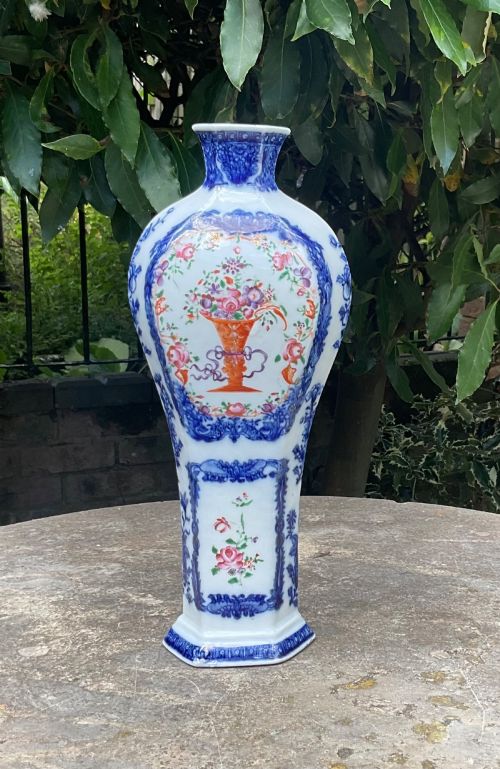
- A decorative technique combining underglaze blue outlines with overglaze enamel colours. The design is filled in after the initial high-temperature firing.
Chinese Blue White Porcelain: Frequently Asked Questions
How do I date these porcelain pieces?
Dating relies on combining stylistic evidence, potting characteristics, and any reign marks found on the base. Comparing the cobalt tone and brushwork style to known period examples helps narrow the decade of production.
Many pieces lack imperial marks and instead carry apocryphal marks or commendation symbols. Analysing the clay body and glaze texture provides further clues to whether a piece belongs to the Ming dynasty, the Kangxi era, or later nineteenth-century revivals.
Were these items meant for export or domestic use?
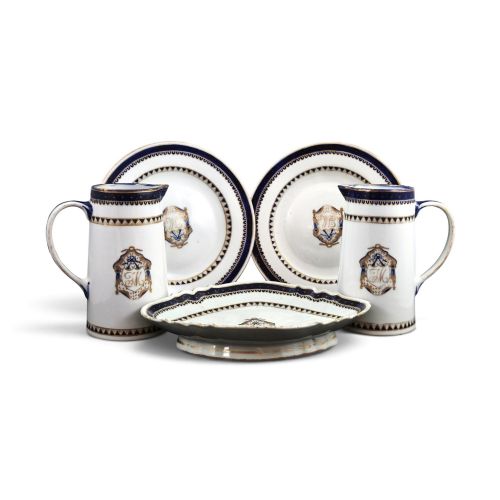
Chinese blue white porcelain served both domestic patrons and international markets across Europe, Asia, and beyond. Export wares often featured shapes and monograms tailored to Western tastes, such as tea services and armorial platters.
At the same time, domestic and imperial kilns produced items for local scholars, temples, and court use. These domestic objects included specialised scholar's items like brush washers and libation cups alongside large dragon chargers.
How should I display porcelain at home?
Displaying these ceramics safely involves placing them on stable, level surfaces away from heavy foot traffic or direct vibrational hazards. Vases and jars benefit from sturdy wooden stands that distribute their weight evenly.
Direct, prolonged sunlight can affect certain overglaze enamels, though underglaze cobalt remains exceptionally stable. Keeping pieces away from temperature extremes protects the glaze and body from thermal stress.
What is the difference between export and imperial wares?
Imperial wares were commissioned for the court and strict official use, often featuring five-clawed dragons and precise imperial reign marks. These pieces represented the pinnacle of kiln technology and artistic oversight.
Export wares were produced in vast quantities to satisfy global trade demands, adapting traditional Chinese motifs for foreign buyers. While export pieces varied from simple utilitarian bowls to finely painted dinner services, they reflect the broader international reach of Chinese potteries.