


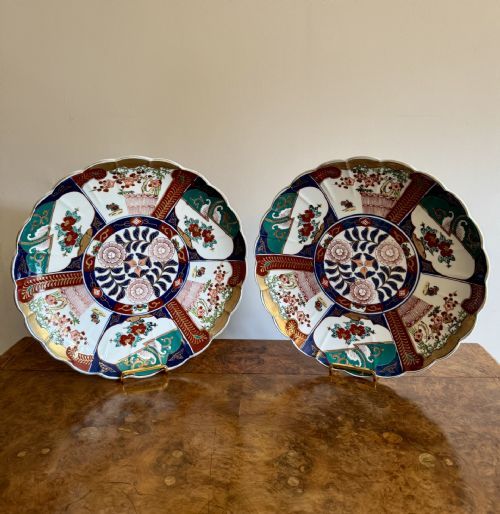


Gilded Japanese Imari Plate
A gilded japanese imari plate brings rich cobalt underglaze, enamel and gold leaf into a room, offering striking ceramic artistry.
Gilded Japanese Imari Plate
A gilded japanese imari plate displays distinctive hand-painted floral and bird motifs across porcelain surfaces. Collectors search for this specific phrase to find decorative dishes, chargers and platters dating from the 18th century through to the Victorian era and the Meiji period.
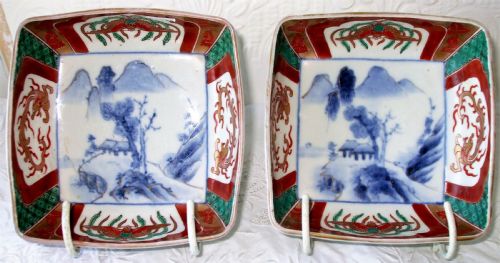
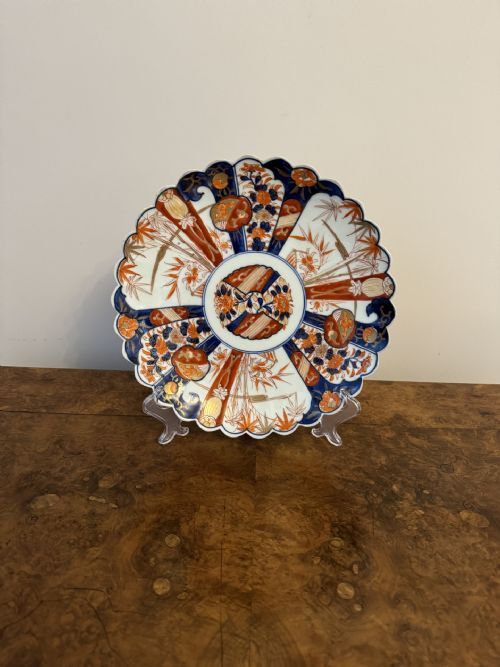
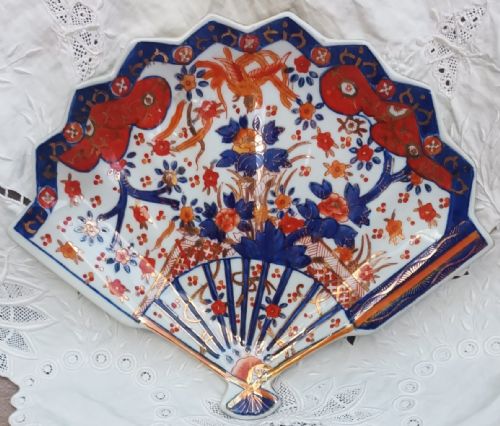
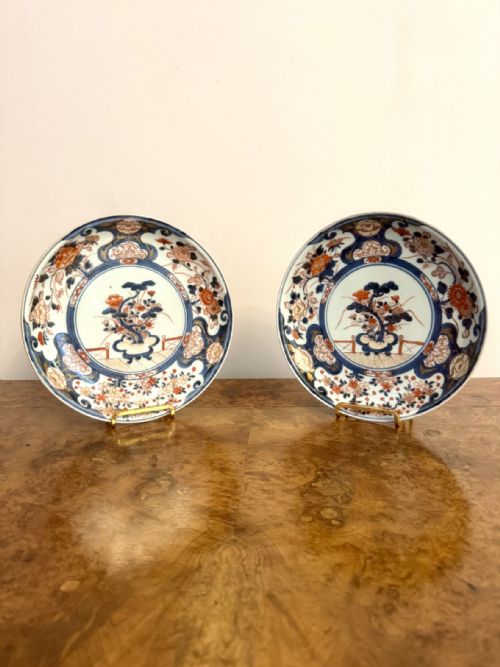
The pieces appearing on this page span from standard circular plates to scalloped, shell-shaped, fan-shaped, square and octagonal forms. Larger chargers measure up to substantial diameters, while smaller dishes offer alternative display options for walls and cabinets.
Materials and production
Artisans formed these pieces from hard porcelain, applying cobalt underglaze pigments before the initial firing. Enamel colours and gold leaf or gilding were then added in subsequent stages to create the characteristic layered palette.
British ceramic manufacturers also produced derivative ceramic chargers with imari coloured decoration during the late 19th century, incorporating specific factory date marks.
Several plates take the delicate form of fans and shells, proving that historic artisans loved turning dinnerware into marine and stationery sculptures.
Assessing quality and finish
The refinement of the hand-painted floral and bird design distinguishes finer examples from standard production. Precision in the application of enamel and gold leaf, alongside the crispness of the cobalt underglaze, elevates certain chargers.
Form dictates variety as well, with unusual shapes such as fan, shell or octagonal profiles requiring greater skill from the potter than simple round plates.
The Gilded Japanese Imari Plate Glossary
- Imari
- A style of Japanese porcelain decorated in underglaze blue, iron red, and gold. This palette originated in the town of Arita and was exported through the port of Imari.
- Charger
- A large decorative plate utilised for display rather than dining. These substantial ceramic pieces often measure over twenty inches across.
- Meiji Period
- The era of Japanese history lasting from 1868 to 1912. Many extant imari plates date from this prolific manufacturing period.
- Cobalt Underglaze
- A blue pigment applied to ceramic bodies before glazing and firing. It provides the deep blue foundation beneath the enamel and gilding.
- Arita
- The Japanese town where the production of these porcelains centres. Artisans here shaped the ceramic bodies before decoration.
Gilded Japanese Imari Plate: Frequently Asked Questions
How are gilded japanese imari plates displayed?
These decorative plates and chargers sit on tables, cabinets or mount directly onto walls using suitable brackets.
Larger chargers serve as focal points above furniture, while smaller dishes fit neatly into cabinet displays.
What periods do these plates date from?
The inventory includes items spanning from the 18th century through the 19th century and into the early 20th century.
Victorian aesthetic movement examples and Meiji period pieces appear frequently among the listings.
Are all imari plates Japanese?
The majority originate from Japan, specifically the Arita region and the Meiji or Edo periods.
British potteries also produced ceramic chargers featuring imari coloured decoration during the late 19th century.
What shapes do these plates come in?
Standard circular plates and large chargers form the foundation of most collections.
Unusual variations include octagonal, square, fan-shaped and shell-shaped formats.