





Large Porcelain Wall Plate
A large porcelain wall plate brings substantial hand-painted artistry to a room, offering striking focal points for display.
Large Porcelain Wall Plate
A large porcelain wall plate functions primarily as a decorative charger or display platter, designed to be mounted on walls or presented on cabinets. These pieces span centuries of production, originating from European factories, Chinese kilns, and Japanese workshops.
Originating from periods including the eighteenth century, the Victorian era, and the Meiji period, these items reflect diverse cultural traditions in ceramic decoration. Each piece provides a substantial surface area utilised by historical artisans for complex pictorial narratives.
Materials and techniques
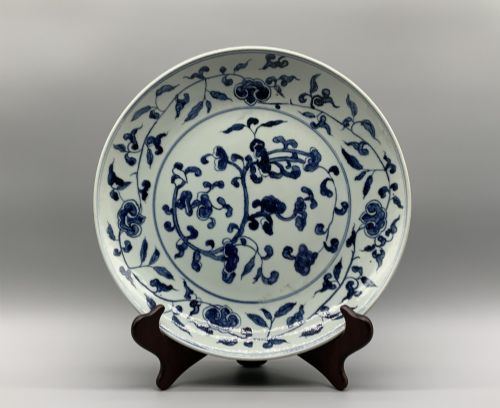
Potters constructed these objects using hard-paste or soft-paste porcelain clay bodies fired at high temperatures to achieve a vitrified white base. Artisans applied cobalt glaze beneath the transparent surface layer before secondary firings.
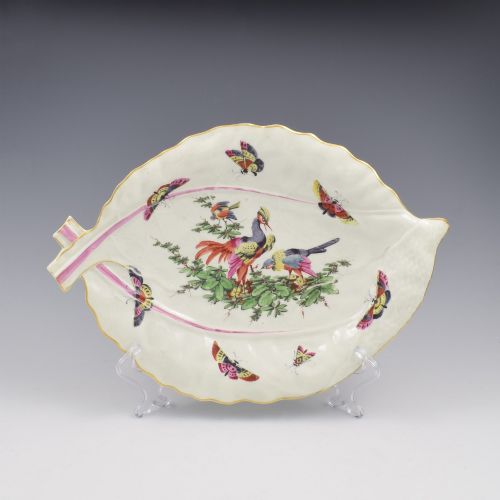
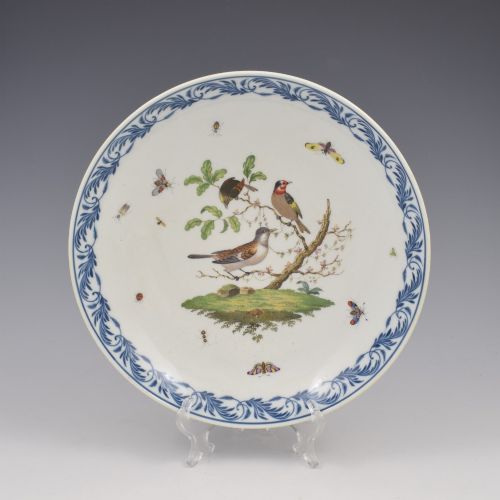
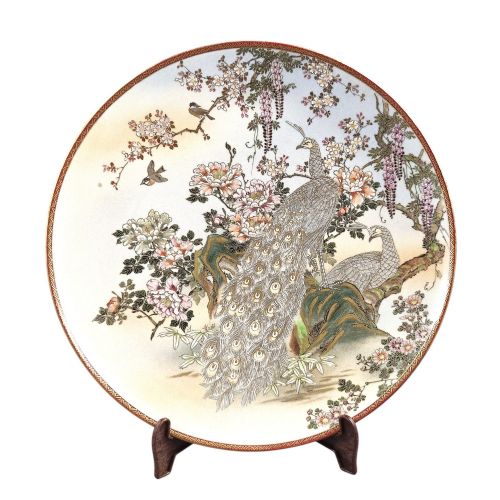
Overglaze enamels, gold leaf, and gilt details were painted by hand over the initial glaze and fixed in a muffle kiln. Japanese and European workshops employed skilled painters to execute detailed figures, landscapes, and birds.
Techniques such as moriage applied raised slip paste to create textured surface details on Japanese Satsuma and Imari chargers. Cloisonne wirework combined with porcelain body forms appears in specific specialised wares from the Meiji period.
Listings span Japanese Imari, Chinese porcelain, and European factories including Meissen, Vienna, and Paris.
Variations in quality
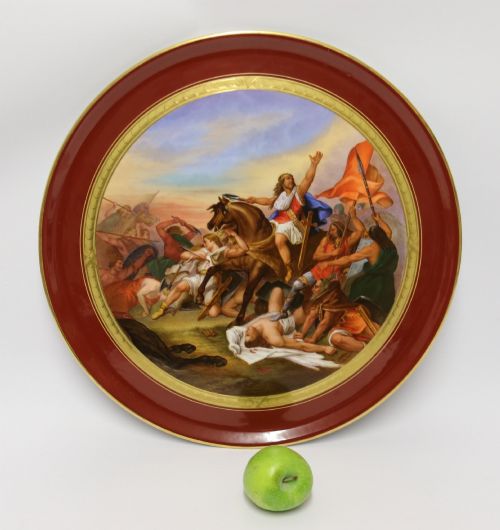
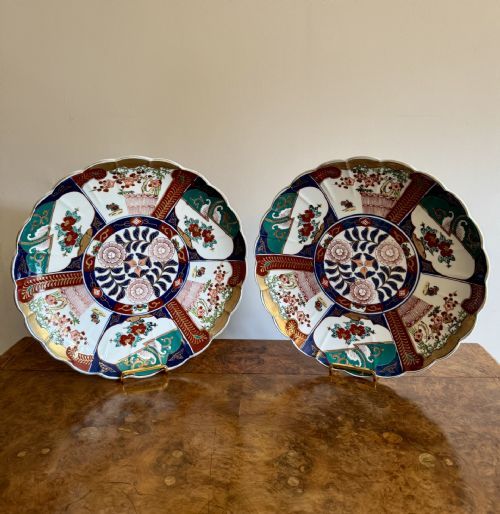
Quality rests in the precision and complexity of the hand-painted brushwork across the porcelain surface. Superior examples demonstrate confident lines and balanced compositions, particularly within intricate Imari palettes and narrative battle scenes.
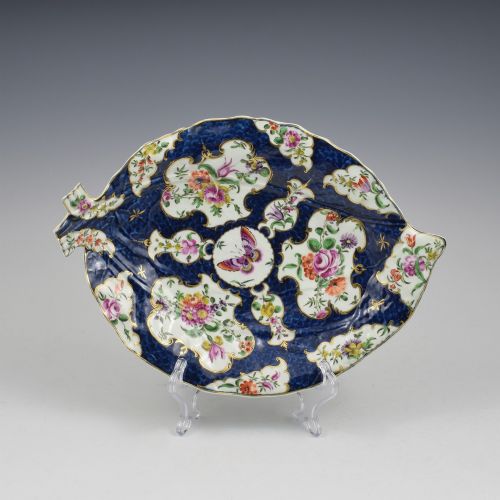
The richness of the palette, including the depth of cobalt blue and the purity of applied gold leaf, separates standard output from exceptional factory or studio work. Artisanal control during high-temperature firing determines the crispness of the glaze and colours.
The Large Porcelain Wall Plate Glossary
- Charger
- A large decorative plate utilised historically for ceremonial dining or prominently displayed on walls and dresser backs. These vessels provide a broad canvas for elaborate painted motifs.
- Imari
- A style of Japanese porcelain featuring a distinctive palette of underglaze blue, iron red, and gilt highlights. Originating in the Edo period, this aesthetic gained immense popularity in European export markets.
- Moriage
- A Japanese ceramic technique where liquid clay is piped onto the surface in raised dots or lines to create tactile relief. This decoration often frames painted birds and floral arrangements.
- Overglaze
- Enamels applied to an already fired and glazed ceramic piece before undergoing a subsequent low-temperature firing. This method allows for a wider spectrum of vibrant surface colours.
- Kraak
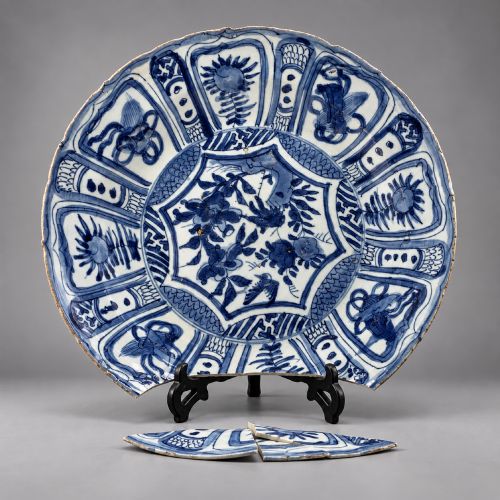
- Chinese export porcelain characterised by panelled border designs and central aquatic or avian motifs. Produced mainly during the Ming and Qing dynasties, it heavily influenced European delftware.
Large Porcelain Wall Plate: Frequently Asked Questions
How do you hang a large porcelain wall plate?
Displaying these objects safely requires specialised spring-loaded brass wall hangers that distribute the weight evenly around the rim without causing structural stress to the ceramic body.
Ensure the mounting hardware is secured directly into wall studs or employs heavy-duty anchors rated to support the specific weight of the charger.
Were these plates used for dining?
Many large chargers served as ornamental showpieces rather than functional tableware due to their considerable size and valuable painted surfaces. European and Asian households traditionally displayed them on sideboards or walls.
Certain historical examples functioned in grand dining settings as underplates beneath smaller course dishes during formal banquets.
What is the difference between Chinese and Japanese chargers?
Chinese chargers from periods like the Kangxi reign frequently showcase dynamic cobalt blue narrative scenes or famille verte enamel work with refined, delicate linework. Japanese equivalents, such as Arita Imari, often employ bolder, high-contrast palettes combining iron red and gold.
Stylistic motifs also diverge, with Chinese pieces favouring scholarly symbols and imperial iconography, while Japanese counterparts lean towards nature-inspired asymmetrical compositions.