








Japanese Porcelain Wall Dish
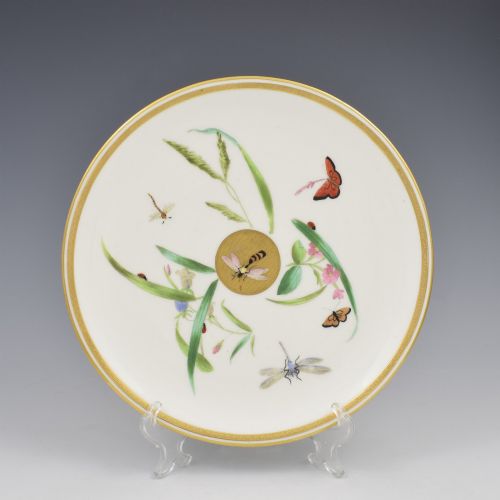
A Japanese porcelain wall dish brings vibrant hand-painted colour and intricate design from the Meiji period and Victorian era directly into your interior.
Japanese Porcelain Wall Dish
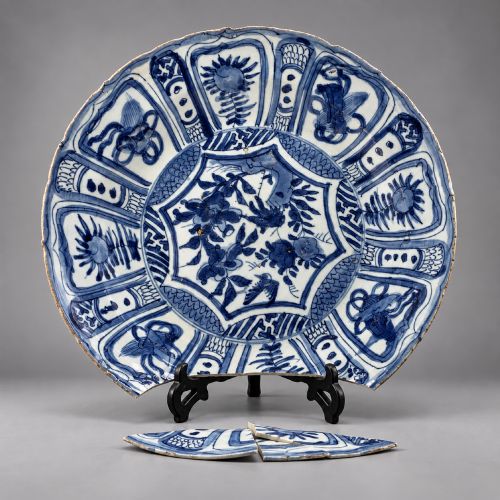
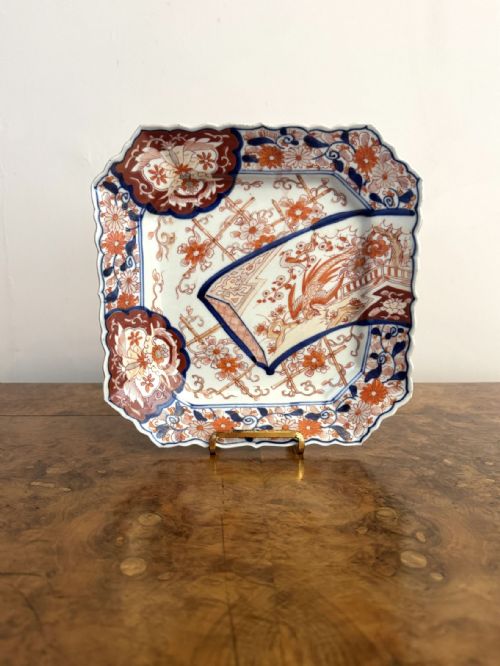
A Japanese porcelain wall dish encompasses substantial chargers, decorative plates, and cabinet dishes designed primarily for display rather than dining. The pieces available here draw heavily from the Meiji period, nineteenth century, and Victorian eras, bringing distinct historical character to any room.
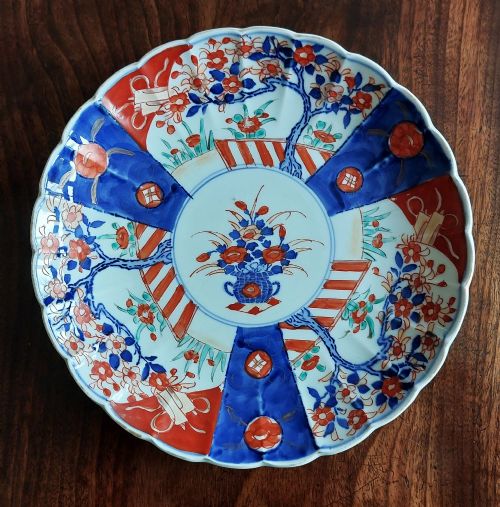
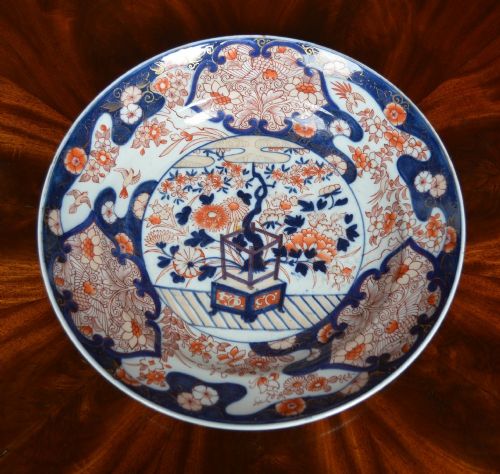
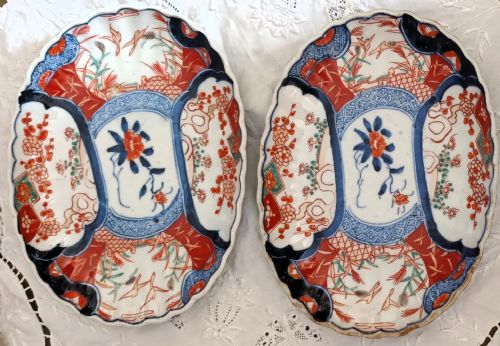
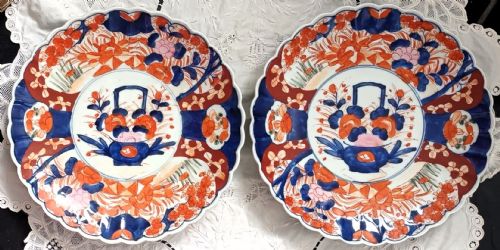
Imari patterns dominate the selection, often presenting traditional blue and white schemes alongside iron red and gilt highlights. Alongside these, buyers encounter Satsuma wares, Kutani pieces, and unusual cloisonne tree bark surfaces known as Totai Shippo.
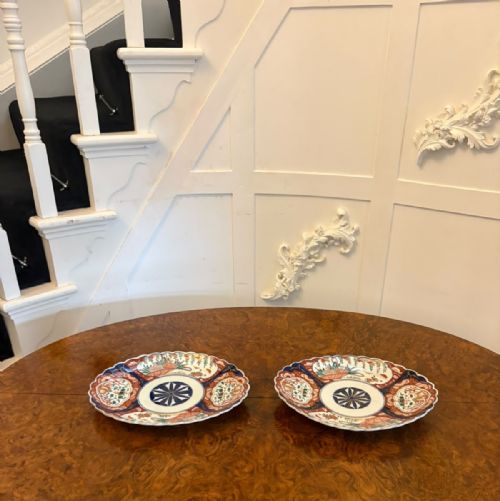
Forms vary from classic circular chargers to oval dishes, square shaped plates, and scalloped edges intended for wall hanging or cabinet display. Many survive as matched pairs or larger sets, offering symmetrical options for interior decoration.
Materials and Techniques
Potters shaped fine ceramic paste into durable porcelain, earthenware, and pottery bodies before applying cobalt underglaze, enamel colours, and detailed hand painting. Artisans utilised gold leaf and gilt highlights to accentuate rich pictorial scenes depicting exotic birds, peonies, and figures.
Specialised techniques include moriage raised enamel work and the intricate application of cloisonne enamels directly onto porcelain surfaces to mimic tree bark textures. Firing in traditional kilns fixed these complex layers of glaze and metallic pigments into permanent finishes.
Listings feature periods spanning from the Victorian era and the 1850s through to the Meiji period and 1920.
Factors Determining Quality
Quality rests upon the precision and complexity of the hand painting, where crisp cobalt underglaze details and finely controlled enamel work distinguish superior examples from standard production. The density and application of gold leaf further elevate a charger's visual impact.
The sophistication of the form also dictates standing, with unusual shapes like square profiles, scalloped edges, and substantial charger dimensions commanding attention over simple round plates. Preservation of the original glaze and enamel surface without excessive rubbing marks the finest survivors.
Koshida
The Japanese Porcelain Wall Dish Glossary
- Imari
- A style of Japanese porcelain decorated in underglaze blue, iron red, and gilt. It originated in Arita and became immensely popular for export during the Meiji period.
- Satsuma
- A type of Japanese earthenware featuring a crackle glaze and elaborate polychrome enamels often enhanced with raised gold. These wares frequently depict historical figures and natural scenes.
- Kutani
- Japanese porcelain recognised by its bold colour palettes, particularly strong greens, blues, and reds. It often incorporates detailed pictorial subjects across chargers and decorative plates.
- Charger
- A large decorative plate intended for display on a wall or sideboard rather than for serving food. They provide a broad canvas for complex hand-painted narratives.
- Totai Shippo
- An unusual technique where cloisonne enamel is applied directly onto a porcelain or ceramic body. This method frequently creates textured surfaces resembling tree bark.
- Moriage
- A decorative ceramic technique using slip to build up raised dots and lines of enamel. This creates a tactile, three-dimensional surface effect on Satsuma and other wares.
Japanese Porcelain Wall Dish: Frequently Asked Questions
How do I hang a heavy charger?
Heavy ceramic chargers require specialised wall mounting hardware that supports the entire base evenly rather than relying on simple wire grips. Ensure the fixing secures firmly into wall studs or uses appropriate masonry anchors.
Position the dish at eye level where the hand-painted details and gilt highlights catch natural room light without risk of accidental contact from passing traffic.
What is the difference between Imari and Satsuma?
Imari pieces consist of hard porcelain decorated with cobalt blue, iron red, and gold, presenting a crisper ringing sound when tapped. They usually feature geometric borders alongside floral and bird motifs.
Satsuma items utilise an earthenware body covered in a fine crackle glaze, decorated with softer enamel pigments and raised moriage work. They typically depict dense figural scenes or natural landscapes.
Can these dishes be used for food?
Antique decorative plates and chargers feature historic glazes and enamel pigments that may contain lead or other substances unsuited for modern culinary use. Cleaning should be restricted to gentle dusting with a soft dry cloth.
Exposing these delicate ceramic surfaces to moisture and detergents risks damaging the original hand-painted details and gilt highlights built up over a century ago.
How do I date a Japanese ceramic piece?
Dating relies on stylistic clues such as the transition from Victorian aesthetic influences to Meiji period export standards, alongside specific kiln marks where present. The complexity of the enamel palette and manufacturing body also offer clear chronological markers.
Comparing the hand-painted motifs against documented examples from the late nineteenth and early twentieth centuries helps narrow the production window.