


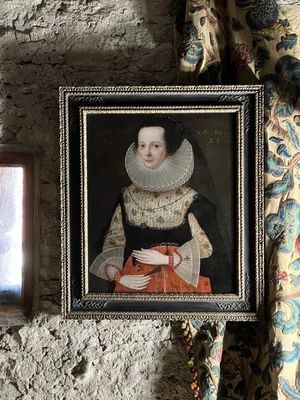
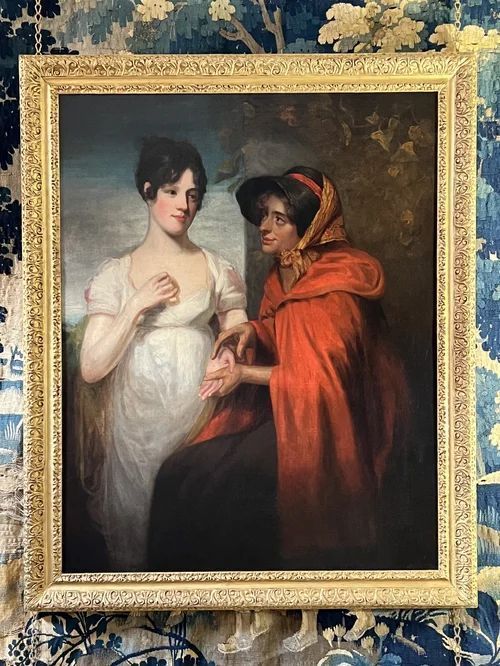
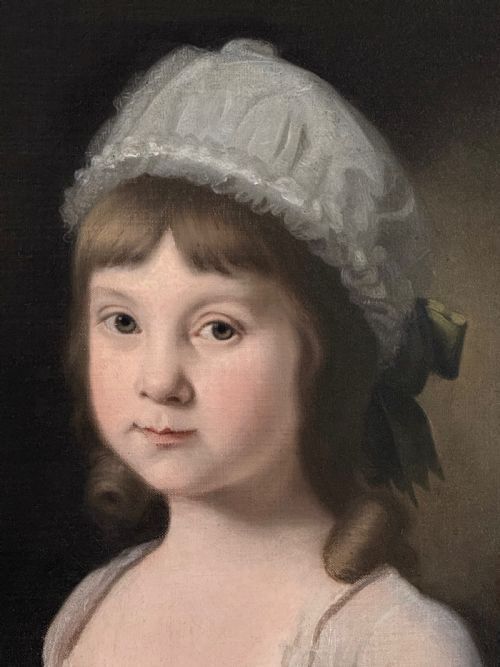
Gilded Framed Portrait
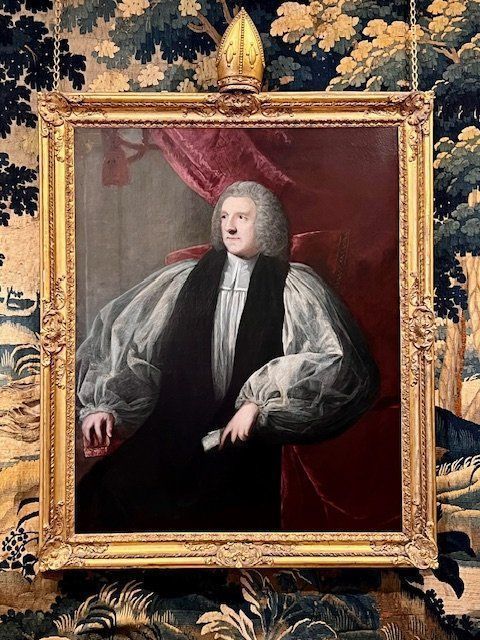
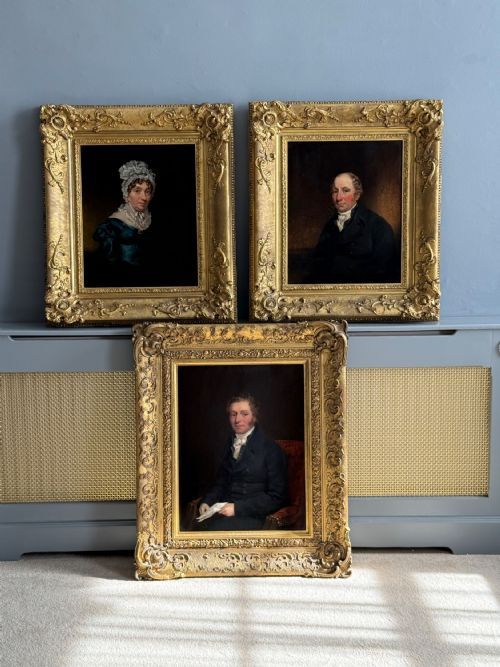
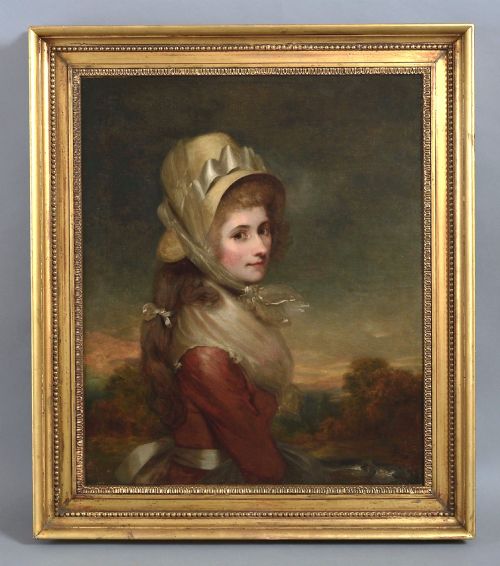
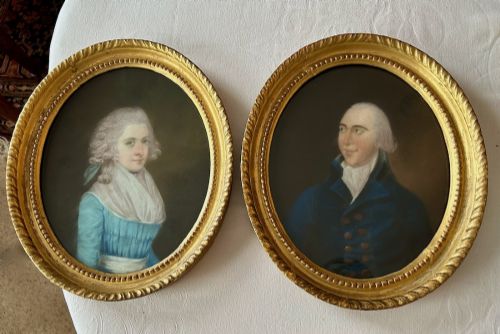
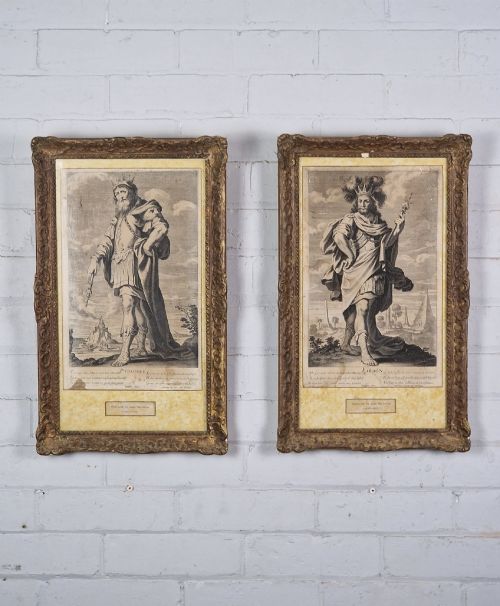
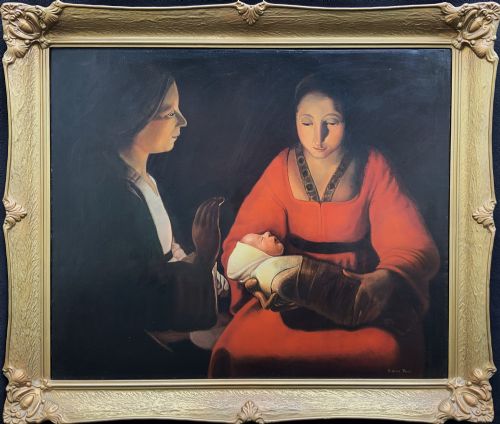
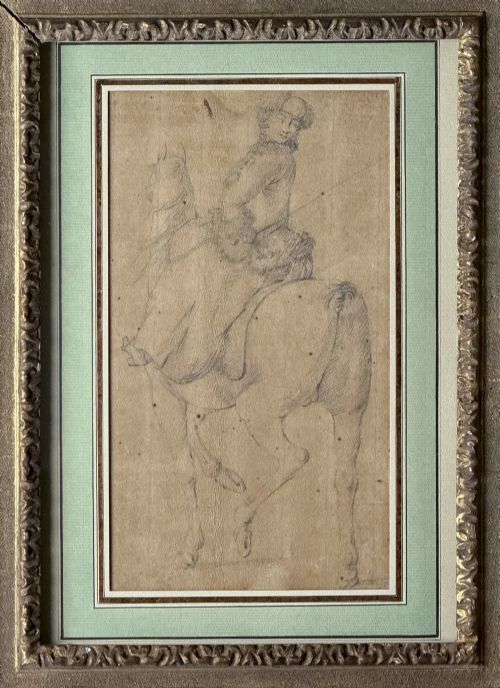
These gilded framed portrait pieces bring centuries of character to a wall, combining fine portraiture with ornate gold leaf frames.
What They Are
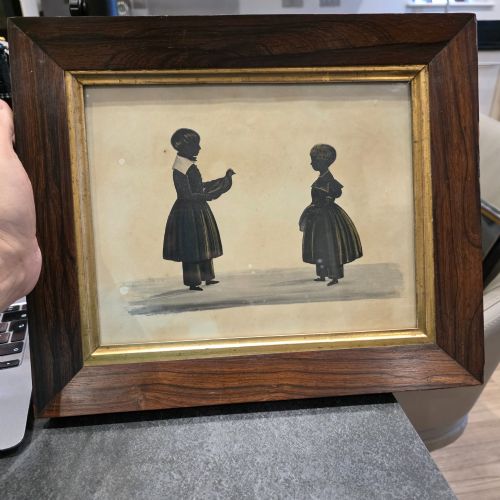
A gilded framed portrait brings together historic portraiture and decorative framing across several centuries of artistic tradition. When exploring these works, you will encounter diverse forms ranging from large oil paintings to delicate miniatures.
The pieces on this page span from the seventeenth century through the nineteenth century, including Georgian, Romanticism, Mughal, Belle Epoque and Baroque styles. You will find subjects executed in oil on canvas, watercolour and paper, each enclosed in a gold leaf or gilt frame.
How They Were Made
Makers applied oil paint to canvas or watercolour to paper, often working within established studio traditions or specific regional schools. Portraiture of this scale demanded careful control of pigments to capture likeness and texture.
Frames were constructed from wood and finished with gold leaf or gilt treatment to complement the artwork. The glass then protected the surface of works on paper, such as watercolours and miniatures.
Retail Price Guide 2026
Typical UK retail prices for gilded framed portrait, calculated from the Sellingantiques database of over a million retail prices indexed since 2003. This retail price guide relies exclusively on Sellingantiques data; no external sources or auction records are used, so the figures do not describe the wider market.
Mughal Emperor Akbar II gazes out from a nineteenth-century miniature, proving that fine art travels further than royal decrees.
What Varies in Quality
Quality rests in the execution of the brushwork and the expressive depth of the sitter's representation. Works originating from recognised circles or specific schools display a higher degree of anatomical precision and tonal balance.
The craftsmanship of the frame also dictates overall distinction, with hand-gilded wooden mouldings offering greater depth than later replacements. The preservation of the original medium, whether oil on canvas or delicate watercolour under glass, remains central.
Joshua Reynolds·John Riley·Fernand Toussaint
The Gilded Framed Portrait Glossary
- Gilt
- A thin layer of gold applied to the surface of a wooden frame. This finish catches the light and adds richness to the presentation.
- Watercolour
- A painting method where fine pigments are suspended in a water-based solution on paper. It requires a steady hand and allows for translucent washes of colour.
- Oil on Canvas
- Pigments bound in an oil medium spread across stretched fabric. This technique permits rich blending and sustained durability.
- Portrait Miniature
- A small, highly detailed painting designed for intimate viewing. These works often required magnifying glasses during their creation.
- Circle of
- A designation indicating an artist working closely in the style of a master, often within the same studio. It denotes a high level of contemporary competency.
Frequently Asked Questions
How do I hang a heavy framed painting?
Heavy frames require sturdy fixings screwed directly into wall studs or appropriate masonry anchors. Ensure the hanging wire and D-rings on the back are robust enough to support the total weight.
Position the centre of the portrait at approximately eye level for optimal viewing. Check the wall structure before installation to guarantee long-term security.
Where should I place watercolours?
Watercolours on paper are sensitive to direct sunlight, which can fade pigments over time. Hang them in rooms with controlled, indirect lighting to preserve their delicate tones.
Keep them away from areas with high humidity, such as bathrooms or unvented kitchens. Stable indoor temperatures protect both the paper and the surrounding frame.
How do I clean a gilded frame?
Dust the gilded wooden frame gently with a soft, dry brush or feather duster. Avoid using water, chemical sprays or abrasive cloths, which can strip the gold leaf finish.
If stubborn grime accumulates, consult a professional conservator rather than attempting DIY cleaning. Preserving the original gilt surface maintains the historic integrity of the piece.
What does circle of an artist mean?
The term indicates that a painter worked in close association with a named master. These artists adopted similar techniques and often shared studio practices.
Such works reflect the stylistic environment of the primary master while demonstrating independent skill. They offer a tangible connection to major artistic workshops of the period.