

Gilded English Porcelain Vases
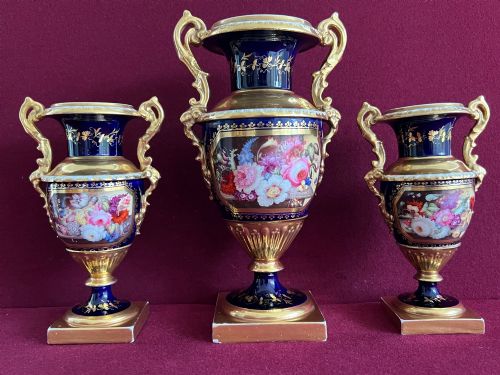
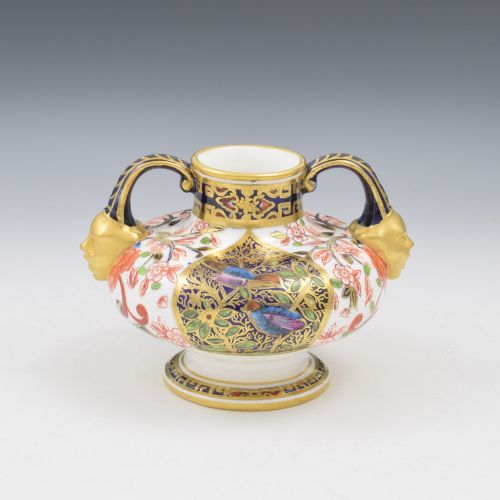
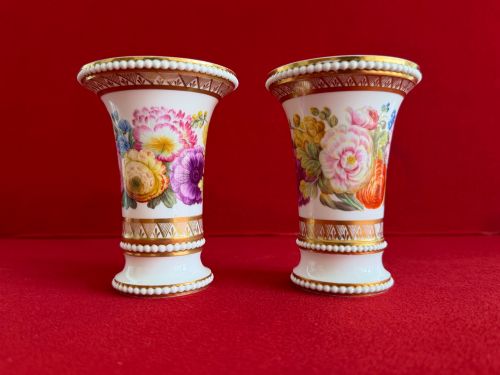
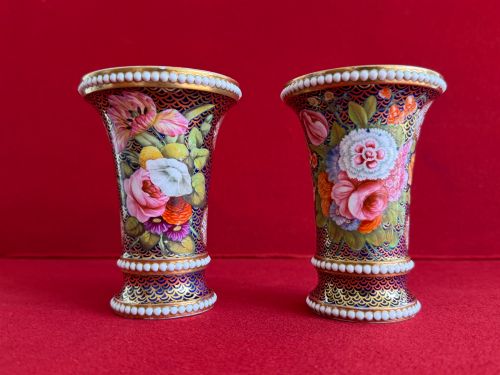
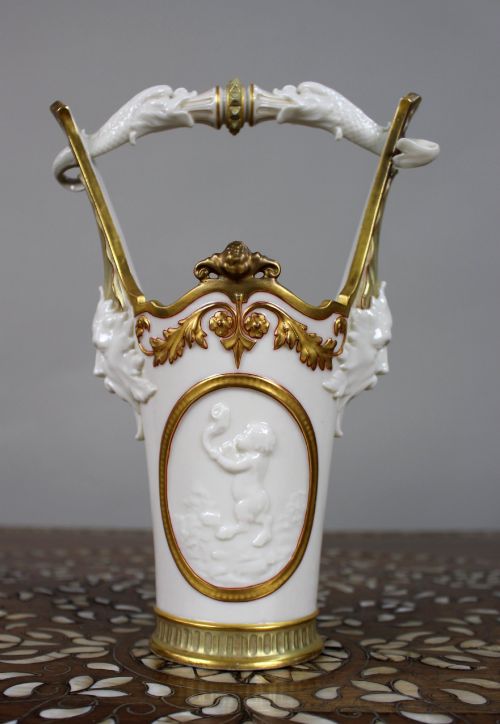
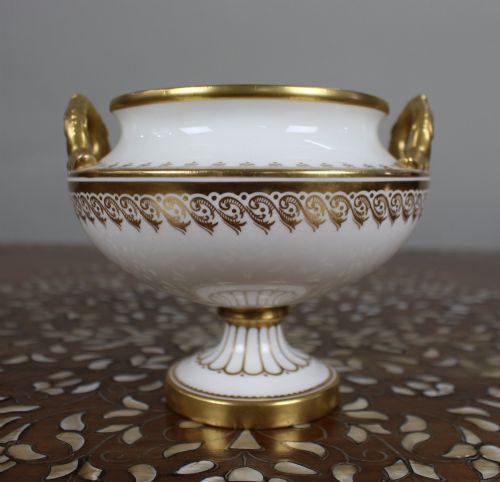
These gilded english porcelain vases bring together rich ceramic bodies and gleaming metallic highlights, offering a refined focal point for any classical interior.
Gilded English Porcelain Vases
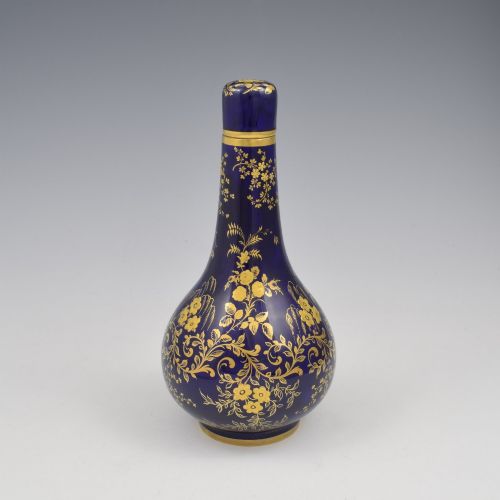
Gilded english porcelain vases encompass a rich variety of ornamental ceramic vessels produced across the Georgian, Regency, Victorian, and Edwardian eras. Buyers searching this phrase encounter everything from campana urns and two-handled vases to intricate potpourri pots and miniature bud vases.
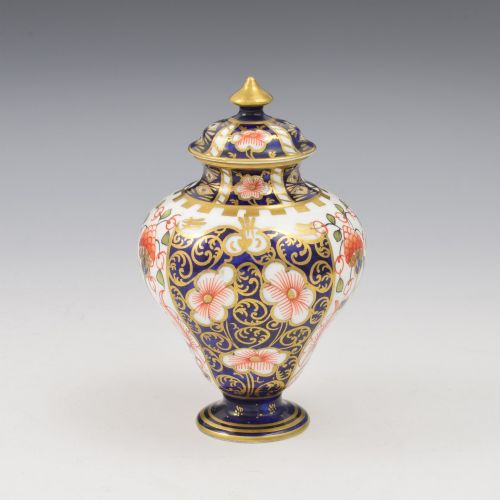
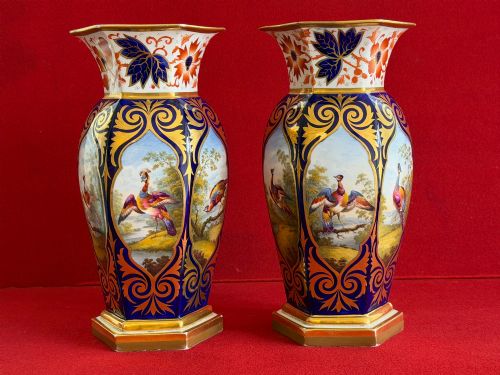
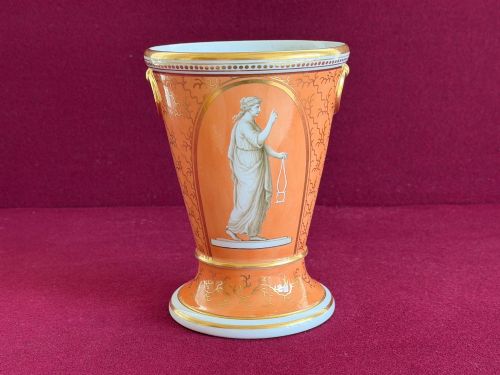
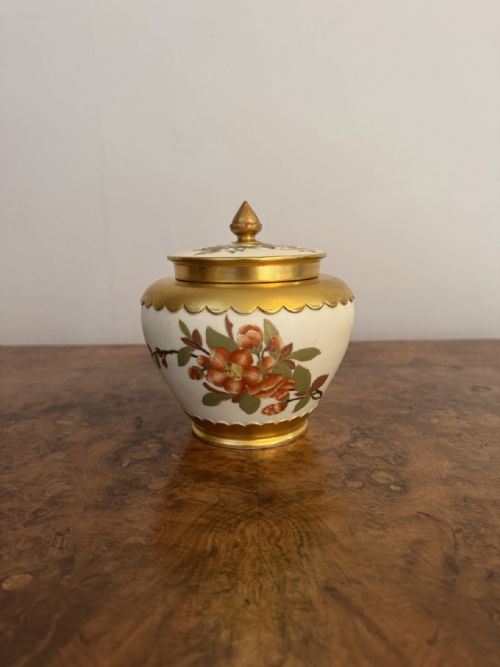
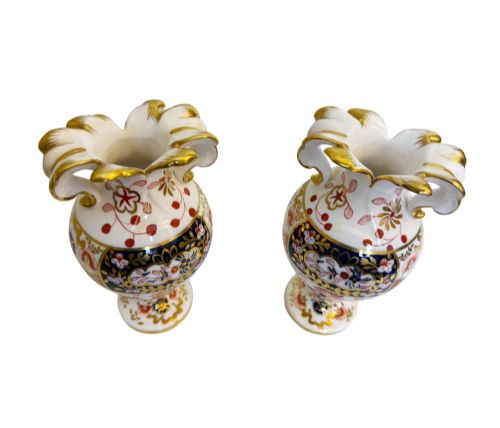
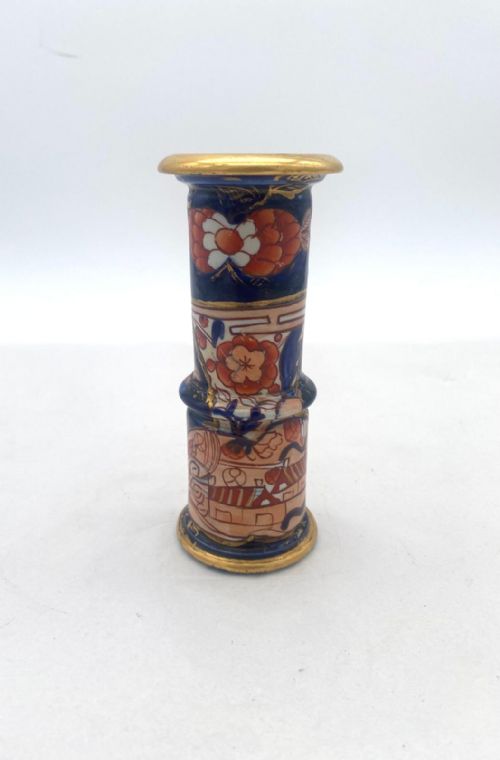
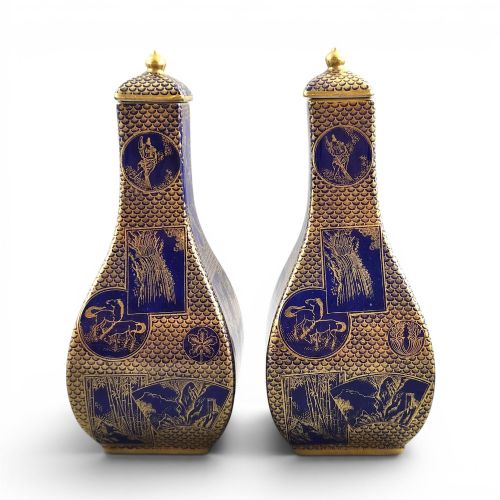
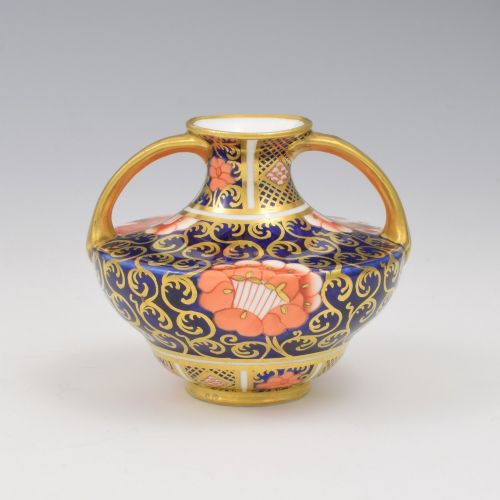
The pieces present on this page originate from esteemed English factories and potteries, spanning simple white and gilt urns to heavily decorated Imari and hand-painted scenic designs. Most examples balance functional ceramic forms with elaborate decorative schemes designed for display in period rooms.
How They Were Made
Maker's workshops shaped fine porcelain, bone china, and ironstone into robust vessel forms before applying foundational glazes and enamel colours. Artisans then meticulously hand-painted floral motifs, birds, or cattle across the ceramic surface.
Gilding was applied using gold leaf or liquid gold paint, which required careful firing in a kiln to bond the metallic highlights permanently to the glazed porcelain body.
Listings feature porcelain, bone china, and ironstone vessels spanning the Georgian, Regency, Victorian, and Edwardian periods.
What Varies in Quality
The standard of a piece rests heavily on the precision of the hand-painting and the depth of the applied gilding. Superior examples showcase crisp, detailed brushwork by named artists alongside rich, burnished gold rather than flat metallic paint.
Form and proportion also dictate the upper tier of the range, where well-balanced handles, intact covers, and crisp moulding separate standard production items from exhibition-quality works.
Royal Crown Derby·Flight Barr and Barr·Royal Worcester·Mason's Patent Ironstone·Spode·Coalport
The Gilded English Porcelain Vases Glossary
- Campana urn
- A bell-shaped vessel with a flared rim and footed base, frequently produced in porcelain during the Regency and Victorian periods.
- Imari
- A decorative style featuring rich underglaze blue and iron-red overglaze enamel highlights, heavily utilised by English potteries.
- Bone china
- A type of porcelain incorporating bone ash, yielding a durable, luminous white body popular in English manufacturing.
- Ironstone
- A heavy, durable type of semi-vitreous earthenware developed in England as a robust alternative to true porcelain.
- Gilding
- The application of gold leaf or powder to the ceramic surface to create metallic decorative borders and accents.
Gilded English Porcelain Vases: Frequently Asked Questions
Were these vases used for fresh flowers?
Many of these vessels, such as spill vases and campana urns, were designed to hold fresh blooms or dried botanicals in period homes. Others served purely decorative functions on mantelpieces, sideboards, and pier tables as status symbols.
Pots with covers, including potpourri jars and ginger jars, were intended to scent rooms with dried flower petals and aromatic spices rather than hold water.
How do I identify the period of a piece?
Examine the painted marks, factory stamps, and pattern numbers underneath the base to narrow down the decade of production. Stylistic clues such as Regency campana shapes or Victorian Aesthetic Movement motifs also point directly to specific manufacturing eras.
Comparing the paste quality, glaze thickness, and hand-painting techniques against known factory timelines helps confirm the date.
Can I display these vases in direct sunlight?
Prolonged exposure to direct sunlight can fade the vibrant enamel colours and hand-painted details over time. Position your pieces away from windows or utilise UV-filtering glass if placement in a bright room is necessary.
Rotating the vases periodically ensures even exposure to ambient light and highlights different decorative angles of the piece.