



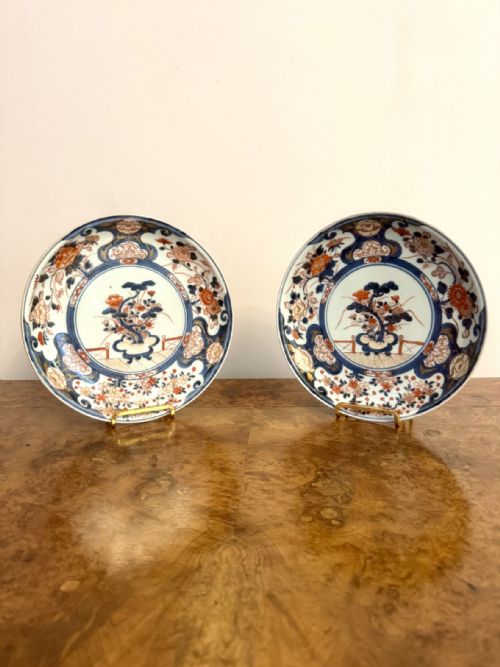
Gilded Ceramic Wall Plate
When you search for a gilded ceramic wall plate, you are looking at decorative porcelain, earthenware and bone china finished with gold leaf or gilding.
Gilded Ceramic Wall Plate
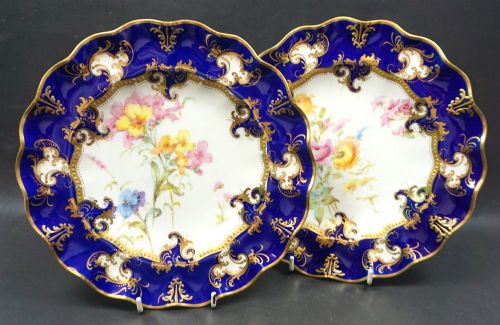
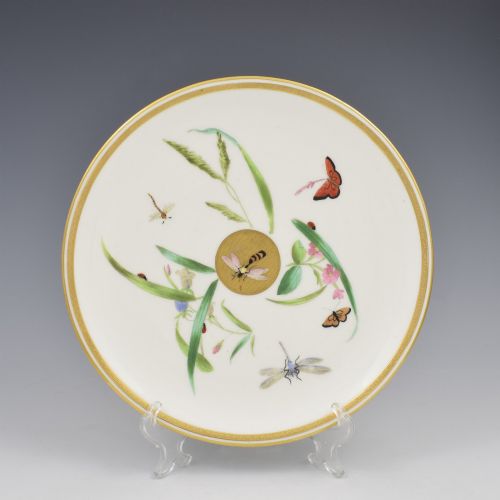
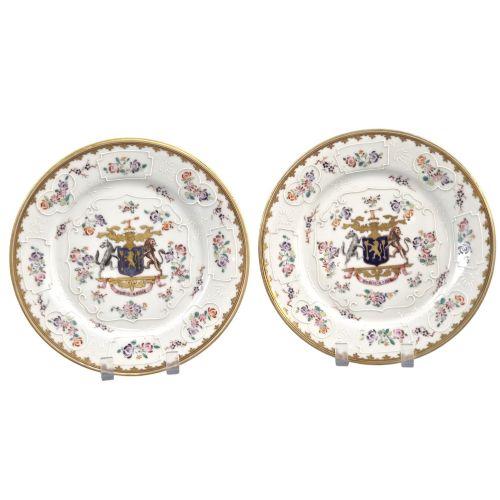
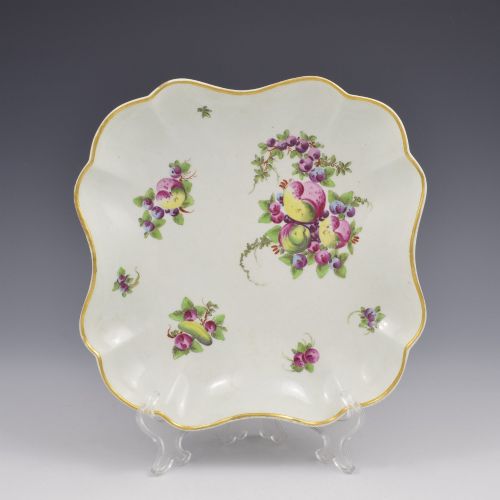
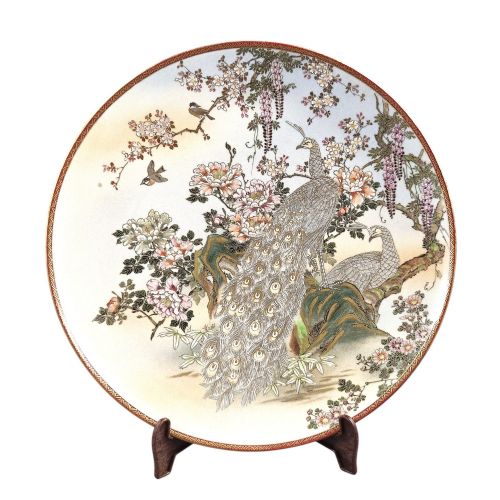
A gilded ceramic wall plate brings together centuries of ceramic manufacture and surface decoration, spanning 18th-century English factories, Victorian households and Japanese Meiji period studios. When exploring this phrase, collectors encounter cabinet plates, chargers and decorative dishes designed primarily for display rather than dining.
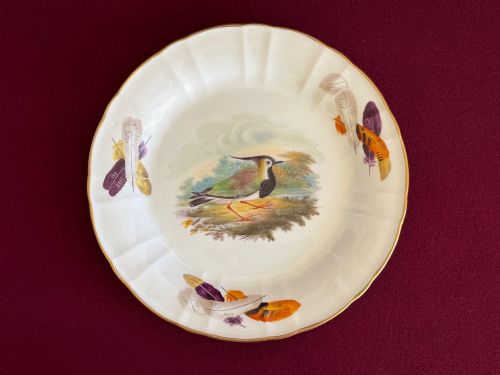
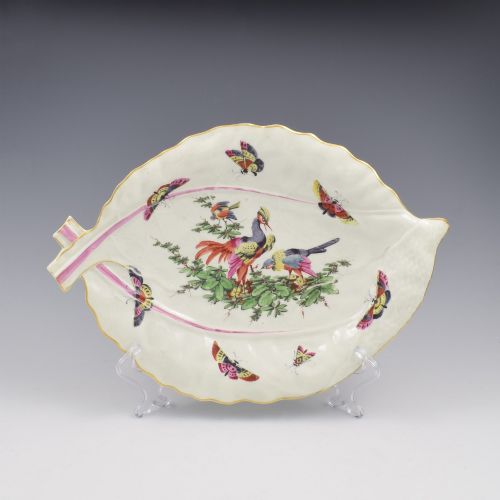
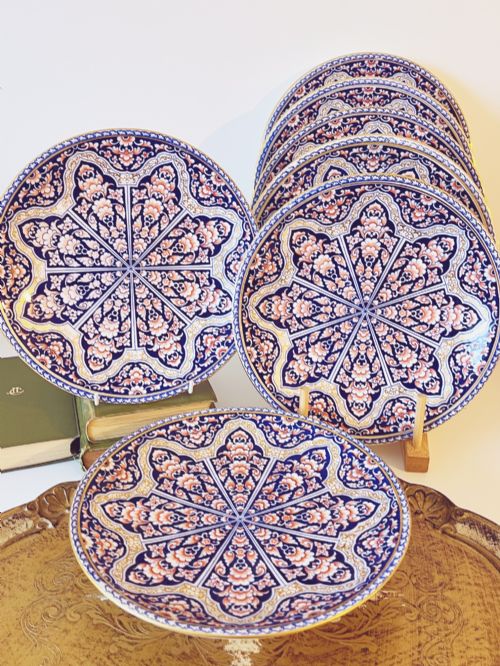
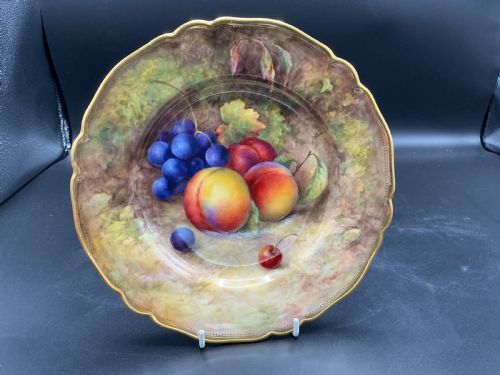
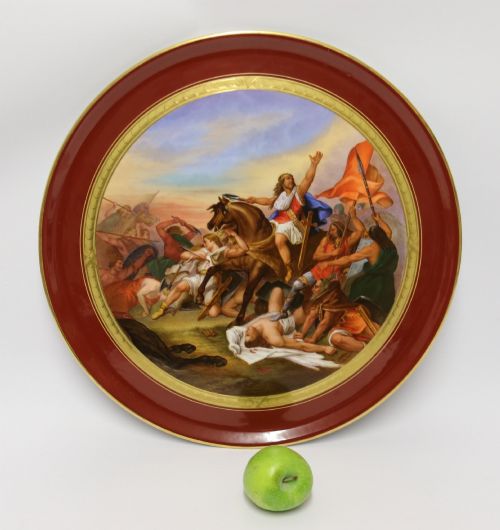
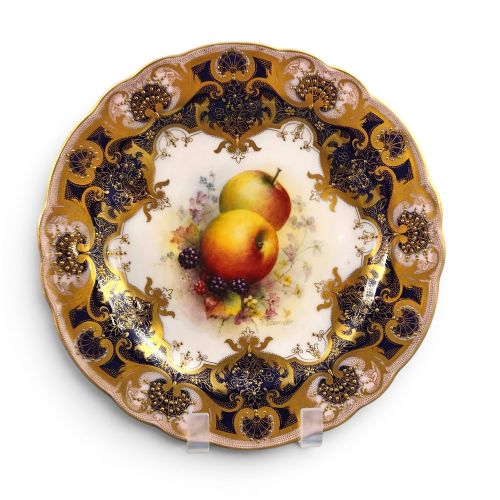
The versions met most frequently on this page originate from Japanese Imari workshops, English porcelain houses such as Royal Worcester and Minton, and various continental European kilns. These items range from large chargers decorated with hand-painted scenes and gilt highlights to smaller cabinet plates shaped like shells, fans or leaves.
How they were made
Makers combined ceramic bodies such as soft-paste porcelain, earthenware and bone china with enamel painting and applied gold leaf, gilt or gilding. Artisans shaped these materials into plates, dishes and large chargers before firing them in kilns.
Surface decoration involved hand-painted details, transfer printing and intricate moriage work, followed by meticulous application of metallic gold to rims, borders and central motifs.
Several plates depict exotic birds, battling armies, and leaping fish that gaze back at the room with immense character.
What varies in quality
The standard of a piece depends on the precision of the hand-painting, the complexity of the ceramic form, and the richness of the gilding. Skilled artistry in pictorial scenes or botanical studies elevates a piece above standard factory output.
The reputation of the maker, the crispness of moulded details such as basketweave or reticulation, and the preservation of the gold leaf influence the standing of an item within its period.
Royal Crown Derby·Royal Worcester·Minton·Royal Doulton·Helena Wolfsohn·Koshida·Pucher Deroche
The Gilded Ceramic Wall Plate Glossary
- Cabinet plate
- A decorative ceramic plate intended for display in a cabinet or on a wall rather than for practical table use. These items often feature elaborate hand-painted scenes and rich gilding.
- Charger
- A large decorative plate or dish used primarily as a base setting or hung upon a wall. They provide a broad surface for intricate Japanese Imari designs or European pictorial artwork.
- Gilding
- The application of gold leaf or powdered gold to the surface of ceramic wares. This technique highlights rims, handles, and painted motifs.
- Bone china
- A type of porcelain composed of clay, feldspar and bone ash, developed in England. It produces a strong, translucent white body suitable for fine painting and gilt decoration.
- Soft-paste porcelain
- An early European ceramic material made from a mixture of clays and glassy frits, fired at lower temperatures than hard-paste. Eighteenth-century factories utilised this body for delicate dessert dishes and plates.
Gilded Ceramic Wall Plate: Frequently Asked Questions
How were gilded ceramic wall plates used?
These items served primarily as ornamental objects for display in domestic drawing rooms, dining spaces and cabinets. Wealthy households mounted large chargers on walls or placed cabinet plates on stands to showcase artistic painted scenes and precious metal highlights.
While some originated as part of larger dessert services intended for dining, many were manufactured specifically as decorative showpieces to reflect the status and taste of the owner.
How do I identify the period of a plate?
Dating relies on examining factory marks, backstamps, ceramic bodies and painting styles. Eighteenth-century pieces often feature distinct soft-paste bodies and hand-painted bird or fruit motifs, while Victorian items frequently display eclectic revival styles or aesthetic movement designs.
19th-century Japanese Imari and Meiji Satsuma wares carry specific regional characteristics, brushwork methods and signature panels that help narrow down their date of production.
Can these plates be hung on walls safely?
Hanging requires specialised spring-loaded brass plate hangers that distribute weight evenly across the rim without putting pressure on the ceramic body. It is essential to ensure the hanger fits securely and that the wall fixture is robust enough to support heavier chargers.
Careful placement away from direct sunlight, high humidity and busy thoroughfares protects both the ceramic body and the delicate gilding from accidental damage.
What is the difference between a cabinet plate and a charger?
A charger is a substantially larger piece, often measuring over thirty centimetres across, designed to command visual attention on a wall or sideboard. Cabinet plates are smaller, standard dining plate sizes created with exceptional artistic detail for close viewing in display cabinets.
Both forms utilise rich enamel colours and gold leaf, but their physical scale determines how they were integrated into historical room displays.