



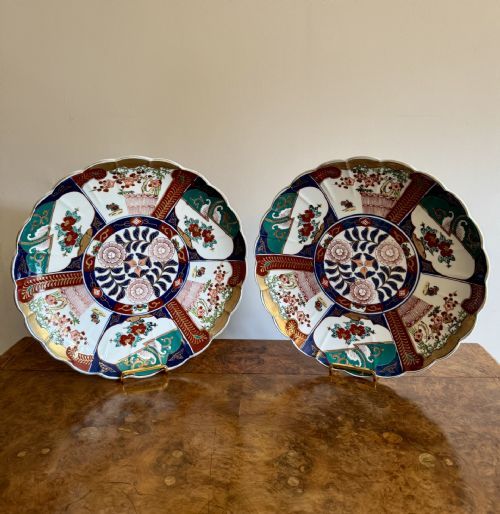
Gilded Ceramic Platter
When you search for a gilded ceramic platter, you seek a surface of porcelain or earthenware enriched with gold leaf.
Gilded Ceramic Platter
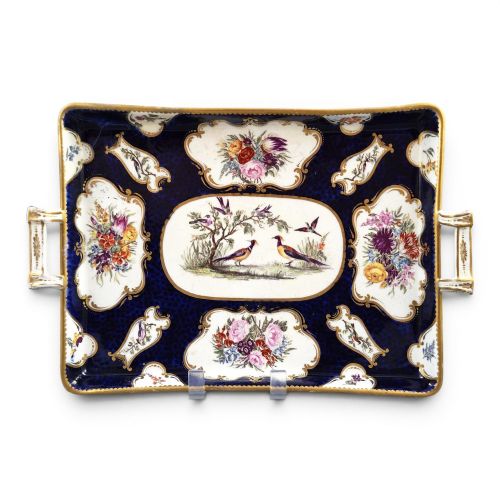
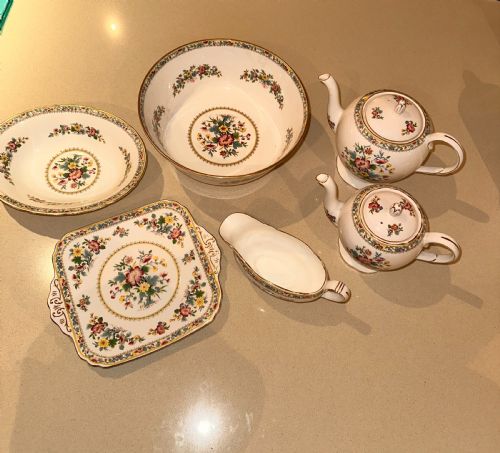
A gilded ceramic platter bridges the gap between functional tableware and decorative display, taking forms such as serving dishes, chargers, and trays. These pieces emerge from periods spanning the Georgian era through to the late nineteenth century, encompassing both European porcelain manufactories and Japanese export workshops.
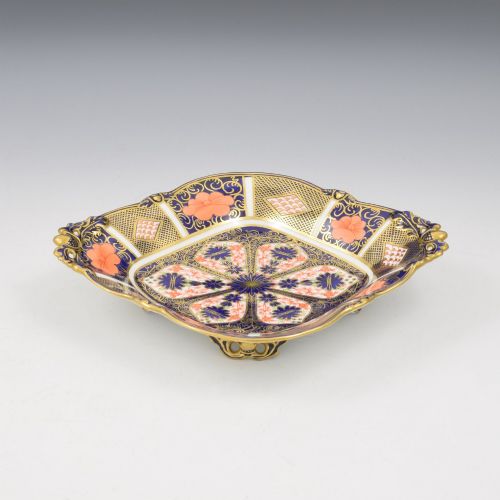
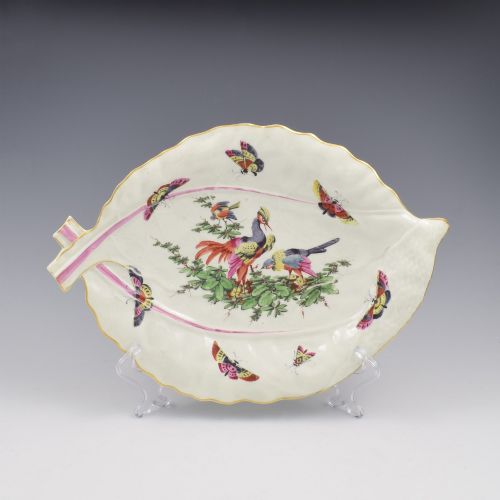
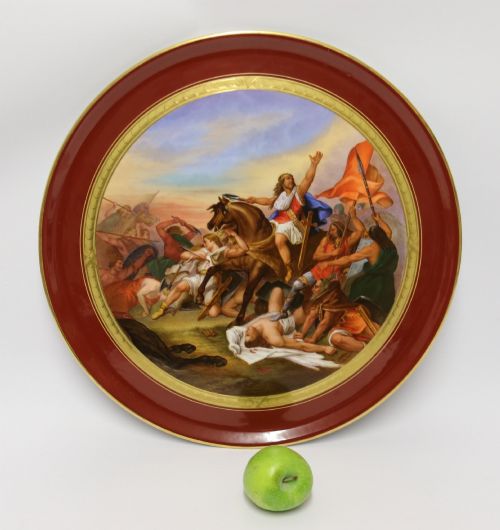
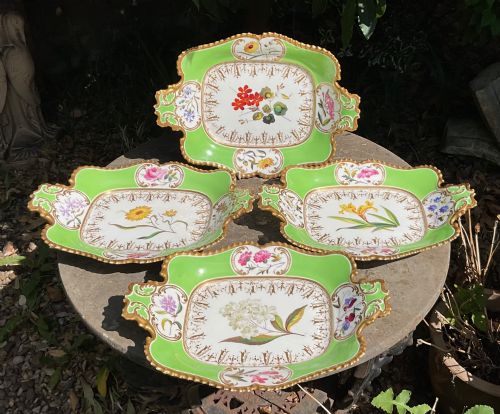
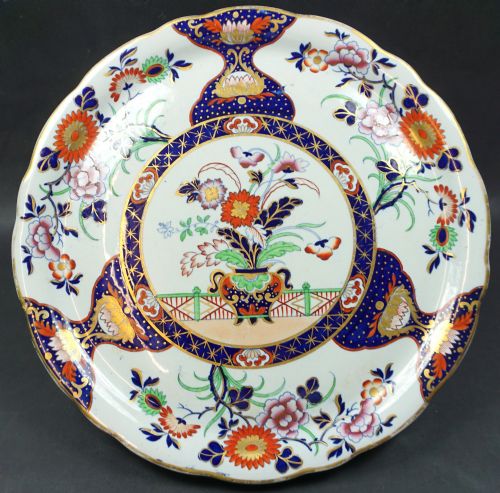
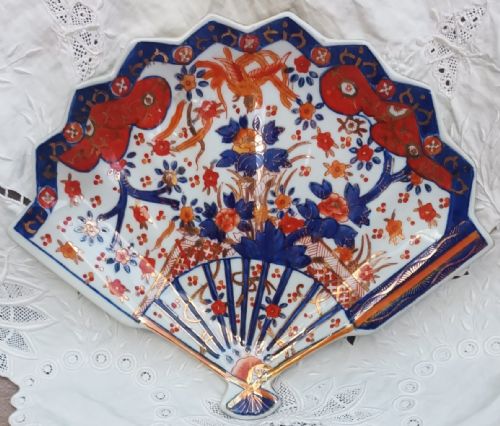
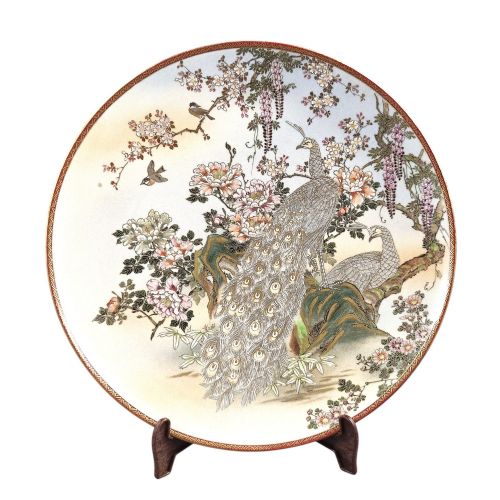
The version most commonly encountered on this page is the large decorative charger or serving dish, frequently finished with hand-painted motifs and gilded accents. Examples range from nineteenth-century Japanese Imari patterns to eighteenth-century English porcelain leaf dishes and French cabinet pieces.
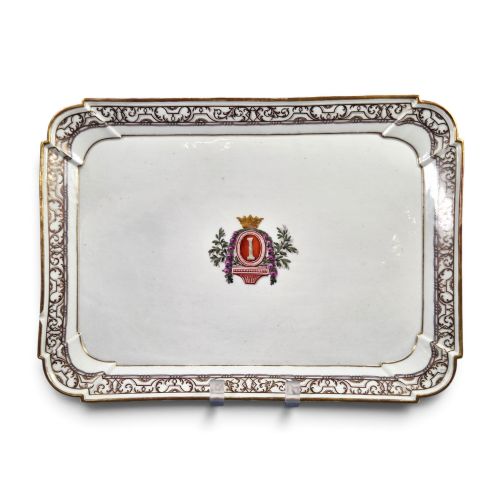
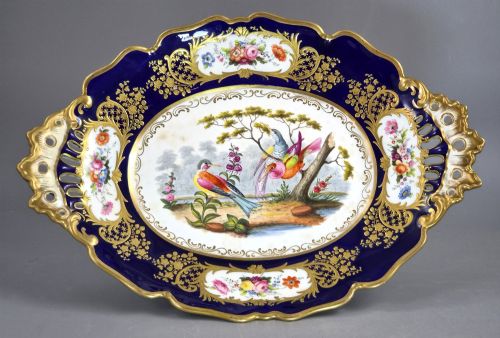
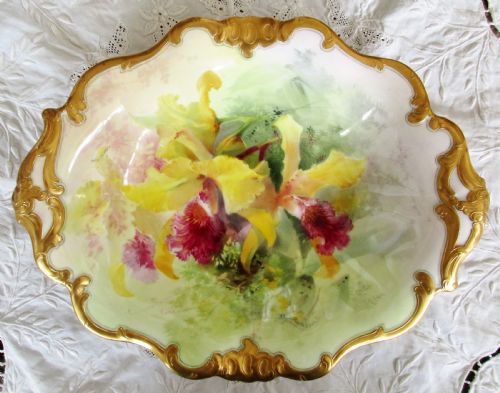
Makers and factories from diverse traditions applied gold to ceramic bodies to denote status and decorative ambition. Whether shaped as an octagonal plate, an oval serving dish, or a scalloped tray, each item fulfils a decorative or ceremonial function within historical dining.
Materials and Techniques
Potters utilised ceramic bases including bone china, earthenware, and hard-paste porcelain, shaping them on the wheel or moulding them into specialised trays and platters. These clay bodies underwent high-temperature firing to establish a durable matrix suitable for subsequent enamel decoration.
Craftsmen applied gilding through gold leaf or liquid gold preparations, often binding the precious metal to the ceramic surface during a secondary low-temperature kiln firing. Hand-painted enamels in cobalt blue, iron red, and polychrome palettes frequently accompany the gold detailing, particularly in Japanese Imari and European floral designs.
Design styles span Japanese Imari, French Sevres, and Neoclassical English serving dishes.
Assessing Quality and Execution
The distinction between tiers of execution rests upon the precision of the hand-painting and the integrity of the gilding. Superior examples display finely rendered botanical, avian, or figural subjects executed with careful brushwork, whereas lesser pieces rely on mechanical transfer printing or heavier, less articulate application.
The durability and brilliance of the gold leaf or gilt surface indicate the skill applied during the final firing stages. Plates and trays exhibiting crisp modelling, balanced composition, and well-preserved metallic lustre represent the higher end of historical ceramic production.
Royal Crown Derby·Chamberlains Worcester·Hicks and Meigh·Carlton Ware·Sevres
The Gilded Ceramic Platter Glossary
- Charger
- A large decorative plate or platter used traditionally for ceremonial display or as a base for smaller courses. These substantial pieces often feature extensive hand-painted decoration.
- Imari
- A style of Japanese export porcelain characterised by a palette of cobalt blue, iron red, and supplementary gold. The aesthetic influenced European manufactories throughout the eighteenth and nineteenth centuries.
- Gilding
- The application of gold leaf or powdered gold to the surface of ceramic wares. This technique highlights rims, handles, and painted motifs.
- Bone China
- A type of soft-paste porcelain incorporating bone ash, developed in England to create a whiter and more translucent body. It forms the base for numerous nineteenth-century serving dishes.
- Enamel
- Opaque or translucent vitreous material fused to the ceramic body through firing. Enamels provide the colourful pigments found beneath or alongside surface gilding.
Gilded Ceramic Platter: Frequently Asked Questions
How were these platters used historically?
Historical dining utilised these large platters for presenting meats, fruits, or sweets at formal tables. Many chargers also served a purely decorative function as cabinet displays.
Larger trays accommodated multiple service items, functioning both in the dining room and the drawing room for social hosting.
How do I care for gilded ceramics?
Gentle hand washing in lukewarm water with mild soap preserves the delicate enamel and gold leaf. Abrasive sponges or harsh detergents will wear away the metallic surface over time.
Display these pieces away from direct sunlight to maintain the vibrancy of the hand-painted pigments and prevent thermal stress.
How can I identify the period of a dish?
Examining the paste, glaze characteristics, and backstamps provides primary clues regarding the date of manufacture. Eighteenth-century pieces often display hand-thrown irregularities and soft glaze pooling.
Nineteenth-century examples frequently incorporate standardised factory marks, more uniform ceramic bodies, and distinct stylistic revivals such as Neoclassical or Victorian motifs.