


Regency Serving Dish
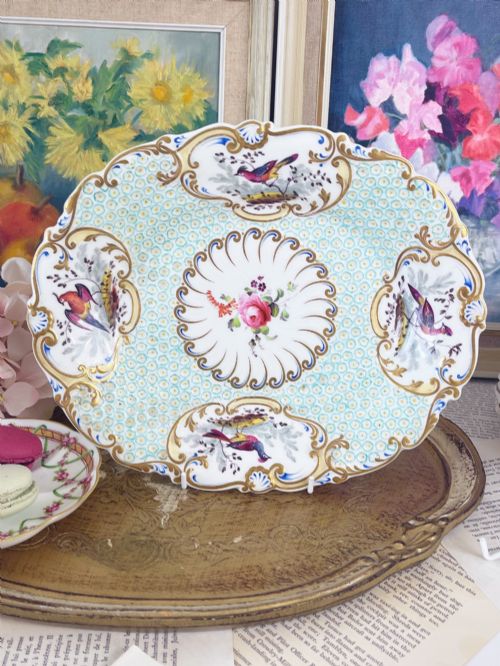
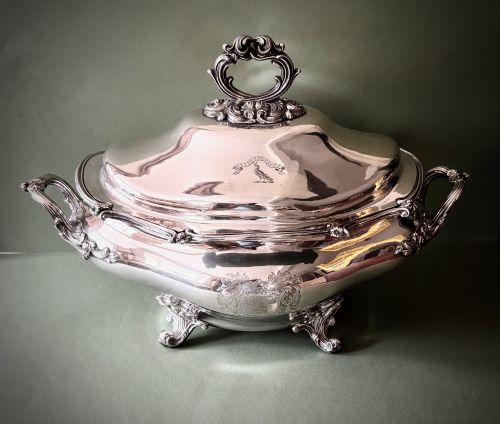
A regency serving dish brings the generous hospitality of the early nineteenth century to the table in porcelain, ironstone, or Old Sheffield plate.
Regency Serving Dish
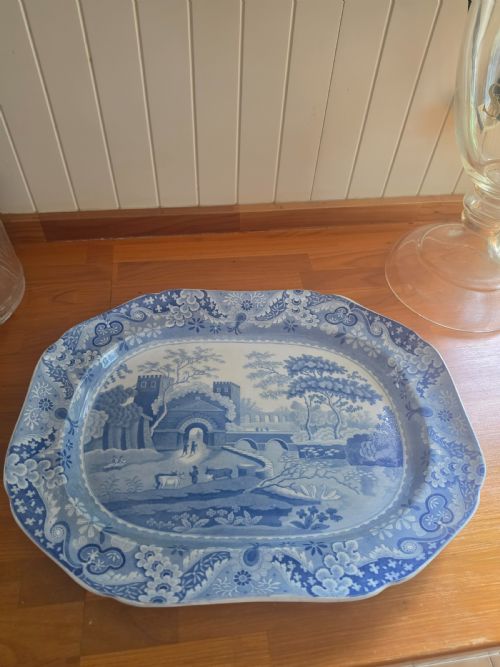
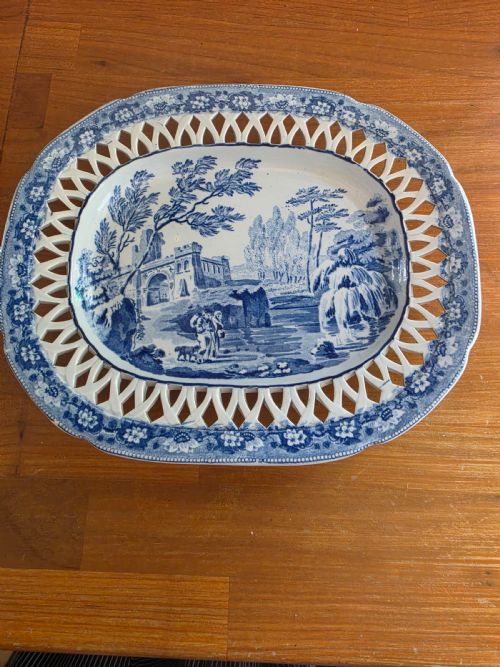
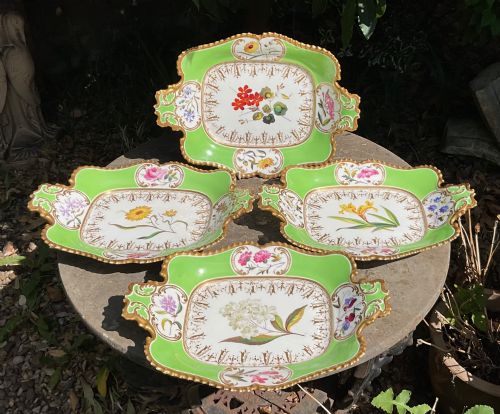
A regency serving dish encompasses large platters, tureens, vegetable dishes, and low comports intended for grand dining tables. These objects date primarily from the early nineteenth century, bridging Georgian formality and later Victorian utility.
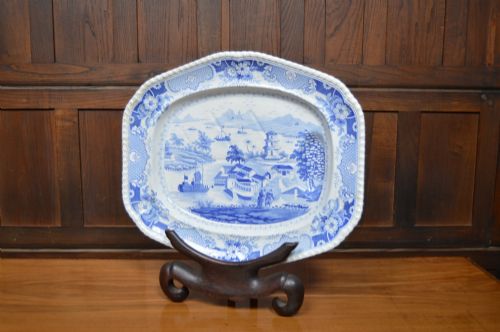
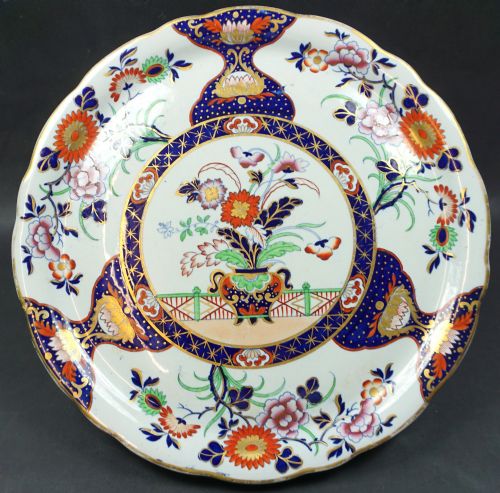
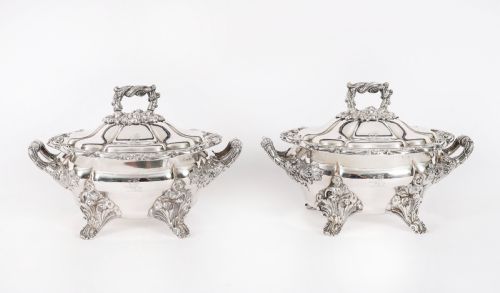
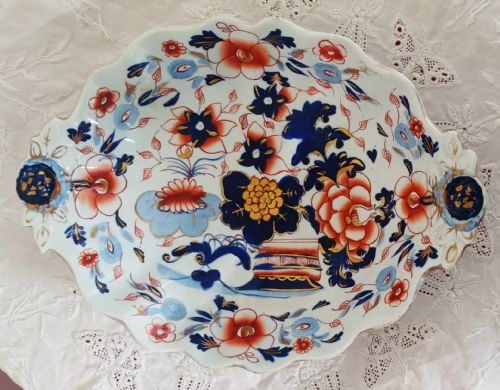
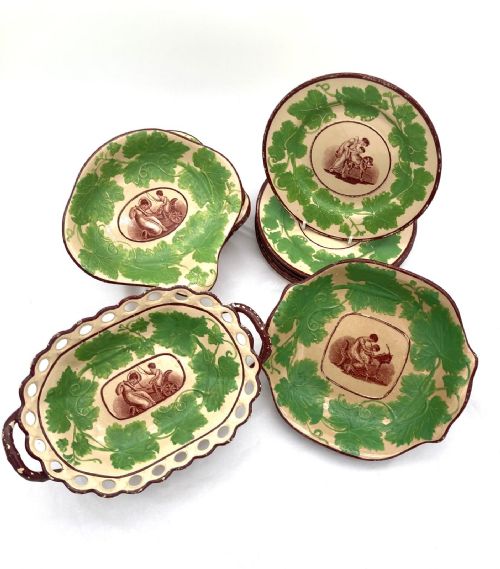
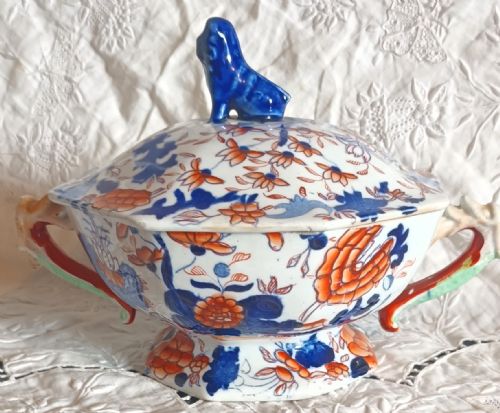
Porcelain and ironstone dominate the ceramic selections, often decorated with transfer-printed blue and white landscapes, Chinoiserie patterns, or hand-painted botanical motifs. Metal options rely on Old Sheffield plate or sterling silver, frequently equipped with covers or warming stands.
Makers from Worcester, Staffordshire, and Sheffield produced these tablewares to satisfy a growing appetite for coordinated dining services. Buyers encounter shapes ranging from simple oval platters to elaborate lidded tureens with handles and matching drainers.
Materials and Techniques
Ceramic pieces utilise earthenware, ironstone, or refined porcelain bodies shaped in moulds and fired at high temperatures. Decoration involves hand-painting in enamels, gilding with gold leaf, or applying intricate blue and white transfer prints.
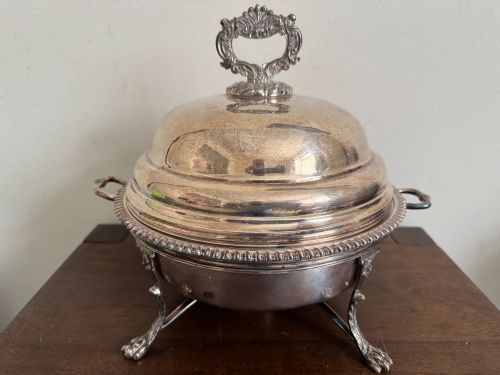
Metal items combine copper and silver in Old Sheffield plate, fusing the metals through heat and pressure to create durable serving vessels that mimic solid silver without the weight. Silversmiths cast handles, finials, and feet separately before attaching them to the main body.
Listings feature porcelain, ironstone, earthenware, and Old Sheffield plate across forms like platters, tureens, and comports.
Distinctions in Quality
Quality rests upon the crispness of the moulding and the precision of the hand-painting or transfer printing. Finer porcelain bodies transmit light evenly, whereas heavier ironstone prioritises durability for substantial meat platters and soup tureens.
Metalwork quality shows in the discretion of the copper seams on Old Sheffield plate and the weight of cast mounts on tureens and warming stands. Maker attribution to established factories like Spode or Worcester elevates the standing of a ceramic dish.
H and R Daniel·Davenport·Chamberlains Worcester·Hicks and Meigh·Creswick·Coalport·Flight Barr and Barr·Ridgway·Mason·Minton
The Regency Serving Dish Glossary
- Ironstone
- A dense, heavy earthenware patented in the nineteenth century to withstand rigorous daily use while imitating Chinese porcelain. It forms the body of many large meat platters and covered tureens.
- Old Sheffield Plate
- A composite material made by fusing a thin sheet of silver to a thicker copper base. It was widely used for tureens and warming dishes before electroplating was invented.
- Transferware
- Pottery decorated by applying a printed paper design from an engraved copper plate onto the ceramic surface before glazing. Blue and white landscapes are the most common examples.
- Tureen
- A deep covered vessel designed for serving soup, sauce, or vegetables at the table. These often rest on matching stands or incorporate warming compartments.
- Comport
- A shallow dish or pedestal bowl raised above the table surface for serving fruit or small desserts. They appear frequently in matched dessert services.
Regency Serving Dish: Frequently Asked Questions
How were regency serving dishes used?
These vessels held large quantities of meat, fish, vegetables, or sauces during multi-course formal dinners. Servants brought them from the kitchens to the dining table for guests to help themselves.
Lidded tureens kept food warm between courses, while warming dishes used hot water compartments to maintain serving temperatures during longer meals.
What is the difference between ironstone and porcelain?
Porcelain is a delicate, vitrified ceramic that is translucent when held to the light and rings when struck. It was reserved for fine dessert and tea services.
Ironstone is a robust, opaque earthenware designed for heavy utility items like meat platters and large soup tureens. It resists chipping far better than porcelain.
How do I care for Old Sheffield plate?
Old Sheffield plate has a thin layer of real silver over copper, so it requires gentle cleaning with non-abrasive silver polish. Avoid harsh scrubbing that might expose the base metal underneath.
Store metal items in dry conditions away from direct sunlight and damp environments to prevent tarnishing and corrosion.
How can I tell if a dish is Regency?
Regency tablewares display specific design characteristics such as classical motifs, Chinoiserie patterns, or deep blue transfer-printed landscapes. Base marks, impressed letters, and pattern numbers often help identify the period and manufacturer.
Materials like Old Sheffield plate and early ironstone formulas also point directly to the manufacturing standards of the early nineteenth century.