
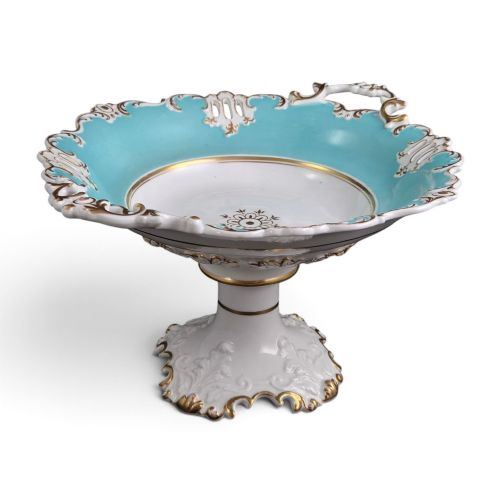
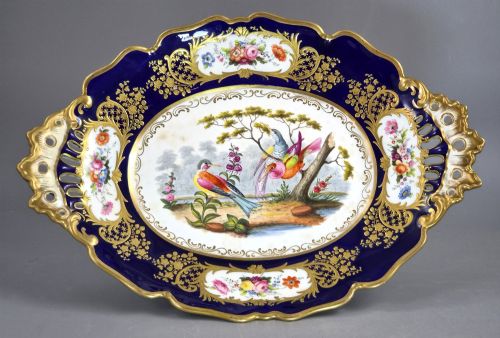
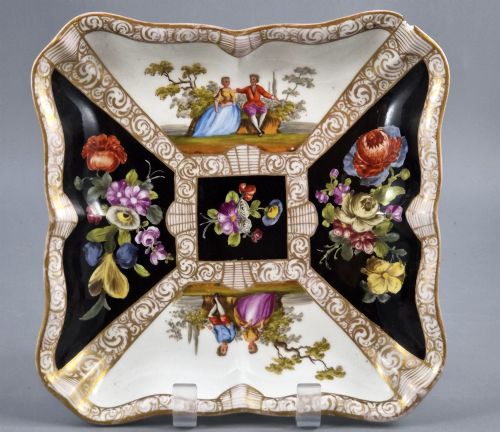
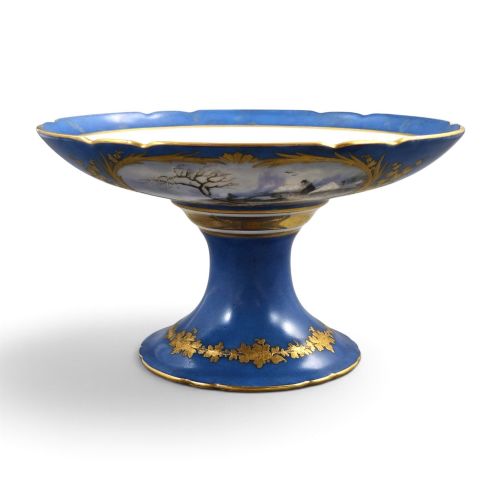

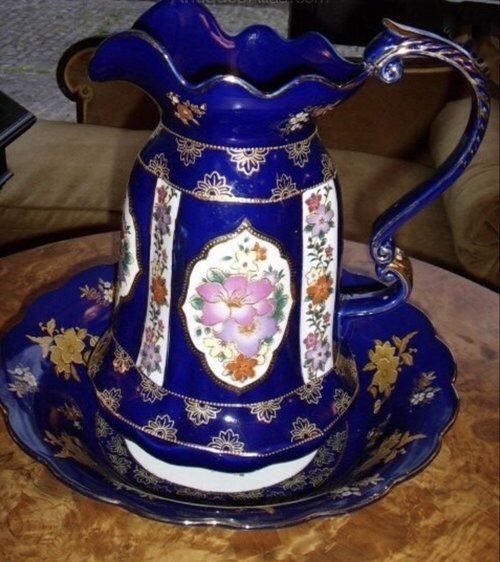
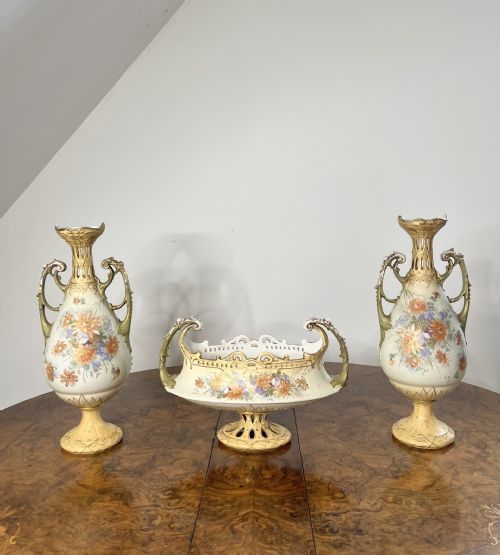
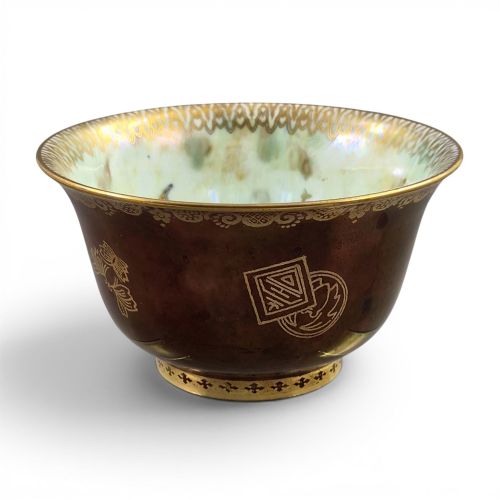
Gilded Ceramic Bowl
These gilded ceramic bowl selections unite bright metallic surfaces with fired clay bodies across multiple global traditions.
Gilded Ceramic Bowl
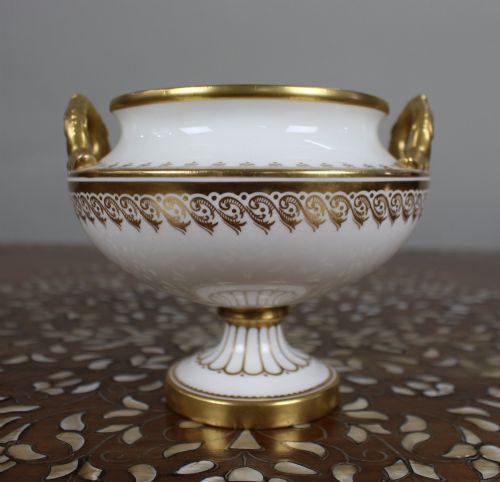
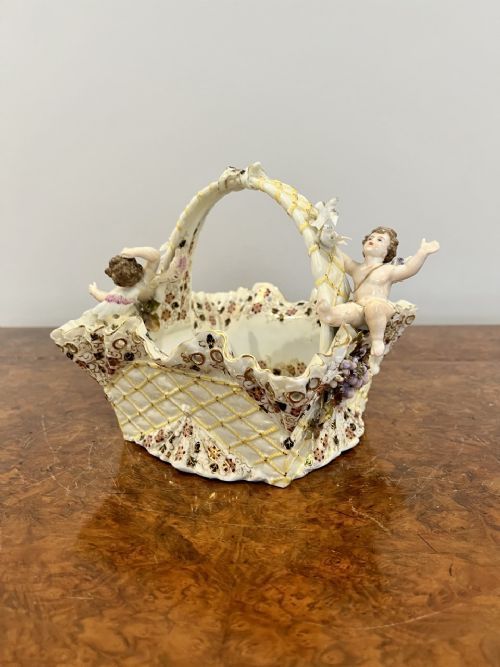
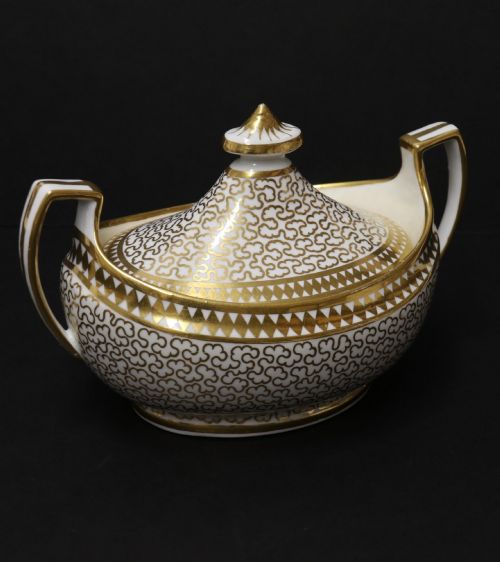
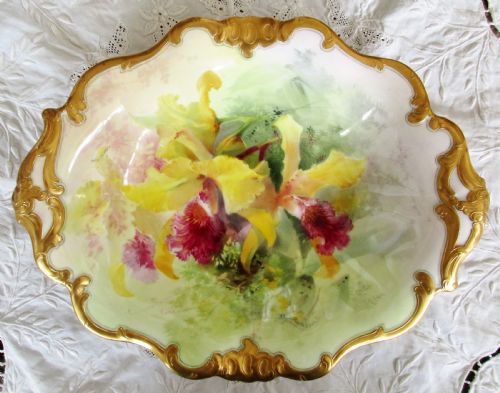
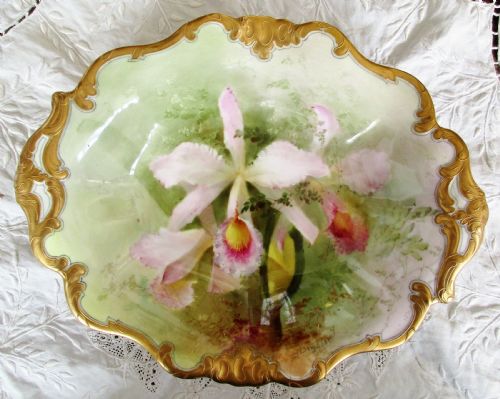
A gilded ceramic bowl serves as an ornamental centrepiece or tableware item, uniting ceramic bodies with metallic leaf or paint. These objects appear in forms ranging from sugar basins and dessert dishes to large display vessels.
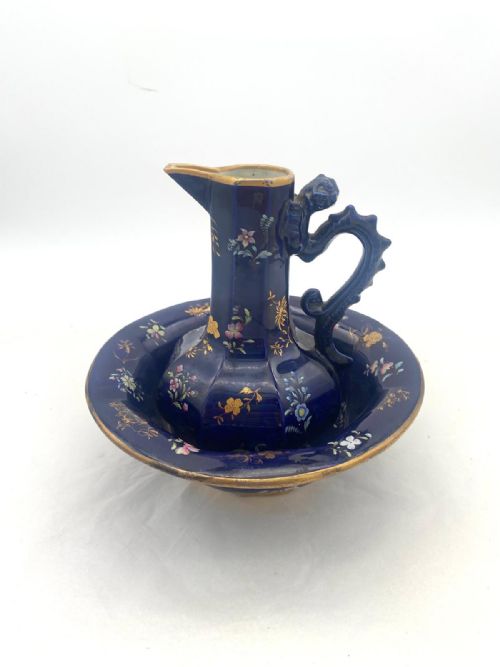
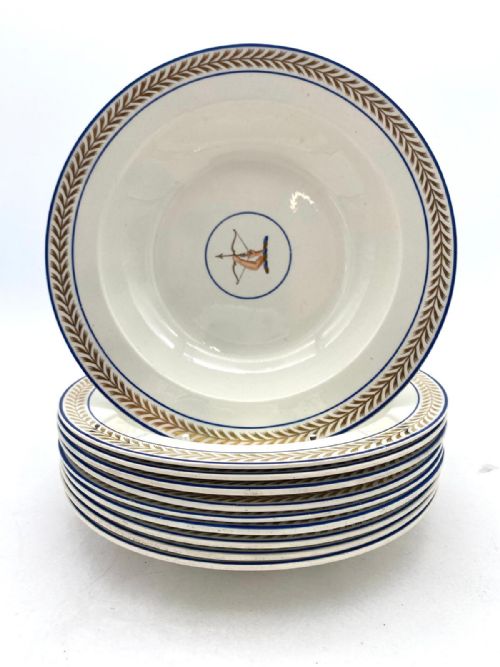
Most examples found here emerge from nineteenth-century European factories and Japanese Meiji period kilns. Common variations include porcelain, bone china, and creamware finished with gold accents, enamel, and cobalt blue glazes.
How they were made
Potters shaped the clay bodies using earthenware, porcelain, or bone china, which were then fired in kilns to create hard structures. Artisans applied glazes, hand-painted details, and enamel colours before adding gold leaf or gilding to the surfaces.
A subsequent low-temperature firing bonded the metallic decoration to the glazed ceramic. Makers often utilised transfer printing or hand-brushing to achieve intricate patterns before the final application of the gold layer.
Gilded Ceramic Bowl Retail Price Guide 2026
Typical asking prices for gilded ceramic bowl among the pieces listed under this phrase on Sellingantiques today, from the lower quarter to the upper quarter. They describe what is for sale here now, not the wider market.
Some nineteenth-century makers hid tiny painted beetles inside their sugar bowls to surprise whoever finished the sugar.
What varies in quality
The precision of the hand-painting and the purity of the gold leaf separate standard domestic wares from cabinet pieces created by master artisans. Finer pieces display crisp botanical or figural details that remain intact without rubbing.
The weight, translucency of the porcelain body, and complexity of the moulding also define the grade of the vessel. Superior examples show careful kiln control during the firing of intricate glazes and metallic elements.
Coalport·Meissen·Sèvres·Wedgwood·Chamberlains Worcester·Royal Doulton·Royal Vienna·Spode·Royal Crown Derby
The Gilded Ceramic Bowl Glossary
- Gilding
- The application of gold leaf or gold powder to the surface of ceramics. This technique provides the metallic sheen characteristic of these vessels.
- Bone china
- A type of soft-paste porcelain containing animal bone ash. It offers high strength and chip resistance while maintaining a translucent white body.
- Earthenware
- Porous pottery fired at lower temperatures than porcelain. It requires an impermeable glaze to hold liquids and forms the heavier bowls in the collection.
- Enamel
- Opaque glass fused to ceramic surfaces through firing. It supplies vibrant decorative colours alongside the metallic gilding.
- Sucrier
- A small covered sugar bowl designed for tea service sets. These vessels often feature matching saucers and delicate handles.
Gilded Ceramic Bowl: Frequently Asked Questions
How do I clean a gilded ceramic bowl?
Wash the vessel gently by hand using lukewarm water and mild soap. Avoid abrasive sponges or harsh detergents that can wear away the delicate gold leaf.
Dry the surface immediately with a soft cloth to prevent water spots from forming on the glaze or metallic areas.
Can I use these bowls for serving food?
Many of these pieces were designed for decorative display or formal tea service rather than heavy daily dining. Older vessels with surface gilding can degrade when exposed to acidic foods or constant washing.
Reserve antique bowls for dry items, fruit displays, or purely visual appreciation to preserve the fragile metalwork.
How do I tell Japanese Imari from European porcelain?
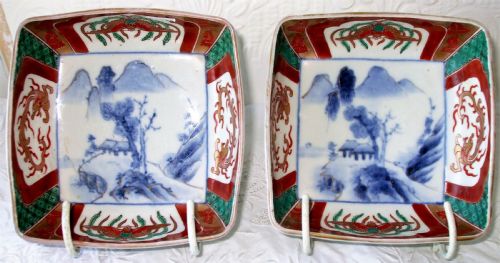
Japanese Imari pieces typically feature a distinct palette of cobalt blue, iron red, and gold, often depicting traditional floral or samurai motifs. European factories frequently imitated these Japanese designs on local porcelain bodies.
Inspect the foot ring and paste composition to distinguish the drier, denser body of Japanese wares from softer European equivalents.
What period do most gilded ceramic bowls come from?
The majority of these pieces originate from the nineteenth century, spanning the Regency, Victorian, and Meiji eras. Factories during this time perfected industrial ceramic production alongside elaborate decorative painting.
Earlier eighteenth-century examples also appear, featuring hand-painted botanical scenes and delicate tea bowls.