
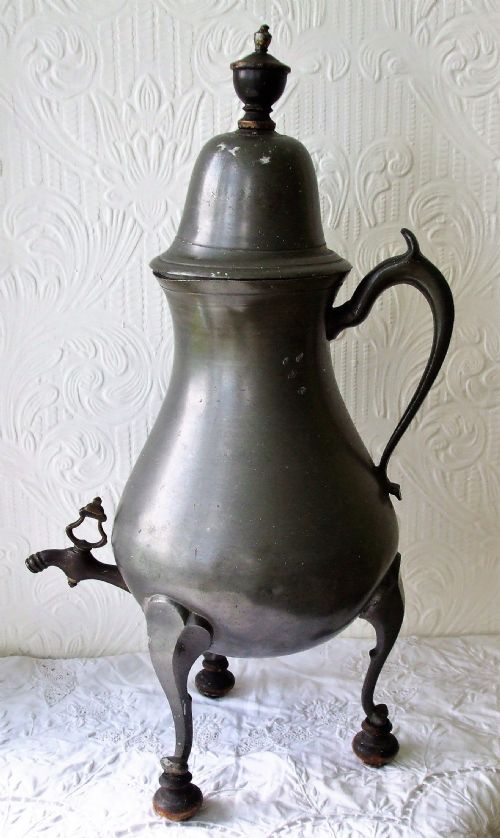
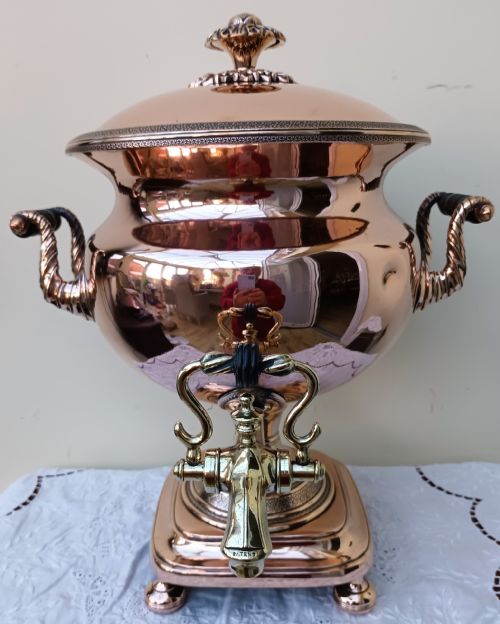
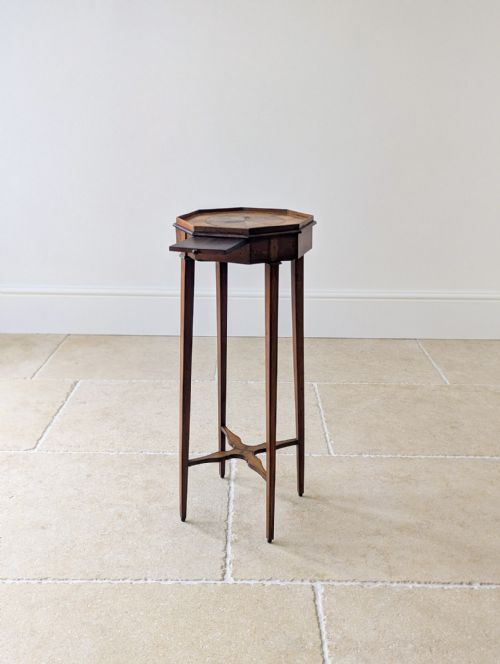

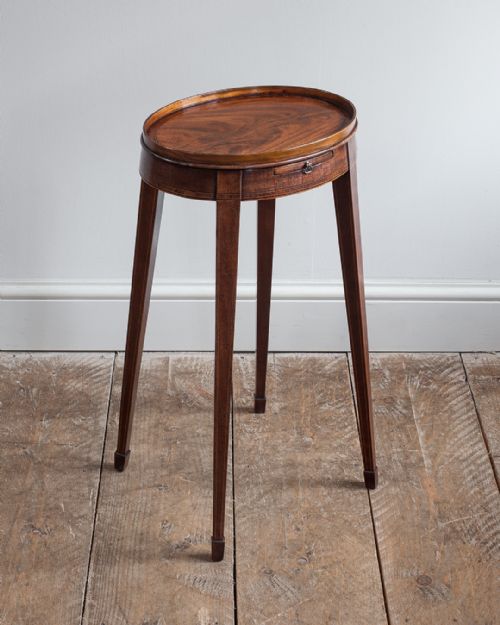


Georgian Tea Urn
When you handle a georgian tea urn, you hold an engine of domestic hospitality cast in copper, silver or timber.
Georgian Tea Urn
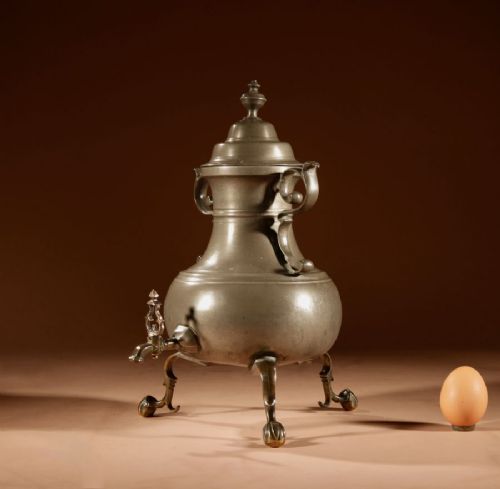
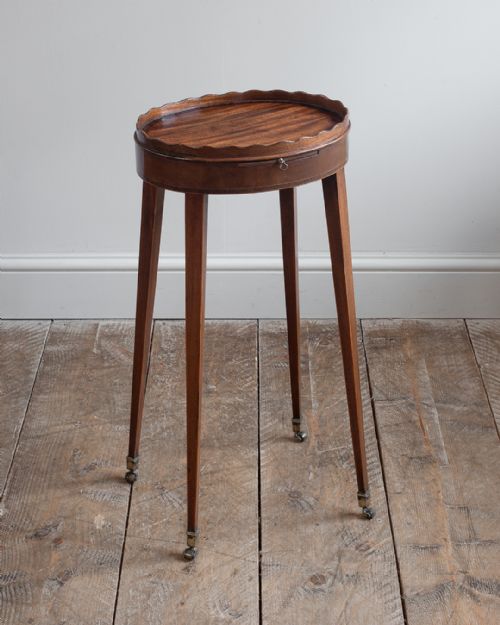
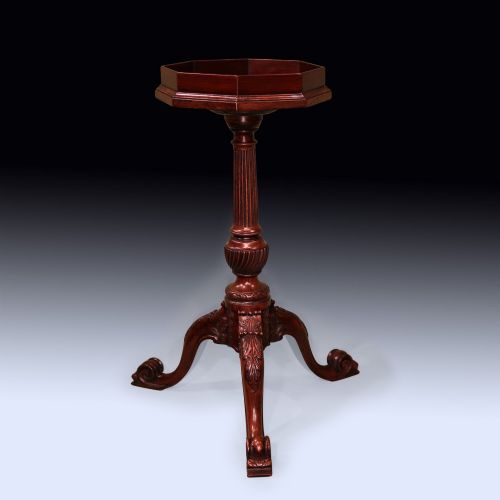
A georgian tea urn encompasses metal heating vessels and the specialised mahogany stands designed to elevate them during tea service. The metal examples range from heavy copper and brass samovars to sterling silver and silver-plated urns, while the wooden forms include tripod and pillar kettle stands.
The objects appearing most frequently on this page combine the utilitarian warmth of copper and bronze samovars with the refined cabinet-making of George III mahogany urn stands. These pieces reflect the ritual of tea preparation in the eighteenth and nineteenth centuries, spanning domestic kitchen metals and formal drawing-room mahogany.
Makers and craftsmen utilised specific timbers such as satinwood, laburnum and carved mahogany alongside worked metals to produce vessels for boiling water. The resulting selection provides a cross-section of forms originating in the Georgian, Regency and Edwardian eras.
How they were made
The metal vessels rely on heavy gauge copper, cast brass, bronze and sterling silver, frequently constructed with internal heating tubes or spigots. Silversmiths and coppersmiths hammered, spun and soldered these metals to withstand boiling water while incorporating decorative brass taps and handles.
Wooden stands and tables are built from solid mahogany, satinwood and laburnum, employing traditional joinery such as carved ball-and-claw feet, turned pillars and delicate string inlay. Cabinet-makers shaped these timbers to support the heavy weight of metal urns and kettles securely near the tea table.
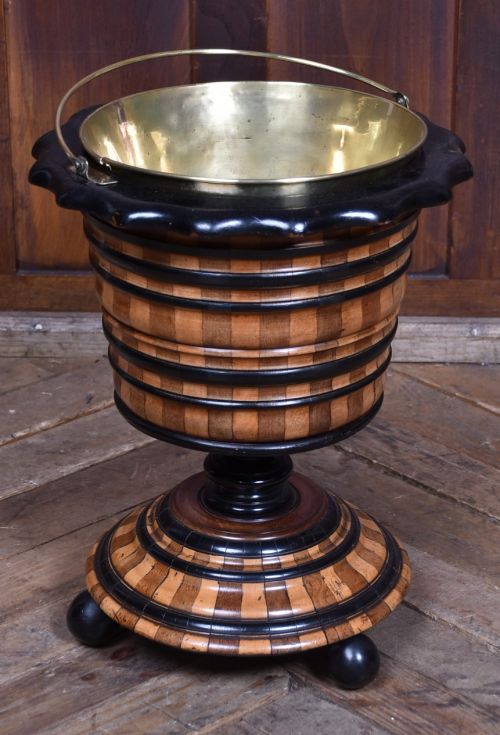
Some nineteenth-century Dutch pieces doubled as heated footstools, proving that tea-time comfort occasionally warmed the toes as well.
What varies in quality
Quality rests in the crispness of the timber carving, the choice of figured mahogany or satinwood veneer, and the structural integrity of the joints on stands. Superior metal samovars display heavier gauge copper or thick silver plating, intact spigots, and refined casting on handles and feet.
The distinction between standard utility items and exceptional pieces lies in proportion, decorative restraint and the integration of marquetry or fine brass mounts. Workshop proficiency dictates whether a stand remains rigid under a heavy vessel or whether a copper urn retains its original patination and fixtures.
Goldsmiths and Silversmiths Co.
The Georgian Tea Urn Glossary
- Samovar
- A heated metal urn used to boil and heat water for tea, traditionally fitted with an internal internal metal pipe for charcoal or a heating block.
- Kettle stand
- A small occasional table, often with an octagonal or square top, designed specifically to hold a hot water kettle or tea urn during service.
- Tea caddy
- A box or vessel used to store loose tea leaves securely, often featuring internal compartments and lockable lids.
- String inlay
- A narrow line of contrasting veneer embedded into the wood surface to outline panels on table tops and stands.
- Pewter
- A malleable metal alloy composed principally of tin, utilised for domestic vessels and early urn forms.
Georgian Tea Urn: Frequently Asked Questions
What was a georgian tea urn used for?
These vessels heated and dispensed water for tea service in the principal rooms of the house.
Servants kept the water hot using internal heating elements before bringing the vessel to the drawing room.
How do you tell a kettle stand from a wine table?
Kettle stands usually feature raised moulded edges or pull-out slides designed to catch drips and secure heavy metal bases.
Wine tables typically present flat, plain tops intended for glassware and bottles rather than hot water vessels.
Were copper samovars used alongside silver ones?
Copper and brass samovars served everyday domestic functions in larger households where silver was reserved for formal occasions.
Silver-plated and sterling silver examples occupied a higher status in the drawing room during tea ceremonies.
How should you care for wood and metal tea pieces?
Wooden stands require standard polish and protection from excessive moisture and direct heat sources.
Metal samovars and copper urns maintain their character best through gentle dusting without aggressive cleaning of historical patination.