
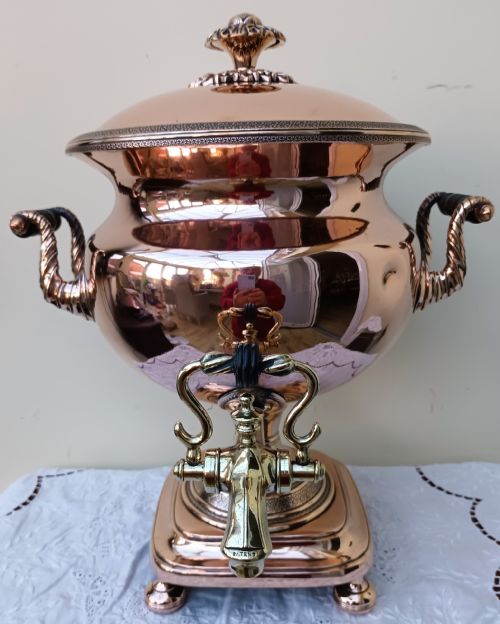
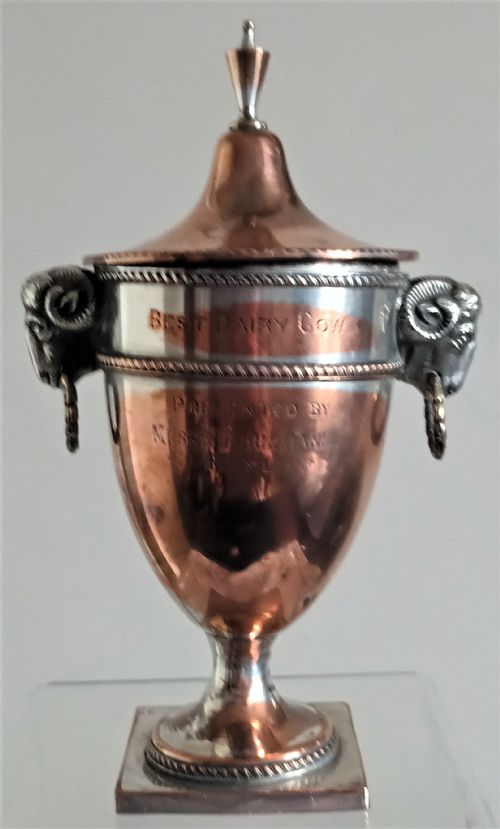
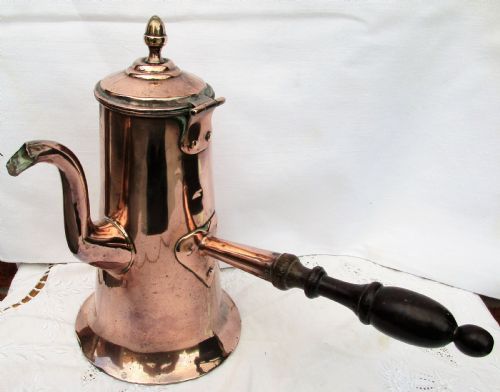


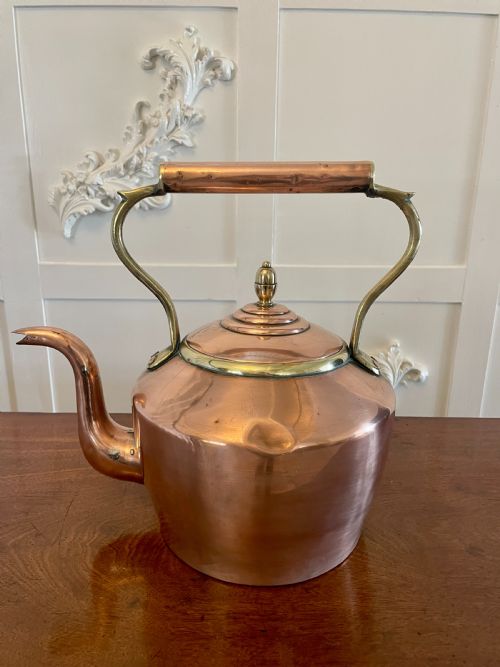


Georgian Copper Urn
These georgian copper urn examples combine utilitarian metalwork with stately presence, offering heavy warmth to any room.

Georgian Copper Urn
A georgian copper urn or samovar stands as a substantial focal point, designed originally to heat and dispense water for tea or coffee. You meet these vessels primarily in forms spanning the eighteenth century, the nineteenth century, and the Regency period.
The objects recorded here include large hanging water urns, tea urns, samovars, coffee pots, and miniature chestnut urns. Alongside these, related forms such as wine coolers, kettles, and snuff boxes appear in copper, brass, bell metal, and Old Sheffield plate.
Most items emerge from English workshops adhering to Georgian and George III styles, often retaining original fittings in bronze, brass, and iron. The material palette frequently incorporates ebonised wood handles and silver elements.
Materials and construction
Makers shaped heavy gauge copper sheets by hand, joining seams with precision soldering and riveting to contain boiling water safely. Brass and bell metal components were cast separately for taps, handles, and feet, then attached securely to the main body.
Decoration relied on skilled metalworking techniques such as rose engine turning, hammering, and plating. Old Sheffield plate combined thin layers of silver fused to a copper base, whilst bronze finishes added darker surface tones.
Listings feature pieces spanning the eighteenth and nineteenth centuries, including the Regency period and George III reign.
Assessing quality in metalwork
Quality rests on the weight of the metal and the integrity of the original fittings, including internal heating tubes and spigots. Pieces displaying crisp casting work on brass handles and well-preserved surface finishes stand apart from simpler iterations.
The presence of original elements like wooden mounts, ebonised details, and matching lids dictates the historical completeness of the vessel. Heavier gauge copper and sophisticated decorative plating separate standard utility vessels from finer display pieces.
The Georgian Copper Urn Glossary
- Samovar
- A heated metal container traditionally used to boil and heat water in Russia and throughout Europe. These vessels often feature an internal vertical metal tube for charcoal or a heated iron weight.
- Old Sheffield Plate
- An early composite material made by fusing a thin sheet of silver to a thicker copper base under heat and pressure. This technique preceded modern electroplating.
- Bell Metal
- A hard alloy used for bells and durable vessel fittings, typically comprising copper and tin. It provides a resonant quality and robust strength.
- Rose Engine
- A specialised lathe used for producing intricate, geometric engraved patterns on metal or wood surfaces. The resulting decoration appears with regular, repeating motifs.
Georgian Copper Urn: Frequently Asked Questions
What is a georgian copper urn used for?
These vessels served primarily to heat and dispense water for tea and coffee service during formal domestic gatherings. Their internal chambers held hot coals or heated metal cylinders to maintain water temperature.
In modern settings, they function as decorative objects that showcase period metalworking techniques and warm metallic tones.
How do I date a copper samovar?
Dating relies on examining the construction methods, handle attachments, and stylistic markers associated with Georgian, George III, and Regency periods. Hand-beaten seams and specific patination offer clues to the age of the metal.
Fittings such as brass taps and wooden mounts also correspond to the prevailing design vocabulary of late eighteenth and early nineteenth-century workshops.
Are these urns safe to use for water?
Most antique metal urns are treated as decorative antiques rather than functional kitchenware due to age and historic repairs. The interior linings may not meet modern standards for potable water storage.
Displaying them dry preserves the metal surfaces and any delicate plating or internal components from further wear.
What metals are commonly found on these pieces?
Copper forms the primary body of the vessels, paired frequently with cast brass for handles, feet, and spigots. Bell metal and bronze also appear in structural elements and decorative mounts.
Some examples incorporate Old Sheffield plate or silver accents, alongside contrasting ebonised wood handles.