


18th Century Tea Urn
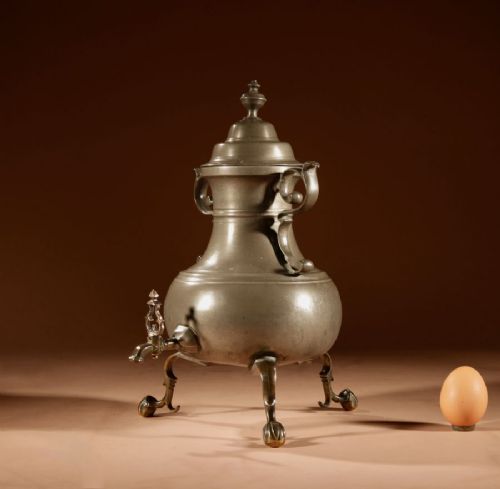
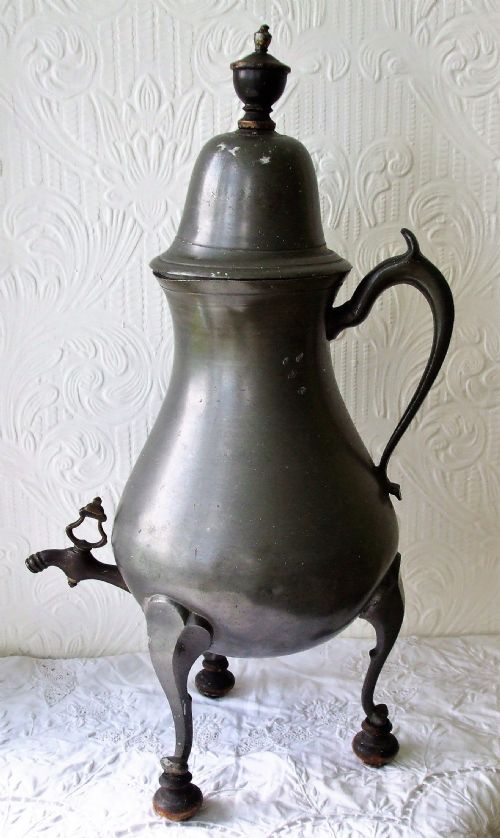
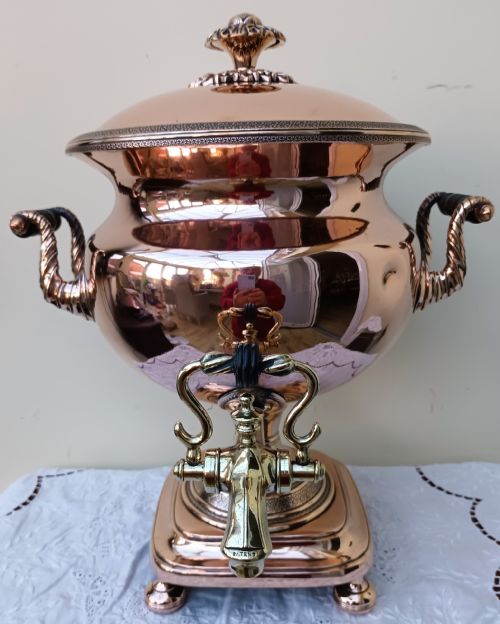
An 18th century tea urn is a striking vessel designed for heating water, and these Georgian examples bring genuine focal presence to any room.

18th Century Tea Urn
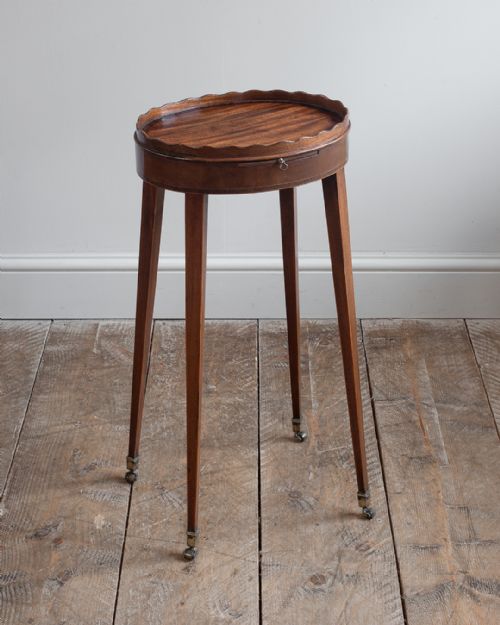
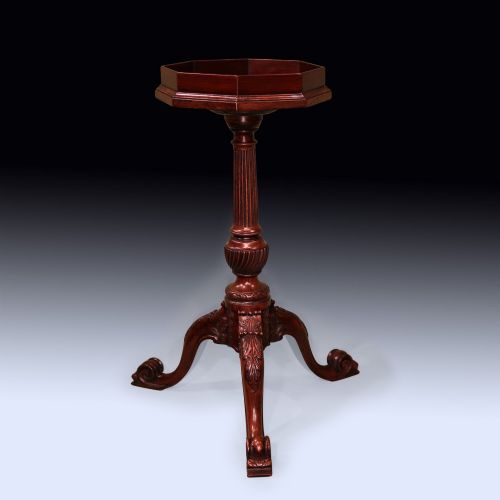
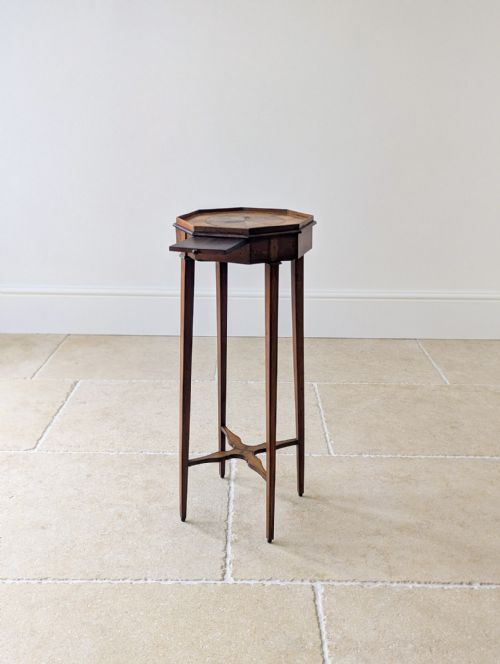
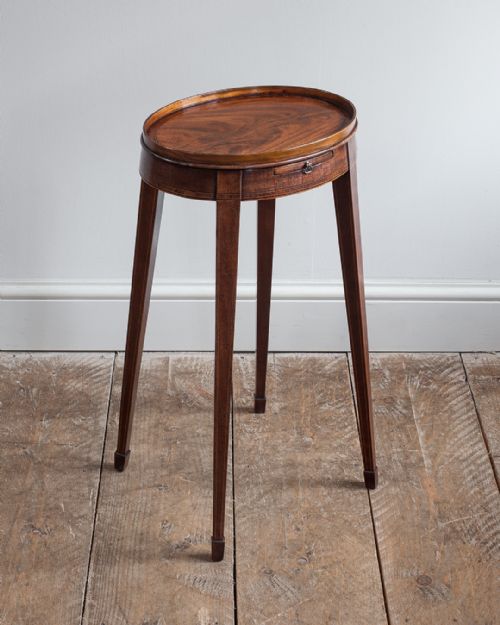
An 18th century tea urn encompasses both the central water-heating vessels themselves and the dedicated mahogany stands created to support them during formal social rituals. The selection spans robust copper and brass samovars alongside refined timber kettle stands built in oval, square, and octagonal forms.
Most entries originate from the Georgian period, displaying stylistic traits from George II, George III, Chippendale, and Sheraton design vocabularies. Alongside metal samovars, buyers encounter specialised wooden furniture pieces including kettle stands, urn stands, and occasional tables designed specifically for tea service.
Materials and construction
Metal vessels utilise copper, brass, pewter, bronze, and bell metal, often incorporating original spouts, taps, and handles. These pieces rely on traditional smithing techniques to shape and join the conductive metals required for holding heated water.
Wooden stands employ solid mahogany, satinwood, and inlay work, reflecting cabinet-making standards of the period. Carved details and structured framing support the weight of heavy metal vessels during daily use.
The listings combine mahogany furniture pieces with copper, brass, and pewter metalwork spanning the 18th century.
Assessing quality and craftsmanship
Quality reveals itself through the crispness of timber carving, the choice of figured mahogany or satinwood veneers, and the preservation of original metal fittings such as taps and handles. Superior examples maintain structural integrity and balanced proportions across both stands and vessels.
Finer metal pieces demonstrate skilful hammering and assembly in copper and bell metal, while better furniture items display refined joinery, delicate inlay, and sophisticated stylistic details aligned with Chippendale or Sheraton traditions.
The 18th Century Tea Urn Glossary
- Samovar
- A heated metal container traditionally used to boil and heat water in Russia and Western Europe. These vessels often feature central internal heating tubes and spouts.
- Kettle stand
- A small, specialised table designed to elevate a kettle or urn near the tea table. These items frequently match the prevailing Chippendale or Sheraton furniture styles.
- Bell metal
- An alloy of copper and tin traditionally used for casting bells and durable vessels. This material provides strength and a resonant quality in metal samovars.
- Inlay
- Decorative ornamentation formed by embedding pieces of contrasting wood into a solid surface. This technique appears on cabinet work and tabletops.
18th Century Tea Urn: Frequently Asked Questions
What is a tea urn used for?
A tea urn served to boil water or keep it heated for tea preparation during formal domestic gatherings.
Hostesses utilised these vessels to manage hospitality efficiently without constantly returning to the kitchen.
Were copper samovars made for daily use?
Copper samovars were manufactured for functional service in wealthy households during the Georgian era.
Their robust construction in copper and bell metal allowed them to handle hot water repeatedly.
How do I identify a Chippendale kettle stand?
Chippendale kettle stands display distinct carved wooden details, sturdy cabriole or straight legs, and substantial mahogany construction.
These characteristics separate them from simpler later designs.