


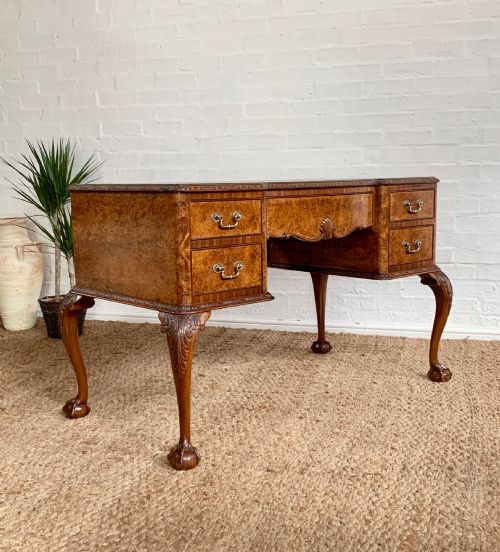

Georgian Style Writing Table
A georgian style writing table brings balanced proportions and traditional woods into a room, offering a structured surface for correspondence.

Identifying the georgian style writing table
A georgian style writing table draws on eighteenth-century design vocabulary, typically constructed during later revivals spanning the Victorian era through the early twentieth century. These pieces function as compact desks or side tables, featuring drawers for storage and distinct period styling.
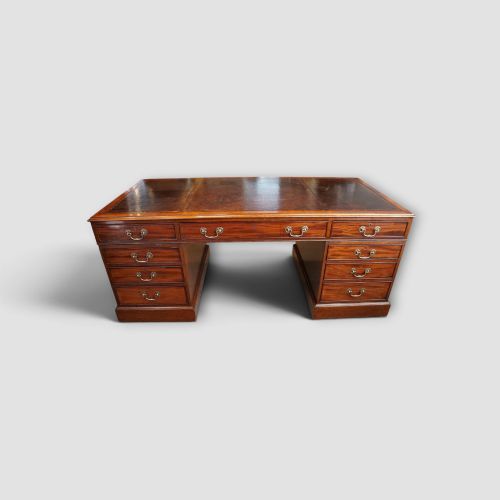
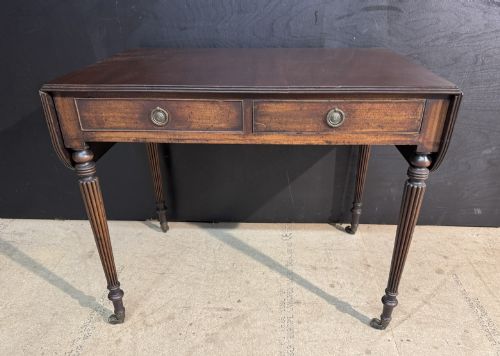
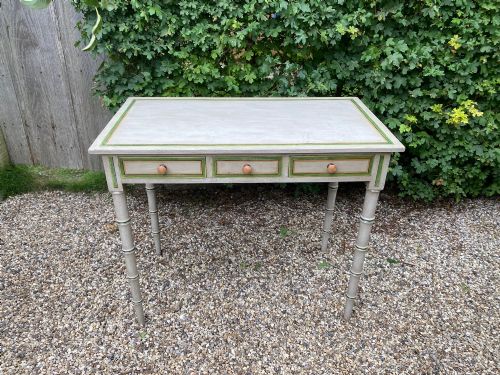
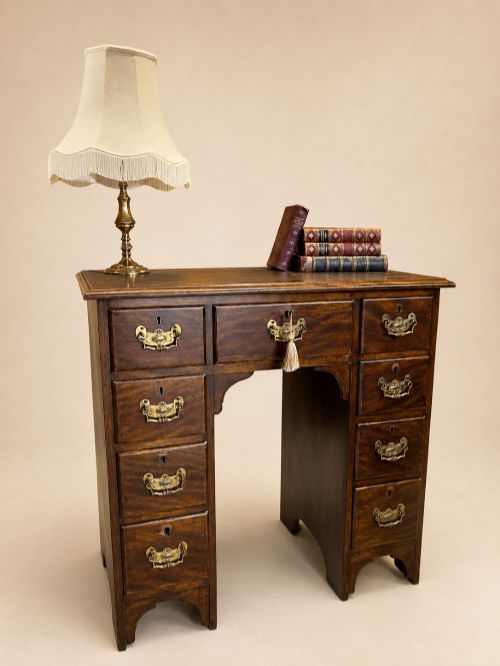
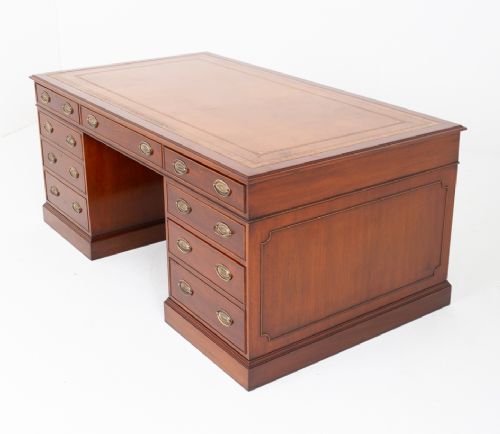
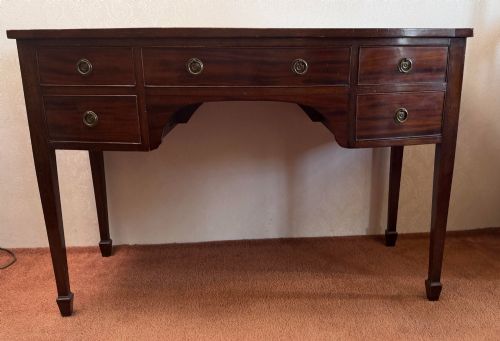
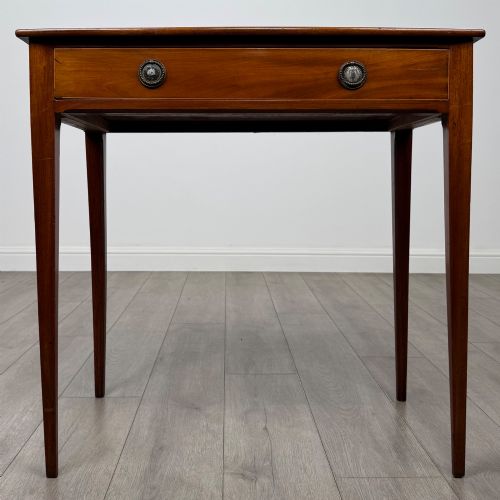
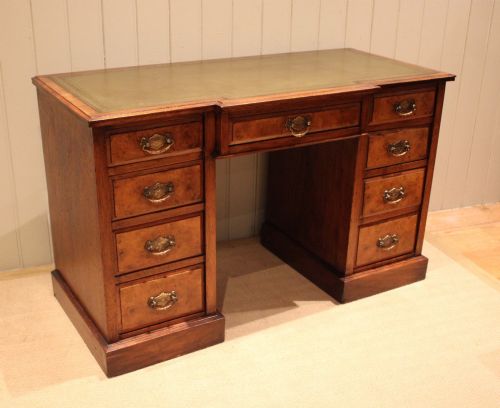
The versions most frequently met on this page date from nineteen hundred, nineteen thirty, and the Victorian period, alongside Edwardian examples. They take the form of writing desks, pedestal desks, kneehole desks, and occasional side tables.
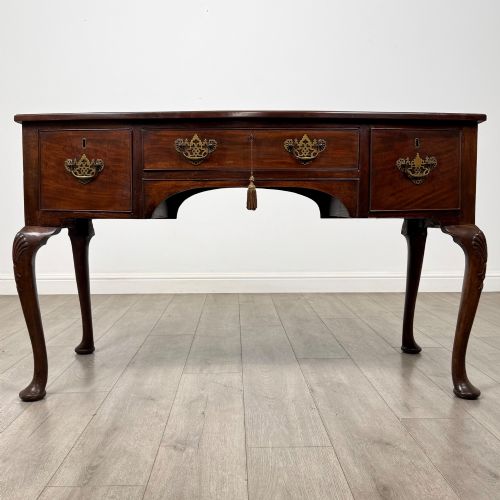
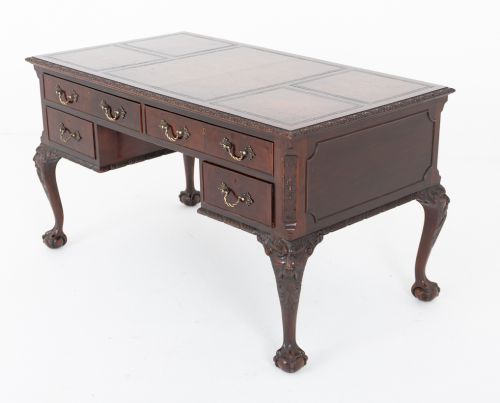
Makers of these revival pieces looked back to George II designs, Chippendale styles, and Queen Anne influences. The resulting furniture balances functional writing surfaces with decorative wood grains and classical proportions.
Materials and construction methods
The primary timbers recorded in these pieces are mahogany, burr walnut, walnut, and oak, often selected for rich grain patterns. Flame mahogany veneers and inlaid details appear frequently on top surfaces and drawer fronts.
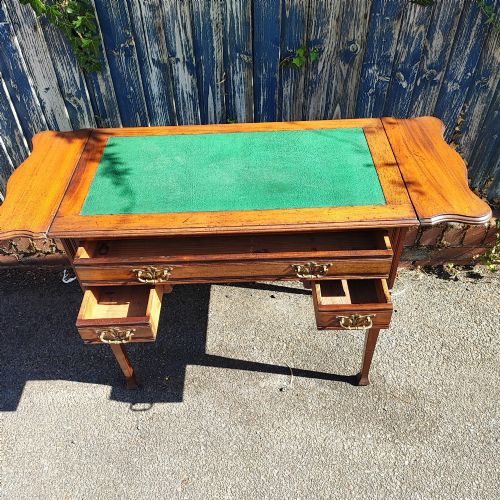
Writing surfaces frequently incorporate inset leather panels, providing a durable and traditional top for writing. Brass fittings, including handles and drawer pulls, complement the dark timber tones.
Retail Price Guide 2026
Typical UK retail prices for georgian style writing table, calculated from the Sellingantiques database of over a million retail prices indexed since 2003. This retail price guide relies exclusively on Sellingantiques data; no external sources or auction records are used, so the figures do not describe the wider market.
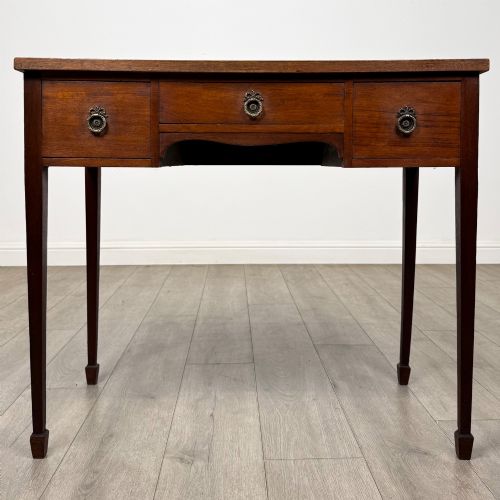
The archive includes Edwardian bow front ladies writing tables alongside nineteenth-century Chippendale style pieces.
Distinguishing quality in revival writing tables
Quality rests in the selection of timber veneers and the crispness of carved details, such as those found in Chippendale style pieces. The choice between solid mahogany, burr walnut, or simpler oak construction alters the visual weight and finish of the table.
The integration of functional elements like multiple drawers and inset leather writing surfaces demonstrates the maker's attention to traditional utility. Superior examples maintain balanced proportions across pedestal, kneehole, and bow front configurations.
The Georgian Style Writing Table Glossary
- Pedestal desk
- A heavy desk with two supporting columns of drawers flanking a central opening. This form provides substantial storage underneath the writing surface.
- Kneehole desk
- A compact desk featuring a central recess for the knees with drawers stacked on either side. It offers a smaller footprint than a full pedestal desk.
- Flame mahogany
- A wood veneer cut from timber fork where branches join, creating a distinctive flickering flame pattern. This decorative grain is prized on drawer fronts and table tops.
- Chippendale style
- A decorative style inspired by Thomas Chippendale's eighteenth-century designs, featuring carved details and classical motifs. Revival pieces often adopt these elements on legs and drawer surrounds.
- Bachelors chest
- A small chest of drawers that incorporates a pull-out brushing slide or folding top for writing. It combines storage with occasional desk functionality.
Frequently Asked Questions
What is a georgian style writing table?
A georgian style writing table is a revival desk or side table built during the Victorian or Edwardian periods, or the early twentieth century. It echoes eighteenth-century forms through traditional timbers and classical design.
These pieces serve as functional writing desks or decorative hall tables, bringing period character into modern interiors while maintaining practical surface areas.
How do I date these writing tables?
Dating relies on construction methods, timber choices, and revival markers pointing to eras like nineteen hundred, nineteen thirty, or the Victorian period. Edwardian pieces often display specific veneer work and lighter proportions.
Comparing the secondary woods inside the drawers and the style of brass hardware helps place the piece within its nineteenth or early twentieth-century revival context.
Where should I place a writing table?
These tables suit studies, living rooms, or hallways depending on whether you choose a pedestal desk, kneehole desk, or occasional side table. Their finished backs often allow placement away from walls.
Ensure the height of the writing surface matches your chair and that the room has adequate natural or task lighting for writing.
What woods were used?
Makers utilised mahogany, burr walnut, walnut, and oak, frequently enhancing surfaces with flame mahogany veneers and inlaid borders. Leather inserts often provide the writing surface.
These materials define the traditional aesthetic and ensure durability for daily use as a desk or side table.