



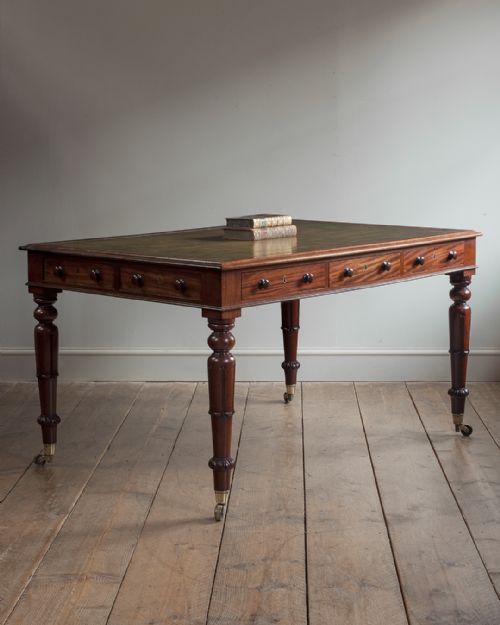
Traditional Library Table
A traditional library table grounds a room with substantial timber and generous proportions, offering a dedicated surface for writing, reading, and correspondence.

Traditional Library Table
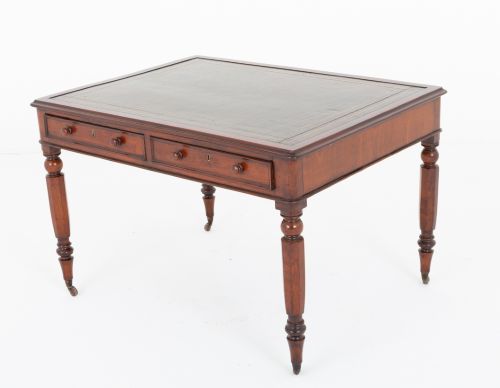
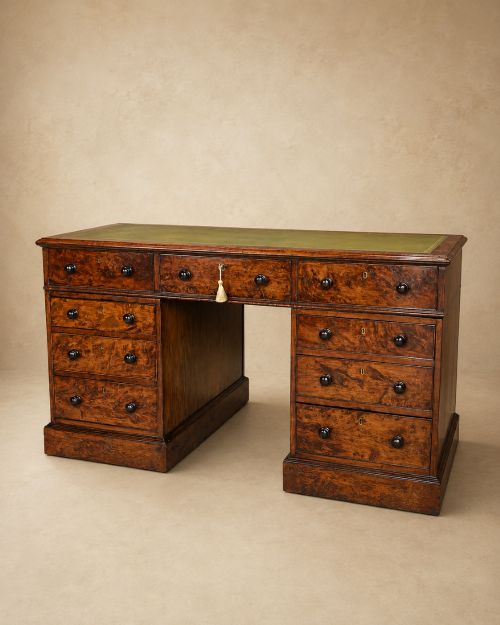
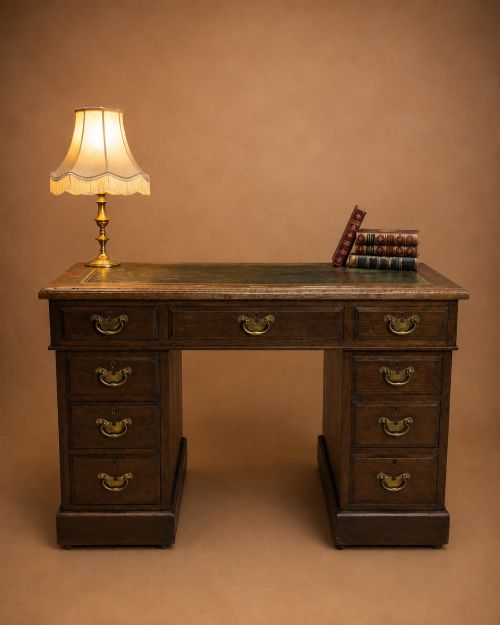
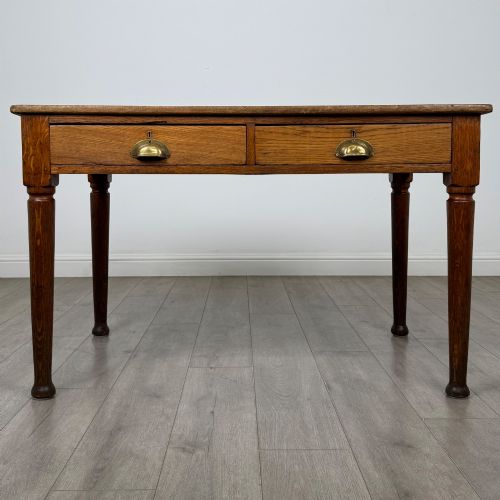
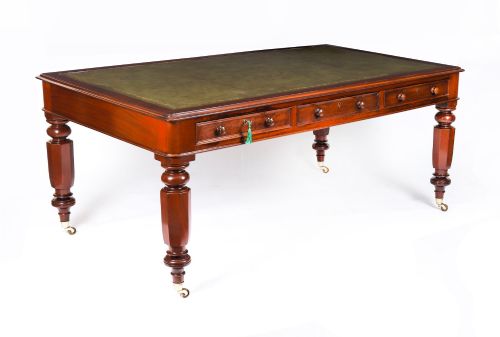
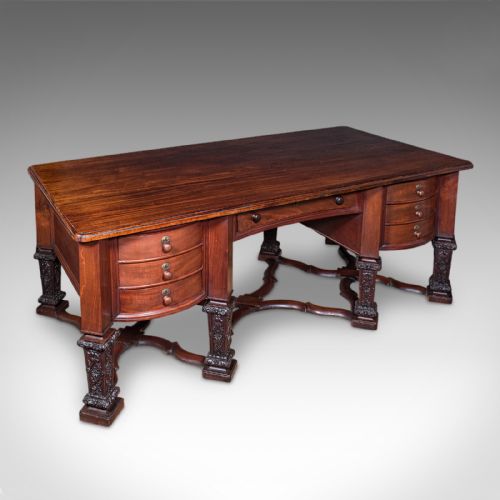
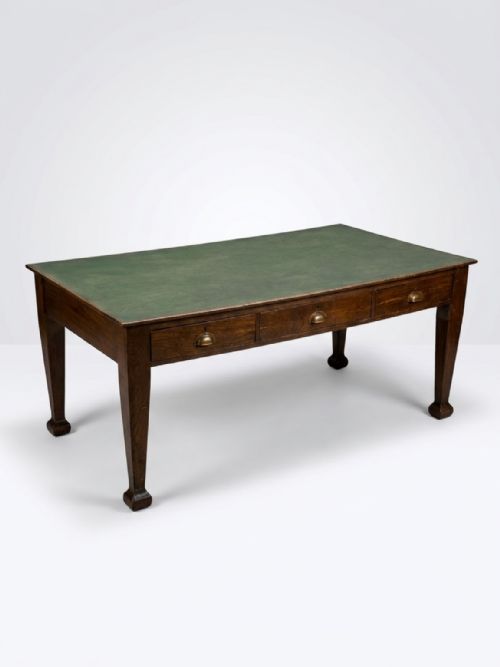
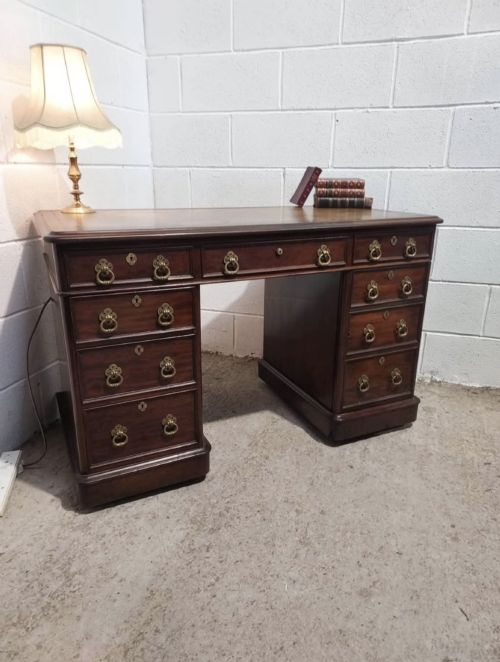
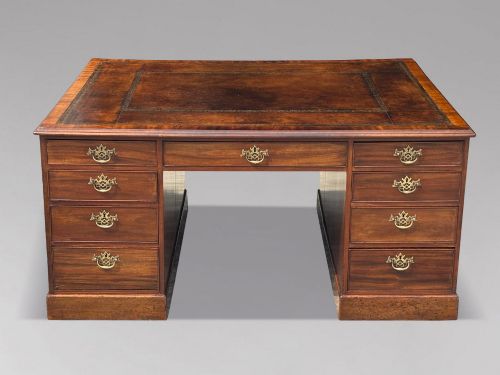
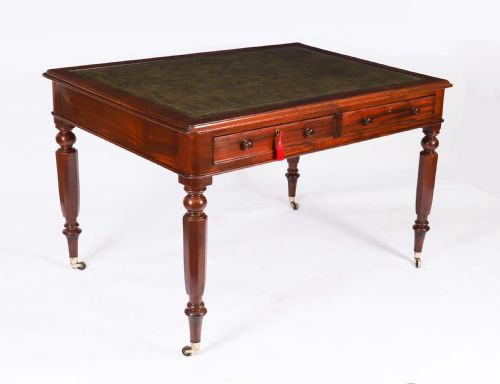
A traditional library table typically takes the form of a substantial pedestal desk or partners desk designed to sit free-standing in the centre of a room rather than pushed against a wall. The listings show forms ranging from large partners tables with drawers on both sides to simpler writing tables and pedestal desks.
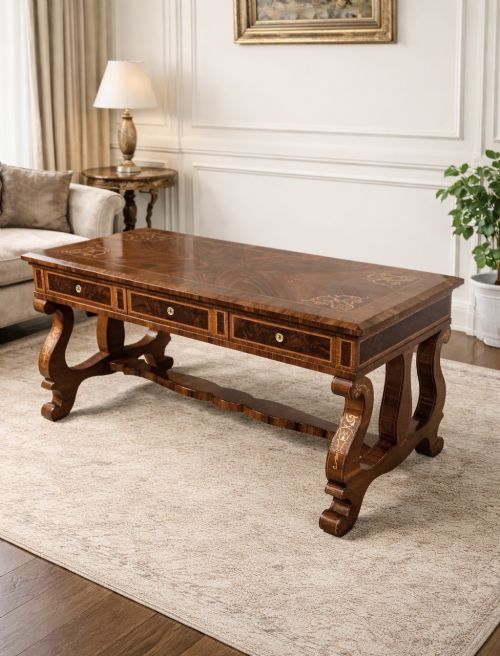
The materials span mahogany, oak, walnut, and burr walnut, frequently accented with inset leather writing surfaces and brass hardware. Pieces appear across the Victorian, Georgian, William IV, and Edwardian periods, alongside revival styles including Louis XIV Revival and French Empire.
Buyers seeking a traditional library table encounter heavily constructed timber furniture built to handle heavy ledgers and daily clerical work. The forms include specific variants like wages desks, specimen desks, and bureau mazarin examples alongside standard writing tables.
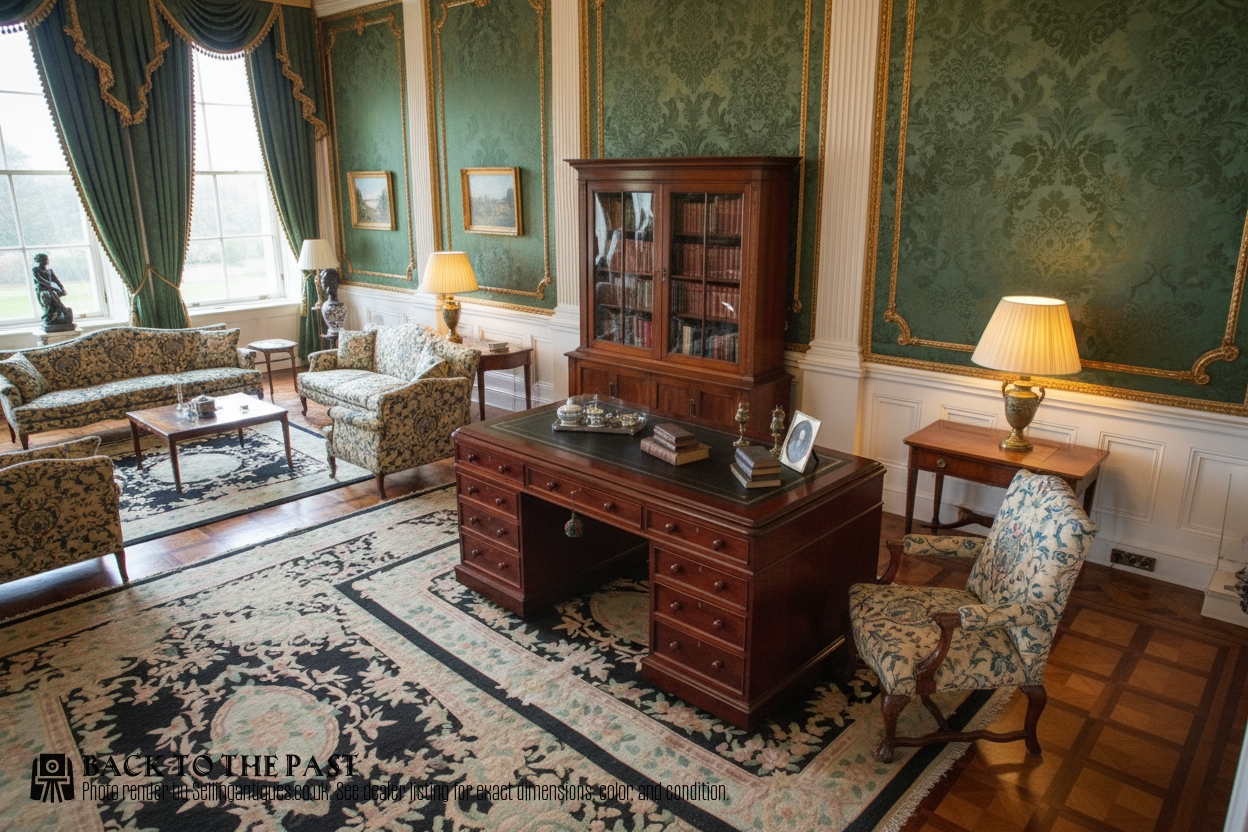
How they were made
Cabinetmakers constructed these tables using dense hardwoods such as mahogany, oak, and walnut, often selecting flame mahogany veneers or burr walnut for visible surfaces to add depth and grain pattern. Secondary timbers like pine appear in internal partitions and drawer linings.
Leather insertion provides the classic writing surface, commonly bordered with gilt tooling, while brass handles, key escutcheons, and occasional lamps furnish the hardware details. Joinery relies on traditional dovetailed drawer construction and solid timber framing designed to withstand decades of use.
Traditional Library Table Retail Price Guide 2026
Typical asking prices for traditional library table among the pieces listed under this phrase on Sellingantiques today, from the lower quarter to the upper quarter. They describe what is for sale here now, not the wider market.
Several desks come equipped with secret locking mechanisms hidden behind seemingly decorative dummy drawer fronts.
What varies in quality
Quality reveals itself in the selection of timber figures, such as matched flame mahogany veneers and the rich grain of burr walnut, compared against plain or heavily repaired secondary woods. Superior examples maintain crisp carving on drawer edges and pedestals without softened mouldings or clumsy alterations.
The integrity of the original leather writing surface and the presence of working locks with matching keys distinguish better-preserved pieces. Construction depth, such as full-depth oak drawer linings and robust internal framing, separates standard utility furniture from finer cabinetmaker output.
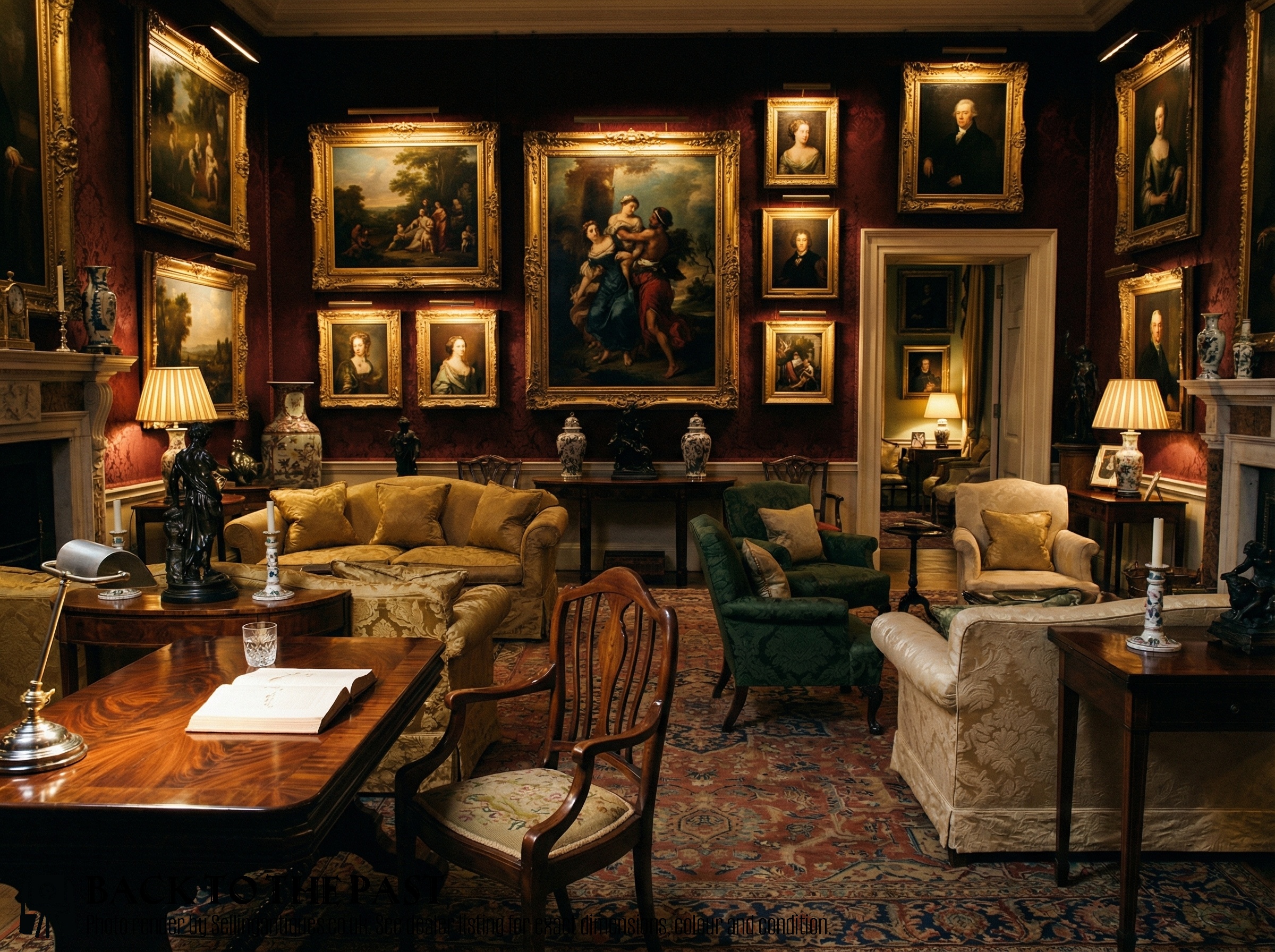
Trollope & sons
The Traditional Library Table Glossary
- Partners desk
- A large double-sided desk with drawers and cupboards facing both directions, allowing two people to work opposite one another. These tables form the centrepiece of many traditional libraries.
- Pedestal desk
- A freestanding desk comprising two supporting banks of drawers with a central recess for the user. They often feature inset leather tops and panelled sides.
- Flame mahogany
- A decorative veneer cut from the fork of a mahogany tree where the branches join the trunk, producing a distinctive flickering flame pattern. Cabinetmakers reserved this timber for principal show surfaces.
- Burr walnut
- A highly figured timber taken from a growth on a walnut tree, yielding a swirling, marbled grain. It appears on Victorian and Edwardian writing tables for ornamental effect.
- Toleware
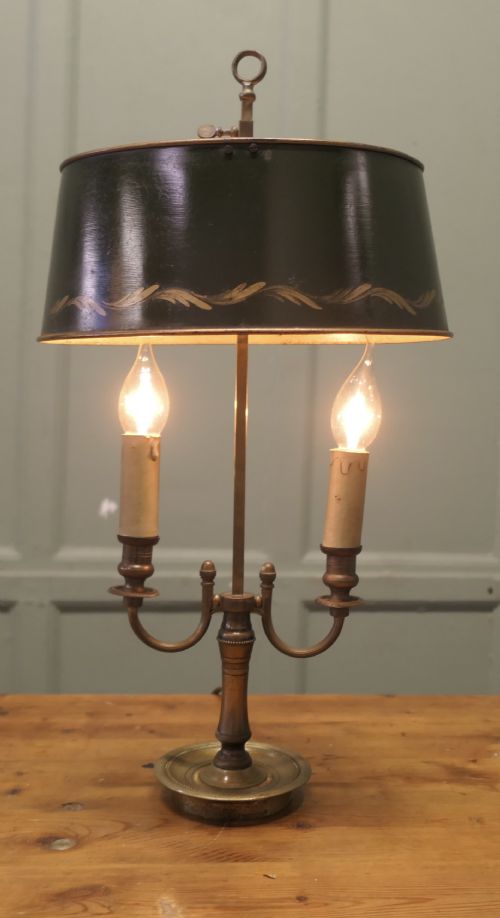
- Painted or enamelled tinplate used for desk accessories such as bouillotte lamps and inkstands. The green finish with brass fittings frequently accompanies period writing furniture.
Traditional Library Table: Frequently Asked Questions
How do I care for a leather desk top?
The leather writing surface benefits from occasional cleaning with a damp cloth and treatment with specialised leather balm or wax to prevent cracking and maintain suppleness.
Avoid using harsh chemical cleaners or placing hot cups directly on the leather, as this can permanently strip the natural finish and damage the underlying timber.
Are these tables suitable for modern office work?
Many buyers use these traditional tables to accommodate laptops and paperwork, taking advantage of the generous surface area and deep storage drawers.
Because original tables lack built-in cable management, users often route cords discreetly down the back or use matching desk lamps like brass bouillotte or student lamps for lighting.
How do I distinguish Victorian from Georgian tables?
Georgian tables from the eighteenth century typically exhibit restrained classical proportions, finer carving, and lighter structural lines associated with makers influenced by Chippendale designs.
Victorian pieces tend to be heavier in scale, utilising dense mahogany or walnut with bolder mouldings, deeper pedestals, and more robust construction suited to expansive nineteenth-century interiors.