


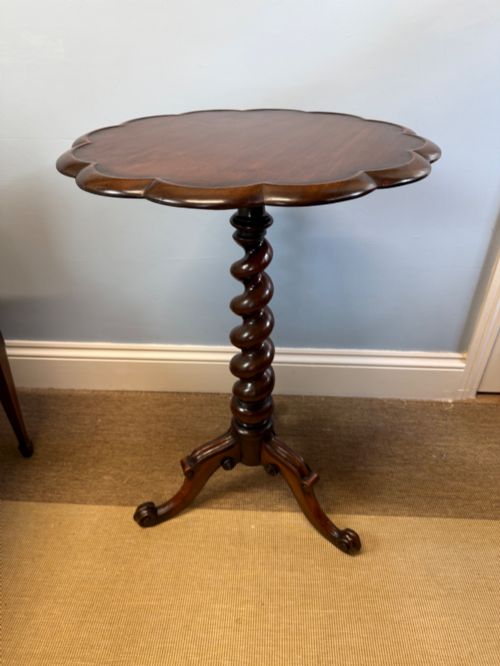
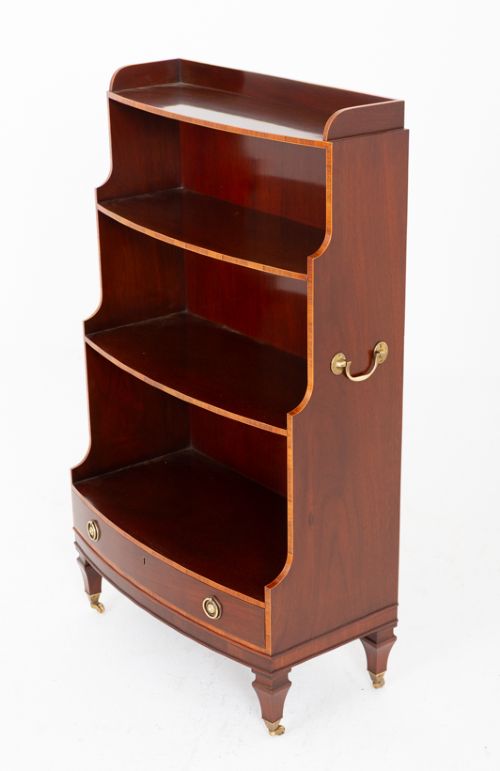
Georgian Style Stand
A georgian style stand serves as a versatile piece for displaying items or supporting lamps, uniting traditional design with practical utility.
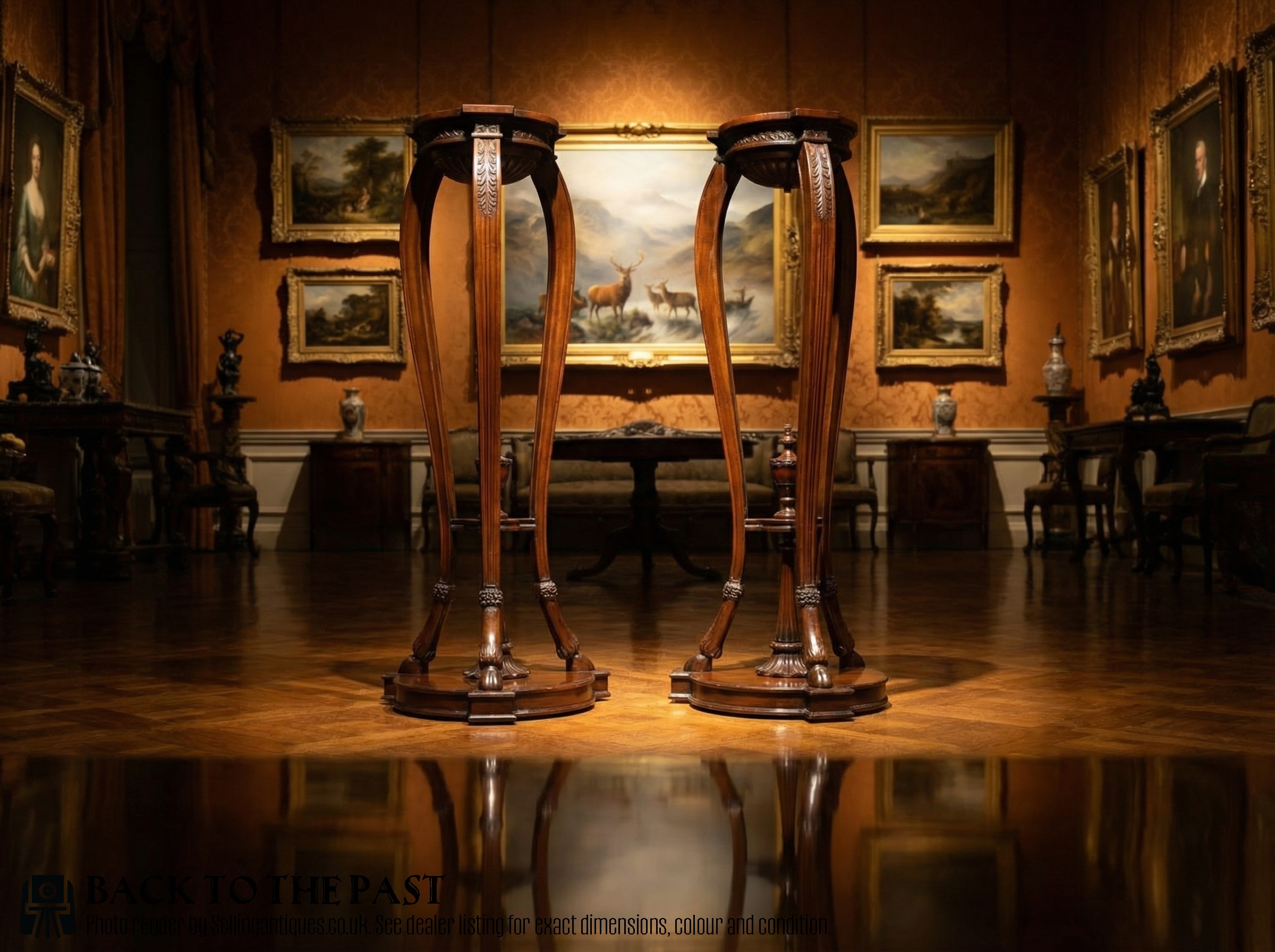
Georgian Style Stand
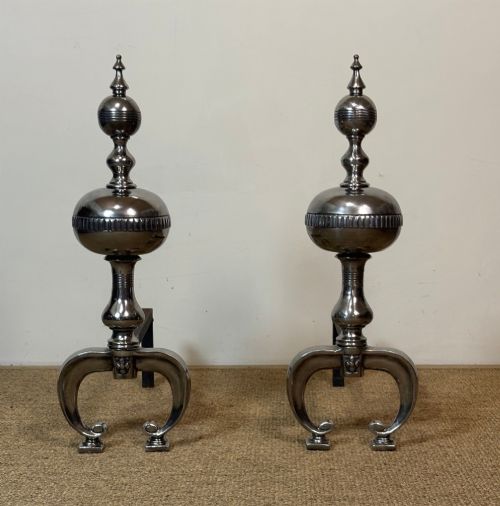
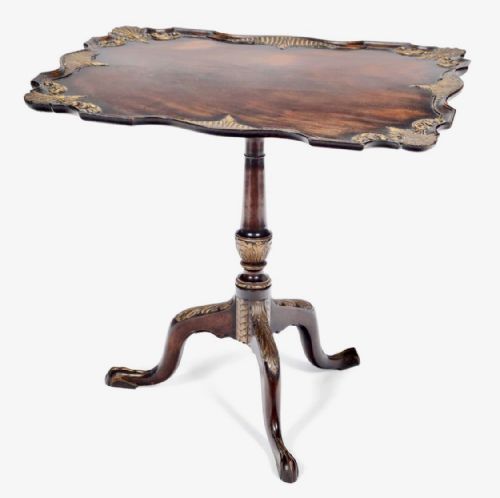
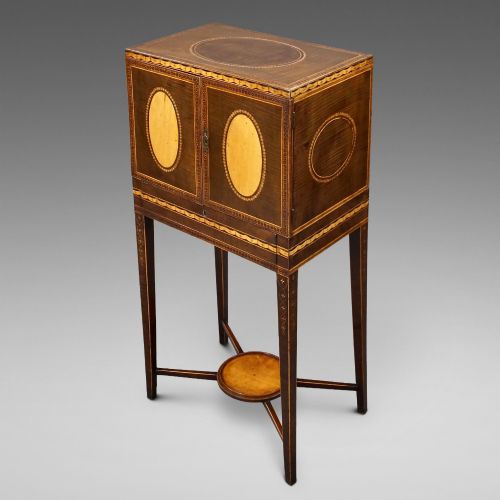
A georgian style stand encompasses a diverse group of furnishings designed to elevate objects, plants, or lighting within a room. Buyers searching this phrase encounter various interpretations ranging from authentic pieces made during the eighteenth and nineteenth centuries to later revival items produced in the Edwardian and early twentieth-century periods.
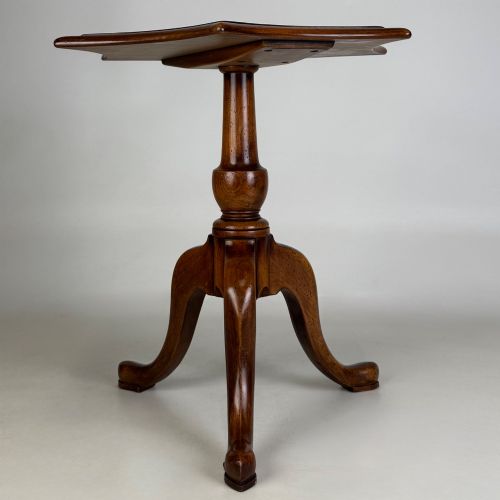
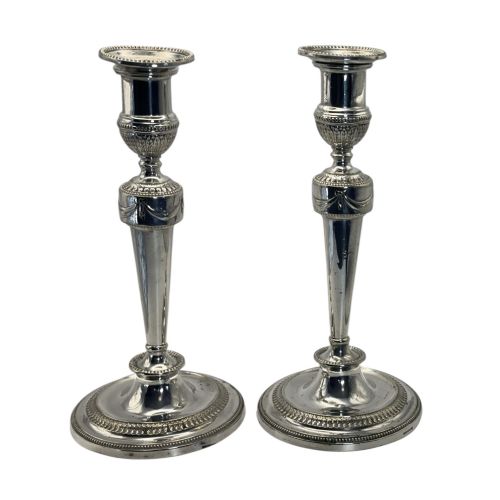
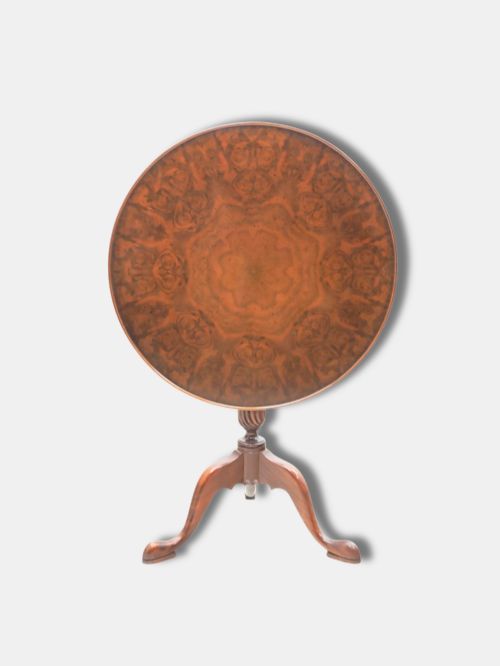
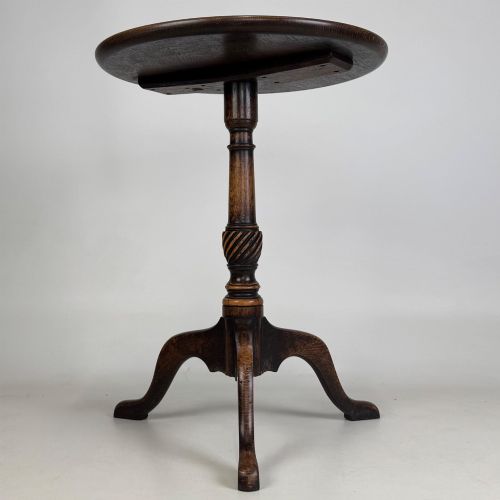
The selections span functional forms such as torchere columns, night stands, plant holders, kettle stands, and wig stands. Many examples incorporate traditional characteristics like tripod bases, column supports, and tiered surfaces constructed from durable timbers.
Originating primarily from British cabinet-making traditions, these stands often mirror the proportions and decorative motifs associated with Chippendale, Sheraton, or Gillows designs. Walnut and mahogany frequently appear as the primary structural materials across both original and revival pieces.
Quality and Execution
The distinction between standard examples and superior pieces rests upon the crispness of the carving and the selection of figured wood veneers. Stands featuring finely turned columns, balanced tripod legs, and precise marquetry represent more skilled craftsmanship.
Proportion and structural integrity dictate the overall calibre of the piece. Top-tier stands maintain rigid joints and balanced weight distribution without reliance on excessive modern hardware or secondary repairs.
Some tall stands spent their early days holding heavy wigs before settling down to support potted ferns.
Gillow·Edwards and Roberts·Mappin and Webb
The Georgian Style Stand Glossary
- Torchere
- A tall, slender stand designed specifically to support a candle lamp, torch, or decorative plant. These pieces feature elevated platforms supported by single columns or slender tripod legs.
- Tripod Table
- A small table or stand supported by a central pillar resting on three legs. This design became popular in the eighteenth century for its stability on uneven floors.
- Marquetry
- Decorative veneer work arranged in geometric or pictorial patterns across the surface of furniture. Craftsmen used contrasting woods to create detailed imagery.
- Parcel Gilt
- A decorative technique where specific carved details or highlights on a wooden surface are partially covered in gold leaf. This method accentuates architectural moulding.
- Tilt Top
- A tabletop mechanism allowing the top to pivot vertically for compact storage against a wall when not in use. It relies on a wooden catch or brass latch.
Georgian Style Stand: Frequently Asked Questions
What rooms suit a georgian style stand?
These stands fit comfortably in reception rooms, hallways, and studies where surface space is limited. Their compact footprints allow them to occupy corners or tight spaces effectively.
They function well alongside seating arrangements to hold lamps, drinks, or decorative ornaments. Their understated profiles blend easily with both period interiors and modern spaces.
How do I distinguish revival from original pieces?
Examining the timber ageing, construction methods, and hardware helps determine the period of manufacture. Original eighteenth-century pieces display hand-cut joinery and natural patina acquired through extensive use.
Revival examples from the Edwardian era or the 1920s often utilise machine-sawn components and standardised fixings. Maker labels or stamps can also provide definitive dates for later workshop productions.
Were these stands used for specific tasks?
Historical stands served distinct domestic functions ranging from holding wigs and kettles to supporting lighting apparatuses. Wig stands accommodated powdered hairpieces in dressing rooms, while torchere stands elevated lighting fixtures.
Many forms adapted over time to suit general display purposes rather than their original specialised tasks. Their portability made them convenient for moving around large country houses.
How do I care for wooden stands?
Maintaining these surfaces requires keeping them away from direct heat sources and strong sunlight to prevent timber warping or veneer cracking. Regular dusting with a soft, dry cloth preserves the polished finish.
Applying microcrystalline wax periodically nourishes the wood without building up heavy residues. Avoid using liquid polishes containing silicone, which can penetrate and damage historic finishes.