
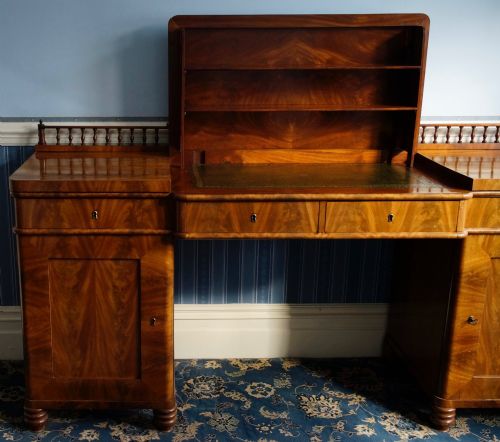
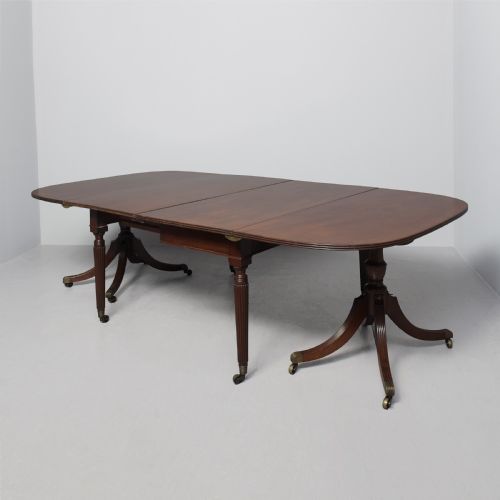




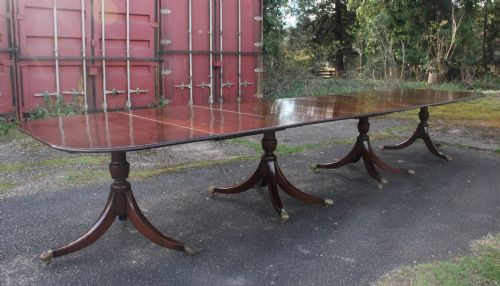
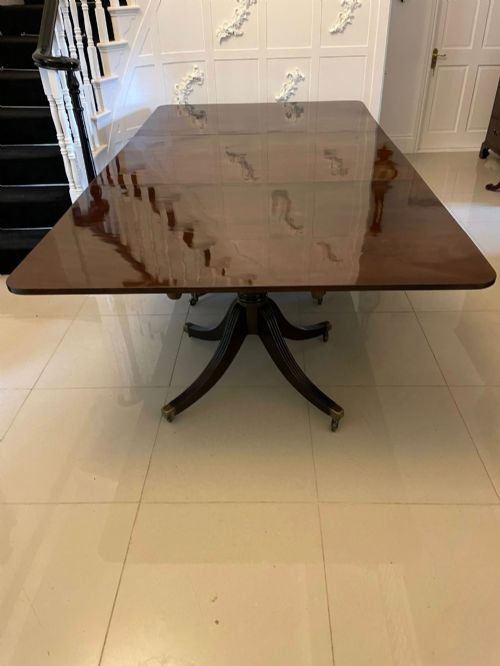
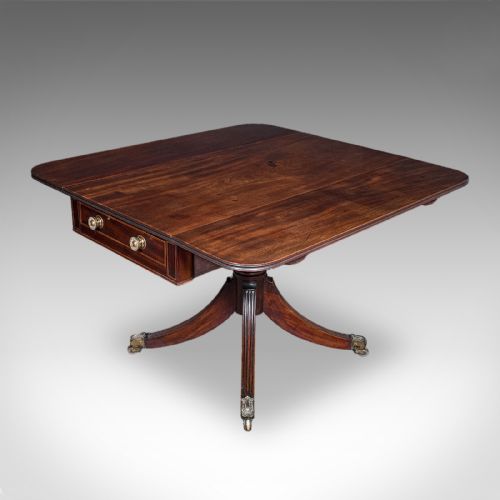
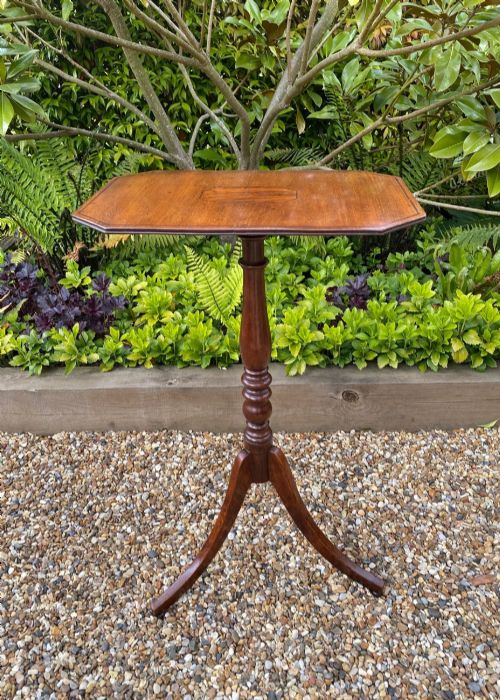
Dark Mahogany Pedestal
A dark mahogany pedestal grounds a corner with rich, heavy timber and timeless structural dignity.
What a dark mahogany pedestal is
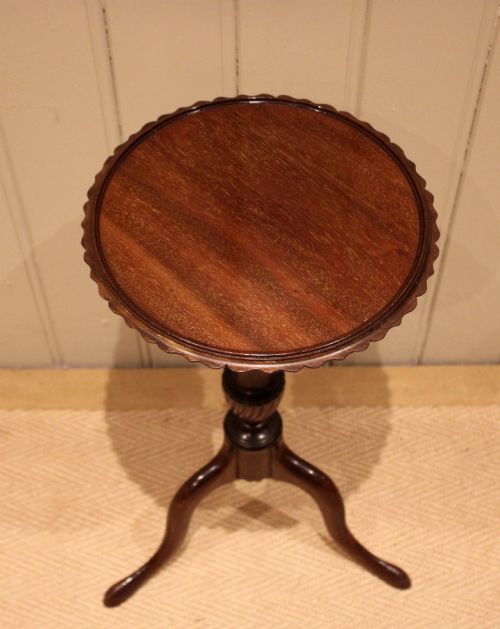
A dark mahogany pedestal stands as a vertical display piece designed to elevate lamps, urns, or botanical specimens within a room. When you search for this phrase, you encounter tall stands intended to draw the eye upward and anchor corners or empty wall spaces.
The versions most likely to meet you on this page span several distinct eras of revival and original Georgian production. Examples range from late Victorian interpretations down to mid-eighteenth century country house pieces.
Each piece utilises the deep, reddish-brown tones of dense timber, frequently shaped into slender columns or sturdy supports. They serve both a practical domestic function and a decorative architectural role.
How they were made
Constructed primarily from solid mahogany or carved hardwood, these stands rely on dense, durable timber capable of supporting heavy top loads. Cabinetmakers shaped the wood using traditional turning lathes and hand-chiselling techniques.
Certain surfaces incorporate subtle brass accents or intricate carved details that define the various revival styles. The timber is polished to a deep, dark lustre that highlights the natural grain of the wood.
Retail Price Guide 2026
Typical UK retail prices for dark mahogany pedestal, calculated from the Sellingantiques database of over a million retail prices indexed since 2003. This retail price guide relies exclusively on Sellingantiques data; no external sources or auction records are used, so the figures do not describe the wider market.
Current listings feature pieces spanning from the mid-eighteenth century through to the late nineteenth century, utilising mahogany, carved hardwood, and brass.
What varies in quality
The distinction between standard examples and superior pieces rests entirely upon the depth of the carving and the architectural ambition of the design. A monumental torchere from the mid-eighteenth century displays a confident handling of proportion that simpler late-nineteenth-century revival pieces rarely match.
Timber selection dictates the baseline quality, with heavier, closely figured mahogany outperforming simpler utility woods. The crispness of the hand-carved ornament on the column and base separates competent workshop output from exceptional cabinet work.
The Dark Mahogany Pedestal Glossary
- Mahogany
- A durable tropical hardwood known for its rich reddish-brown colour and fine grain. It takes a high polish and resists warping.
- Torchere
- A tall, slender stand or candlestick designed to hold a light source or decorative object. In furniture terms, it denotes an elevated display column.
- Pedestal
- A structural support or base for a statue, vase, or plant stand. These pieces lift decorative objects to eye level.
- Georgian Revival
- A design style looking back to the eighteenth century for inspiration. It reappeared in furniture production during the late nineteenth and early twentieth centuries.
Frequently Asked Questions
What is a dark mahogany pedestal used for?
These tall stands serve primarily to elevate decorative objects, urns, or plant stands above floor level. They draw the eye upward and utilise dead corner space in traditional interiors.
Historically, they also held lighting fixtures or acted as focal points in large reception rooms. Today, they function well for displaying ceramic bowls or bronze sculptures.
How do I date a pedestal?
Dating relies on examining the timber density, tool marks, and stylistic clues within the carving. Georgian pieces from the mid-eighteenth century display different proportions compared to later nineteenth-century revivals.
Revival pieces often borrow heavily from Chippendale or Renaissance motifs while employing manufacturing methods characteristic of their actual decade of production.
Where should I place a pedestal in a room?
A dark mahogany pedestal sits best in corners, empty wall spaces, or flanking larger pieces of furniture. It requires enough clearance to be viewed in the round without obstruction.
Ensure the surface supports whatever item you place on top without crowding the room's primary traffic routes.