


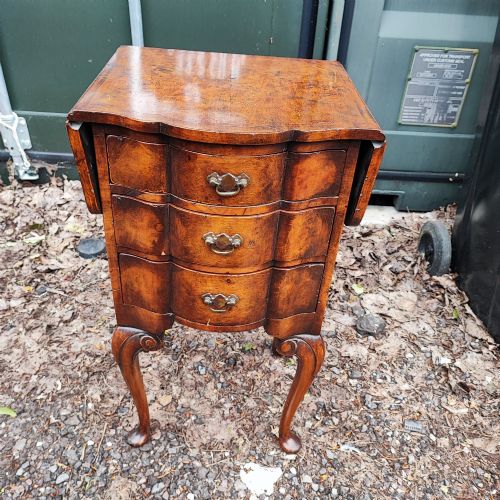
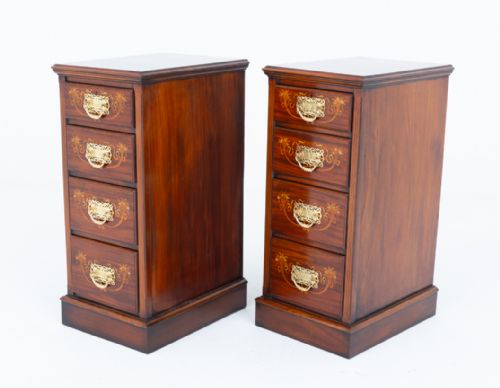
Georgian Style Bedside Cupboard
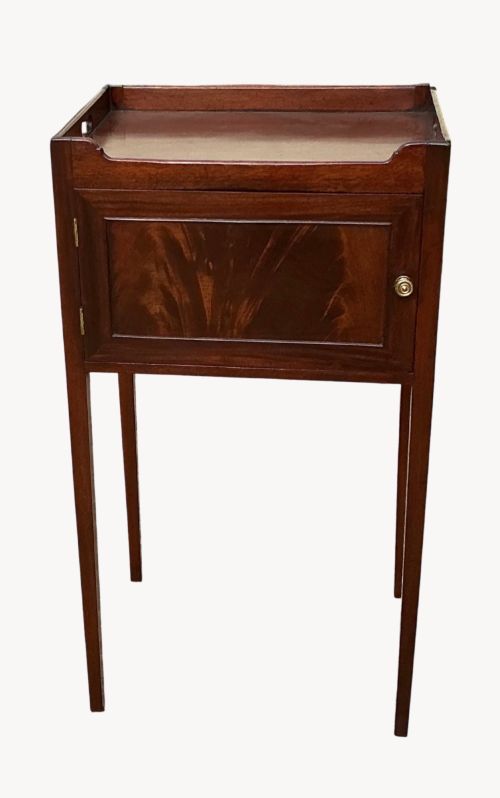
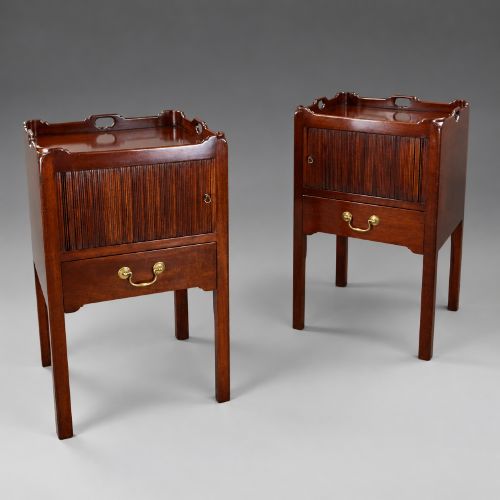
A georgian style bedside cupboard brings compact elegance to a bedroom, offering concealed storage alongside the bed.
Georgian Style Bedside Cupboard
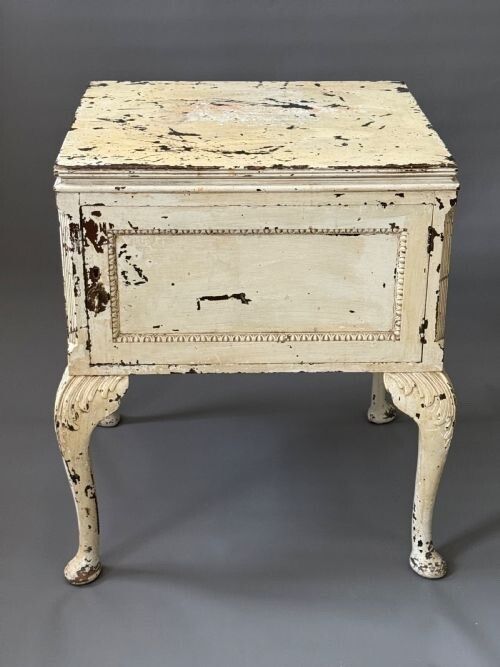
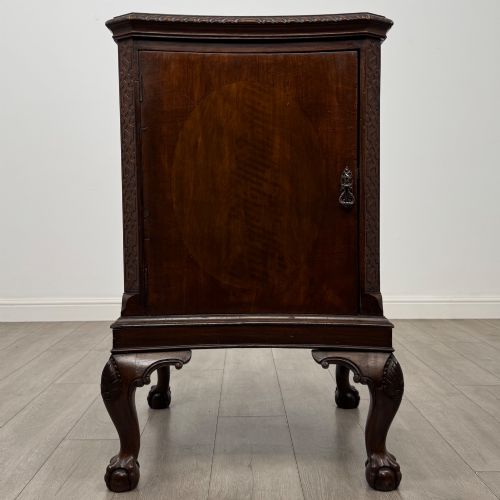
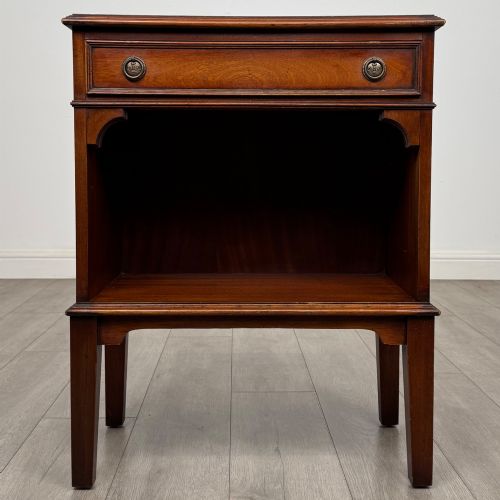
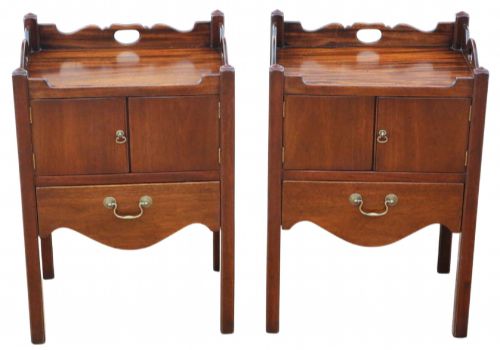
A georgian style bedside cupboard serves as a practical surface and enclosed storage space beside a bed. When searching this phrase, you encounter pieces spanning authentic Georgian eras alongside later revival interpretations from the Victorian, Edwardian, and twentieth-century periods.
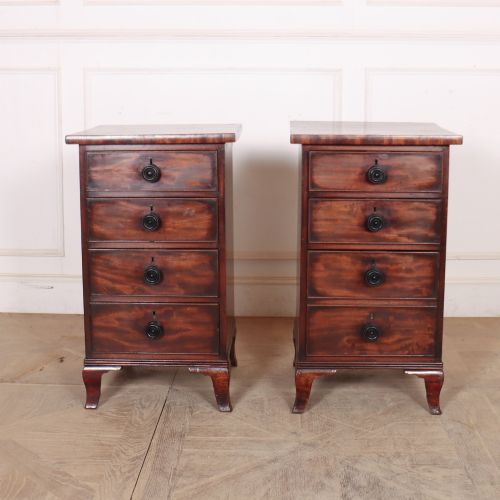
Makers and craftsmen drew heavily upon classical proportions, adapting larger case-furniture designs into smaller bedroom proportions. Mahogany remains the dominant timber, though walnut and satinwood also appear frequently across different revival styles.
Materials and construction methods
Cabinetmakers utilised solid timbers and selected veneers, predominantly mahogany and walnut, chosen for depth of grain and rich natural colour. Secondary woods provided structural stability inside the carcase and drawer linings.
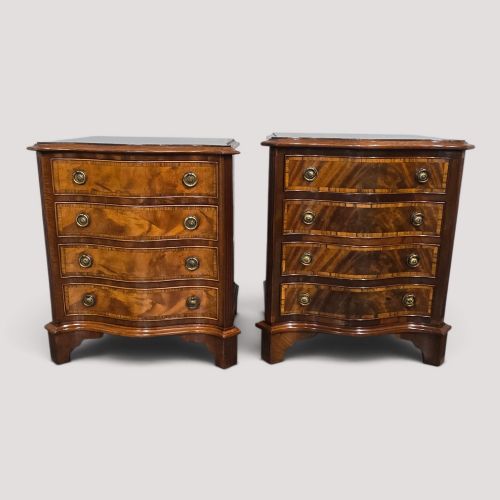
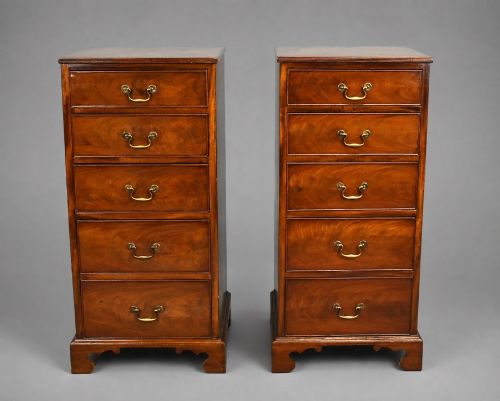
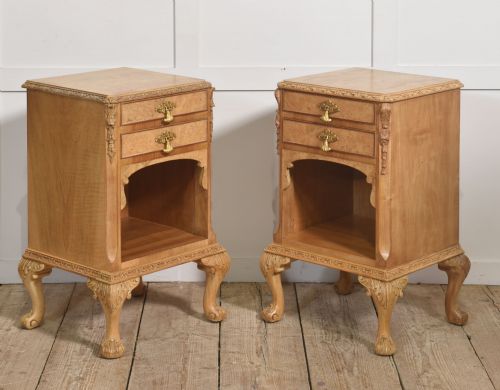
Decorative detailing relies on craftsmanship such as fine stringing, boxwood inlay, hand-painted motifs, and shaped serpentine fronts. Brass handles, drop pulls, and bracket feet complete the construction according to the prevailing period taste.
Some nineteenth-century makers cleverly disguised shoe storage compartments inside what appeared to be standard bedside cabinets.
Distinctions in craftsmanship
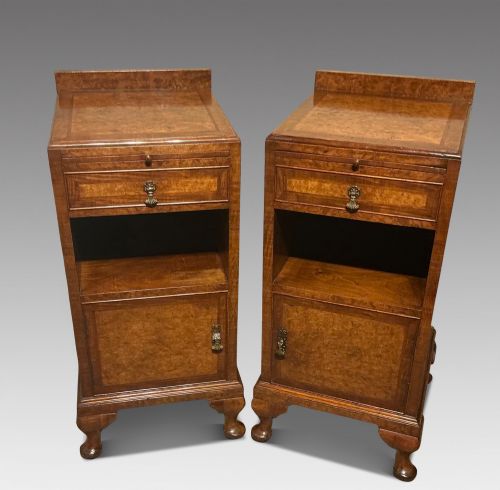
Quality reveals itself in the selection of timber figures, such as burr walnut or carefully matched mahogany flames, and the precision of inlaid stringing. Superior examples maintain crisp carving along cornices and bracket feet without softened edges from excessive past sanding.
Internal construction and drawer operation separate standard utilitarian pieces from finer workshop productions. Dovetailed drawer boxes, original brass hardware, and well-fitted cupboard doors indicate higher standards of period joinery.
Holland and Sons·Gillows
The Georgian Style Bedside Cupboard Glossary
- Serpentine front
- A furniture front curving outward in the centre and inward at the sides, creating a gentle wave effect. This shape requires considerable skill from the woodworker.
- Stringing
- Thin lines of contrasting wood inlaid into the surface of furniture to create decorative borders. Boxwood is frequently used against darker mahogany for this purpose.
- Pedestal cabinet
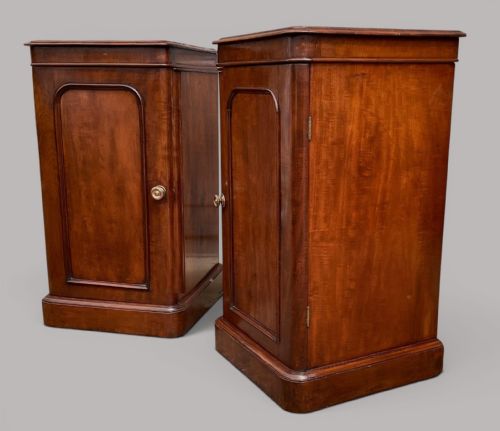
- A tall, narrow freestanding cupboard standing on a plinth base, designed to utilise vertical space efficiently next to a bed. These often open with a single panelled door.
- Revival style
- A design movement looking back to historical periods, such as Sheraton or Chippendale aesthetics, popularised during the Victorian and Edwardian eras.
Georgian Style Bedside Cupboard: Frequently Asked Questions
What is a georgian style bedside cupboard used for?
These small cabinets provide a surface for bedside lighting alongside enclosed space for personal items.
Historically, they served practical functions in bedrooms before modern bedside tables became standard.
How do I date a bedside cupboard?
Dating relies on examining construction methods, timber choices, and secondary woods used inside the drawers.
Revival pieces from the Edwardian era often replicate earlier Georgian proportions while retaining twentieth-century interior traits.
Are pairs difficult to find?
Matched pairs frequently appear from the late nineteenth and early twentieth centuries when bedroom suites gained popularity.
True eighteenth-century pairs remain much scarcer than Edwardian or 1920s revival equivalents.
What woods were used for these cabinets?
Mahogany is the primary timber found in these listings, complemented by walnut, burr walnut, and satinwood.
Inlaid details often incorporate boxwood lines to accentuate drawer fronts and tabletops.