


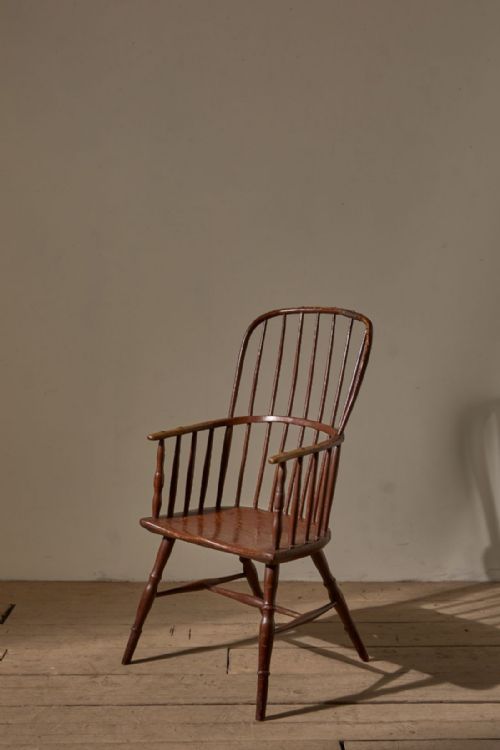
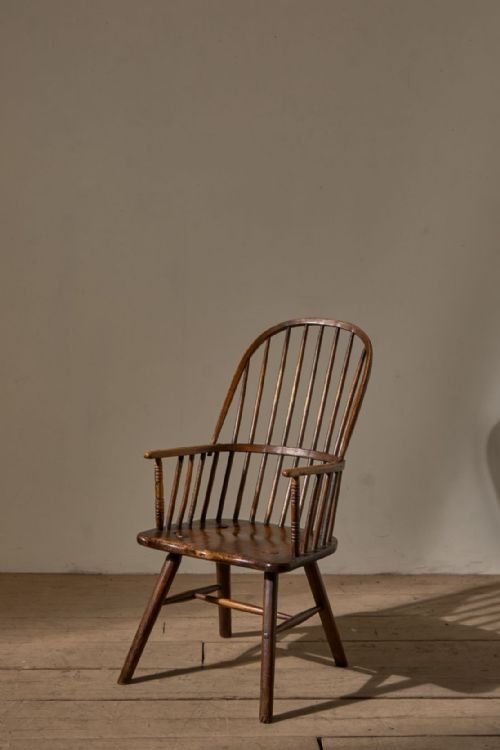
Georgian Stick Chair
These pieces are a georgian stick chair, highly practical seating built for comfort and hard use that brings rustic character into modern rooms.
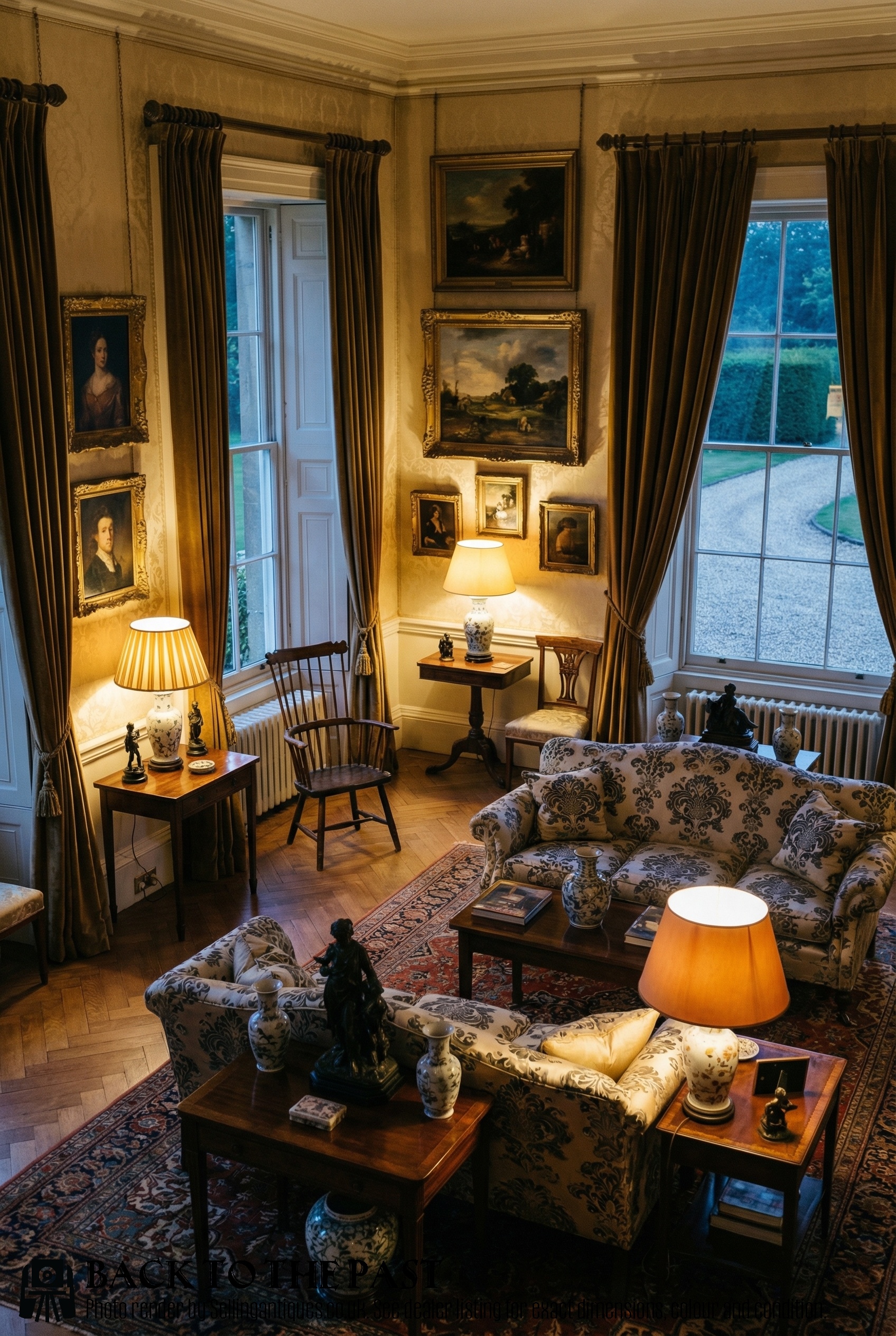
Georgian Stick Chair
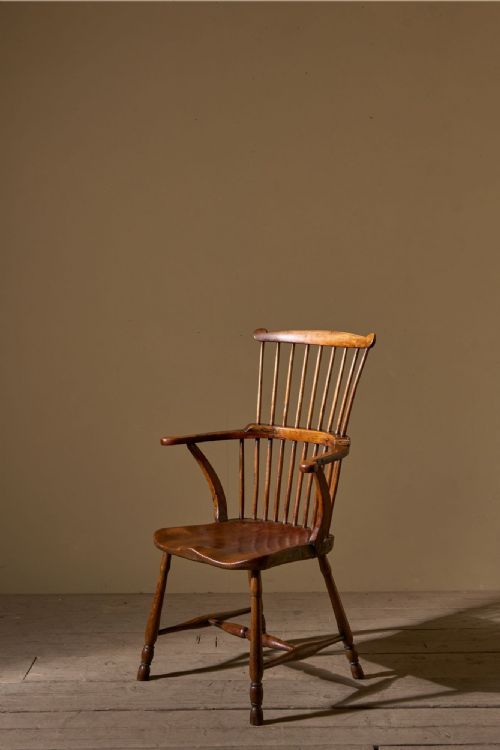
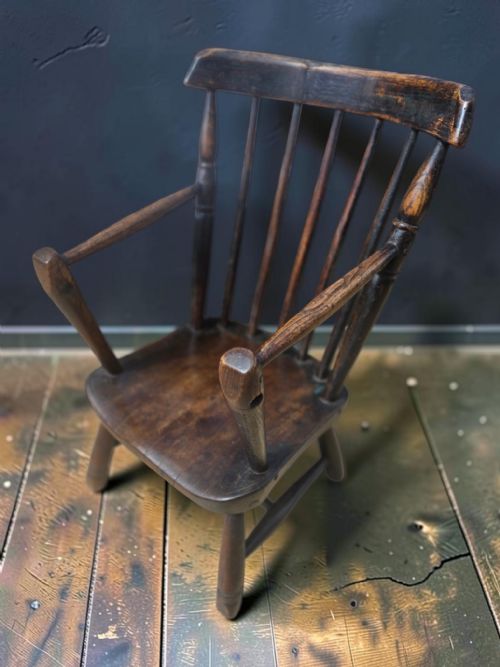
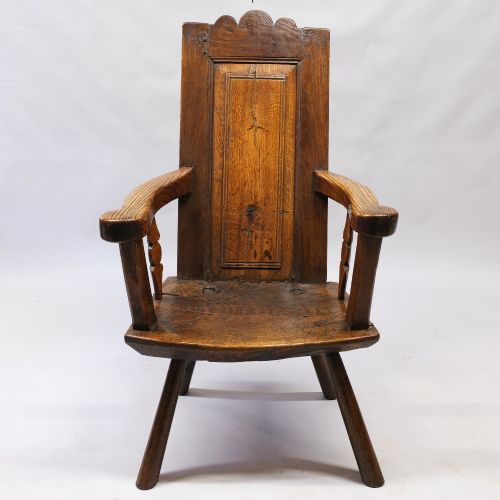
When searching for a georgian stick chair, buyers encounter traditional seating rooted in regional English and Welsh vernacular traditions. These pieces include armchairs, side chairs, and smaller children's versions designed for domestic utility.
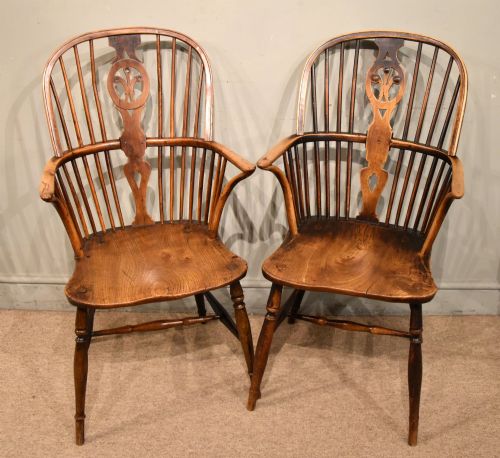
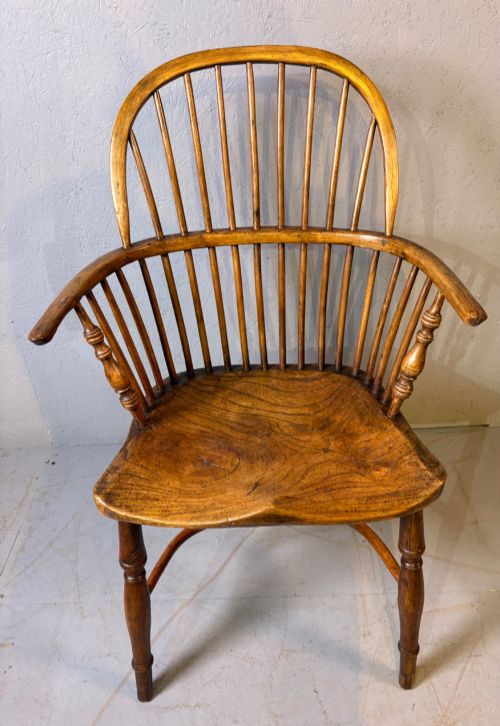
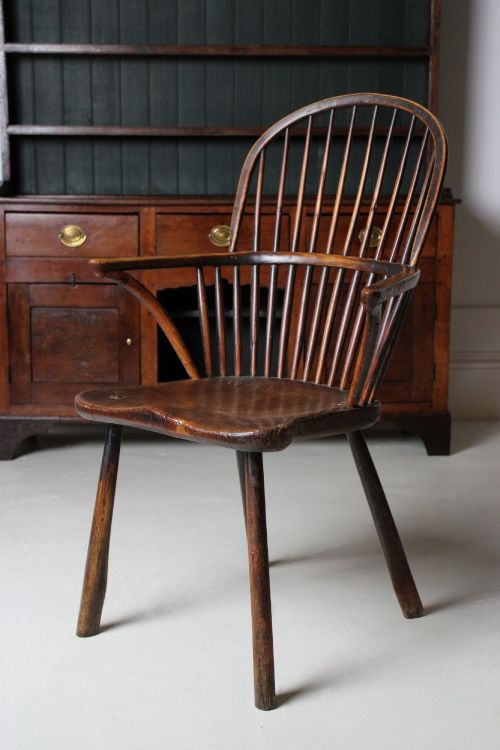
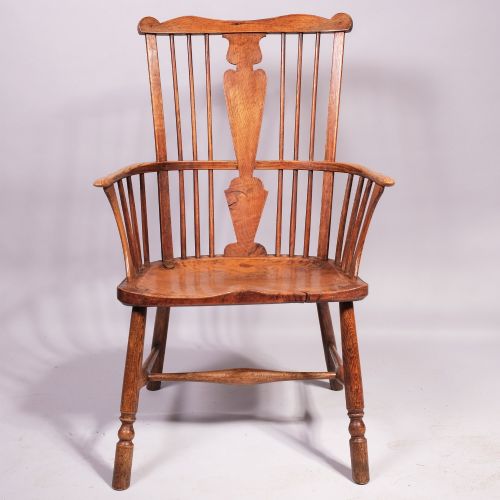
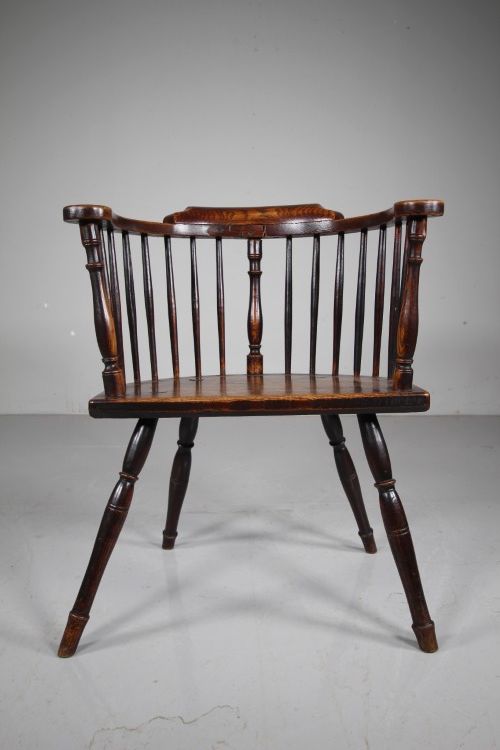
The versions most commonly met on this page date from the eighteenth and nineteenth centuries, spanning the Georgian, Regency, and early Victorian periods. They typically combine a solid saddle seat with turned legs and steam-bent or stick-built backs.
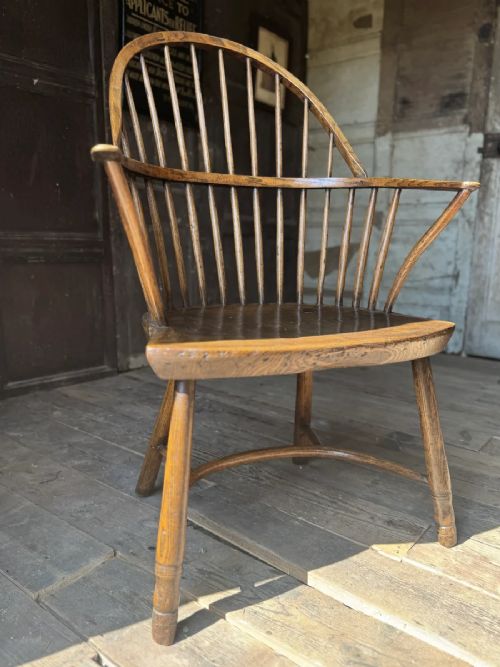
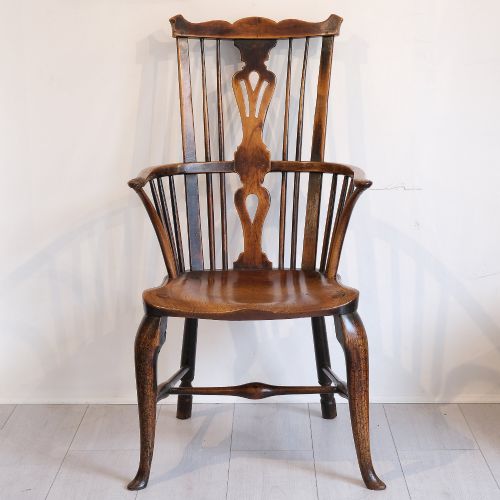
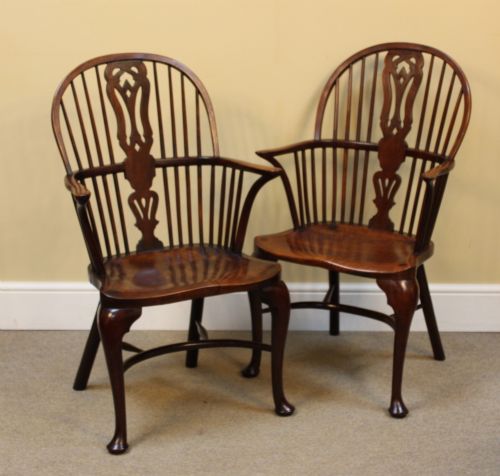
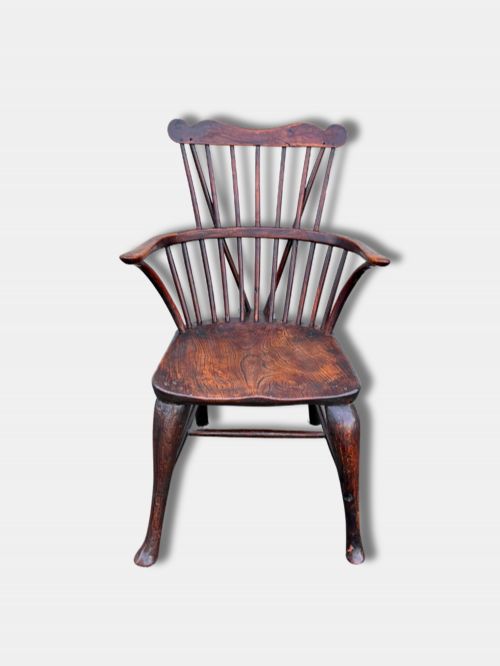
Makers working in the Thames Valley, the West Country, and Wales produced distinct regional variants. These range from low-back forms to high-backed comb backs and hoop backs utilising local timbers.
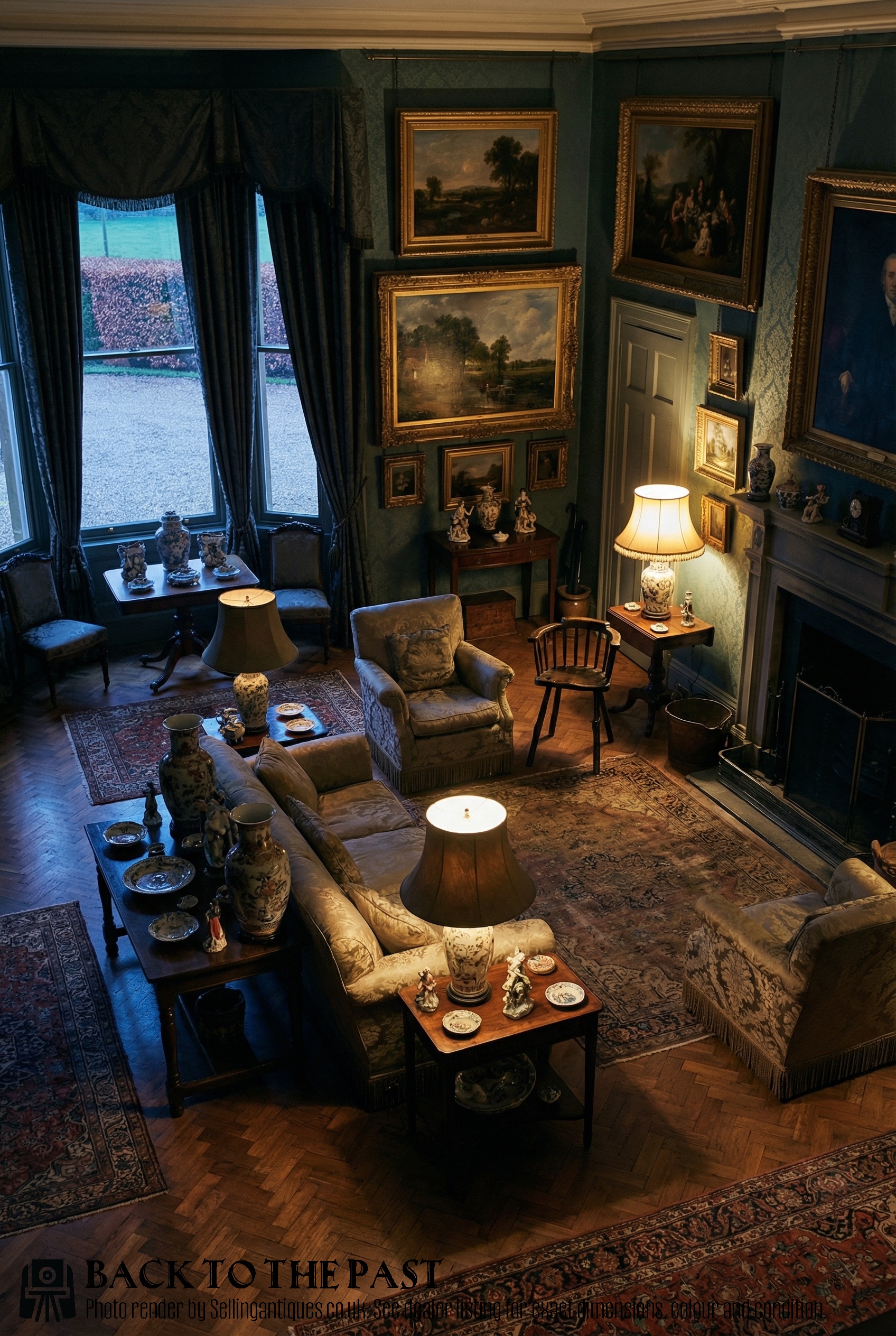
Materials and construction
Makers constructed these chairs by wedging individual spindles and legs directly into a thick, solid wooden seat slab. This Windsor method provided immense structural rigidity without requiring complex joinery.
The timber selection relied on the specific properties of native woods, frequently pairing ash for elastic spindles and elm for the heavy, crack-resistant seat. Yew and fruitwood appeared when available, offering striking grain and rich colour.
Forms span armchairs, side chairs, and children's chairs across eighteenth, nineteenth, and Victorian periods.
Distinctions in quality
Quality in these pieces rests upon the harmony of the proportions and the cleverness of the turning on the legs and stretchers. A well-balanced chair possesses a sculptural presence achieved through careful tapering of the spindles and a deeply sculpted seat.
The integrity of the original construction and the preservation of an honest, timeworn surface distinguish finer examples from altered ones. Surviving paint layers, minimal replacement parts, and deep patination elevate a chair well above standard utility grade.
John Brand of Sleaford·Gabbitass of Worksop
The Georgian Stick Chair Glossary
- Comb back
- A Windsor chair back where the top rail resembles the spine of a comb, with spindles rising through a horizontal crest rail.
- Hoop back
- A continuous bentwood bow forming the arms and backrest in a single flowing curve.
- Saddle seat
- A thick wooden seat slab carved into a concave shape for ergonomic comfort during long periods of sitting.
- Crinoline stretcher
- An arched under-tier connecting the legs of a chair that provides lateral strength and often acts as a footrest.
- Vernacular
- Objects built by regional craftsmen following local traditions rather than strict academic design rules.
Georgian Stick Chair: Frequently Asked Questions
What is a georgian stick chair?
A georgian stick chair is a traditional wooden seating form characterised by turned legs and spindles socketed directly into a solid plank seat. These rural chairs evolved through regional British styles, particularly within the Windsor tradition.
They were produced by local joiners and wheelwrights using native hardwoods like elm, ash, and yew. Each piece reflects the functional requirements of domestic life in the eighteenth and nineteenth centuries.
How do I live with one?
Living with these pieces involves placing them in spaces where their sculptural forms and warm wood tones can stand out. They function well as desk chairs, hallway accents, or paired around a dining table.
Maintenance requires keeping them away from direct heat sources and sudden humidity changes to protect the old timber. Treating the surface with appropriate wax preserves the historic patina without altering the wood.
How do I tell periods apart?
Differentiating periods relies on observing subtle shifts in turning styles, back construction, and wood choice. Earlier eighteenth-century examples often feature heavier proportions, primitive comb backs, and rich fruitwood or elm figuring.
Nineteenth-century pieces tend toward lighter, more refined turnings and frequently utilise yew wood. Regional traits from the West Country or Wales also help anchor a piece within a specific era and maker tradition.