
Georgian Sterling Serving Spoon
A georgian sterling serving spoon brings solid weight and historical silver craft directly to the dining table.
Georgian Sterling Serving Spoon
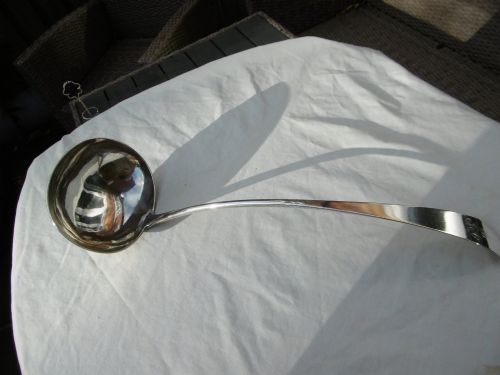
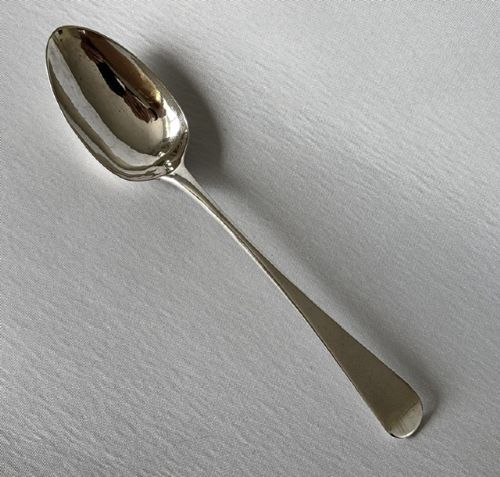
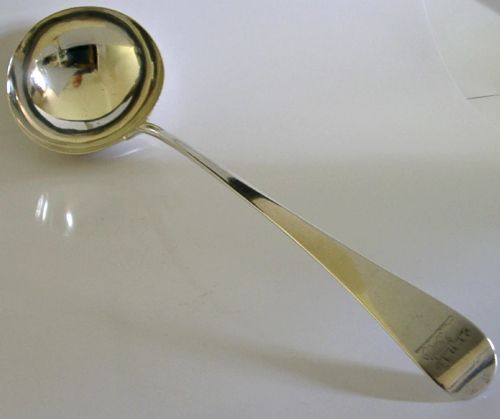
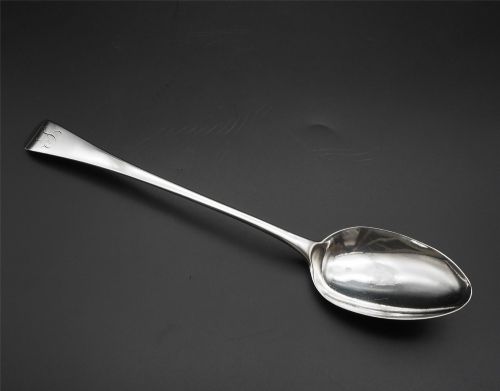
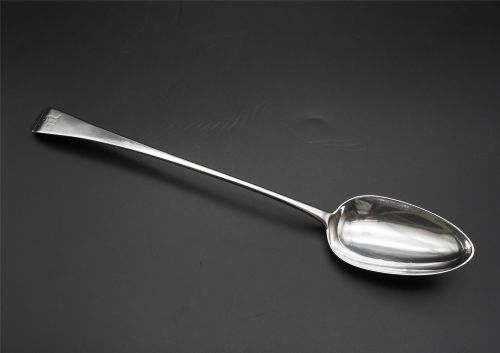
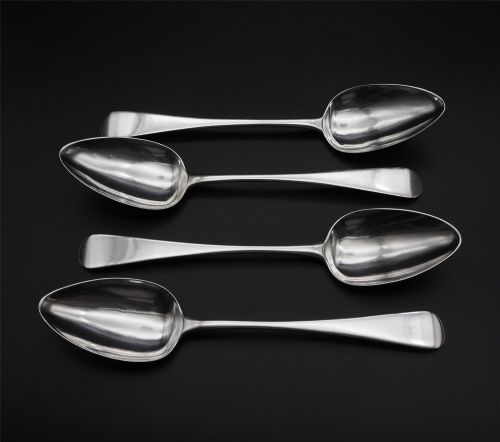
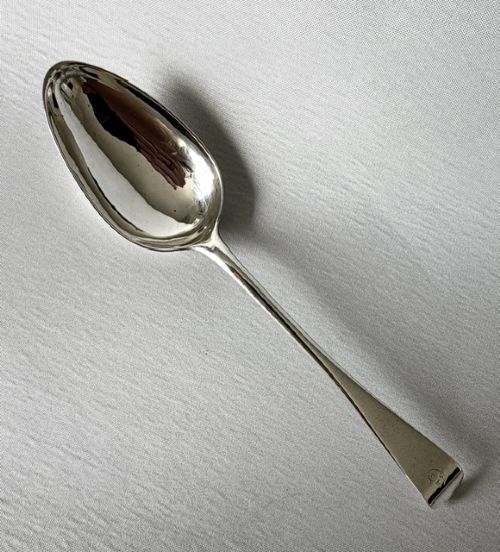
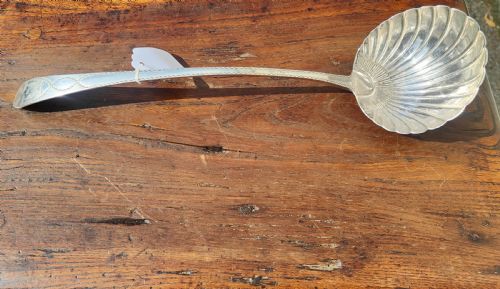
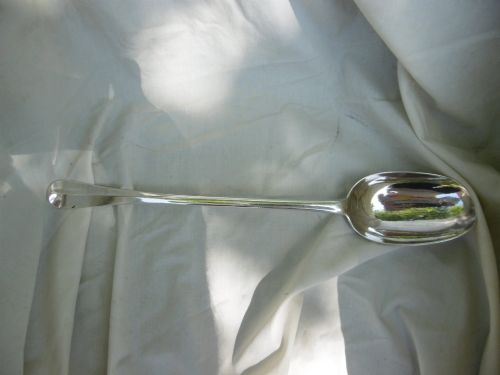
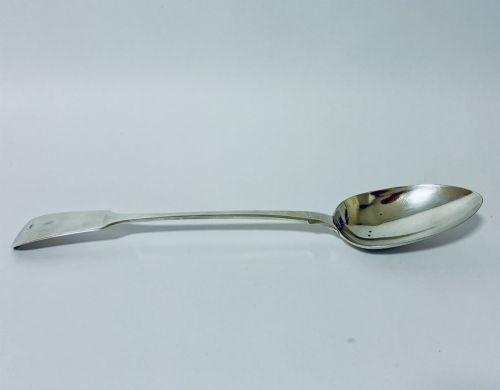
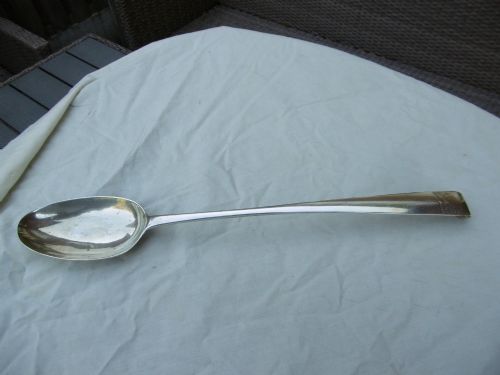
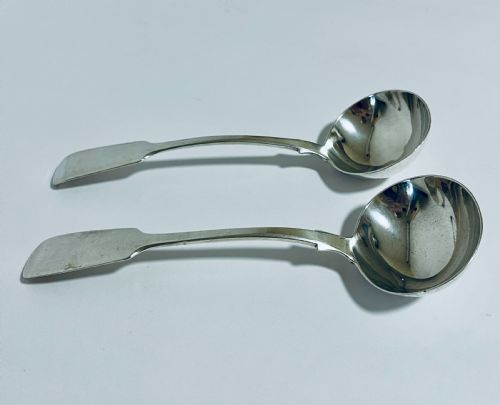
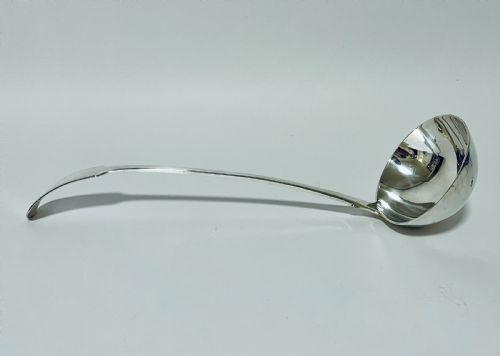
Collectors searching for a georgian sterling serving spoon encounter large forms including basting spoons, hash spoons, soup ladles, marrow scoops, and tablespoons. These pieces originate primarily from the eighteenth and nineteenth centuries, spanning reigns from Queen Anne through George III and William IV.
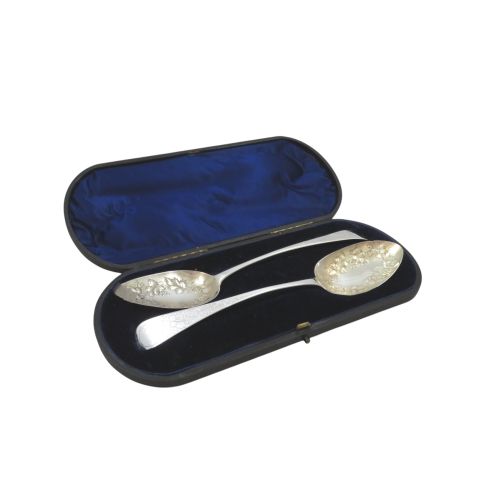
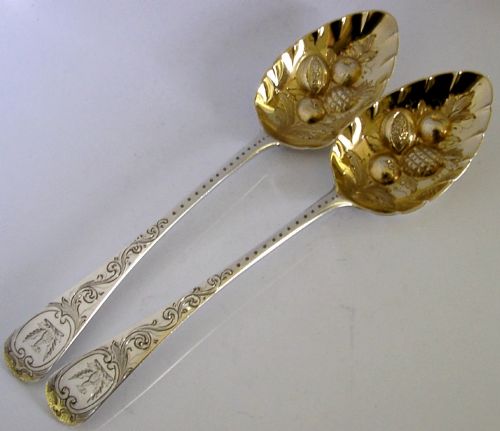
Many examples take the form of berry spoons, which are older bowls later embossed and chased with fruit and foliage designs, often housed in fitted cases lined with silk, velvet, or leatherette. Plain basting spoons and soup ladles with crest engravings appear frequently alongside matched pairs and single tablespoons.
Provincial centres such as Newcastle, Inverness, and Dublin produced distinct regional items, including hook-end spoons and Celtic point strainer spoons. Makers worked within established styles like Old English pattern while supplying substantial silver for grand dining.
Materials and Construction
Silversmiths forged these utensils from solid sterling silver, hammering ingots into thick blanks that provided the heavy gauge required for large serving pieces. Bowls were shaped and joined to sturdy handles, sometimes receiving a gold gilt wash to the interior surfaces.
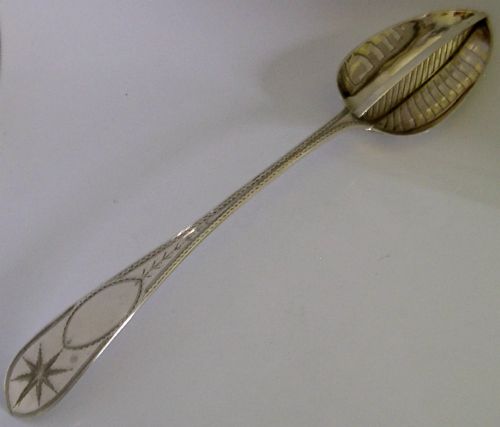
Decorative enhancements involved repoussé work and chasing, particularly on berry spoons where fruit motifs and bird designs were hammered into the bowl exterior. Makers applied punches for hallmarks, maker marks, and family crests directly into the metal.
Listings feature regional provincial British and Irish silver from centres including Newcastle, Dublin, and Inverness.
Variations in Quality
Quality rests in the gauge of the silver and the crispness of the original hallmarks, maker stamps, and engraved family crests. Thicker metal resists bending across long basting spoons and heavy soup ladles during service.
The precision of the chasing work on berry spoons separates standard conversions from finer examples where the fruit and foliage motifs remain deep and sharp. Preserved original surfaces and complete fitted cases retain higher collector interest.
Peter and Jonathan Bateman·Hester Bateman·Andrew Archer·John Craig·John Locker·John Wilks·James Tookey·Peter and Anne Bateman·William Chawner II·James Tait·Jamieson and Naughton·R Grey·Michael Smith·Jonathan Hayne·R Hennell
The Georgian Sterling Serving Spoon Glossary
- Basting spoon
- A large spoon utilised for spooning juices over roasting meat. These items measure substantially longer than standard tablespoons.
- Berry spoon
- A tablespoon or serving spoon later embossed and chased with fruit and leaves. They frequently appear in matching pairs within fitted boxes.
- Hash spoon
- An exceptionally large serving spoon designed for communal hash or stew dishes. Examples often exceed thirty centimetres in length.
- Rat tail
- A traditional strengthening ridge running down the back of the spoon bowl from the handle join. This feature appears on early eighteenth-century pieces.
- Stilton scoop
- A specialised utensil featuring a half-cylinder blade for cutting and serving hard cheese. These items date toward the end of the Georgian and into the Victorian era.
Georgian Sterling Serving Spoon: Frequently Asked Questions
What is a basting spoon used for?
A basting spoon served to lift hot juices from a roasting pan and pour them over meat during preparation at the hearth or table.
Because of their substantial length and heavy gauge silver construction, these spoons also functioned as large serving implements for communal dishes.
Why do some spoons have fruit on them?
Many eighteenth-century spoons were later embellished during the Victorian period with embossed fruit, berries, and foliage across the bowl.
These converted berry spoons were popular for serving fruit dishes and dessert courses at formal nineteenth-century dining tables.
How do you read silver hallmarks?
British hallmarking systems stamped items with a maker mark, a standard mark indicating sterling purity, a town mark, and a date letter.
These small stamped symbols reveal the exact assay office, the year of production, and the silversmith responsible for the work.
Are these spoons safe to use today?
Solid sterling silver serving spoons remain entirely functional for modern dining, table service, and special occasions.
Gentle hand washing without harsh abrasives preserves the historic metal surface, maker marks, and any applied gold gilt.