




Georgian Spice Box
A georgian spice box brings the scent of old kitchens and travel into a modern room, offering small-scale storage with considerable character.
Georgian Spice Box
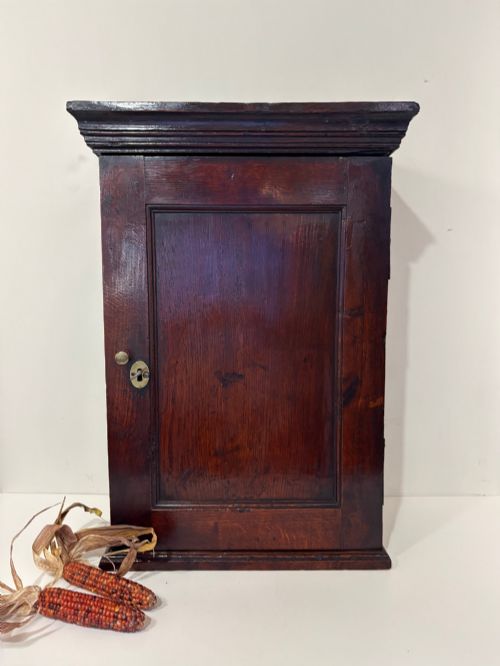
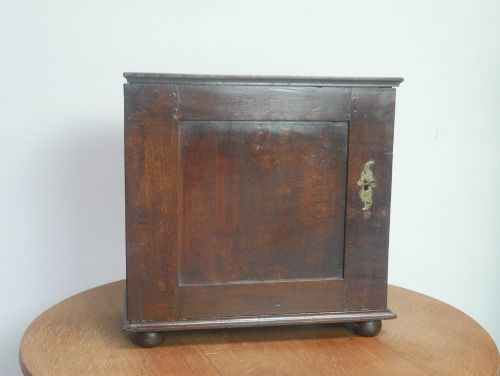
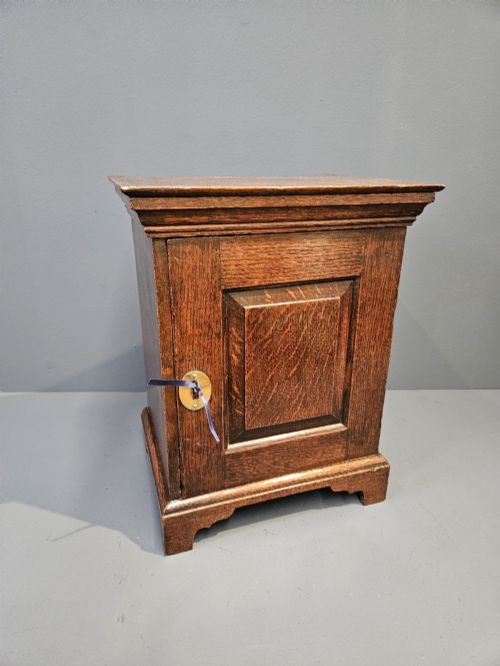
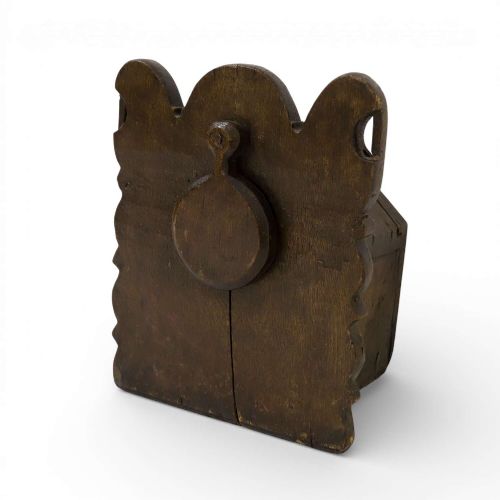
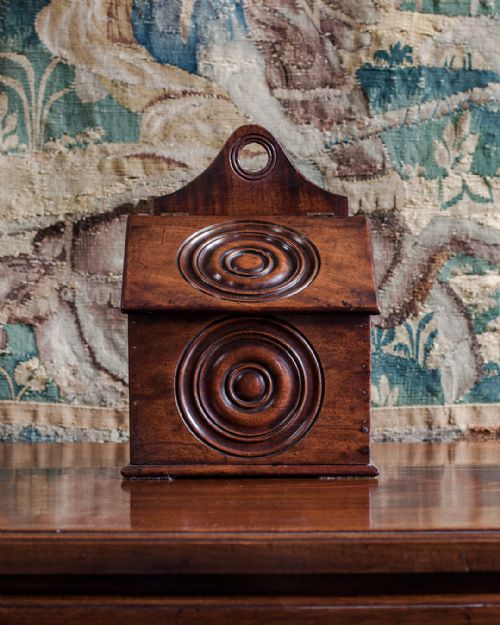
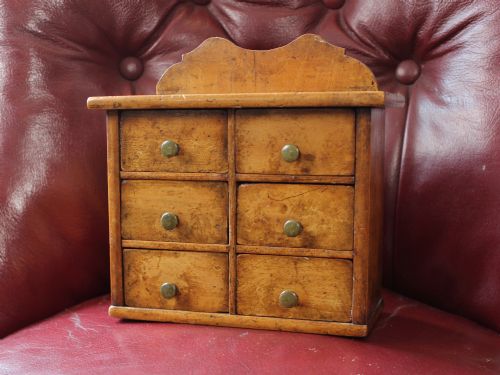
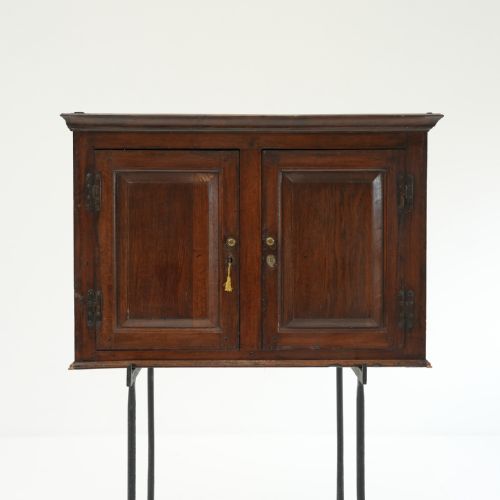
When you hunt for a georgian spice box, you encounter a range of forms designed to hold precious flavourings, from hanging wall cupboards to pocket graters. Wall cupboards and miniature cabinets dominate the selection, often fashioned from sturdy oak or richly figured mahogany.
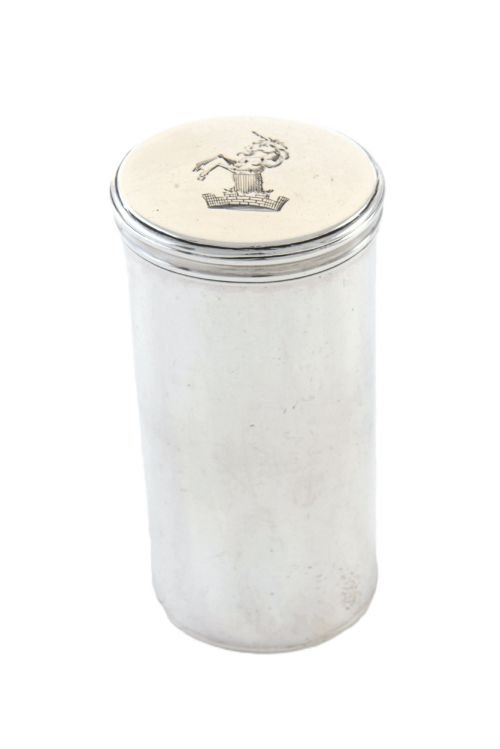
The material record spans centuries, moving from heavy 17th-century country oak pieces to elegant Regency mahogany versions and portable silver items. Smaller pocket graters in treen and sterling silver show how cooks and travellers carried their own nutmeg.
Materials and Construction
Cabinet makers built these domestic items using native timbers such as oak, fruitwood, boxwood and mahogany, often pairing them with pine linings. Iron hardware, brass hinges and locks provide the functional mechanics for doors and drawers.
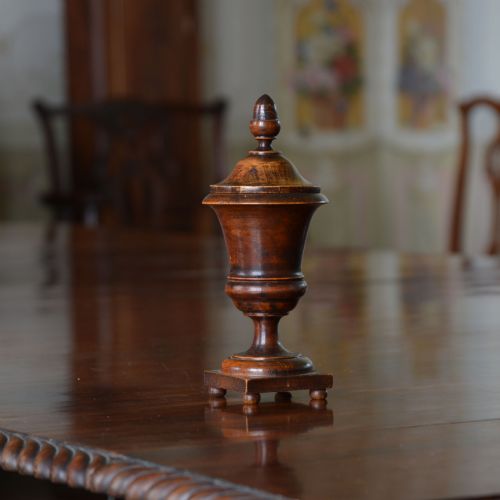
Smaller portable items rely on turned wood and metals, using silver hallmarks or toleware painting to finish the surface. Several pieces incorporate inlaid details or painted traces that survive from earlier centuries.
Listings feature oak, mahogany, fruitwood, boxwood, sterling silver, brass, iron and toleware.
Judging Quality
Quality rests upon the integrity of the timber, the crispness of any turned mouldings, and the survival of original hardware. A well-preserved oak cupboard with untouched hinges holds greater interest than one stripped of its early character.
In smaller silver and treen pieces, the fineness of the carving and the legibility of maker marks separate standard items from superior examples. The presence of original fitted interiors or matching compartments elevates the standing of any container.
Daniel Field·J Taylor
The Georgian Spice Box Glossary
- Treen
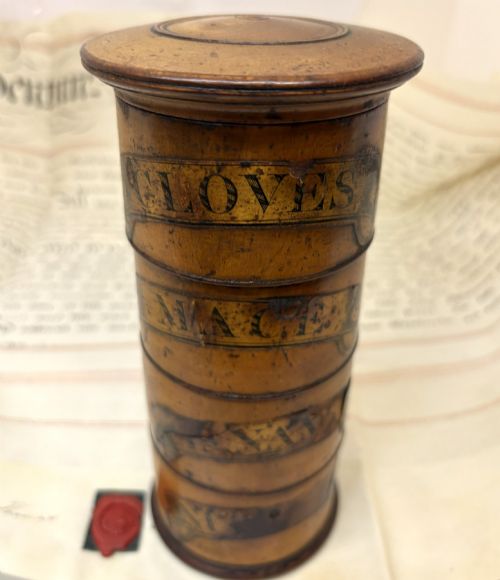
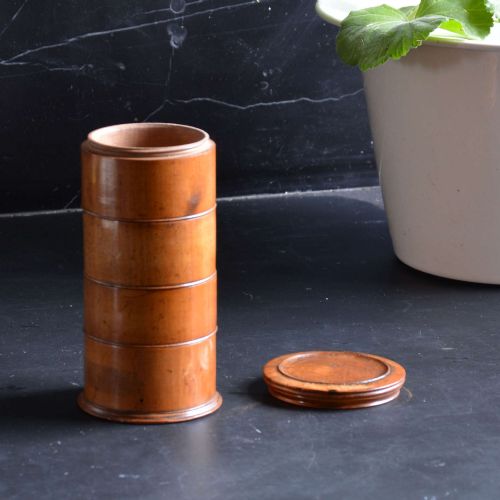
- Small handmade wooden domestic objects. These items range from pocket spice towers to turned containers.
- Toleware
- Japanned or painted metalware. This technique produced decorated boxes and containers.
- Nutmeg grater
- A small handheld device for grating spice. Examples appear in silver, boxwood and fruitwood.
- Spice tower
- A stacking wooden container with multiple compartments. These tiered vessels held various individual flavours.
Georgian Spice Box: Frequently Asked Questions
How were these boxes used?
These boxes and cabinets stored precious culinary spices, herbs and whole nutmegs safely away from damp air. Kitchens and dining rooms utilised wall-hung cupboards or tabletop chests for daily access.
Smaller pocket graters accompanied travellers on journeys, allowing them to flavour food and drink away from home. The compartmented towers held distinct varieties of seasoning in separate stacked sections.
Where should I place one?
Wall-hanging cabinets suit kitchens, hallways or studies where timber textures can be appreciated up close. Miniature chests and spice towers sit comfortably on sideboards, shelves or desks.
Keep wooden and metal pieces away from direct heat sources and strong sunlight to protect the aged surfaces and original finishes.
How do I spot a reproduction?
Examine the timber shrinkage, tool marks and hardware for signs of genuine age rather than artificial distressing. Older pieces display appropriate wear patterns around handles, keyholes and hinges.
Check construction methods inside drawers and carcases to ensure they match traditional period techniques.
What woods were commonly used?
Oak appears frequently in country pieces from the 17th and 18th centuries, offering durability and rustic grain. Mahogany and fruitwood served for finer Regency and Georgian tabletop cabinets.
Boxwood and turned treen provided dense materials suitable for small pocket graters and stacking tower compartments.