


Antique Kitchenalia Box
An antique kitchenalia box brings domestic utility into modern rooms through honest craftsmanship in wood and iron.
Antique Kitchenalia Box
An antique kitchenalia box encompasses utilitarian vessels and containers from the eighteenth and nineteenth centuries, spanning Georgian and Victorian periods. Buyers search for these pieces to add texture and history to domestic spaces using genuine historic utility.
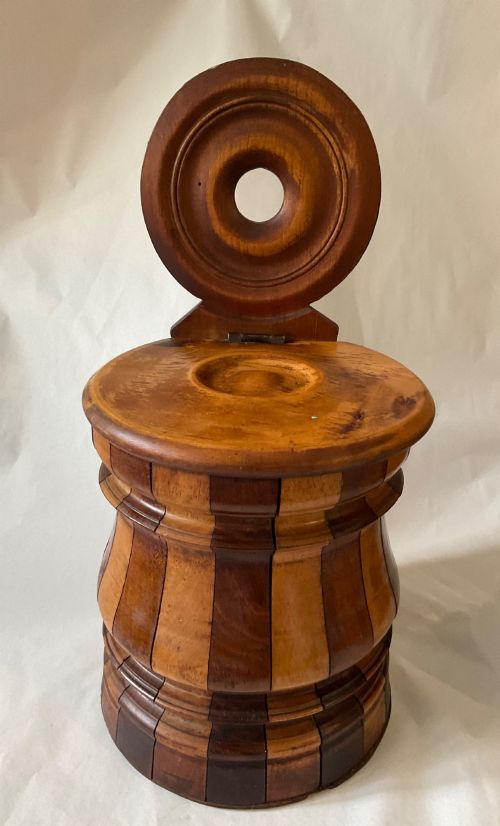
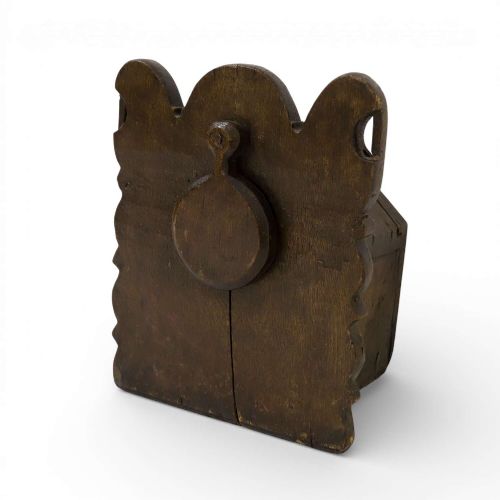
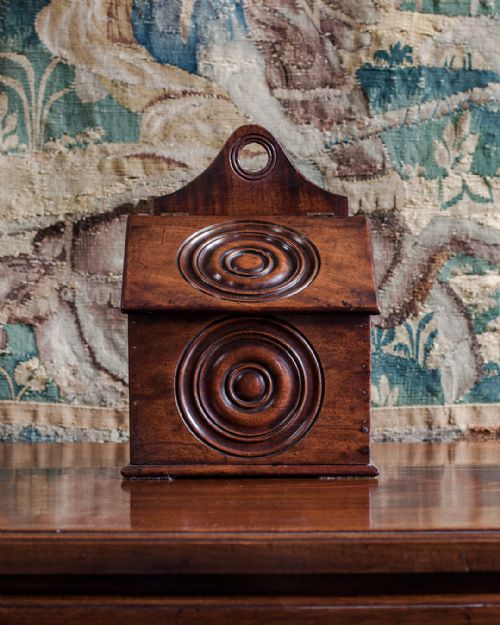
The selections on this page concentrate on regional vernacular forms, notably wall-hanging salt boxes in oak and mahogany alongside turned treen spice towers and pocket nutmeg graters. These items served daily domestic functions in British kitchens long before modern storage existed.
How they were made
Maker construction relies on mixed timber, oak, mahogany, fruitwood and pine, shaped through traditional joinery and turning techniques. Iron hardware provides functional hinges and latches, while occasional red paint traces show early surface finishes.
A nineteenth-century traveller could grate their own spice on the go using a pocket nutmeg grater shaped like a wine bottle.
What varies in quality
Quality rests on the integrity of the original timber, the survival of early hardware and the crispness of turned details. Pieces retaining original paint traces or untouched patination command greater interest than those stripped or overly restored.
Proportion and functional design separate standard utility items from finer vernacular examples. A well-balanced salt box with original iron hinges demonstrates superior craftsmanship compared to later replacements.
The Antique Kitchenalia Box Glossary
- Kitchenalia
- Utilitarian objects and implements used in the preparation and storage of food in domestic settings. These items reflect the practical domestic life of past centuries.
- Treen
- Small handmade wooden household objects created by turning on a lathe or through hand carving. This material develops a warm patination from decades of handling.
- Vernacular
- Everyday architecture and objects built by local craftspeople using regional traditions and materials. These pieces prioritize function over academic stylistic rules.
- Spice Tower
- A multi-tiered turned wooden container designed for stacking various culinary spices. Each section fits neatly onto the next to preserve aromatic contents.
- Nutmeg Grater
- A small pocket-sized or stationary implement used to grate hard spices for culinary or medicinal use. They frequently take ingenious miniature forms such as bottles.
Antique Kitchenalia Box: Frequently Asked Questions
What did an antique kitchenalia box store?
These containers held household staples such as salt, cutlery, and spices close to the hearth. Salt boxes protected hygroscopic salt from damp kitchen atmospheres.
Smaller treen containers housed aromatic spices and nutmegs ready for daily cooking. Each box performed a specific role in managing domestic provisions.
How do I date an oak salt box?
Dating relies on examining construction methods, timber choice, and hardware styles. Eighteenth-century examples often feature hand- cleft oak boards and forged iron butterfly hinges.
Later Victorian pieces display machine-sawn timber and standardised brass screws. Original paint traces and surface wear also help establish the age of the piece.
Where were these wooden boxes displayed?
Salt boxes were typically hung on kitchen walls near the fireplace to keep salt dry. Cutlery boxes sat on dressers or counters for easy access during meal preparation.
Smaller treen spice towers and pocket graters lived in pantries or travelled in pockets. Their placement was entirely utilitarian rather than decorative.
How should I care for historic treen?
Keep wooden kitchenalia away from direct heat sources and drastic humidity changes to prevent timber splitting. Gentle dusting with a dry cloth preserves the historic surface.
Avoid harsh cleaning products that strip away centuries of accumulated patination. Occasional application of suitable wax helps maintain the condition of dry wood.