


18th Century Salt Box
An 18th century salt box is a domestic storage essential of timber build that keeps salt dry near the hearth, prized for its tactile vernacular craftsmanship.
18th Century Salt Box
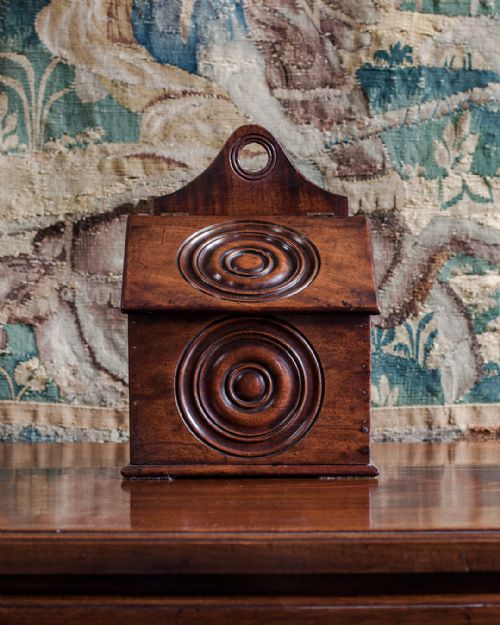
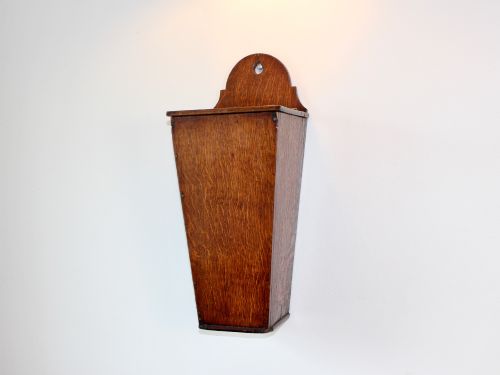
When you search for an 18th century salt box, you encounter wall-hung domestic receptacles designed to protect hygroscopic salt from damp cottage air. These functional pieces belong primarily to the Georgian and earlier rustic country traditions, appearing alongside related wall boxes and candle boxes.
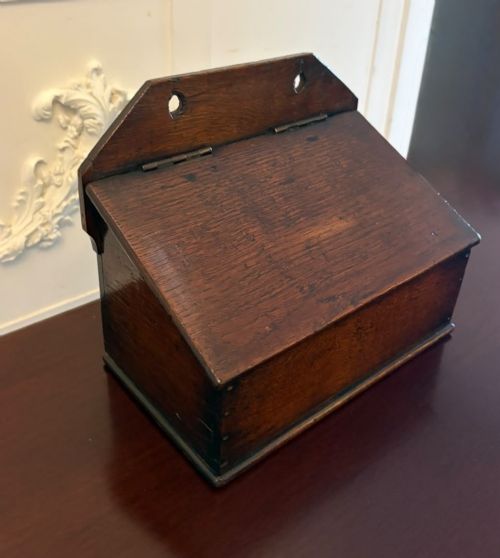
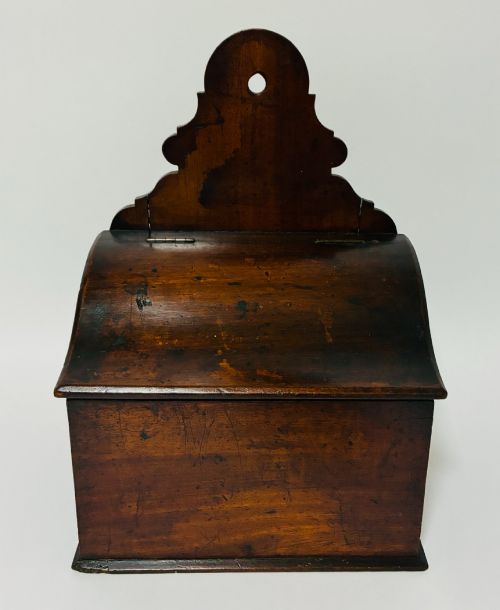
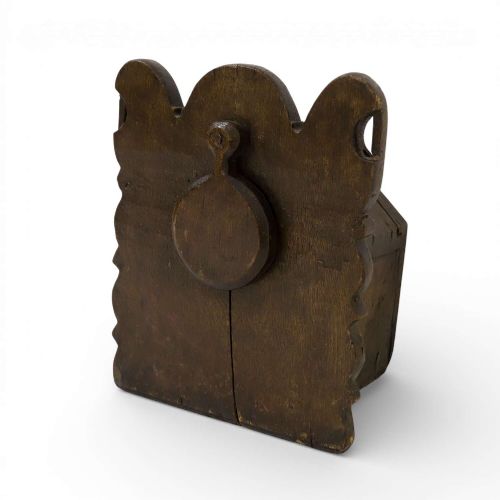
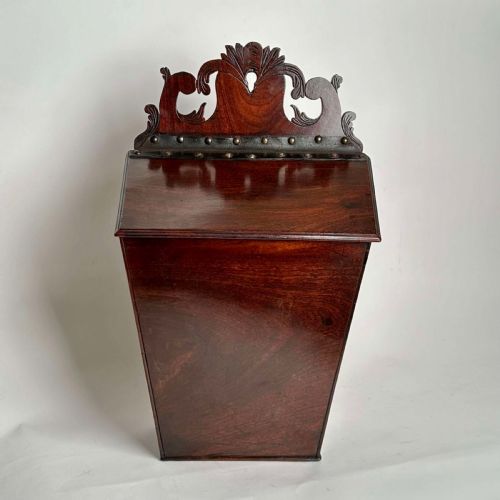
The versions most frequently met on this page are constructed from solid oak or mahogany, often featuring hinged sloping lids intended for wall suspension by the hearth. Some examples include integrated drawers or show traces of early red paint alongside original iron hardware.
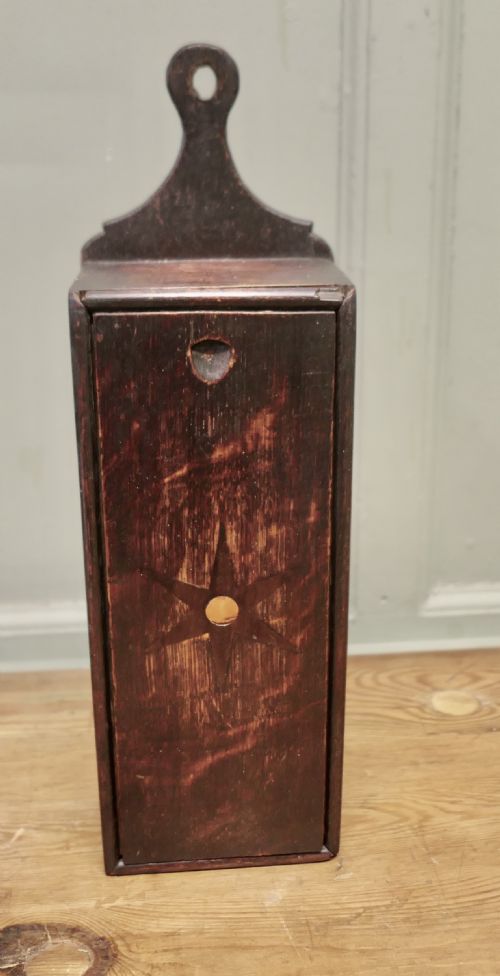
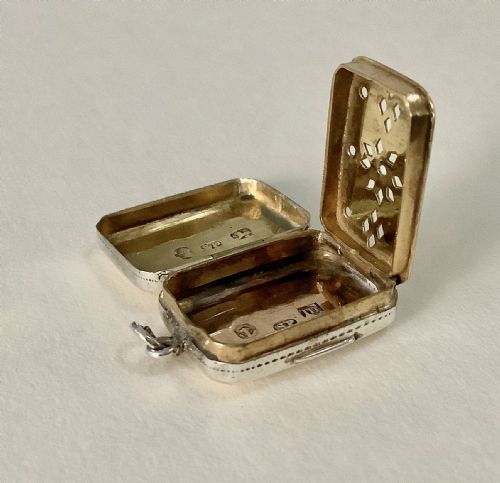
Beyond standard oak and mahogany wall receptacles, the broader category encompasses related treen, cutlery boxes, and occasional miniature silver items. The core form remains a sturdy rectangular container built to hold granular salt within easy reach of the cooking fire.
How they were made
Makers construct these boxes predominantly from native timbers such as oak and mahogany, occasionally incorporating secondary woods like fruitwood. Carpenters shape boards using hand tools, joining them with traditional methods suitable for everyday domestic items.
Hardware consists of hand-forged iron hinges, latches, and hanging loops that secure the lid and mount the box firmly to kitchen walls. Some surfaces retain traces of early red paint, showing that makers occasionally decorated plain utilitarian woodwork.
Listings feature periods spanning the 17th century, Georgian era, 18th century, and 19th century in oak, mahogany, and sterling silver.
What varies in quality
Quality rests on the integrity of the timber, the retention of original iron hardware, and the survival of early painted surfaces. Pieces retaining their authentic wall-mounting points and original hinges command greater interest from collectors.
Proportion and cabinet-making skill differentiate everyday rustic items from finer Georgian mahogany examples. Finer pieces display careful tapering and balanced rectangular forms rather than purely crude utility.
Pemberton
The 18th Century Salt Box Glossary
- Treen
- Small domestic wooden objects made by turning or carving. These items form a major part of early treen collections.
- Hardware
- Metal components such as hinges, latches, and hanging rings attached to wooden boxes. Original iron hardware adds authenticity.
- Wall Box
- A flat-backed container intended for hanging on a wall rather than resting on a surface. These boxes save space in busy rooms.
- Fruitwood
- Dense timber harvested from fruit trees, sometimes used alongside mahogany in cabinet work. It provides subtle colour variation.
18th Century Salt Box: Frequently Asked Questions
What is an 18th century salt box?
An 18th century salt box is a wooden wall-hung container designed to keep coarse salt dry and accessible near the kitchen hearth.
These utilitarian pieces reflect the domestic habits and vernacular carpentry of the Georgian period and earlier centuries.
How were salt boxes used?
Households hung them on walls near cooking areas so salt stayed dry despite damp cottage conditions.
The sloping lid allowed cooks to scoop salt out quickly while protecting the contents from kitchen debris.
What woods were used?
Makers built these boxes using sturdy domestic timbers like oak and imported woods such as mahogany.
Some examples also incorporate secondary woods like fruitwood within their construction.
How do I identify periods?
Periods are identified through construction methods, timber choices, and stylistic traits like Georgian tapering or rustic country joinery.
Original iron hardware and early paint traces also help anchor pieces to the seventeenth or eighteenth centuries.