
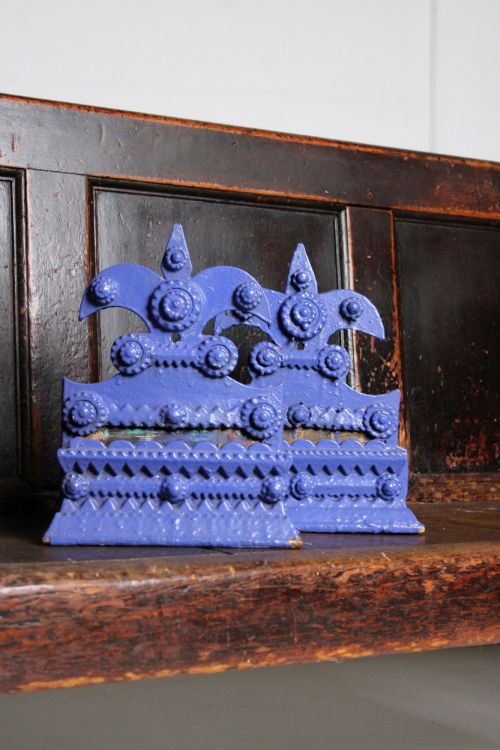


Wall Mounted Wooden Box
These wall mounted wooden box examples combine honest utility with period craftsmanship, offering a practical storage solution for any room.
Wall Mounted Wooden Box
A wall mounted wooden box provides functional storage by lifting small items off surfaces and onto the wall. When you search for a wall mounted wooden box, you encounter forms ranging from simple household containers to specialised organizational units.
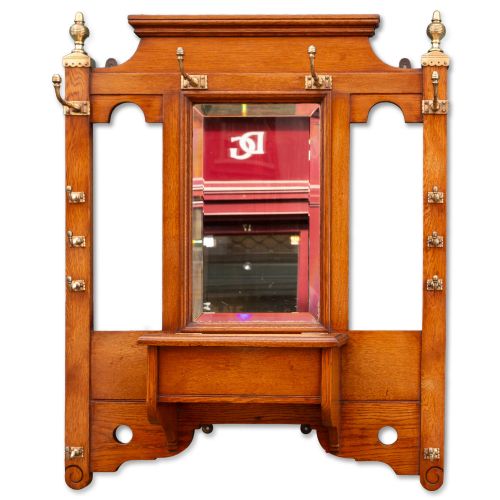
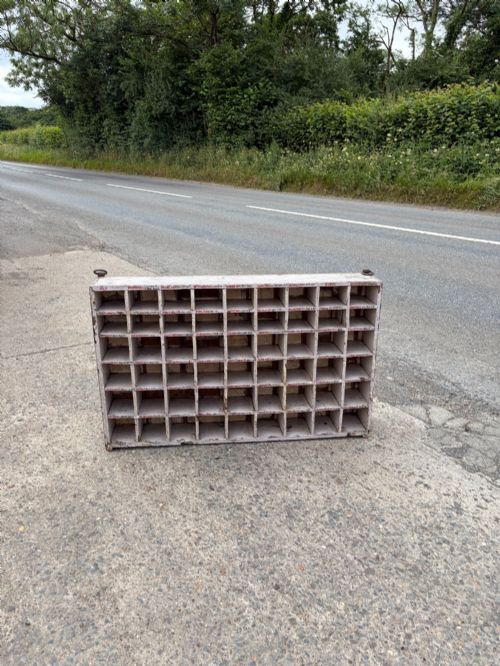
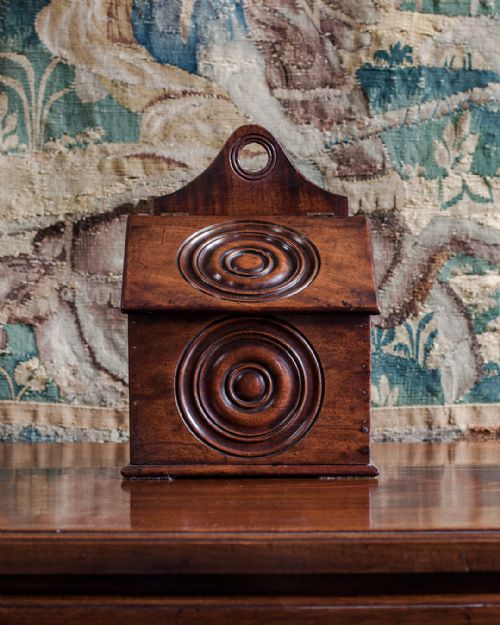
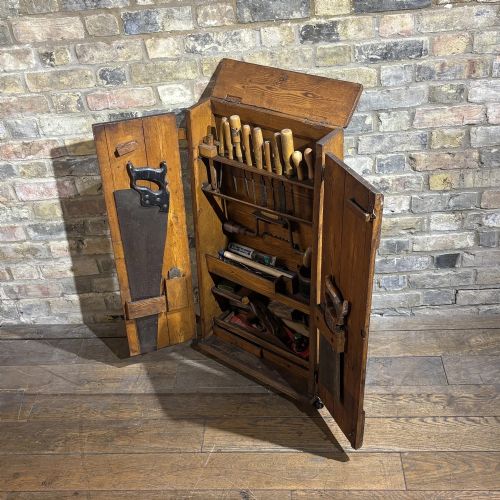
The pieces listed here appear in styles such as Victorian, Industrial, Folk Art, and the Amsterdam School. You will frequently find specific functional variants including coat racks, pigeon holes, salt boxes, tool cabinets, key cupboards, matchbox holders, and letter boxes.
Origins span the 19th Century, the Victorian era, and the early 20th century, with dates including 1900, 1910, and 1930. Oak, mahogany, pitch pine, and general wood form the primary bodies, often paired with brass, iron, glass, and paint.
Materials and construction methods
Constructed primarily from sturdy timbers like oak, mahogany, and pitch pine, these wall mounted wooden box pieces rely on traditional joinery suitable for hanging loads. Workshops utilised durable woods to ensure the containers survived daily domestic or workshop use.
Metal hardware such as brass and iron frequently appears as hinges, hooks, or decorative trim, while some examples incorporate glass panels or surface paint. More specialised finishes include Madagascar ebony veneer paired with white metal on select decorative pieces.
Recorded object types range from household salt boxes and letter boxes to commercial cigarette vending cabinets.
Judging quality in a wall mounted wooden box
Quality rests on the selection of timber and the precision of the hardware integration, such as solid brass hooks or secure door latches. Finer examples display careful attention to grain matching and structural integrity in high-stress hanging points.
Decorative ambition separates standard utility items from sophisticated design pieces, visible in specialised styles like the Amsterdam School or intricate folk art carvings. The complexity of the internal layout, such as pigeon holes or dedicated key hooks, also marks the tier of the piece.
The Wall Mounted Wooden Box Glossary
- Pigeon holes
- Compartments arranged in rows for sorting documents or small items. These open cubbies are frequently built into wall-hanging units for efficient organisation.
- Tramp art
- A style of decorative woodwork characterised by chip-carving using simple tools like pocket knives. Pieces in this style often feature layered geometric patterns.
- Pitch pine
- A durable, resinous softwood widely utilised in utilitarian furniture and cabinets. It offers robust strength well suited to hanging storage.
- Amsterdam School
- An architectural and design movement from the early twentieth century known for expressive forms and rich material combinations. It appears here in refined veneer work and metal detailing.
Wall Mounted Wooden Box: Frequently Asked Questions
How were these wall mounted wooden box units secured?
These pieces generally feature integrated hanging brackets, screw holes through the back panel, or sturdy structural timber frames designed to support the weight of the box and its contents.
Heavier specialised units like tool cabinets or vending cabinets required secure fixings into wall studs to remain safely suspended.
What rooms suit a wall mounted wooden box?
Kitchens, hallways, and studies suit these pieces best, depending on their original purpose as letter boxes, key cupboards, or knife boxes.
Entryways accommodate coat racks and key cabinets, while living spaces easily house smaller decorative matchbox holders or letter compartments.
How do I date a wall mounted wooden box?
Dating relies on timber selection, construction techniques, and stylistic markers such as Victorian mouldings or Amsterdam School veneers.
Evidence from dated pieces points to specific eras like the Georgian period, the Victorian decades, and the early twentieth century around 1910 and 1930.
Were these boxes always meant for domestic use?
Many served domestic roles for holding salt, letters, keys, or coats in private homes.
Others, such as portable tool cabinets, night porters' key cupboards, and navy cut cigarette vending cabinets, fulfilled commercial or institutional duties.