




Pocket Spice Grater
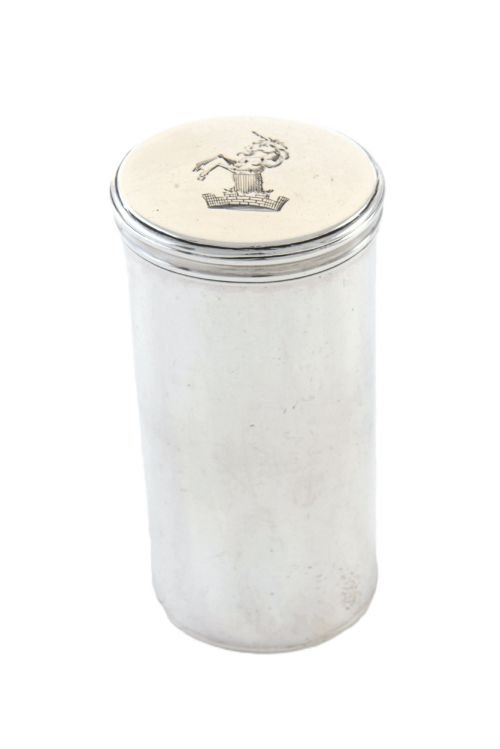
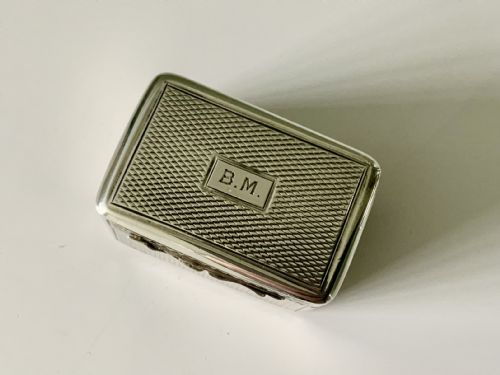
These pocket spice grater examples are compact silver and treen instruments designed to grate fresh nutmeg at the dining table.
Pocket Spice Grater
The common forms include turned wooden treen containers, tubular silver cylinders, and distinct acorn shapes that screw apart. Each version houses a small internal steel rasp and a compartment to store the whole spice.
Collectors encounter these miniature objects in sterling silver and turned wood, often bearing full hallmarks or maker marks from active silversmiths of the period. They reflect a time when diners carried their own seasonings for punch and culinary use.
How They Were Made
Silversmiths constructed the metal versions using sheet sterling silver, hammering and soldering cylindrical or figural bodies together with threaded lids. The interior grating element consists of a punched steel sheet fitted securely inside the main chamber.
Wooden examples rely on precision lathe work, turning dense timber into lidded acorn shapes or cylindrical treen vessels. These pieces combine organic turned wood exteriors with fitted metal rasps pushed into the central bore.
Current listings feature items from the eighteenth and nineteenth centuries, spanning the Georgian, William IV, and Victorian periods in sterling silver and turned wood.
What Varies in Quality
Quality rests upon the crispness of the exterior chasing, the weight of the silver, and the precision of the threaded closures. Early examples by known makers display finer detail in the cast or engraved ornamentation than standard utilitarian pieces.
The integrity of the internal steel rasp and the snug fit of the lid dictate the practical survival of each piece. Treen quality depends upon the smoothness of the turned grain and the retention of original polish.
Daniel Field·Reid and Summers·J Taylor
The Pocket Spice Grater Glossary
- Treen
- Small handmade wooden household objects and utensils. This term describes items turned on a lathe from various domestic and exotic timbers.
- Hallmark
- An official stamp indicating metal purity and origin. British silver pieces usually display standard assay marks, date letters, and maker initials.
- Acorn
- A naturalistic form popular for turned wooden containers. These pocket graters mimic the shape of an oak nut, unscrewing at the cap.
Pocket Spice Grater: Frequently Asked Questions
How do you use a nutmeg grater?
To use the device, you unscrew or open the outer casing to reveal the whole nutmeg and the steel grating surface. Rubbing the spice firmly across the pierced metal produces fresh shavings.
After use, the remaining spice is stored back inside the vessel before securing the lid. The compact size allowed gentlemen and ladies to keep them in pockets or reticules.
What materials are these graters made from?
Most surviving examples are fashioned from sterling silver or turned wood, often referred to as treen. Metal components include steel rasps fitted inside the main body.
The exterior surfaces frequently feature decorative chasing, reeding, or natural wood grain. Some specimens combine turned timber with threaded metal mounts.
How can you tell the age of a silver grater?
Age is primarily determined by consulting the hallmarks stamped onto the silver components. Assay office marks, duty marks, and date letters provide exact years of manufacture for pieces from the Georgian and Victorian periods.
Stylistic indicators such as shape, engraving style, and construction methods also help date unmarked wooden or metal examples to the eighteenth or nineteenth century.