




Antique Pocket Grater
An antique pocket grater is a small tool for fresh spice at the table, offering clever pocket-sized design that collectors treasure.
Antique Pocket Grater
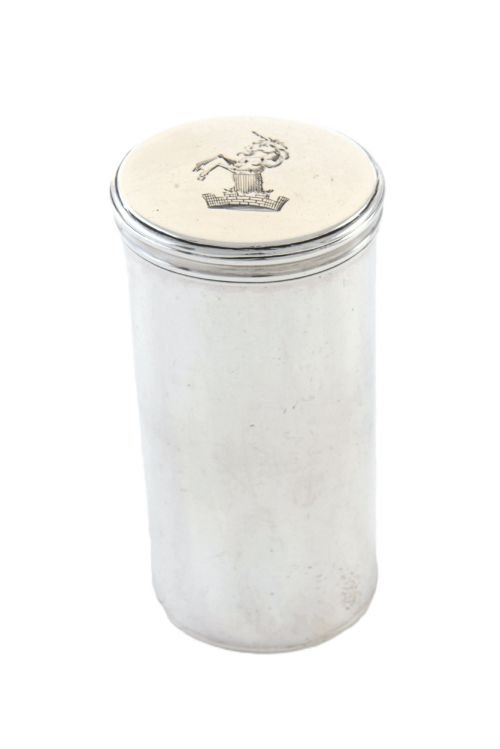
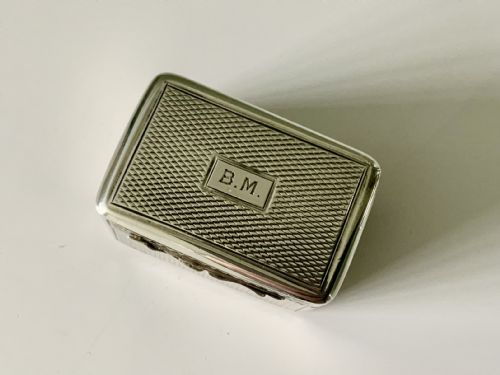
An antique pocket grater is a compact domestic utensil designed for reducing hard spices like nutmeg directly into food or drink. The examples appearing here span the eighteenth and nineteenth centuries, reaching from the Georgian era through William IV and into the Victorian period.
Nutmeg graters form the core of these listings, taking various diminutive forms intended for the pocket or dining table. Most specimens conform to Georgian and Victorian designs, fashioned to be carried easily by travellers and hosts alike.
The objects on this page show both metal and treen construction from the eighteenth and nineteenth centuries. Buyers encounter standard silver pieces alongside turned wooden variants of similar vintage.
How They Were Made
Silversmiths constructed sterling silver bodies using techniques such as casting, turning, and engraving to form cylinders, barrels, and acorn shapes. Steel components provided the internal grating surfaces necessary to reduce hard spices efficiently.
Woodworkers turned timber on lathes to shape treen nutmeg graters from local and exotic woods. Metal graters frequently incorporated hinged lids and tight compartments to contain the spice safely while carried in a pocket.
Several nutmeg graters take the exact shape of an acorn, ready to fool any wandering squirrel.
What Varies in Quality
Quality rests upon the crispness of the steel grating matrix and the precision of the silver or wooden enclosures. Pieces with well-preserved hallmarks and intact internal rasps demonstrate superior craftsmanship compared to heavily worn examples.
Design complexity distinguishes standard production items from finer specimens shaped like acorns or detailed barrels. The crispness of engraved crests and the smooth action of hinged lids further separate ordinary pieces from exceptional ones.
Daniel Field·Reid and Summers·J Taylor
The Antique Pocket Grater Glossary
- Treen
- Small handmade wooden domestic objects. These items showcase traditional turning and carving skills.
- Sterling silver
- A silver alloy containing ninety-two point five percent pure silver. This material provides durability and high lustre for tablewares.
- Hallmark
- An official stamp indicating metal purity and origin. These marks help verify the date and maker of silver items.
- Crest
- An engraved family or personal heraldic symbol. Artisans applied these marks to personalise silver possessions.
Antique Pocket Grater: Frequently Asked Questions
How were pocket graters used?
Dinners often featured whole nutmegs because pre-ground spice lost flavour quickly. Users opened the tiny container and rubbed the spice against the internal rasp.
The resulting powder fell directly into punch, wine, or food. The lid kept loose spice contained inside pockets.
What materials are common?
Sterling silver and turned wood represent the main materials found in these listings. Iron and steel provided the sharp grating surfaces inside.
Wooden versions are often grouped under treen. Silver examples frequently display hallmarks from the eighteenth and nineteenth centuries.
How do I date an antique grater?
Silver pieces often carry hallmarks that reveal the exact year of manufacture. Stylistic clues like Georgian barrel shapes or Victorian ornamentation also help.
Makers' marks provide further confirmation of age. Treen examples rely on wood patination and turning styles for dating.